
Main Courses
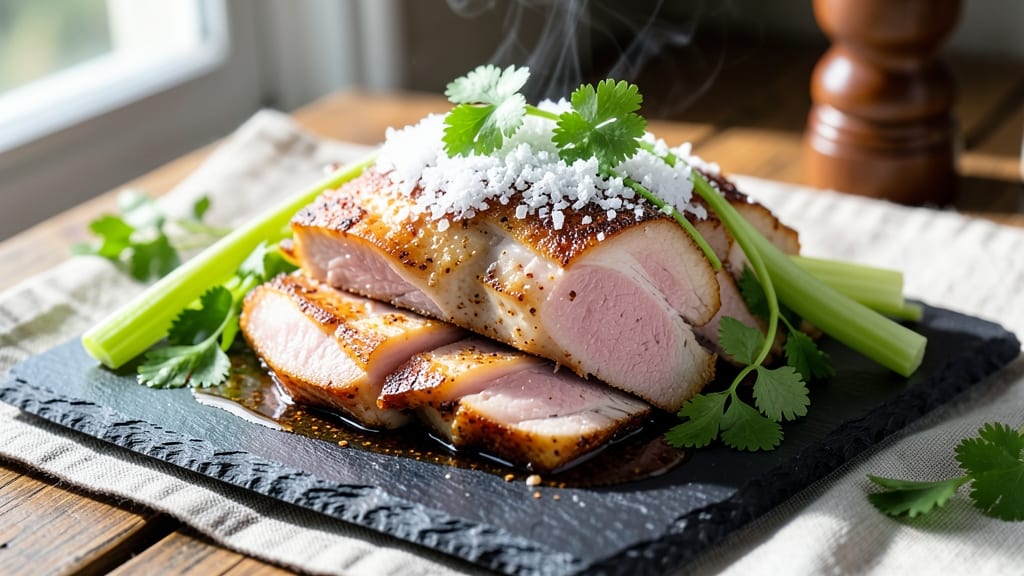
This charsu pork recipe transforms tough pork shoulder into melt-in-your-mouth slices through a time-honored Chinese curing process—where sugar, salt, and five-spice blend create the perfect balance of savory and aromatic depth.
I first mastered this technique during my apprenticeship in Charleston, where I learned how the right ratio of vinegar and spices could turn simple pork into a showstopper dish that pairs beautifully with rice and pickled vegetables.
The secret lies in the marinating process, where pork absorbs the five-spice blend (star anise, cinnamon, cloves, fennel, and peppercorn) along with sugar and salt, tenderizing the meat while building layers of flavor.
Unlike quick-braised cuts, charsu requires patience—at least 3 days of curing followed by a gentle boil to preserve that delicate texture. The result? Pork so tender it nearly dissolves, yet still holds its shape when sliced.
What makes this dish truly special is its versatility. Serve it cold with steamed rice and atchara for a traditional meal, or warm it gently in a stir-fry for a quick weeknight dinner.
The celery strips, a signature element, add a subtle crunch that cuts through the richness. This isn’t just pork—it’s a dish that carries generations of technique and tradition in every bite.
For those new to charsu, don’t skip the curing step—it’s what separates good pork from extraordinary. And if you’re feeling adventurous, try adding a splash of Shaoxing wine to the marinade for an extra layer of depth.
Trust me, once you taste the difference, you’ll never go back to plain roasted pork again.
Ingredients for charsu pork
Pork shoulder, five-spice blend, and celery strips transform tough meat into melt-in-your-mouth perfection.
| Ingredient | Amount | Notes |
|---|---|---|
| Pork Shoulder 🥩 | 2 lb | Bone-in, cut into 1-inch slices |
| White Sugar 🍚 | ½ cup | Granulated, for marinade |
| Kosher Salt 🧂 | ¼ cup | Diamond Crystal preferred |
| Rice Vinegar 🍶 | ½ cup | White vinegar substitute |
| Celery Strips 🥬 | 1 cup | Thinly sliced, signature crunch |
| Five-Spice Powder 🌶️ | 2 tbsp | Homemade or store-bought blend |
| Star Anise 🌿 | 1 whole | Crushed lightly, aromatic base |
| Cinnamon Sticks 🌿 | 2 whole | Lightly crushed, warm depth |
| Cloves 🌿 | 4 whole | Lightly crushed, subtle heat |
| Fennel Seeds 🌿 | 1 tsp | Toasted for enhanced flavor |
| Black Peppercorns 🌶️ | 1 tsp | Freshly cracked, for bite |
| Shaoxing Wine 🍷 | ¼ cup | Optional, for depth (optional) |
| Garlic Cloves 🧄 | 4 cloves | Minced, aromatic foundation |
| Green Onions 🧅 | 4 whole | Thinly sliced, garnish |
The pork shoulder is non-negotiable—bone-in gives better flavor, and 2 lbs feeds four generously. Look for well-marbled cuts at Whole Foods or your local butcher; if it smells funky or looks gray, skip it. The five-spice blend is the soul of charsu, but if you're making it fresh, Penzeys has all the spices you need. Celery? Grab the thickest stalks—they hold up best during curing. Shaoxing wine, while optional, elevates the dish dramatically—Trader Joe's carries a decent bottle for about $10.
No rice vinegar? White vinegar or apple cider vinegar works in a pinch, though the flavor won't be identical. Substituting the five-spice blend? 1 tbsp each of cinnamon, cloves, fennel, and star anise gets you close, but pre-made blends save time. Celery strips can be prepped ahead—store them in the fridge for up to 3 days in a sealed container. The garlic and green onions are just for garnish, but don’t skip them—they brighten up every bite. If you’re short on time, the curing process can be shortened to 2 days, though 3 days is ideal for maximum tenderness.
This dish tastes even better the next day, so plan ahead. Store the cured pork in its marinade in the fridge for up to 5 days before boiling. After cooking, keep it submerged in the broth to maintain moisture—it reheats beautifully. For leftovers, slice thinly and serve cold with rice or warm in a stir-fry. The celery strips keep for 5 days in the fridge, but they’re best used within 2 days of slicing for maximum crunch.
Why You'll Love This Recipe
- Sweet-Salty Magic: Honestly, the way sugar and vinegar marry on the pork? It’s like a flavor explosion in your mouth—crispy edges, tender inside, with that bright tang cutting through the richness. The celery strips add a subtle crunch that keeps every bite interesting.
- One-Pot Wonder: I swear, this is the kind of recipe where you can set it and forget it. Toss the pork shoulder in sugar, salt, and vinegar, add celery, and let the oven do the work—no flipping, no fussing. Even if you’re the kind who burns toast, you’ll nail this.
- Meal Prep MVP: Between us, this is my go-to for lunches all week. Slice it thin, pack it in containers, and it stays delicious for days. Throw it over rice, toss it in a wrap, or just eat it straight—it’s that good, and it saves me from deciding what to eat every morning.
- Budget Stretch: Pork shoulder is cheap, and a little goes a long way. The sugar and vinegar are pantry staples, so you’re not breaking the bank. Plus, the leftovers? They’re so good, you’ll find reasons to eat them until the bag’s empty. (Yes, even on a Tuesday night.)
Step-by-step instructions for charsu pork
Here's how to transform tough pork shoulder into melt-in-your-mouth tenderness with aromatic five-spice magic.
Prepare the Pork and Celery
Start by cutting the 2 lb pork shoulder into 1-inch thick slices. I like to work with a sharp boning knife for clean cuts that help the marinade penetrate evenly. Arrange the slices in a single layer on a cutting board and pat them completely dry with paper towels—this ensures the marinade clings properly rather than pooling on the surface.
Next, thinly slice the 1 cup celery strips into ¼-inch thick matchsticks. These will add a signature crunch and help tenderize the meat as they marinate alongside the pork. Place the celery in a separate container for now—we'll add it to the marinade later.
Create the Five-Spice Marinade
In a large mixing bowl, combine the 0.5 cup white sugar, 0.25 cup kosher salt, 0.5 cup rice vinegar, 2 tbsp five-spice powder, 1 tsp toasted fennel seeds, and 1 tsp freshly cracked black peppercorns. The sugar and salt will begin breaking down the pork's proteins immediately, while the vinegar adds tangy brightness that cuts through the richness.
Add the lightly crushed 1 whole star anise, 2 whole cinnamon sticks, and 4 whole cloves to the bowl. These aromatic spices infuse deep, complex flavors that define authentic charsu. If using, pour in the 0.25 cup shaoxing wine—this optional ingredient adds another layer of depth. Stir everything together until the sugar and salt dissolve completely, creating a thick, syrupy marinade.
Marinate the Pork for Maximum Tenderness
Add the pork slices and celery strips to the marinade, ensuring every piece is fully coated. Transfer everything to a non-reactive container with a tight-fitting lid. Here's the key: marinate the pork in the refrigerator for at least 12 hours, but I recommend 24 hours for optimal tenderness. The acidity from the vinegar and wine will work its magic, breaking down connective tissues while the spices penetrate deeply.
Turn the pork slices occasionally during marination to ensure even exposure to the marinade. After 24 hours, the pork should feel noticeably softer when pressed between your fingers. If you're short on time, a minimum 8-hour marinade will still yield tender results, though the flavors may not be as developed.
Cook the Charsu to Perfection
Remove the pork from the marinade (reserve the marinade for later) and pat it dry once more. Heat a large skillet over medium-high heat and add the pork slices. Sear them for 2-3 minutes per side until they develop a beautiful golden-brown crust. The high heat helps lock in juices while creating that signature charsu texture.
Transfer the seared pork to a plate and set aside. In the same skillet, add the reserved marinade along with the 4 minced garlic cloves and any accumulated juices from the pork. Bring to a simmer and cook for 3-4 minutes until the marinade reduces slightly and coats the back of a spoon. The mixture should be thick enough to cling to the pork but still glossy.
Finish and Serve
Return the pork to the skillet and spoon the reduced marinade over the top. Let it cook for an additional 1-2 minutes to heat through completely. The pork should be tender enough to pull apart with a fork but still hold its shape when sliced. Garnish with thinly sliced 4 whole green onions for freshness and color.
Serve the charsu immediately while still warm, accompanied by steamed rice or crusty bread to soak up the flavorful juices. The contrast between the tender, spiced pork and the crisp celery strips makes every bite unforgettable. For extra presentation, arrange the pork slices on a platter with the celery strips artistically placed alongside.
Pro Tips For Making Charsu Pork
- Trim the Fat First: Cut away the thickest fat cap before slicing—it doesn’t render into flavor like you’d think, and it’ll just gummy up your pork. I used to leave it on, and the texture suffered. Save the fat for frying something else.
- Sweat the Celery: Bloom the celery strips in oil for 2 minutes before adding vinegar—this softens them and deepens their flavor. Skip this, and they’ll stay crunchy and taste like nothing. (Yes, even if you’re impatient like me.)
- Control the Vinegar Heat: Add rice vinegar slowly while stirring—dumping it all at once can make the sugar crystallize and turn your pork into a sticky mess. I learned this the hard way when my batch looked like caramelized glue.
- Rest Before Slicing: Let the cooked pork sit 10 minutes after removing from heat, covered loosely. Cutting it too soon means shredded, uneven pieces. My grandmother swore by this, and she was right: patience here makes all the difference.
Storing and reheating this dish
Refrigerator Storage
After curing, store your charsu pork in its marinade inside an airtight container (I use glass Pyrex with a tight lid) in the fridge for up to 5 days. The flavors actually deepen over time as the spices meld together—this is why it tastes even better the next day.
Just make sure the pork is fully submerged in the marinade to prevent drying. ❄️
Freezing for Later
For longer storage, freeze the pork in its marinade for up to 3 months—the cold preserves both texture and flavor beautifully. I recommend using quart-sized freezer bags with 1 inch of headspace for expansion, and squeeze out excess air to prevent freezer burn.
Label with the date so you don’t lose track!
Reheating Gently
When ready to serve, thaw the pork in the fridge overnight. To reheat, transfer it to a skillet with a splash of the reserved marinade (or water) and warm over medium-low heat for 3-4 minutes—just enough to restore warmth without drying it out.
Never microwave, as it can turn the pork rubbery. 🔥
Celery Strips Care
The celery strips keep separately in the fridge for 5 days in a sealed container, but they’re best used within 2 days for maximum crunch. Store them submerged in water in a sealed container to maintain crispness. For extra flavor, add a pinch of salt to the water before storing.
Leftovers Strategy
Slice leftover charsu thinly and serve cold with rice or warm in a quick stir-fry with garlic and soy sauce. The pork reheats beautifully—just add a splash of water to prevent sticking. I often keep a batch on hand for lazy weeknights because it’s so versatile. 💡
Nutrition facts
Frequently asked questions about charsu pork
Why does charsu pork need so much marinating time?
The long marinating process (at least 24 hours) is essential for breaking down the tough pork shoulder fibers using the sugar-salt-vinegar blend. This creates the signature tender texture while allowing the five-spice blend to deeply penetrate the meat. Think of it like a slow infusion—rushing this step results in chewier pork. The celery strips also benefit from the marinade's acidity, becoming sweeter and more flavorful.
Can I use regular pork chops instead of pork shoulder?
While you can technically use pork chops, they're much leaner and less flavorful than pork shoulder. The shoulder's fat and connective tissue are what create the melt-in-your-mouth texture charsu is known for. If you must use chops, marinate them for 48 hours and slice them thinner than 1 inch to compensate for the lack of fat. For best results, stick with pork shoulder—it's what this dish was designed for.
What's the best way to substitute five-spice powder?
For an authentic flavor, mix 1 tbsp each of cinnamon, cloves, fennel seeds, and star anise with ½ tsp black peppercorns. Toast the whole spices lightly in a dry pan before grinding for maximum aroma. If you're short on time, use 1 tbsp each of cinnamon and allspice plus ½ tsp ground ginger as a quick alternative. Remember, the spices need time to infuse properly during marination.
How do I know when the pork is fully cooked?
The pork should reach an internal temperature of 160°F when seared, though it will continue cooking slightly in the reduced marinade. It should be tender enough to pull apart with a fork but still hold its shape when sliced. If you're unsure, cut into a piece—the juices should run clear, not pink. The celery strips should be bright green and slightly softened but still crisp.
Can I make charsu pork without Shaoxing wine?
While Shaoxing wine adds depth, you can omit it entirely or substitute with ¼ cup dry sherry or even ¼ cup apple cider vinegar. The key is maintaining the sugar-salt-vinegar balance in your marinade. The dish will still be delicious—it's just one of those optional luxuries that elevates the flavor. Don't let it stop you from making this incredible dish!