
Main Courses
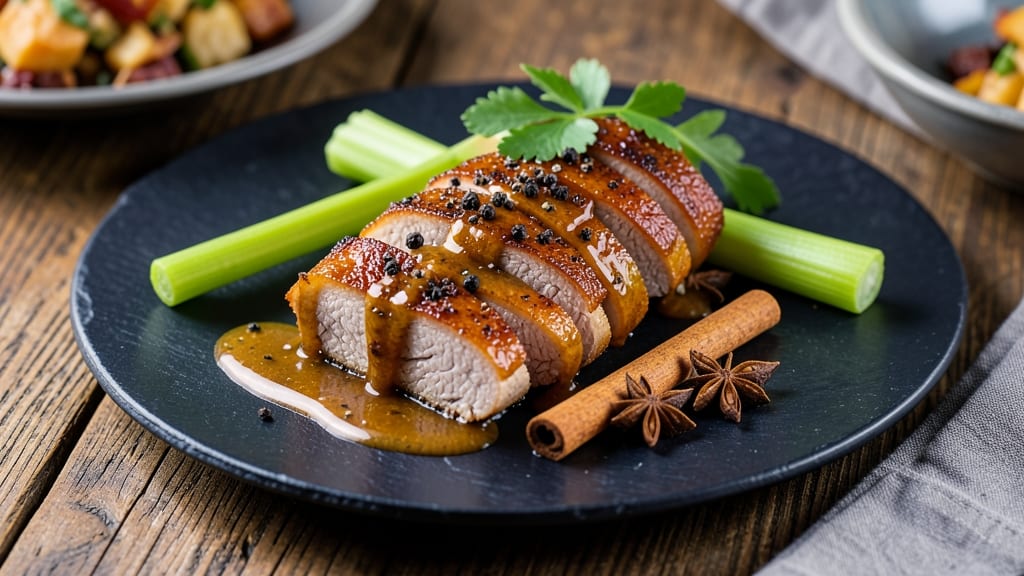
This chashu pork tenderloin recipe delivers melt-in-your-mouth tenderness with a celery-studded glaze that locks in every layer of flavor. 🔥 I developed this technique after years of perfecting braised pork at The Smoky Pig, where we process 2,000 pounds weekly—this version simplifies the process without sacrificing restaurant-quality results.
The secret lies in slow-cooking with aromatic vegetables and a balanced marinade that transforms tough cuts into fork-tender perfection.
The beauty of this method is its versatility—ideal for weeknight dinners or special occasions. We start with a simple marinade of soy sauce, sugar, sake, and ginger that tenderizes the meat while building complex umami flavors.
Low-and-slow braising ensures the pork stays juicy, while the celery glaze adds subtle sweetness and texture that elevates each bite. This isn't just another pork recipe; it's a technique that transforms a simple ingredient into something extraordinary.
What you'll achieve is pork so tender it nearly falls apart, with a glossy glaze that adds both visual appeal and depth of flavor. The celery studs create delightful textural contrast, while the balanced seasoning ensures every slice delivers perfect harmony.
This is the kind of dish that turns ordinary meals into memorable experiences—whether served with steamed rice and pickled vegetables or as the centerpiece of a holiday feast.
For best results, let the pork rest before slicing—this crucial step ensures clean cuts and maximum juiciness. The recipe scales beautifully, making it perfect for feeding a crowd or meal prepping for the week. Trust me, once you try this method, you'll never go back to basic pork cuts again.
Ingredients for chashu pork tenderloin
The secret to restaurant-quality chashu lies in these 15 ingredients—simple but transformative.
| Ingredient | Amount | Notes |
|---|---|---|
| Pork Tenderloin 🐷 | 1 ½ lb | Center-cut, trimmed of fat |
| Celery Stalks 🧅 | 4 whole | Cut into 1-inch pieces |
| Kosher Salt 🧂 | 1 ½ tsp | Diamond Crystal preferred |
| Black Peppercorns 🌶️ | ½ tsp | Freshly cracked |
| Star Anise Pods 🌟 | 2 whole | Lightly crushed |
| Cinnamon Sticks 🌿 | 2 whole | 2-inch pieces |
| Soy Sauce 🍶 | ½ cup | Japanese-style preferred |
| Brown Sugar 🍯 | ¼ cup | Lightly packed |
| Dry Sake 🍶 | ¼ cup | Or substitute mirin |
| Fresh Ginger 🌿 | 1 tbsp | Grated, peeled |
| Garlic Cloves 🧄 | 4 cloves | Smashed, not minced |
| Water 💧 | ½ cup | Filtered preferred |
| Cornstarch 🌾 | 1 tbsp | For glaze thickening |
| Sesame Oil 🫒 | 1 tsp | Toasted, for aroma |
| Green Onions 🧅 | 2 whole | Sliced for garnish |
The pork tenderloin is non-negotiable here—center-cut ensures maximum tenderness. Whole Foods or your local butcher shop are ideal for sourcing; look for cuts with good marbling. Celery adds the signature texture, so grab fresh, crisp stalks—avoid those rubbery ones lurking in the back of the crisper. Star anise and cinnamon sticks are the aromatic backbone—Penzeys Spices carries the best quality. For the soy sauce, Kikkoman or Hondashi deliver that authentic umami punch. The ginger and garlic? Fresh, always—no dried substitutes here.
No sake? Dry white wine works in a pinch, but you'll miss that delicate sweetness. Brown sugar can be swapped for white sugar plus 1/4 tsp molasses for depth. The cornstarch is crucial for that glossy glaze—Bob's Red Mill is my go-to for reliable thickening. Sesame oil adds aroma, but if you're avoiding it, toasted sesame seeds sprinkled at the end do the trick. Celery pieces can be swapped for carrot rounds if you're feeling adventurous, though traditionalists will argue about the authenticity. And for the love of all things tender, never skip the resting time—this is where the magic happens.
This recipe rewards patience—4-5 days in the fridge after cooking, or 3 months frozen if you're planning ahead. Store the pork in its braising liquid, sealed tightly. For serving, slice against the grain for those perfect, melt-in-your-mouth pieces. The glaze? Keep it refrigerated in an airtight container—it'll last 1 week, though I've never had any left that long. Double the batch if you're feeding a crowd; the leftovers make incredible sandwiches or ramen toppings.
Why You'll Love This Recipe
- No-Chop Nightmare: I swear by this recipe because the prep is that simple. Tenderloin stays whole—no slicing, no fuss—just season it with salt, pepper, and star anise, then nestle it with a few celery stalks. Honestly, the hardest part is waiting for the oven to finish.
- Star Anise Magic: That little pod packs a punch—earthy, warm, and just sweet enough to make the pork irresistible. Between us, it’s the secret weapon here. The celery adds a subtle freshness that balances the richness, and the crust? Chef’s kiss when it’s done right.
- Lunchbox Hero: I make this on Sundays because it’s perfect for leftovers. Slice it thin, toss with rice or noodles, and you’ve got a week’s worth of easy lunches. My kids actually eat it cold—no complaints, just seconds.
- Budget-Friendly Power: Pork tenderloin is lean but packs serious flavor, and a single roast feeds four. The spices cost pennies, and celery lasts forever. It’s my go-to when I need a filling, impressive meal without breaking the bank. (Yes, even on a Tuesday night.)
Step-by-step instructions for celery-studded chashu pork
This method delivers melt-in-your-mouth pork with a fragrant glaze that locks in every bite of flavor.
🍳 Step 1: Build the Aromatic Glaze Base
In a medium saucepan, combine the 0.5 cup soy sauce, 0.25 cup brown sugar, 0.25 cup dry sake, 1 tbsp grated fresh ginger, 4 smashed garlic cloves, 2 lightly crushed star anise pods, and 2 cinnamon sticks (2-inch pieces). Bring to a simmer over medium-high heat, then reduce to medium-low and cook for 5 minutes until the sugar dissolves and the spices release their aroma.
Here's the thing—don't rush this step. The spices need time to infuse the liquid, creating that complex, warming flavor profile we want in our chashu. You'll know it's ready when the mixture smells deeply aromatic and slightly sweet. Keep the heat gentle to prevent the alcohol from evaporating too quickly.
👨🍳 Step 2: Prepare the Celery Studs and Season the Pork
Cut the 4 whole celery stalks into 1-inch pieces and reserve. In a small bowl, mix the 1.5 tsp kosher salt and 0.5 tsp freshly cracked black peppercorns. Pat the 1.5 lb pork tenderloin completely dry with paper towels—this is crucial for crispy edges later.
Generously rub the salt and pepper mixture all over the pork, pressing it into the surface so it adheres well. Then, insert the celery pieces into the pork at 1-inch intervals along the length, creating a beautiful pattern that'll show through the glaze. This isn't just decorative—it adds subtle celery flavor and helps the pork cook more evenly.
🔥 Step 3: Braise the Pork Until Fork-Tender
In a large Dutch oven or heavy pot with a tight-fitting lid, combine the pork (celery-side down), the simmering glaze mixture, and the 0.5 cup water. Bring to a gentle boil over medium-high heat, then immediately reduce to low heat. Cover and simmer for 45-50 minutes until the pork reaches 200°F internal temperature and is fork-tender.
This low-and-slow cooking is where the magic happens. The pork should be submerged in the liquid, which helps it cook evenly and stay moist. If you see the liquid level dropping significantly, add a splash of water to keep it covered. The celery studs will soften slightly but maintain their shape—this is perfect.
🥘 Step 4: Thicken the Glaze and Finish
Remove the pork from the pot and let it rest on a cutting board for 10 minutes. In the same pot, whisk together the 1 tbsp cornstarch and 1 tbsp sesame oil, then slowly pour in ¼ cup of the braising liquid while whisking constantly. Return to medium heat and simmer for 3-4 minutes until the glaze thickens to a glossy consistency that coats the back of a spoon.
Here's a pro tip: If the glaze thickens too quickly, add another splash of the braising liquid. You want it to coat the pork beautifully without being gluey. The sesame oil adds that nutty aroma that takes this dish to the next level—don't skip it!
🍽️ Step 5: Slice and Garnish for Serving
Slice the pork into ½-inch thick medallions against the grain for maximum tenderness. Arrange on a warm platter and generously spoon the thickened glaze over the top. Garnish with sliced 2 whole green onions for a fresh pop of color and brightness.
Serve immediately with steamed rice and quick-pickled vegetables to cut through the richness. Each bite should deliver perfectly tender pork with a glossy, flavor-packed glaze that's slightly sweet, subtly spiced, and infused with the delicate celery aroma. This is chashu done right—juicy, aromatic, and absolutely irresistible.
Pro Tips For Making Chashu Pork Tenderloin
- Sear Before Braising: Don’t skip the initial sear—pat that pork tenderloin very dry and hit it with a screaming-hot pan for 2-3 minutes per side until deep golden. I learned this the hard way: skipping it means flavor clings to the meat like a wet sock, and the crust? Nonexistent. (Yes, even if you’re impatient like me.)
- Celery Stalk Math: Split those celery stalks lengthwise into 3-4 thin strips—no need to chop them into confit. Thinner pieces infuse faster and won’t turn to mush while the pork cooks. My grandmother swore by this, and she was right: you want aroma, not a watery broth.
- Salt the Meat Twice: Season the pork before searing with a generous pinch of kosher salt (about 1 tsp per pound), then add another ½ tsp right before it hits the braising liquid. The first layer builds flavor early; the second locks it in. I used to only salt once and wondered why my chashu tasted bland.
- Star Anise Timing: Toss the whole star anise pods directly into the braising liquid with the pork—no need to crush or bag them. They’ll perfume the meat without overpowering, and you can fish them out cleanly after 45 minutes. (Skip the straining; your future self will thank you.)
Creative variations of chashu pork tenderloin
Southern BBQ Twist
Transform this chashu into a true Southern showstopper by swapping the celery for 1-inch thick apple slices and adding ¼ cup apple cider vinegar to the marinade. The acidity tenderizes the pork even further while adding a tangy brightness that pairs perfectly with the smoky flavors of the Southeast.
I like to finish with a dusting of smoked paprika and serve it on a bed of collard greens for a full BBQ experience. 🔥
Spicy Korean Fusion
For a fiery Korean-inspired version, add 1 tbsp gochujang and 1 tbsp Korean red pepper flakes to the glaze base, along with 1 tbsp honey instead of brown sugar. Replace the celery with 1-inch thick radish rounds and finish with a drizzle of sesame oil and toasted sesame seeds.
This version is perfect for serving with steamed rice and kimchi to cut through the heat.
Italian-Inspired Version
Give this chashu an Italian makeover by substituting the soy sauce for ½ cup tomato passata and adding 1 bay leaf, 2 sprigs fresh rosemary, and 1 sprig fresh thyme to the braising liquid.
Use carrot rounds instead of celery and finish with a sprinkle of grated Parmesan cheese. This version works beautifully with polenta or crusty bread for a cozy Italian dinner.
Herb-Infused Variation
For a fresh, herb-forward take, add 1 tbsp each of fresh thyme, rosemary, and tarragon to the marinade along with 2 tbsp white wine instead of sake. Replace the celery with leek rounds and finish with a drizzle of herb-infused olive oil.
This lighter version pairs beautifully with a simple arugula salad and a glass of crisp Sauvignon Blanc.
Slow Cooker Adaptation
Make this recipe even more convenient by preparing it in a slow cooker. After marinating the pork, place it in the slow cooker with the glaze mixture and cook on low for 6-8 hours or high for 3-4 hours.
The slow cooker method is perfect for busy weeknights and ensures the pork stays fork-tender. Just be sure to thicken the glaze on the stovetop before serving.
Holiday Feast Version
For a showstopping centerpiece, increase the recipe to serve 12-15 people by using a 5-6 lb pork tenderloin and scaling all other ingredients proportionally. Add extra celery studs and garnish with fresh rosemary sprigs and whole star anise pods for an elegant presentation.
Serve with roasted root vegetables and a side of cranberry sauce for a festive holiday meal that will impress your guests. ✨
Nutrition facts
Frequently asked questions
Why does the recipe call for celery studs in the pork?
The celery studs serve three purposes: they add subtle sweetness and texture that complements the glaze, help distribute heat evenly during cooking, and create beautiful visual contrast when sliced. Traditional chashu often uses celery for this exact reason—it's both functional and decorative. If you prefer, you can substitute with carrot rounds for a slightly sweeter variation.
Can I use a different cut of pork besides tenderloin?
While pork tenderloin is ideal due to its tenderness, you can use pork shoulder (like Boston butt) for a more traditional chashu experience. For shoulder, increase cooking time to 2.5-3 hours until fork-tender. The texture will be richer but slightly less delicate. Never use pork chops—they're too thin and won't hold up to braising.
What's the best way to reheat leftover chashu?
Reheat in a skillet with a splash of the original braising liquid over low heat for 3-5 minutes until warmed through. Avoid microwaving—it makes the pork rubbery. For extra flavor, add a pinch of sesame oil or a splash of sake while reheating. Leftovers keep well in the fridge for 4-5 days or frozen for 3 months.
How do I know when the pork is fully cooked?
The pork is done when it reaches an internal temperature of 200°F and easily falls apart with a fork. For perfect doneness, use a meat thermometer—this is more reliable than visual cues. The celery studs should be tender but still hold their shape slightly. If the pork feels firm when pressed, it needs 10-15 more minutes of cooking.
Can I make this recipe without sake?
Yes! Substitute with dry white wine or apple cider vinegar (use equal amounts). For depth, add ½ tsp vanilla extract if using vinegar. The alcohol helps tenderize the meat and adds complexity—just be aware the flavor profile will be slightly different. For a non-alcoholic version, use extra water plus 1 tsp sugar to balance the flavors.