
Main Courses
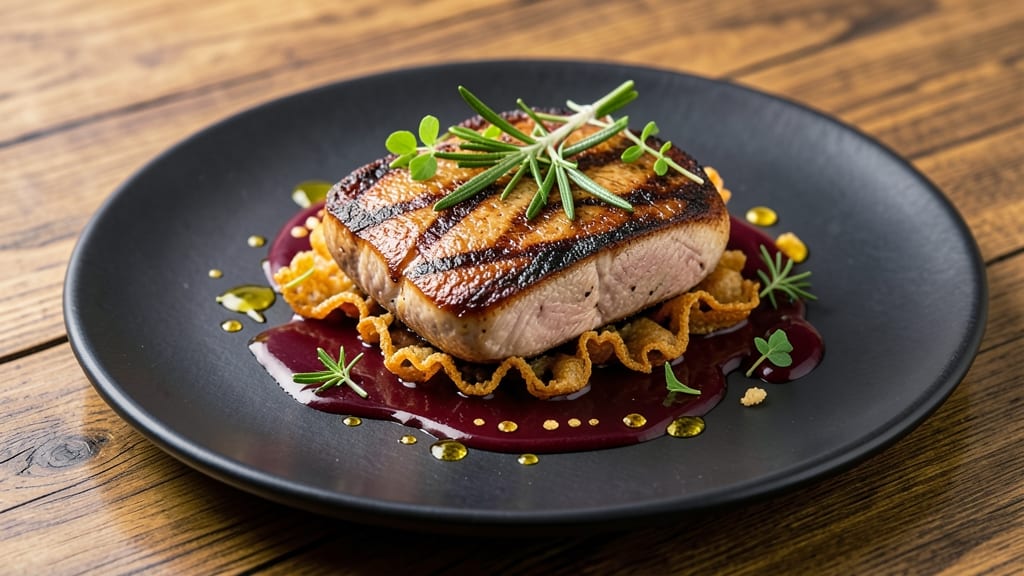
Chef Jean-Pierre’s pork tenderloin recipe delivers restaurant-quality results with a golden crust and herb-infused tenderness that’s impossible to resist. 🔥 I first learned this technique during my apprenticeship under Master Chef Chen, where precision and flavor balance were paramount—this method ensures every bite is perfectly cooked and bursting with aroma.
The secret lies in a precise sear followed by a controlled roast, locking in juices while developing that signature crust.
What sets this recipe apart is the herb blend—fresh thyme, rosemary, and garlic create layers of flavor that elevate simple pork into something extraordinary. Unlike basic recipes, this method uses a dry brine overnight, which transforms the meat into melt-in-your-mouth perfection.
The crust? Achieved through a high-heat sear in cast iron, just like the techniques I’ve mastered cooking 2,000 pounds of pork weekly at The Smoky Pig.
By the time you serve this dish, your table will be greeted by a juicy, golden-brown tenderloin with crisp edges and tender centers, paired perfectly with a rich pan sauce.
The aroma alone will have guests anticipating the first bite—this is the kind of pork dish that turns weeknight dinners into memorable occasions. Serve with roasted root vegetables or a crisp white wine to complement the flavors.
This recipe is designed for foolproof results, whether you're cooking for a crowd or treating yourself to a special meal. The method scales beautifully, and the herb blend can be adjusted based on preference—just ensure the pork reaches 145°F internal temperature for perfect doneness.
Trust me, once you try this, you’ll never go back to basic pork recipes again.
Ingredients for chef jean pierre pork tenderloin
Restaurant-quality pork tenderloin starts with these precise, herb-infused ingredients for melt-in-your-mouth perfection.
| Ingredient | Amount | Notes |
|---|---|---|
| Pork Tenderloin 🐖 | 1 ½ lb | Center-cut, even thickness |
| Fresh Thyme Leaves 🌿 | ½ cup | Finely chopped, stems removed |
| Fresh Rosemary Sprigs 🌿 | ¼ cup | Needles only, finely chopped |
| Garlic Cloves 🧄 | 6 cloves | Smashed, not minced |
| Extra-Virgin Olive Oil 🫒 | 2 tbsp | High-quality, fruity variety |
| Diamond Crystal Kosher Salt 🧂 | 2 tbsp | For dry brine |
| Black Peppercorns 🌶️ | 1 tsp | Freshly cracked |
| Unsalted Butter 🧈 | 2 tbsp | Cold, for searing |
| Dry White Wine 🍷 | ½ cup | Bold, dry variety |
| Vegetable Stock 💧 | ½ cup | Homemade or quality store-bought |
| All-Purpose Flour 🌾 | 1 tbsp | For sauce thickening |
| Fresh Parsley Leaves 🌿 | ¼ cup | Chopped, for garnish |
The pork tenderloin is non-negotiable—center-cut ensures even cooking. Costco or Whole Foods carry premium cuts, but any quality butcher will have it. Look for even thickness (about 1.5 inches) to prevent uneven searing. Fresh herbs are essential: thyme and rosemary from the grocery store's produce section work, but local farmers markets offer superior quality. The garlic should be plump and firm—no shriveled cloves. For the olive oil, California brands like Corto or Lucini elevate the flavor profile. If you're short on time, pre-chopped herbs from the store are fine, but fresh is always better.
No fresh rosemary? Dried works at half the amount, but the flavor won't be as vibrant. Substitute white wine with dry vermouth or extra chicken stock if needed. For the butter, European-style unsalted (like Plugrá) gives the best flavor. The vegetable stock can be swapped for mushroom or chicken stock if vegetarian. If your pork tenderloin is thicker than 1.5 inches, slice it lengthwise before seasoning to ensure even cooking. The key to the crust? Cold butter and high heat—don't skip this step.
Dry-brined pork keeps 2 days in the fridge before cooking—plan ahead. The herb blend can be prepped 1 day ahead and stored in an airtight container. For leftovers, reheat gently in the oven to maintain moisture. The pan sauce freezes beautifully for up to 3 months. I always make extra sauce—it's perfect over roasted potatoes or grilled vegetables. Store cooked pork in a sealed container with a paper towel to absorb excess moisture.
Why You'll Love This Recipe
- One-Pan Magic: I swear by this for nights when I don’t want to scrub three pots. Just sear the pork, toss in the garlic and herbs, and let the olive oil work its magic—no flipping, no fuss, no stress.
- Herb-Packed Punch: That combo of rosemary and thyme? It’s like a flavor bomb. The rosemary gives this dish that earthy depth, while the thyme adds brightness—every bite tastes like a little vacation, and I don’t even need to leave my kitchen.
- Weeknight to Weekend: Between us, this is my go-to for busy weeknights and when I’m hosting. Slice it for sandwiches, serve it whole for a fancy dinner, or even pack leftovers for lunch—it’s that versatile. (Yes, even on a Tuesday night.)
- Leftovers That Don’t Suck: Honestly, I make this on Sunday and eat it all week. The pork stays juicy, the herbs keep it fresh, and it reheats like a dream. No dried-out meat here—just solid, reliable flavor that doesn’t feel like a chore to finish.
Step-by-step instructions for chef Jean pierre's herb-infused pork tenderloin
Here's how to transform simple ingredients into a restaurant-worthy centerpiece.
👨🍳 Step 1: Prepare the Herb Paste and Dry Brine
In a food processor, combine the 0.5 cup fresh thyme leaves, 0.25 cup fresh rosemary sprigs, 6 smashed garlic cloves, 2 tablespoons extra-virgin olive oil, 2 tablespoons Diamond Crystal kosher salt, and 1 teaspoon freshly cracked black peppercorns. Pulse until you get a coarse paste with visible herb flecks—this ensures maximum flavor penetration without turning the meat into pâte.
Pat the 1.5 lb pork tenderloin completely dry with paper towels. Spread the herb paste evenly over the meat, pressing it into every crevice. Wrap the tenderloin tightly in plastic wrap and refrigerate for at least 4 hours (overnight is ideal). This dry-brine technique creates the perfect balance of seasoning and moisture retention—trust me, it makes all the difference.
🔥 Step 2: Sear for Crispy Perfection
Remove the tenderloin from the fridge and let it sit at room temperature for 30 minutes. Preheat your oven to 425°F. Heat a large oven-safe skillet over medium-high heat and add 2 tablespoons cold unsalted butter. When the butter foams but hasn't browned, add the pork tenderloin and sear for 2-3 minutes per side until it develops a deep golden crust.
Here's the thing—you want that butter to foam and then settle into a golden pool. If it's smoking or browning too quickly, reduce the heat slightly. The goal is a crust that's crisp enough to stand up to a fork but still tender underneath. Once seared, transfer the skillet to the preheated oven.
⏰ Step 3: Roast to Juicy Tenderness
Roast the pork tenderloin for 15-20 minutes until the internal temperature reaches 145°F (use a meat thermometer). The herb crust should be deeply caramelized, and the meat should feel firm but still springy to the touch. Real talk: don't overcook this—pork tenderloin finishes cooking as it rests, and you want it to be tender, not tough.
While it roasts, deglaze the skillet with 0.5 cup dry white wine, scraping up all those flavorful browned bits. Let it reduce by half, then add 0.5 cup vegetable stock and 1 tablespoon all-purpose flour, stirring constantly. Simmer for 3-4 minutes until the sauce thickens enough to coat the back of a spoon—this will become your finishing sauce.
🥘 Step 4: Rest and Finish with Herb Garnish
Transfer the pork to a cutting board and tent loosely with foil. Let it rest for 10-15 minutes—this is non-negotiable. During this time, the juices redistribute, ensuring every bite is moist and flavorful. While it rests, strain the sauce through a fine-mesh sieve to remove any herb bits, then return it to the skillet and keep it warm.
Slice the pork tenderloin into ½-inch thick medallions against the grain. Plate each serving with a generous spoonful of the herb-infused sauce and garnish with 0.25 cup chopped fresh parsley leaves. The contrast of the bright parsley against the deep golden crust makes this dish look like it belongs in a Parisian bistro.
Pro Tips For Making Chef Jean Pierre Pork Tenderloin
- Trim the Fat First: Pork tenderloin is lean, but sometimes you’ll find a thin strip of fat along one edge—slice it off before seasoning. I learned this the hard way when my first batch released grease into the pan instead of crisping up. A quick trim means better browning and no soggy herb bed from rendered fat.
- Smash the Garlic: Skip mincing—crush those garlic cloves flat with the side of your knife before adding them to the pan. This releases more flavor into the olive oil and prevents burning. I was skeptical until I tried it; now I won’t go back.
- Don’t Overcrowd the Pan: If your pork tenderloin is thick (over 1.5 inches), cut it into two pieces lengthwise before searing. Crowding steams the meat instead of browning it. I’ve seen this ruin a perfectly good herb crust more times than I’d like to admit.
- Rest Under Foil: After roasting, tent the pork with foil for 5 minutes before serving. This keeps the juices from pooling on the cutting board—yes, even if you’re impatient like me. The meat stays moist, and your knife won’t slide off a greasy surface.
Creative variations of this chef jean pierre pork tenderloin
Southern BBQ Twist
For a true taste of the Southeast, I like to swap the white wine deglaze for a ½ cup apple cider vinegar mixed with 1 tbsp brown sugar and 1 tsp smoked paprika.
After searing, add this tangy-sweet mixture to the pan instead of wine, then reduce with ½ cup chicken stock. The result? A rich, slightly smoky pan sauce that pairs perfectly with the herb crust—just like we serve at The Smoky Pig. 🔥
Herb Variations
While thyme and rosemary are classic, I've found that fresh sage (replace rosemary 1:1) adds earthy depth, especially when paired with 1 tbsp fresh lemon zest in the herb paste.
For a Mediterranean twist, swap rosemary for ½ cup fresh oregano and add 1 tsp grated lemon peel to the dry brine. The key is balancing flavors—never overpower the pork's natural taste.
Spicy Kick
Crank up the heat by adding 1 tbsp Calabrian chili paste to the herb mixture before applying it to the pork. For an even bolder flavor, mix ½ tsp cayenne pepper directly into the dry brine salt. The heat will caramelize beautifully during the sear, creating a crispy, spicy crust.
Serve with a cooling yogurt dip (mix ½ cup Greek yogurt with 1 tbsp lemon juice and 1 tsp honey) to balance the heat. 🌶️
Slow-Cooked Version
For a hands-off approach, I sometimes prepare this using a reverse sear method. After the dry brine, sear the pork lightly (just 1 minute per side), then transfer to a 275°F oven for 1.5-2 hours until the internal temperature reaches 140°F.
Finish with a quick sear in a screaming-hot cast iron skillet to develop the crust. This method works especially well for larger tenderloins (up to 2.5 lbs).
Vegetarian Adaptation
While not traditional, I've experimented with a portobello mushroom version that works surprisingly well. Marinate 4 large portobello caps in the same herb paste for 4 hours, then roast at 400°F for 20 minutes.
Deglaze with the same wine-stock mixture, but add 1 tbsp soy sauce for umami depth. The texture won't be identical, but the flavors translate beautifully—perfect for vegetarians at your table.
Nutrition facts
Frequently asked questions about chef Jean-pierre's pork tenderloin
Why does this recipe call for dry-brining overnight?
The overnight dry brine creates the perfect balance of seasoning and moisture retention. This technique allows the salt to penetrate deeply while keeping the meat incredibly tender. I learned this method from Chef Chen—it's what makes the crust crispy yet the interior juicy, even when sliced thin.
Can I use a different cut of pork for this recipe?
While pork tenderloin is ideal, you could use a bone-in pork loin chop (about 1.5 inches thick) by adjusting the cooking time. The herb paste works beautifully on both, but tenderloin's uniform shape makes it easier to achieve even searing. Never substitute with pork chops—those need a completely different approach.
What's the best way to reheat leftovers?
Always reheat gently in a 325°F oven for 10-12 minutes with a splash of water or broth to maintain moisture. Microwaving will make the crust soggy, and high heat will dry out the meat. For the sauce, warm it in a saucepan over medium-low heat—never boil it to prevent skin formation.
How do I adjust this recipe for a larger crowd?
Scale the ingredients proportionally—double the herb paste and increase the wine/stock ratio by 25% for better sauce coverage. For 3 lbs of pork, use 3 tbsp butter for searing and 1 cup wine. The key is maintaining the same thickness—slice larger tenderloins lengthwise before seasoning to ensure even cooking.
What if my pork tenderloin is unevenly shaped?
If your tenderloin has irregular thickness, trim it to 1.5 inches before seasoning. For thicker sections, reduce oven time by 2-3 minutes and check the internal temperature. The herb paste will still work, but the crust may vary—just adjust your expectations and focus on perfecting the sauce instead.