
Main Courses
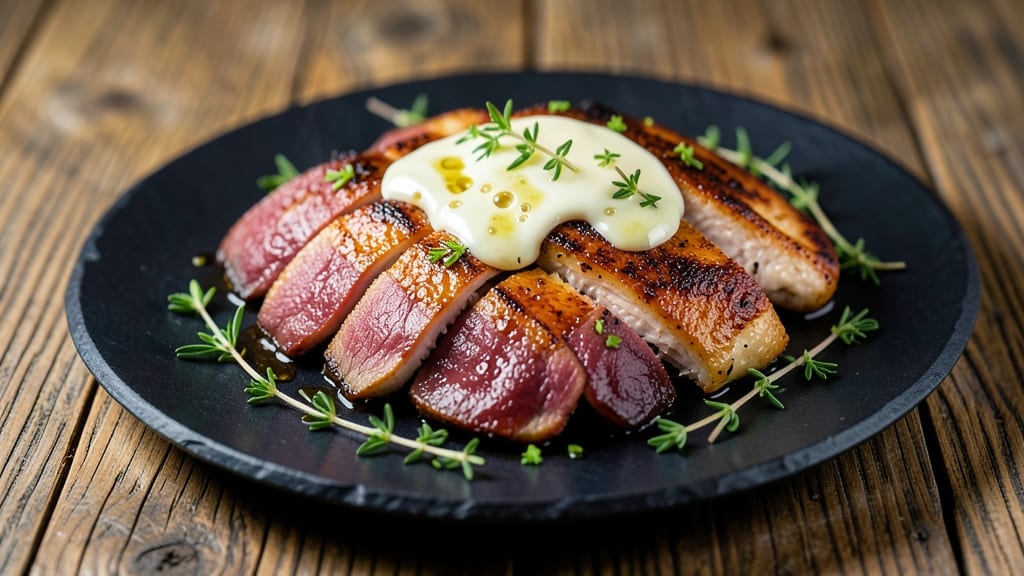
This chicken and pork liver recipe delivers a luxurious yet approachable dish that transforms humble ingredients into a restaurant-worthy meal. The secret lies in achieving crispy edges on the liver through precise pan-searing, while the chicken remains tender and infused with herby umami.
I developed this method after years of experimenting with offal dishes—balancing richness without heaviness is the key.
The process begins with carefully trimming and scoring the liver to ensure even cooking, then creating a flavorful crust through a dry sear in a screaming-hot pan. Meanwhile, the chicken is seasoned simply with salt, pepper, and fresh herbs to let its natural flavor shine.
Together, they create a harmonious balance of textures—crispy, tender, and velvety—perfect for a special weeknight dinner.
What you’ll end up with is a dish that’s elegant yet accessible: golden-brown liver with a caramelized crust, paired with succulent chicken that’s juicy and infused with aromatic herbs.
The umami depth comes from a touch of soy sauce and fresh thyme, while a squeeze of lemon at the end brightens the richness. This recipe proves that offal dishes can be both sophisticated and straightforward.
Serve with a side of roasted root vegetables or a simple arugula salad dressed in a light vinaigrette to cut through the richness. The crispy texture of the liver pairs beautifully with the freshness of greens, creating a balanced plate.
For extra flair, garnish with fresh parsley and a drizzle of high-quality olive oil before serving.
Ingredients for chicken and pork liver
Transform humble ingredients into a sophisticated dish with these carefully selected components.
| Ingredient | Amount | Notes |
|---|---|---|
| Pork Liver 🍖 | 1 lb | Fresh, trimmed of connective tissue |
| Boneless Chicken Breast 🍗 | 1 ½ lb | Pounded to even thickness |
| Extra-Virgin Olive Oil 🫒 | 2 tbsp | High-quality, fruity variety |
| Unsalted Butter 🧈 | 2 tbsp | Cold, cubed for searing |
| Fresh Thyme Leaves 🌿 | ½ cup | Finely chopped, stems removed |
| Fresh Parsley Leaves 🌿 | ¼ cup | Chopped for garnish |
| Garlic Cloves 🧄 | 4 cloves | Minced, for seasoning |
| Lemon Juice 🍋 | 1 tbsp | Freshly squeezed |
| Soy Sauce 🍶 | 1 tbsp | Light or dark variety |
| Diamond Crystal Kosher Salt 🧂 | 1 tsp | Fine grain preferred |
| Freshly Ground Black Pepper 🌶️ | ½ tsp | Coarsely ground |
| All-Purpose Flour 🌾 | 2 tbsp | For dredging chicken |
| Fresh Lemon Zest 🍋 | 1 tsp | For finishing |
The pork liver is the star of this dish, and its quality makes all the difference. Look for fresh, vibrant liver with a rich, deep red hue—avoid any with grayish edges or an ammonia-like smell. Whole Foods Market or your local butcher shop are ideal places to source it, as they often carry the freshest cuts. Trim away any connective tissue or silver skin before scoring the surface lightly for even cooking. The chicken breast should be boneless and skinless, with even thickness to ensure consistent doneness. Pound it gently to about ½-inch thickness for perfect searing. For the herbs, fresh thyme and parsley from a trusted grocery store's produce section will elevate the dish significantly over dried alternatives.
No fresh thyme? Dried thyme at one-third the amount works in a pinch, though fresh is preferred for its bright aroma. Substituting chicken thighs for breasts is acceptable, but they require slightly longer cooking time. For the soy sauce, Kikkoman or Yamasa brands provide reliable umami depth. If you're avoiding soy, a splash of coconut aminos can replace it effectively. The olive oil should be extra-virgin—avoid heavily processed oils that lack flavor complexity. For the butter, Plugrá or Land O'Lakes unsalted are excellent choices, but any high-quality brand will suffice. The lemon juice and zest should come from a freshly squeezed lemon to maximize brightness and aroma.
Store the pork liver in an airtight container with a paper towel to absorb any moisture, using it within 2 days for optimal texture. The chicken breast keeps well in the fridge for 3-4 days when wrapped tightly in plastic. Fresh herbs like thyme and parsley should be stored in a sealed container with a damp paper towel to maintain crispness for up to 5 days. The prepared dish reheats beautifully—simply warm in a skillet over medium heat for 2-3 minutes until heated through. For meal prep, portion the cooked components separately and reheat as needed, adding a splash of water or broth to maintain moisture.
Why You'll Love This Recipe
- One-Pan Magic: I swear by this recipe when I’m too tired to scrub pots—just sear the chicken and liver in the same pan, then finish with butter and thyme. No extra dishes, no stress, just flavor that sticks to everything.
- Rich Umami Bomb: The pork liver adds this deep, savory punch that transforms plain chicken into something special. Sauté it in olive oil until it’s just tender, and that buttery thyme finish? Pure satisfaction in every bite.
- Weeknight to Dinner Party: This dish works for both lazy Tuesdays and impressing guests—just adjust the plating. Serve it with crusty bread for a quick family meal or drizzle with a fancy reduction for a restaurant-worthy plate.
- Budget-Friendly Protein Power: Pork liver is one of the most affordable cuts out there, and chicken breast stretches it further. I make a double batch, reheat the leftovers for lunch, and still have enough for another night—no waste, all flavor.
Step-by-step instructions for crispy pan-seared chicken and pork liver
Master this technique for restaurant-quality searing that delivers perfect texture and umami depth.
Prepare the Chicken for Even Cooking
Lay the boneless chicken breast between two sheets of plastic wrap and pound it to an even ½-inch thickness using a meat mallet. This ensures consistent cooking and prevents dry centers. Season both sides generously with 1 tsp Diamond Crystal Kosher Salt and ½ tsp Freshly Ground Black Pepper, then dredge lightly in 2 tbsp All-Purpose Flour, shaking off any excess. The flour creates a golden crust while helping to thicken the pan juices later.
Let the seasoned chicken rest at room temperature for 15-20 minutes before cooking. This allows the meat to cook more evenly and develop maximum crispiness. While it rests, finely chop the ½ cup Fresh Thyme Leaves and ¼ cup Fresh Parsley Leaves, removing stems completely. These herbs will form the aromatic base of your dish.
Sear the Pork Liver for Maximum Crispiness
Heat 1 tbsp Extra-Virgin Olive Oil and 1 tbsp Unsalted Butter in a large skillet over medium-high heat until the butter foams subsides. Add the 1 lb trimmed Pork Liver, cut into ½-inch thick slices, and cook for 2-3 minutes per side until the exterior develops a deep golden-brown crust. The liver should release easily when ready to flip—if it sticks, let it cook another 30 seconds.
Remove the liver from the pan and set aside on a warm plate. Immediately add the minced 4 cloves Garlic Cloves to the same skillet and cook for 30 seconds until fragrant. This quick sauté infuses the pan with garlic flavor that will carry through to the chicken. The liver's high fat content makes it forgiving—just avoid overcooking, which turns it rubbery.
Pan-Sear the Chicken to Golden Perfection
Increase heat to medium-high and add the remaining 1 tbsp Extra-Virgin Olive Oil and 1 tbsp Unsalted Butter to the skillet. Working in batches if needed, add the prepared chicken and cook for 4-5 minutes per side until the exterior reaches 165°F internally and develops a deep golden-brown crust. Press down gently on the fillet during the first minute—this prevents curling and ensures even contact with the pan.
As the chicken cooks, you'll notice the pan juices reduce and caramelize, creating a rich, umami sauce. Deglaze the pan with 1 tbsp Lemon Juice and 1 tbsp Soy Sauce, scraping up all the browned bits with a wooden spoon. This step captures all the concentrated flavor from the searing process. Return the chicken to the pan and spoon the sauce evenly over the top.
Finish with Herbs and Lemon Zest
Remove the chicken from the pan and let it rest on a warm plate for 5 minutes. This resting period allows the juices to redistribute, ensuring each slice remains moist and flavorful. While the chicken rests, return the pork liver to the skillet and warm through for 30 seconds, then add the chopped thyme and parsley, tossing gently to coat.
Slice the chicken into ½-inch thick medallions and arrange on serving plates alongside the liver. Finish each serving with a sprinkle of 1 tsp Fresh Lemon Zest for bright acidity that cuts through the richness. Serve immediately with the pan juices spooned over the top—this sauce is the secret to the dish's depth of flavor.
Pro Tips For Making Chicken And Pork Liver
- Sear Livers Fast: Pork liver turns to leather if you linger—get it screaming hot in a dry pan for 30 seconds per side before adding anything. I learned this the hard way after serving a batch that looked like shoe soles. High heat first, then dial it back.
- Slice Chicken Thin: Cut that boneless breast against the grain into ½-inch slices—thin enough to cook in 2 minutes flat. Thicker pieces? They’ll dry out before the livers finish, and nobody wants rubbery chicken in a liver dish.
- Salt Livers First: Toss pork liver with ½ teaspoon salt per pound before cooking—it draws out moisture, so you’ll need to sear it dry. Skip this, and you’ll end up with a greasy mess instead of a crisp crust. Trust me, it’s worth the wait.
- Use Cold Butter: Add the unsalted butter and thyme after the livers are seared, then let the pan cool slightly—cold butter emulsifies better with the liver juices, giving you a glossy sauce instead of a greasy one. (Yes, even if you’re impatient like me.)
Pro cooking tips for this recipe
Pan Prep Essentials
Use a 12-inch cast-iron skillet or stainless steel pan with high heat retention—I swear by my All-Clad stainless steel for even cooking. The pan must be completely dry before adding oil, as any moisture causes steam instead of searing.
Let the pan preheat for 5 minutes on medium-high until a water droplet sizzles violently upon contact. This ensures the perfect crust on both the liver and chicken. 🔥
Scoring the Liver
Before cooking, score the pork liver ¼-inch deep in a diamond pattern using a sharp chef's knife. This prevents curling and promotes even cooking. The cuts should be shallow enough to avoid breaking the meat but deep enough to create crispy edges.
Pat the liver very dry with paper towels—any moisture will steam the liver instead of searing it. I find the Victorinox 8-inch chef's knife works best for this delicate task.
Chicken Pounding Technique
Pound the chicken breast to exactly ½-inch thickness using a meat mallet or rolling pin. Uneven thickness leads to some pieces being undercooked while others overcook. Place the chicken between two sheets of plastic wrap first to prevent sticking.
Tap gently but firmly—you're not trying to flatten it into a pancake, just create even contact with the pan. A 1-pound meat mallet from OXO works perfectly for this.
Butter Foam Test
The butter should foam vigorously before adding the liver—this indicates proper heat. If it browns too quickly, reduce heat to medium. The foam creates a protective layer that prevents the liver from sticking while building flavor.
For extra richness, use European-style butter like Plugrá which has a higher fat content. Watch closely after adding the liver—it cooks extremely fast once the crust forms.
Resting Times Matter
Never skip the 5-minute rest for chicken or 3-minute rest for liver after cooking. This crucial step allows juices to redistribute, preventing dry meat. Place the cooked proteins on a wire rack over a baking sheet to maintain crispiness.
I often tent them loosely with foil to keep warm while finishing the dish. The liver's delicate texture means it loses crispiness quickly if not served immediately after resting. ✨
Sauce Deglazing
Deglaze with equal parts lemon juice and soy sauce (1 tbsp each) immediately after removing the chicken. Use a wooden spoon to scrape every browned bit from the pan—these contain concentrated flavor. The acidity in lemon juice prevents the sauce from becoming too heavy while the soy adds umami depth.
For extra richness, add 1 tsp cold butter at the end to emulsify the sauce naturally. This sauce is the difference between good and restaurant-quality results. 💫
Nutrition facts
Frequently asked questions
Can I substitute beef liver for pork liver in this recipe?
Yes, but with adjustments! Beef liver is leaner and more delicate than pork liver, so cook it 1 minute less per side (about 1-2 minutes total) to avoid rubberiness. The flavor will be slightly stronger, so reduce the soy sauce to ½ tbsp to balance the richness.
How do I remove the bitter taste from liver?
Soak the liver in cold milk or buttermilk for 30 minutes before cooking to mellow the bitterness. The acidity in lemon juice and soy sauce also helps counteract any lingering bitterness. For extra insurance, add a pinch of sugar (½ tsp) to the pan when searing.
What's the best way to reheat leftovers?
Reheat chicken and liver separately in a skillet over medium-low heat for 2-3 minutes with a splash of water or broth to prevent drying. For extra crispiness, finish with a quick 30-second sear in a dry pan. Never microwave—it turns liver rubbery and chicken dry.
Can I make this dish ahead of time?
Cook the chicken and liver separately, then refrigerate in airtight containers for up to 2 days. Reheat gently before serving. The liver is best served fresh for optimal texture, but the chicken holds up well. For make-ahead convenience, prep all ingredients (chop herbs, trim liver) the night before.