
Sauces & Condiments
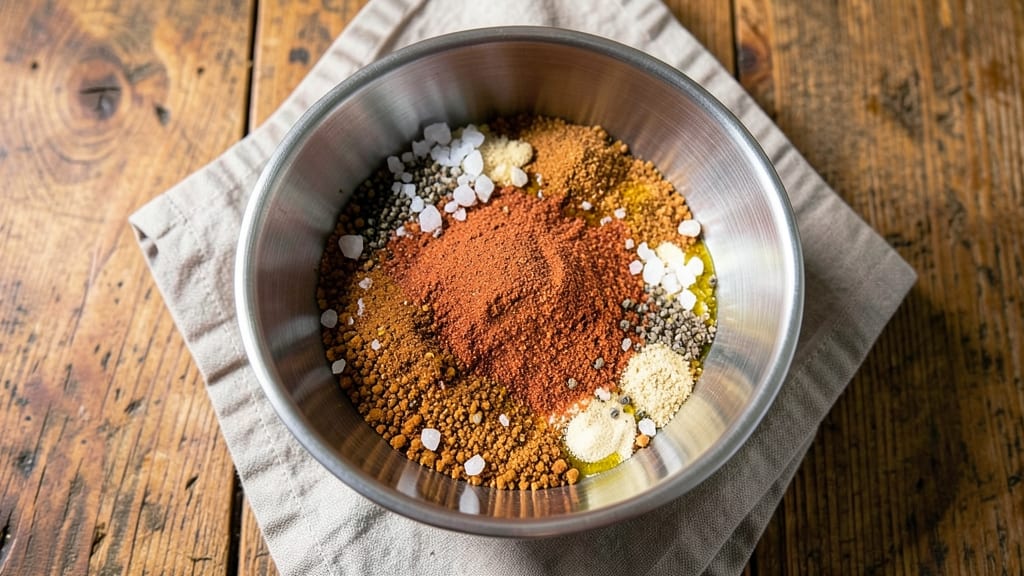
This chicken and pork rub recipe transforms simple proteins into smoky-sweet masterpieces—perfect for grilling, roasting, or slow-cooking. I developed this blend while competing in BBQ championships, where the right rub makes all the difference between good and unforgettable.
The balance of sweet, smoky, and savory notes works equally well on pork shoulders, chicken thighs, or even ribs.
The secret lies in the precise ratios: brown sugar for caramelization, smoked paprika for depth, and a touch of cayenne for heat. I use coarse kosher salt to ensure it clings to the meat, creating that signature bark.
This dry rub keeps well in an airtight container for up to three months, so you can always have it ready when inspiration—or hunger—strikes.
What makes this rub truly versatile is its adaptability. Apply it generously before cooking for a bold crust, or use it as a finishing touch for extra flavor without overpowering. The smoky-sweet profile pairs beautifully with tangy BBQ sauces or a simple sprinkle of fresh herbs at the end.
Whether you're smoking a whole hog or grilling chicken for a summer barbecue, this rub elevates every bite. The key is patience—let the flavors meld during cooking, and you'll have restaurant-quality results that taste like they came from a pitmaster's hands.
Ingredients for chicken and pork rub
Nine spices blend into a smoky-sweet masterpiece for grilling and roasting.
| Ingredient | Amount | Notes |
|---|---|---|
| Light Brown Sugar 🍚 | ½ cup | Packed, for caramelization |
| Smoked Paprika 🌶️ | 3 tbsp | High-quality for smoky depth |
| Coarse Kosher Salt 🧂 | 2 tbsp | Diamond Crystal preferred |
| Ground Black Pepper 🌶️ | 1 tbsp | Freshly ground for best flavor |
| Granulated Garlic Powder 🧄 | 1 ½ tbsp | Not garlic salt |
| Onion Powder 🧅 | 1 tbsp | Freshly ground preferred |
| Ground Cumin 🌿 | 1 tbsp | Toasted for deeper flavor |
| Cayenne Pepper 🔥 | ½ tsp | Adjust for heat preference |
| Ground Mustard 🌿 | ½ tsp | For subtle tang |
| Black Liquorice Powder 🍃 | ¼ tsp | Optional, for BBQ depth |
The brown sugar is non-negotiable—it caramelizes beautifully during cooking for that signature bark. Penzeys or bulk bins are great for quality spices, but even the grocery store stuff works if it's fresh. Look for smoked paprika with a deep, rich color—none of that sad, dull powder. The kosher salt should be coarse; Diamond Crystal clings best to meat. Toast your cumin seeds in a dry pan for 30 seconds before grinding if you want to take it to the next level. That little effort adds serious depth. For the black liquorice powder, Trader Joe's carries it in their spice aisle—it's worth hunting down for that authentic BBQ touch.
No smoked paprika? Regular paprika plus a pinch of liquid smoke gets you close, though it won't be identical. Short on brown sugar? White sugar plus a splash of molasses mimics the caramelization. The mustard is optional but adds a subtle tang that balances the sweetness. If you're sensitive to heat, cut the cayenne to one-quarter teaspoon or swap it entirely for red pepper flakes. For a sweeter profile, add an extra half tablespoon of sugar. This blend is versatile enough to handle substitutions, but keep the salt and sugar ratios close to maintain that perfect bark.
Store in an airtight container away from light—it lasts for up to 3 months. I keep mine in a amber glass jar in my pantry for easy access. Double the batch if you're doing a big cookout; it disappears fast. The rub keeps its potency longer if you store it in the freezer, though it's not necessary. A little goes a long way, so don't be shy with application—generous coverage means maximum flavor. Perfect for prepping ahead when you're hosting a crowd.
Why You'll Love This Recipe
- Five-Ingredient Magic: That’s it—just five pantry staples, no fancy prep. Toss the meat in a bowl, sprinkle the mix, and let the smoky-sweet caramelization do the work while you sip your coffee.
- Sweet-Smoky Crave: The brown sugar and paprika team up for a crust that’s sticky, spicy, and just a little addictive. Honestly, I’ve caught myself stealing bites straight from the pan.
- Tailgate or Tuesday: Slap this on chicken thighs for game day or pork chops for a fancy-ish weeknight. The same rub works for both—no last-minute panic, just guaranteed flavor.
- Leftovers That Win: Cook once, eat twice (or three times). The flavors deepen overnight, and reheating? Just a quick sizzle in the skillet—no sad, dry meat here.
Step-by-step instructions for creating your smoky-sweet rub
This blend delivers bold flavor with perfect balance—just mix and apply.
Combine Dry Ingredients in a Mixing Bowl
Place a medium mixing bowl on your countertop. I like to use a stainless steel bowl for better heat distribution when blending later. Add the 0.5 cup packed light brown sugar first—this will help bind the spices together and create that beautiful caramelized crust on your meat.
Next, add the 3 tablespoons smoked paprika and 2 tablespoons coarse kosher salt to the bowl. The smoked paprika provides that deep, smoky foundation while the kosher salt enhances all flavors. Use your fingers to gently break up any clumps in the paprika—this ensures even distribution throughout the rub.
Incorporate Warm Spices and Aromatics
Add the 1.5 tablespoons granulated garlic powder, 1 tablespoon onion powder, and 1 tablespoon ground cumin to the bowl. I always recommend using freshly ground spices when possible—they release more aromatic oils that will penetrate your meat beautifully. Give everything a quick stir with a wooden spoon to distribute these warm, earthy spices evenly.
Now add the 1 tablespoon ground black pepper, 0.5 teaspoon cayenne pepper, and 0.5 teaspoon ground mustard. The black pepper adds a nice bite, the cayenne brings just enough heat to wake up your taste buds, and the mustard contributes a subtle tang that rounds out the sweetness. Be careful when measuring the cayenne—it's potent stuff!
Add the Finishing Touch and Blend Thoroughly
Finally, add the 0.25 teaspoon black liquorice powder. This is the secret ingredient that gives the rub its signature depth and complexity—it's what makes this blend stand out from basic BBQ rubs. If you're sensitive to licorice flavors, you can reduce this to 0.125 teaspoon or omit it entirely without sacrificing too much character.
Use your hands to thoroughly mix all the ingredients. I like to press the spices between my fingers to break up any remaining clumps and ensure everything is evenly distributed. The mixture should look like a coarse, dry powder with no visible streaks of individual spices. This thorough blending is crucial—uneven distribution will lead to uneven flavor on your meat.
Store Properly for Maximum Freshness
Transfer the finished rub to an airtight container with a fine-mesh sieve or spice dispenser. I use a small glass jar with a tight-sealing lid—glass preserves flavors better than plastic over time. Store it in a cool, dark place like your pantry, where it will keep for up to 3 months while maintaining its full flavor profile.
For best results, I recommend using this rub within 2 months of making it. The spices will still be potent after that, but the light brown sugar may start to lose some of its caramelization potential. When you're ready to use it, simply apply a generous layer to your chicken or pork before grilling or roasting—about 1 tablespoon per pound of meat works perfectly for that flavorful crust we all love.
Pro Tips For Making Chicken And Pork Rub
- Mix the Rub Dry: Light brown sugar clumps like it’s holding a grudge. Pulse it in your food processor with the smoked paprika and garlic powder first—just until it breaks down. Then add the salt and pepper by hand. This keeps the sugar from turning your rub into a sticky mess that won’t stick to the meat.
- Coat the Meat Twice: Pat the chicken or pork completely dry first—wet rub doesn’t adhere. Apply the rub generously, then flip and repeat. I used to skimp, and half the flavor ended up on the tray. Double-coating guarantees that crust you’re craving.
- Let It Rest Before Cooking: Give the rubbed meat 15–20 minutes to sit uncovered in the fridge. The salt and sugar draw out moisture, which evaporates and helps the spices cling. I learned this the hard way—skipping it means a soggy rub and uneven flavor.
- Use a Wire Rack for Even Heat: If you’re roasting or grilling, place the meat on a wire rack over a baking sheet. The air circulates, so the rub caramelizes instead of steaming. No rack? Crumple foil into a makeshift rack—it’s not perfect, but it works.
Best sauces and condiments for this chicken and pork rub
Classic BBQ Sauce Pairings
My go-to BBQ sauce for this rub is a tangy, vinegar-based Carolina-style sauce with a hint of heat. I love Sweet Baby Ray's Original for its balanced sweetness and smokiness, but a homemade version with apple cider vinegar, brown sugar, and a splash of hot sauce works even better.
The acidity in the sauce cuts through the rub's sweetness, creating a perfect harmony. 🍯
For pork, I often add a thin layer of sauce in the last 30 minutes of cooking to enhance the rub's bark without overwhelming it. With chicken, I brush on sauce after grilling to keep the skin crispy while adding moisture.
Remember, less is more—too much sauce can drown out the rub's complex flavors.
Honey-Glaze Finishes
A drizzle of wildflower honey mixed with a pinch of smoked paprika right before serving adds a beautiful finish. I use about 2 tablespoons honey per pound of meat, brushing it on during the last 5 minutes of cooking.
This works especially well with pork shoulders, creating a glossy, caramelized crust that complements the rub's depth.
For an extra touch, I sometimes add a splash of apple cider vinegar to the honey glaze. This creates a subtle tang that brightens the sweetness and balances the smoky notes from the rub. It's a simple trick that elevates the dish to restaurant-quality.
Butter Baste for Richness
For chicken, I melt 2 tablespoons unsalted butter with 1 teaspoon fresh thyme and brush it on during the last 10 minutes of grilling. The butter adds richness while the thyme complements the rub's earthy spices.
This technique keeps the chicken juicy and adds a luxurious finish that pairs perfectly with the smoky-sweet profile.
I also use this method for pork chops, where the butter creates a golden crust that contrasts beautifully with the rub's caramelized bark. The key is to use high-quality butter—none of that margarine nonsense. A little goes a long way, so don't overdo it.
Fresh Herb Garnishes
After cooking, I always finish with fresh herbs to add brightness and contrast. A sprinkle of chopped cilantro or fresh parsley works wonders, especially for chicken dishes. For pork, I like to add thinly sliced scallions or microgreens for a pop of color and freshness.
These herbs not only look beautiful but also cut through the richness of the rub.
If you're feeling fancy, a few drops of white truffle oil drizzled over the top adds an unexpected depth that pairs surprisingly well with the smoky-sweet flavors. Just a tiny amount—about ½ teaspoon per serving—is all you need to elevate the dish.
Pickled Veggie Contrasts
Pickled vegetables are the ultimate sidekick for this rub. I love serving it with pickled red onions or pickled jalapeños to add a tangy, crunchy contrast. The acidity in the pickles balances the sweetness of the rub, while the texture adds a satisfying crunch.
Store-bought pickles work in a pinch, but homemade versions with apple cider vinegar and a touch of sugar are even better.
For a Southern twist, I sometimes serve the rubbed meat with pickled okra or pickled watermelon rind. These unique flavors add a layer of complexity that takes the dish to the next level.
The key is to let the pickles sit for at least 24 hours before serving so the flavors meld perfectly.
Nutrition facts
Frequently asked questions
Can I use this rub on other meats besides chicken and pork?
This blend works beautifully on turkey thighs, beef ribs, or even lamb chops. The smoky-sweet profile complements rich meats wonderfully. Just adjust the cooking time—lamb benefits from a longer, slower cook to let the rub develop fully. For poultry, reduce the cayenne to ¼ teaspoon if you prefer milder heat.
How much rub should I use per pound of meat?
Use about 1 tablespoon per pound of meat for a bold crust. For delicate cuts like chicken breasts, use ½ tablespoon per pound to avoid overpowering. Pat the meat dry first—moisture prevents the rub from sticking properly. I recommend applying it 1-2 hours before cooking to let the spices penetrate.
Why does my rub turn clumpy after mixing?
Clumping usually happens when spices absorb moisture from the air or when sugar crystals form. To prevent this, store your rub in an airtight container with a silica gel packet or a rice grain in the jar. If clumps form, simply press them through a fine-mesh sieve before using. The brown sugar helps bind the spices, but excessive humidity can still cause issues.
Can I make this rub spicier?
Yes! Double the cayenne to 1 teaspoon for serious heat, or add ½ teaspoon crushed red pepper flakes. For a smoky kick, increase the smoked paprika to 4 tablespoons. If you're sensitive to heat, swap cayenne for ½ teaspoon chipotle powder—it adds smokiness without overwhelming spice.
How do I revive stale rub?
If your rub loses potency after 3 months, revive it by toasting the spices in a dry skillet over low heat for 2 minutes. Stir constantly to prevent burning. Let it cool completely before using. For extra freshness, mix in ½ teaspoon fresh ground black pepper or a pinch of smoked paprika. This trick works wonders for restoring depth!