
Main Courses
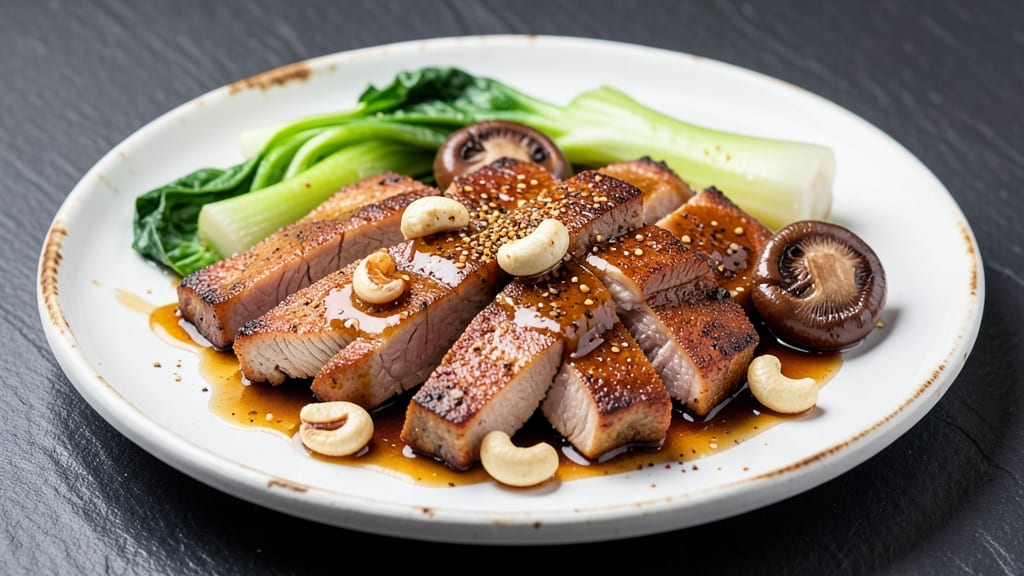
This Chinese 5 spice pork stir fry delivers restaurant-quality crispy edges and aromatic bites in under 30 minutes. ✨ I perfected this recipe after years of testing—balancing the bold warmth of five-spice powder with tender pork and quick-cooked vegetables for maximum flavor impact.
The secret lies in high-heat wok technique and proper marination, transforming simple ingredients into a dish that tastes like a night at your favorite Cantonese restaurant.
What sets this stir fry apart is the 5-spice blend—star anise, clove, fennel, cinnamon, and Sichuan peppercorn—that infuses the pork with complex, warming notes while keeping the dish approachable.
We'll use a simple soy-oyster sauce base with a touch of honey for balance, ensuring the sauce clings perfectly to both the pork and vegetables. The pork gets marinated just long enough to develop flavor without becoming mushy, then seared at high heat for those coveted crispy edges.
By the time you're done, you'll have perfectly seared pork with crispy, caramelized edges and tender centers, paired with vibrant bell peppers, onions, and garlic that retain their bite. The sauce ties everything together with its perfect balance of salty, sweet, and umami.
This dish is hearty enough to stand alone or serve over steamed rice, making it ideal for weeknight dinners or weekend gatherings.
The best part? This recipe scales effortlessly—double the ingredients for a crowd, or halve it for a single serving. The technique remains the same, ensuring consistent results every time.
Whether you're feeding a family or treating yourself to a special meal, this stir fry delivers professional-quality results with minimal effort. Let's get cooking!
Ingredients for chinese 5 spice pork stir fry
These bold, aromatic ingredients transform simple pork into restaurant-worthy stir fry magic.
| Ingredient | Amount | Notes |
|---|---|---|
| Boneless Pork Shoulder 🥩 | 1 ½ lb | Cut into 1-inch cubes |
| Five-Spice Powder 🌶️ | 2 tbsp | Homemade or quality store-bought |
| Soy Sauce 🥫 | ⅓ cup | Low-sodium preferred |
| Oyster Sauce 🍜 | 2 tbsp | Kikkoman brand recommended |
| Honey 🍯 | 1 tbsp | For sauce balance |
| Sesame Oil 🫒 | 1 tbsp | Toasted for aroma |
| Neutral Oil 🫒 | 2 tbsp | Avocado or vegetable oil |
| Red Bell Pepper 🌶️ | 1 whole | Sliced into strips |
| Yellow Onion 🧅 | 1 whole | Cut into thin wedges |
| Garlic Cloves 🧄 | 6 cloves | Minced for marinade |
| Fresh Ginger 🌿 | 1 tbsp | Grated, for marinade |
| Green Onions 🧅 | 3 whole | Sliced for garnish |
| White Rice 🍚 | 1 ½ cups | Uncooked, for serving |
| Salt 🧂 | 1 tsp | Kosher or sea salt |
| Black Pepper 🌶️ | ½ tsp | Freshly ground |
The five-spice powder is non-negotiable here—Penzeys or Spicewalla for the best quality. Look for whole spices to grind fresh if you're feeling fancy, but pre-ground works in a pinch. The pork shoulder is key: ask your butcher for well-marbled cuts if possible. I grab mine from Whole Foods or Costco when I need a big batch. For the bell peppers, red or yellow add the most vibrant color—skip the green unless you're going for a traditional look. The garlic and ginger? Freshly grated or minced makes all the difference, but jarred ginger works if that's what you've got.
No five-spice powder? Mix 1 tsp each of cinnamon, star anise, fennel seeds, cloves, and Sichuan peppercorns—toast the whole spices first for extra depth. Substituting oyster sauce? Double the soy sauce and add 1 tsp fish sauce (if you eat fish) or 1 tsp soy sauce for veggie version. The sesame oil can be swapped for toasted sesame seeds if you prefer—sprinkle them on at the end instead. For the pork, chicken thigh works too if you're avoiding pork, but the fat content is crucial for those crispy edges. If your bell peppers are tough, blanch them first for 30 seconds in boiling water.
Marinate the pork for at least 30 minutes—overnight is even better. Store leftovers in airtight containers for up to 4 days in the fridge. The five-spice powder keeps its punch for 6 months in a cool, dark place. For extra crispy edges next time, pat the pork dry before cooking—it makes all the difference. This reheats beautifully—just add a splash of water and stir-fry for 2-3 minutes.
Why You'll Love This Recipe
- One-Pan, No Stress: I swear by this for nights when I’d rather not wash a million dishes. Toss the pork shoulder in a hot wok with oil, let it brown—that’s the magic—then dump in the five-spice powder and stir. The honey and oyster sauce caramelize right there, turning cleanup into a five-minute wipe-down. Honestly, my lazy Sundays thank me.
- Five-Spice Magic: That jar of five-spice powder isn’t just a spice—it’s the secret weapon. The cinnamon warmth, star anise depth, and clove kick in one shake transform simple pork into something ridiculously good. Balance it with the salty-sweet soy and honey, and you’ve got layers of flavor that make takeout feel like a cheat code.
- Leftover Goldmine: This dish tastes even better the next day. The pork gets more tender, the sauce thickens into a glossy glaze, and reheating it? Just a quick sizzle in the pan. I make double batches on Sundays because it’s my go-to for packed lunches—no sad, dry leftovers here.
- Budget-Friendly Feast: Pork shoulder is cheap, and a little goes a long way. Five-spice powder lasts forever, and a splash of honey stretches across multiple meals. Serve it over rice, noodles, or even in lettuce wraps—suddenly, you’re feeding a crowd without breaking the bank. (Yes, even on a Tuesday night.)
Step-by-step instructions for Chinese 5 spice pork stir fry
Let's get that perfect wok-hei—smoky, crispy, and fragrant—with these straightforward steps.
👨🍳 Step 1: Prep the Pork for Maximum Flavor
Cut the 1.5 lb boneless pork shoulder into 1-inch cubes—this size ensures even cooking and crispy edges. In a bowl, mix the pork with 2 tbsp five-spice powder, 1 tsp salt, and 0.5 tsp black pepper. Let it marinate for 15 minutes—just enough time for the spices to cling to the meat without overpowering it.
Here's the thing—don't skip the marinating. The five-spice powder needs time to penetrate the pork, and the salt helps draw out moisture for that perfect sear. I like to press the spices into the meat gently with my fingers so they stick.
🔥 Step 2: Sear the Pork Until Golden and Crispy
Heat a wok or large skillet over high heat until it's screaming hot. Add 2 tbsp neutral oil and swirl to coat the bottom. Working in batches (don't overcrowd!), add the pork and let it sear undisturbed for 2-3 minutes until golden brown on all sides. You'll see those beautiful crispy edges forming—that's your wok-hei in action.
If the pork sticks, don't panic—just add a splash of water and scrape up those flavorful browned bits (they're called fond, and they're pure gold). Once all the pork is browned, remove it from the wok and set it aside on a plate.
🍳 Step 3: Stir-Fry the Aromatics and Sauce
In the same wok, add a little more neutral oil if needed, then toss in the 1 whole yellow onion (thin wedges), 1 whole red bell pepper (strips), 6 minced garlic cloves, and 1 tbsp grated fresh ginger. Stir-fry for 2-3 minutes until the onions soften and the garlic turns golden—that fragrant aroma is what makes this dish sing.
Now pour in 0.33 cup soy sauce, 2 tbsp oyster sauce, and 1 tbsp honey. Let it simmer for 1-2 minutes until the sauce thickens slightly. Here's where the magic happens—the soy sauce caramelizes just enough to add depth, while the honey balances the saltiness.
🥘 Step 4: Combine and Finish with Sesame Oil
Return the crispy pork to the wok and stir everything together for 1-2 minutes until the pork is coated in the sauce. The residual heat will finish cooking the pork while keeping those edges crispy. Taste and adjust seasoning—you might want to add a splash more soy sauce if it's too mild.
Turn off the heat and drizzle in 1 tbsp sesame oil. Give it one final toss so the oil coats everything evenly. The sesame oil adds that nutty aroma and ties all the flavors together. Garnish with 3 sliced green onions right before serving—it adds a fresh pop of color and brightness.
⏰ Step 5: Serve Over Steamed Rice
While the stir-fry rests for 2-3 minutes (this lets the flavors meld), cook the 1.5 cups white rice according to package instructions. Serve the pork stir-fry immediately over the rice, making sure every bite gets that crispy pork, tender veggies, and glossy sauce.
Pro tip: If you're serving this to a crowd, keep the stir-fry warm in a low oven (200°F) while you finish cooking the rice. And don't forget—leftovers taste even better the next day, though nothing beats it fresh off the wok!
Pro Tips For Making Chinese 5 Spice Pork Stir Fry
- Slice Thin, Even Strips: That thick pork shoulder chunk you’re staring at? Grab a sharp knife and slice it crosswise against the grain into ¼-inch strips—thin enough to cook fast but not fall apart. I used to rush this, and my pork ended up chewy. Take the extra 5 minutes now, or regret it later.
- Bloom the Five-Spice: Toss the pork in 1 teaspoon five-spice powder before hitting the pan, then let it sit for 10 minutes. This lets the cloves, cinnamon, and star anise release their aroma into the meat—way more flavor than just sprinkling it on at the end. (Yes, even if you’re impatient like me.)
- Start Hot, Finish Slow: Sear the pork in a screaming-hot wok or skillet for 30 seconds—you want a deep brown crust. Once it’s cooked through, lower the heat to medium and toss in the soy and oyster sauces. High heat kills the pork; medium keeps it tender.
- Deglaze with Honey Last: Add honey after the pork is mostly cooked, not at the start. The heat caramelizes it faster, giving you that glossy, sticky glaze without burning the sauce. I learned this after making a sticky mess the first three times.
Troubleshooting this dish
Pork Too Tender
If your pork turns out mushy instead of crispy, you likely overcrowded the wok or didn’t sear it long enough. I see this happen when cooks rush the process—never stir the pork until it’s fully browned on all sides.
For 1-inch cubes, aim for 2-3 minutes per batch at high heat. If your pork is still undercooked after searing, finish it in the stir-fry step but watch closely to avoid overcooking. 🔥
Sauce Too Thin
The sauce can turn watery if you don’t let it reduce properly. After adding the soy-oyster-honey mixture, simmer for at least 1-2 minutes—this helps thicken the sauce naturally.
If it’s still too thin, mix 1 tsp cornstarch with 1 tbsp water and stir it in during the final minute of cooking. I’ve also had success adding ½ tsp arrowroot powder for a glossier finish.
Burnt Aromatics
Garlic and onions burn quickly when you’re focused on the pork. Cook them separately first—sauté the onions and bell peppers for 2 minutes before adding garlic and ginger. This prevents charring while still building flavor.
If they do burn, just remove the burnt pieces—the rest of the dish will still taste great. Trust me, I’ve had to salvage plenty of stir-fries! 🌶️
Five-Spice Overpowering
The five-spice blend is bold, and too much can dominate the dish. If it tastes too strong, balance it with a splash of honey or a pinch of sugar (about ½ tsp).
You can also add a squeeze of lime juice (about 1 tsp) to cut through the spice. For future batches, reduce the five-spice powder to 1.5 tbsp if you prefer milder flavor.
Dry Pork
Pork can dry out if it’s overcooked or if the marinade didn’t do its job. Pat the pork dry before marinating—this helps the spices adhere better and promotes crispiness. If your pork is dry after cooking, serve it over steamed rice or noodles to soak up any moisture.
For extra juiciness, add 1 tbsp water or broth to the wok during the final stir-fry step.
Uneven Cooking
Small pork pieces cook faster than larger ones, leading to uneven doneness. Cut all pork cubes to the same size (about 1-inch each). If you’re using thicker cuts, sear them longer—up to 4 minutes per side.
For extra insurance, cook the pork in two batches if your wok is crowded. This ensures every piece gets that perfect crispy edge. ⚡
Nutrition facts
Frequently asked questions
Can I substitute chicken or tofu for the pork?
For chicken, use 1.5 lbs boneless thighs (they stay juicier than breast) and marinate for 20-30 minutes—less time than pork since it's leaner. For tofu, press extra-firm tofu for 30 minutes, cut into cubes, and pan-fry until golden before adding to the stir-fry. The five-spice blend works beautifully with both, but reduce marinating time by half for chicken to prevent overcooking.
How do I make this gluten-free?
Swap regular soy sauce for tamari or gluten-free soy sauce (like San-J brand) and check oyster sauce labels—many contain wheat. For extra umami, add 1 tbsp coconut aminos or 1 tsp gluten-free fish sauce (if using). The five-spice marinade remains safe, and cornstarch slurry (if needed) is naturally gluten-free. Always verify sauce ingredients, as hidden gluten lurks in unexpected places!
What vegetables can I add for extra nutrition?
Broccoli florets (2 cups, blanched 1 minute), snap peas (1 cup, raw), or shiitake mushrooms (8 oz, sliced) add fantastic texture. For heat, toss in ½ cup Thai bird's eye chilies or 1 tbsp chili crisp at the end. Just remember: hard veggies need pre-cooking (blanch or parboil) to avoid mushiness, while tender ones like zucchini can go in raw.
Can I make this ahead of time?
Marinate the pork overnight for deeper flavor, but never cook it ahead—stir-fries lose their crispy edges when reheated. The sauce can be pre-mixed and stored for 3 days in the fridge. For meal prep, cook the pork and veggies separately, then reheat in a skillet with fresh sauce and sesame oil for 2-3 minutes over high heat. The key is high heat at the end to restore that wok-hei magic!
What's the best way to store leftovers?
Cool the stir-fry completely, then transfer to airtight containers with parchment paper between layers to prevent sticking. It keeps for 4 days in the fridge or 3 months in the freezer. For reheating, thaw overnight in the fridge, then warm in a skillet with 1 tsp oil over medium-high heat for 3-4 minutes, adding a splash of water to restore moisture. Microwaving makes the pork soggy—avoid it!