
Sauces & Condiments
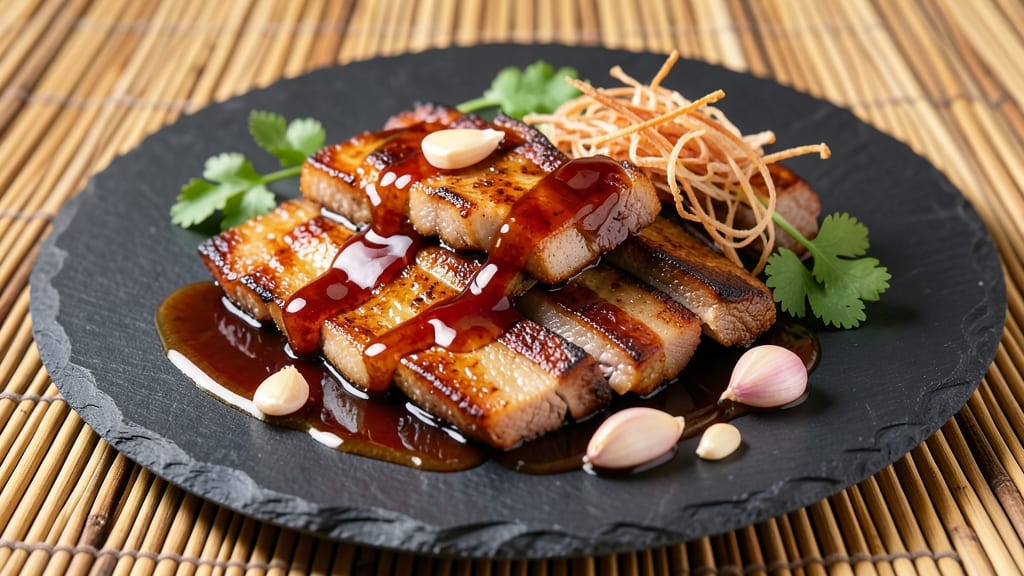
This Chinese barbecue pork sauce recipe delivers the deep umami richness and five-spice complexity that transforms simple pork into something extraordinary. 🔥 The balance of fermented elements, aromatic spices, and sticky sweetness creates a glossy glaze that caramelizes beautifully—whether you're brushing it on ribs or using it as a marinade.
I developed this sauce after years of perfecting the art of balancing sweet, salty, and smoky flavors in one cohesive blend.
The secret lies in the combination of hoisin, soy sauce, and a touch of honey, which form the sauce's foundation. Five-spice powder adds warmth and depth, while garlic and ginger bring freshness that cuts through the richness.
The sauce thickens as it simmers, creating that signature glossy finish that clings to meat like a second skin. This isn't just a sauce—it's a flavor multiplier that elevates any pork dish to restaurant-quality levels.
What makes this recipe truly special is its versatility. Use it as a marinade for pork shoulder before slow-roasting, or brush it on during the last few minutes of grilling to create a caramelized crust.
The sauce also doubles as a dipping sauce for dumplings or a glaze for stir-fried vegetables. With just a few simple ingredients and a little patience, you'll have a sauce that's worth making again and again.
Once you taste the results—tender, sticky, and packed with layered flavors—you'll understand why this sauce is a staple in Chinese BBQ traditions. Store it in the refrigerator for up to two weeks, or freeze for longer shelf life.
Let's get started on creating this flavor-packed essential for your cooking repertoire.
Ingredients for chinese barbecue pork sauce
Nine essential ingredients blend into a restaurant-worthy sauce that elevates pork dishes to extraordinary heights.
| Ingredient | Amount | Notes |
|---|---|---|
| Hoisin Sauce 🍶 | ½ cup | High-quality, slightly fermented |
| Light Soy Sauce 🥢 | ½ cup | Kikkoman preferred for balance |
| Dark Soy Sauce 🥢 | ¼ cup | For deeper color and richness |
| Honey 🍯 | ¼ cup | Wildflower for floral notes |
| Five-Spice Powder 🌶️ | 1 ½ tbsp | Freshly toasted for intensity |
| Garlic Cloves 🧄 | 6 cloves | Minced for aromatic punch |
| Fresh Ginger 🌿 | 1 ½ tbsp | Finely grated, not powdered |
| Rice Vinegar 🍶 | 1 tbsp | Seasoned for subtle tang |
| Sesame Oil 🫒 | 1 tbsp | Toasted, not flavored |
| Cornstarch 🌾 | 1 tbsp | For glossy thickening |
The hoisin and soy sauces form the sauce's soul—Kikkoman light soy and La Choy dark soy are my go-tos, but any quality brands work. For hoisin, Lee Kum Kee is the gold standard, though Huy Fong works in a pinch. Freshly toasted five-spice powder is non-negotiable here; Penzeys Spice Shop sells pre-toasted blends if you don't want to DIY. The honey should be wildflower for subtle floral notes that complement the umami depth. Garlic and ginger? Always freshly minced—powdered versions lack the aromatic complexity that makes this sauce sing.
No five-spice powder? Mix 1/4 tsp each of cinnamon, cloves, fennel, star anise, and pepper—it's not identical but gets you close. Substituting honey? Maple syrup works 1:1, but it's slightly heavier. Running low on sesame oil? Toasted peanut oil mimics the nutty depth. The rice vinegar adds brightness—skip it only if you prefer a sweeter profile. For a thicker sauce, dissolve the cornstarch in 2 tbsp cold water before adding to the pot. And if you're making this ahead, reduce the vinegar by half to prevent overpowering flavors during storage.
This sauce keeps beautifully—up to 2 weeks refrigerated in an airtight jar, or 3 months frozen in ice cube trays for single-use portions. The flavors actually deepen over time, so it's worth making a batch. For best results, reheat gently on low heat or in the microwave with a splash of water to restore glossiness. I like to portion mine into small jars—one for marinades, one for brushing, and one for dipping. The sauce thickens as it cools, so stir before each use to restore consistency.
Why You'll Love This Recipe
- Pantry Magic: I swear by this recipe because it’s made with stuff I already have—no special trips to the store. That five-spice powder? It’s the secret weapon that turns basic pantry staples into something rich and complex without extra effort.
- Sweet-Savory Balance: The honey and hoisin sauce create this perfect harmony—sticky, smoky, and just sweet enough to make you lick the spoon. Honestly, the dark soy sauce gives it that deep, caramelized edge that takes it from good to ridiculously good.
- Double-Duty Sauce: This isn’t just for pork—it’s my go-to for stir-fries, rice bowls, or even a quick glaze for tofu. I’ll be real: it’s saved me on lazy nights when I just need something fast but still feels special.
- Budget-Friendly Luxury: A little goes a long way, and I can stretch this sauce over multiple meals without breaking the bank. Plus, it keeps well in the fridge, so I’m not scrambling to use it up before it spoils. Not the prettiest, but the taste makes up for it every time.
Step-by-step instructions for Chinese barbecue pork sauce
This sauce delivers authentic Cantonese restaurant flavor with perfect balance—sweet, salty, aromatic, and glossy.
🍳 Step 1: Bloom the Five-Spice and Aromatics
In a small saucepan, combine the 1.5 tablespoons Five-Spice Powder, 6 cloves minced garlic, and 1.5 tablespoons finely grated fresh ginger over medium-low heat. Toast for 2-3 minutes until fragrant—you should smell warm cloves, citrusy star anise, and fresh ginger. Stir constantly to prevent burning, especially the spices which can scorch quickly.
Here's the thing—this step unlocks the sauce's depth. The five-spice blend needs to bloom first so its complex flavors meld with the garlic and ginger before they cook down. If you skip this, your sauce will taste flat and one-dimensional. Once you see the spices release their aroma, it's time to move to the next stage.
🍳 Step 2: Combine Wet Ingredients and Simmer
Pour in the 0.5 cup hoisin sauce, 0.5 cup light soy sauce, 0.25 cup dark soy sauce, and 0.25 cup honey. Stir vigorously to dissolve any cornstarch that might have settled from the hoisin. Bring to a gentle simmer over medium heat for 5-6 minutes until the mixture thickens slightly and coats the back of a spoon.
The dark soy sauce is your secret weapon here—it adds that signature mahogany color while deepening the umami. Watch the sauce carefully as it reduces; you want it to thicken just enough to coat but still remain glossy. If it gets too thick too quickly, add 1-2 tablespoons hot water to loosen it. The goal is a sauce that's thick enough to cling but still silky smooth.
🍳 Step 3: Incorporate Acid and Oil for Balance
Remove from heat and stir in the 1 tablespoon rice vinegar and 1 tablespoon sesame oil. The vinegar brightens the flavors while the sesame oil adds nutty depth and that characteristic sheen. Taste and adjust seasoning—you might need to add a pinch more light soy sauce for saltiness or a drizzle of honey for sweetness. This is where the sauce comes together.
Here's where it gets fun—taste as you go. The rice vinegar should cut through the richness, and the sesame oil should add that irresistible aroma. If the sauce tastes too sweet, balance with a splash more soy sauce. If it needs more complexity, add a tiny pinch of freshly ground white pepper. The flavors should sing with umami, sweetness, and aromatic warmth.
⏰ Step 4: Thicken and Finish
Return the sauce to low heat and whisk in the 1 tablespoon cornstarch mixed with 2 tablespoons water until fully dissolved. Simmer for 1-2 minutes until the sauce reaches your desired consistency—it should coat the back of a spoon but still be pourable. For extra gloss, add 1 teaspoon sesame oil at the end.
This is the moment that matters: the sauce should be thick enough to glaze pork beautifully but still flow smoothly. If it's too thick, thin with a few drops of water. If it's too thin, simmer longer. The perfect barbecue sauce should leave a glossy sheen on your pork while clinging perfectly. Once you achieve this, remove from heat immediately to preserve that vibrant color and glossy finish.
Pro Tips For Making Chinese Barbecue Pork Sauce
- Simmer Low and Slow: The second you add honey, drop the heat to lowest possible—medium-low is too aggressive. I learned this the hard way when my sauce turned grainy and bitter. A gentle simmer for 10-15 minutes lets the honey caramelize without burning, while the dark soy sauce deepens in color naturally.
- Balance the Soy Sauces: Dark soy sauce is for color, light soy for flavor—don’t skip either. Use twice as much light soy as dark (e.g., 2 tbsp light, 1 tbsp dark) unless you want a muddy, overly salty mess. My first attempt had equal parts, and the sauce tasted flat.
- Bloom the Five-Spice: Toast the five-spice powder in a dry pan for 30 seconds before adding it to the sauce. This wakes up the cinnamon and star anise flavors instead of letting them sit dormant. Skip this, and you’ll just taste powder.
- Strain for Smoothness: After simmering, pour the sauce through a fine-mesh sieve into a bowl—even if it looks smooth. Hoisin sauce has tiny bits, and dark soy can clump. This step makes all the difference when drizzling over rice or dumplings. (Yes, it’s an extra 30 seconds.)
Pro cooking tips for perfect results
Bloom the Spices
Toast your five-spice powder with minced garlic and ginger over medium-low heat for 2-3 minutes—this releases their aromatic oils and prevents bitter flavors. I like to use a small, heavy-bottomed saucepan to distribute heat evenly.
Stir constantly, especially the spices, which can burn quickly. The moment you smell that warm, citrusy star anise aroma, you're on the right track. 🌶️
Control the Heat
Never let the sauce boil vigorously when simmering the wet ingredients. A gentle simmer at medium heat prevents the sauce from splitting or developing a harsh taste. If it starts to bubble too aggressively, reduce the heat immediately.
I've ruined sauces this way—trust me, you don't want to repeat my mistake. The goal is a slow reduction that builds depth without losing moisture.
Adjust Thickness Gradually
If your sauce thickens too quickly, add 1-2 tablespoons hot water to loosen it. The cornstarch slurry should be your last resort for thickening—whisk it in smoothly over low heat to avoid lumps. For extra gloss, finish with 1 teaspoon sesame oil just before removing from heat.
I've found that the sauce will thicken further as it cools, so aim for a slightly thinner consistency while hot.
Taste as You Go
Balance is everything in this sauce. After adding vinegar and sesame oil, taste and adjust immediately. Need more salt? Add a pinch of light soy sauce. Too sweet? A splash of rice vinegar cuts through.
I keep a small bowl of toasted sesame seeds nearby to sprinkle on top for texture if needed. The sauce should sing with umami, sweetness, and aromatic warmth—not one flavor dominating the others.
Storage Secrets
Store your sauce in an airtight container in the fridge for up to 2 weeks, or freeze in ice cube trays for single-use portions. The flavors actually improve over time, deepening as the spices meld.
When reheating, use low heat or microwave with a splash of water to restore its glossy texture. I like to portion mine into small jars—one for marinades, one for brushing, and one for dipping.
Glossy Finish Trick
For that signature restaurant-quality sheen, finish with 1 teaspoon toasted sesame oil while the sauce is still hot. The oil floats to the surface, creating a beautiful gloss that clings to meat perfectly.
If your sauce loses its shine after refrigeration, whisk in 1 teaspoon water to restore it. This little trick makes all the difference when presenting your dish. ✨
Nutrition facts
Frequently asked questions
Can I use this sauce as a marinade for other meats?
While it's designed for pork, this sauce works beautifully with chicken, tofu, or even shrimp. For chicken, marinate for 4-6 hours to tenderize, while shrimp only needs 30 minutes due to their delicate texture. Just reduce the five-spice powder by half for seafood to avoid overpowering flavors.
How do I prevent the sauce from getting too thick?
If your sauce thickens too quickly, immediately remove it from heat and whisk in 1-2 tablespoons hot water to loosen it. For future batches, reduce the cornstarch to 1 teaspoon and simmer for 1 minute less. The sauce will continue thickening as it cools, so aim for a slightly thinner consistency while hot.
What's the best way to store leftover sauce?
Store in an airtight container in the fridge for up to 2 weeks—the flavors actually deepen over time! For longer storage, freeze in ice cube trays (perfect for single-use portions) or small jars. When reheating, use low heat or microwave with a splash of water to restore its glossy texture.
Can I make this sauce without five-spice powder?
Yes! Mix 1/4 teaspoon each of cinnamon, cloves, fennel, star anise, and black pepper for a homemade blend. Toast these spices with the garlic and ginger for 2 minutes before proceeding. The flavor won't be identical but will still add warm, aromatic depth to your sauce.
How do I achieve that glossy finish?
For maximum shine, finish with 1 teaspoon toasted sesame oil while the sauce is still hot. The oil creates a protective layer that enhances both appearance and flavor. If your sauce loses its gloss after refrigeration, whisk in 1 teaspoon water to restore it before using.