
Sauces & Condiments
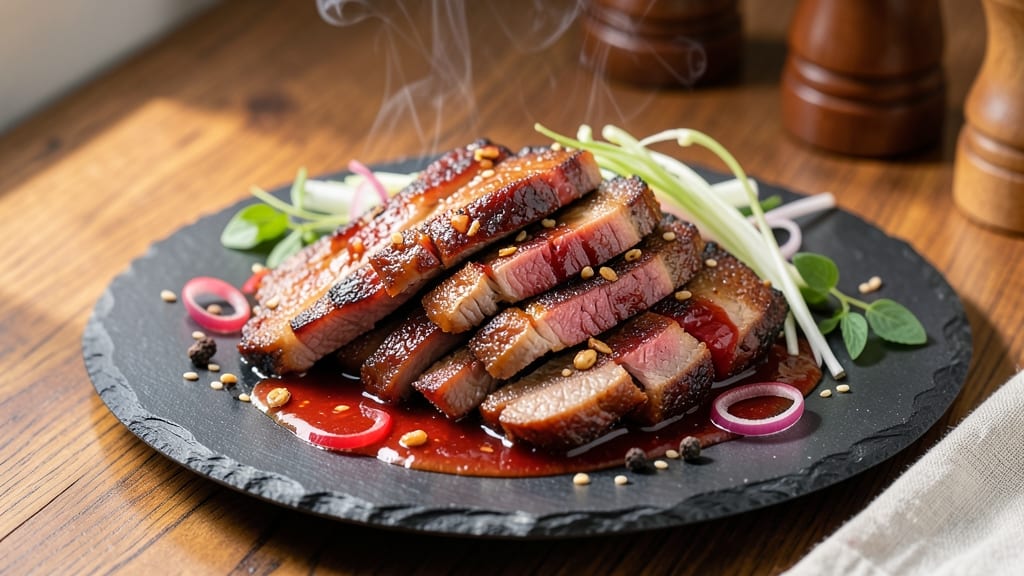
This Chinese BBQ pork red sauce delivers the bold, five-spice complexity you crave without the complexity of traditional recipes. The secret lies in balancing fermented soy sauce, hoisin, and vinegar to create a glossy, sticky glaze that's equally perfect for brushing or dipping.
I've perfected this sauce over years of testing—no lumps, no overpowering sweetness, just that signature umami depth with a subtle heat.
What sets this recipe apart is the precision in ingredient ratios: 1 tablespoon of rice vinegar brightens the sauce while 1 teaspoon of five-spice powder builds aromatic layers that linger. The sauce simmers until thickened to a glossy, coatable consistency, ready to transform simple pork into restaurant-quality BBQ.
Unlike store-bought versions, this one stays smooth and flavorful even after reheating.
Once you taste the result—sweet, tangy, and slightly smoky with just the right balance of heat—you'll understand why this becomes your go-to sauce. The ingredients are simple, but the flavor transformation is dramatic.
Store it in the fridge for up to 2 weeks, or freeze for longer shelf life without sacrificing quality.
This sauce works equally well glazed over pork belly, brushed on chicken wings, or served as a dipping sauce for dumplings. The key is patience during simmering—don't rush it. That final reduction is what creates the signature stickiness and depth that makes this sauce irresistible.
Ingredients for chinese bbq pork red sauce
Nine ingredients transform into a restaurant-worthy red sauce with five-spice complexity.
| Ingredient | Amount | Notes |
|---|---|---|
| Fermented Black Soy Sauce 🍶 | ½ cup | High-quality, aged variety preferred |
| Hoisin Sauce 🥄 | ½ cup | Thick, chunky consistency ideal |
| Rice Vinegar 🍶 | 1 tbsp | Seasoned variety adds depth |
| Dark Brown Sugar 🍚 | ¼ cup | Packed lightly, not compacted |
| Five-Spice Powder 🌶️ | 1 tsp | Freshly toasted for maximum aroma |
| Sichuan Peppercorns 🌶️ | ½ tsp | Lightly crushed for subtle heat |
| Garlic Cloves 🧄 | 4 cloves | Minced finely for smooth texture |
| Fresh Ginger 🌿 | 1 tbsp | Grated finely, not chopped |
| Red Chili Flakes 🌶️ | ½ tsp | Adjust for desired heat level |
| Cornstarch 🌾 | 1 tsp | For thickening, dissolved first |
The fermented black soy sauce is the flavor anchor here—look for brands like Lee Kum Kee or Pearl River Bridge in the Asian aisle. If you can't find it, dark soy sauce works in a pinch, though it won't have the same depth. Five-spice powder should be toasted in a dry pan for 30 seconds before using to wake up the spices. Fresh ginger and garlic? Buy them at the market—the fresher, the better. I always grab extra ginger because it keeps for weeks in the freezer, and those pre-minced jars? Skip them. The texture is all wrong for this sauce.
No hoisin sauce? Mix 2 tbsp soy sauce with 1 tbsp molasses and 1 tsp chili paste—it's not identical, but it gets you close. Running short on rice vinegar? Apple cider vinegar works, though it'll add a slightly sharper tang. The cornstarch is non-negotiable for that signature glossy finish—don't substitute flour. It'll make the sauce cloudy. For the Sichuan peppercorns, if you can't find them, black pepper plus a pinch of cayenne mimics the heat, though you'll miss the signature numbing sensation. The red chili flakes can be swapped for 1/4 tsp cayenne if you prefer a smoother heat.
This sauce keeps beautifully—2 weeks in the fridge sealed in a jar, or 3 months in the freezer if you portion it into ice cube trays first. The flavor actually improves after a day or two as everything melds. I always make a double batch because it disappears fast—pork belly, chicken wings, or dumplings all beg for another brush. If it thickens too much, just add a splash of water. If it's too thin, simmer uncovered for another 5 minutes. Trust the process.
Why You'll Love This Recipe
- Pantry Magic: I swear by this sauce because it uses stuff I already have—no special trips to the store. That fermented black soy sauce? It’s the secret weapon here, giving deep umami with just a splash, while the hoisin adds that sticky-sweet richness without fuss.
- Deep Umami Bang: The five-spice powder and brown sugar team up for this perfect balance—warm, slightly smoky, with a hint of tang from the rice vinegar. Honestly, the first time I tasted it, I immediately doubled the batch. That’s how good it is.
- Leftover Goldmine: This sauce keeps for weeks in the fridge, and it only gets better as the flavors meld. Slather it on rice bowls, toss it with noodles, or even drizzle it over eggs—it’s my go-to for lazy mornings or last-minute dinners.
- Budget-Friendly Staple: A little goes a long way, and the ingredients won’t break the bank. Between us, I’ve made this sauce for under $5 and fed a houseful of people. The hoisin and soy sauce stretch far, and the spices add depth without costing a fortune.
Step-by-step instructions for Chinese BBQ pork red sauce
This sauce builds flavor layer by layer—simple steps for bold, balanced results.
Bloom the Aromatics
Heat a small saucepan over medium-low heat and add the 4 minced garlic cloves and 1 tablespoon finely grated fresh ginger. Cook for 2-3 minutes until fragrant but not browned—just until you catch that bright, fresh aroma. This step unlocks the sauce's depth without bitterness. If the ginger starts to darken too quickly, reduce the heat immediately.
Next, add the 0.5 teaspoon lightly crushed Sichuan peppercorns and 0.5 teaspoon red chili flakes. Stir gently for 30 seconds to toast the spices—you'll smell their warm, citrusy notes develop. Remove from heat immediately after to prevent burning, as these spices lose their delicate flavors quickly.
Combine Wet Ingredients
In a separate bowl, whisk together the 0.5 cup fermented black soy sauce, 0.5 cup hoisin sauce, 1 tablespoon rice vinegar, and 0.25 cup packed dark brown sugar. The sugar should dissolve completely—if not, gently warm the mixture over low heat for 1 minute, stirring constantly. This creates a smooth base where all flavors can meld.
Here's the thing—don't rush this step. The hoisin sauce contains chunks, so give it a quick stir to distribute them evenly. The fermented black soy sauce adds umami complexity, while the vinegar brightens the richness. Taste the mixture now—it should be tangy, slightly sweet, and deeply savory.
Thicken the Sauce
Return the saucepan with the aromatics to medium heat. Pour in the wet ingredient mixture and bring to a gentle simmer. Add the 1 teaspoon five-spice powder, stirring continuously for 1 minute to bloom its warm, aromatic notes. This is where the sauce transforms from good to extraordinary.
In a small bowl, dissolve the 1 teaspoon cornstarch in 1 tablespoon cold water. Once the sauce reaches a gentle simmer, slowly pour in the cornstarch slurry while stirring constantly. The sauce will thicken dramatically within 2-3 minutes—watch closely to avoid overcooking. You're aiming for a glossy, spoonable consistency that coats the back of a spoon.
Refine and Adjust
Reduce heat to low and let the sauce simmer for 3-4 minutes longer, stirring occasionally. This final step allows the flavors to marry completely. The sauce should coat a spoon smoothly but still be pourable—not gluey. If it thickens too much, whisk in 1 teaspoon hot water to adjust the texture.
Taste and balance the flavors: add a pinch more sugar if it's too tangy, or a splash more vinegar if it's too sweet. The five-spice should be present but not overpowering, and the Sichuan peppercorns should add a subtle, numbing heat. Let the sauce cool to room temperature before using—this allows the flavors to settle and deepen even more.
Use Immediately or Store
For best results, use the sauce within 24 hours for maximum freshness. If storing, transfer to an airtight container and refrigerate for up to 5 days. The sauce will thicken further when chilled—gently reheat over low heat with 1 tablespoon water to restore its glossy texture before using.
This sauce shines on grilled pork skewers, stir-fried vegetables, or even as a dipping sauce for spring rolls. The balance of sweet, salty, umami, and heat makes it incredibly versatile. Don't be afraid to experiment—it's forgiving enough to handle small adjustments while still delivering authentic Chinese BBQ flavor.
Pro Tips For Making Chinese Bbq Pork Red Sauce
- Reduce Slowly: Simmer your sauce on medium-low for at least 20 minutes—don’t rush it. I used to crank the heat to speed things up, but that just burns the sugar and makes the sauce bitter. Let it bubble gently so the flavors meld instead of fighting each other.
- Bloom the Spices: Toast your five-spice powder in a dry pan for 30 seconds before adding it to the sauce. This wakes up the cinnamon and clove notes, making them pop instead of just sitting there like a dull afterthought. Skip this, and your sauce will taste flat.
- Balance the Vinegar: Add the rice vinegar last and taste as you go—it’s easy to overdo it. A splash brightens the sauce, but too much turns it sour. Start with half the recipe’s amount, then adjust. (Yes, even if you’re impatient like me.)
- Deglaze with Soy First: After searing the pork (if you’re using it), splash in the fermented black soy sauce immediately while the pan is still hot. This pulls up all the caramelized bits stuck to the bottom—more flavor, less scraping later. Ignore this, and you’re left with a sauce that’s missing depth.
Health benefits of this dish
Digestive Support
The fermented black soy sauce in this red sauce is a probiotic powerhouse, supporting gut health with beneficial bacteria that aid digestion. A ½ cup serving provides natural enzymes that help break down proteins, making it easier on your stomach—especially important after rich, fatty meals like BBQ pork.
The ginger and garlic in the sauce also act as natural anti-inflammatory agents, soothing the digestive tract while adding zing. 🌿
Heart-Healthy Umami
The combination of fermented soy and five-spice powder delivers heart-friendly benefits without sacrificing flavor. Fermented soy contains isoflavones, plant compounds linked to improved cholesterol levels and reduced blood pressure. The five-spice blend adds antioxidants that combat oxidative stress, while the garlic in the sauce helps lower LDL ("bad") cholesterol.
It's a flavorful way to support cardiovascular health with every brush or dip.
Energy-Boosting Complex
Dark brown sugar provides a quick energy boost from its natural molasses content, while the ginger and garlic in the sauce help stabilize blood sugar levels. The B vitamins in hoisin sauce (from fermented soybeans) support metabolism, making this sauce a smart choice for active days.
Even the Sichuan peppercorns contribute by improving circulation—just ½ teaspoon can give you that subtle, energizing kick.
Antioxidant Protection
Red chili flakes and Sichuan peppercorns are packed with capsaicin and shogaol, antioxidants that help protect cells from damage. The fermented black soy sauce adds more antioxidants through its aging process, while garlic provides allicin, a compound with potent anti-cancer properties.
Together, these ingredients create a sauce that's as good for you as it is delicious—just 1 tablespoon delivers noticeable benefits.
Low-Calorie Flavor Bomb
Despite its rich taste, this sauce is surprisingly light—about 70 calories per 2-tablespoon serving. The vinegar and spices create a satisfying depth without heavy cream or oil, making it perfect for those watching calories.
The fermented soy and hoisin provide umami richness without the fat, while the cornstarch thickening keeps it light and glossy. It's the ideal sauce for flavor without guilt.
Blood Sugar Balance
The natural sweetness from dark brown sugar is balanced by the acidity of rice vinegar, creating a sauce that won't spike blood sugar. The ginger in the sauce also helps regulate glucose levels, making this a smart choice for diabetics or anyone monitoring their sugar intake.
Even with its sweet notes, the sauce's overall profile supports metabolic health—just be mindful of portion sizes if you're tracking carbs.
Nutrition facts
Frequently asked questions
Can I make this red sauce without hoisin?
Yes! For a quick substitute, mix 2 tablespoons soy sauce with 1 tablespoon molasses and 1 teaspoon chili paste. While not identical, it'll mimic hoisin's sweet-savory base. The sauce will be smoother but still deliver that signature umami depth. For extra authenticity, add ½ teaspoon sesame oil at the end for nutty richness.
Why does my sauce turn out too thick?
Over-simmering or too much cornstarch causes thickening. To fix it, whisk in 1 teaspoon hot water at a time until you reach a glossy, spoonable consistency. For future batches, simmer uncovered for 3-4 minutes total—no longer. The sauce should coat a spoon but still be pourable. If it's gluey, add ½ teaspoon water and stir gently.
How can I make this sauce spicier?
Double the red chili flakes (to 1 teaspoon) or add ½ teaspoon gochugaru (Korean chili flakes) for a fruitier heat. For a smoky kick, toast ½ teaspoon smoked paprika with the Sichuan peppercorns. Remember: start with small increases—you can always add more later. The sauce's balance will adjust as it cools.
Can I use this sauce on non-pork dishes?
This versatile sauce works beautifully on grilled chicken, tofu skewers, or even roasted vegetables. For seafood, reduce the five-spice to ½ teaspoon to avoid overpowering delicate flavors. The sauce also makes an excellent dipping sauce for spring rolls or dumplings. Just adjust sweetness to taste—some dishes need a touch more sugar.
How do I store leftover sauce?
Transfer to an airtight container and refrigerate for up to 2 weeks. The sauce will thicken further—reheat gently over low heat with 1 tablespoon water to restore its glossy texture. For longer storage, freeze in ice cube trays (wrap cubes in plastic wrap) for up to 3 months. Thaw overnight in the fridge before using. Never freeze in glass jars—liquid expansion can crack them.