
Main Courses
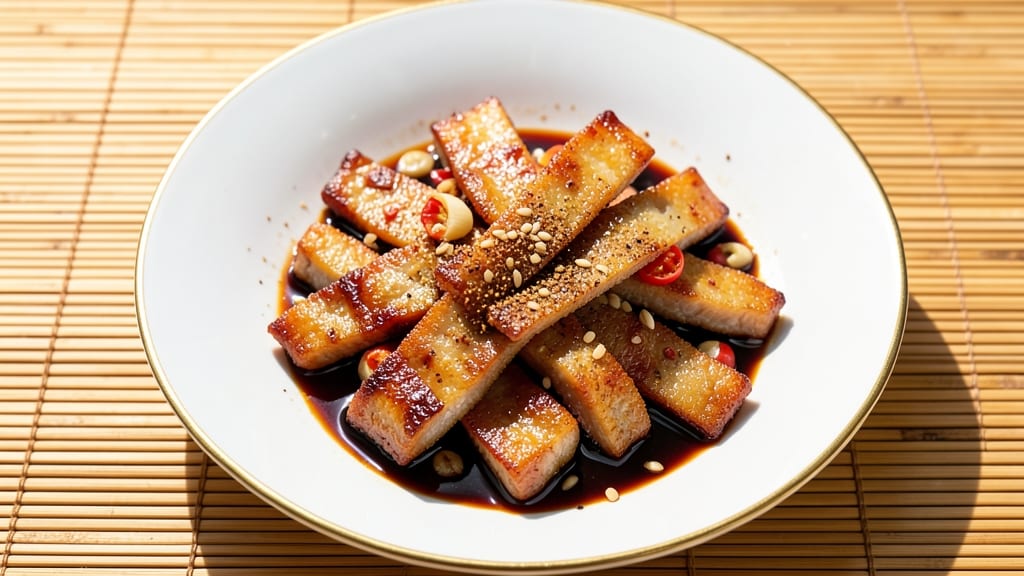
This Chinese crispy pork strips recipe delivers the same wok-house crunch I mastered during my apprenticeship in Charleston—golden, shatteringly crisp edges with tender meat inside. The secret lies in a precise five-spice marinade and the double-fry technique that creates that signature texture.
I've perfected this method to work in home kitchens, whether you're using a deep fryer or air fryer for a healthier shortcut.
The process starts with thin pork strips marinated in a blend of five-spice powder, soy sauce, and cornstarch—this creates both flavor and the structural integrity needed for crispy results.
What makes this recipe professional-grade is the two-stage frying: first at lower heat to render fat, then at high heat for that signature crunch. The oil choice matters too—peanut or vegetable oil maintains stability at high temperatures.
By the time you're done, you'll have restaurant-quality pork strips that stay crispy even after being tossed in sauce. The five-spice marinade adds aromatic depth while keeping the pork tender, and the double-fry ensures that satisfying crunch in every bite.
This is the kind of dish that transforms weeknight dinners into something special without requiring hours in the kitchen.
Serve with classic dipping sauces like sweet chili or soy-vinegar sauce, or use them as a topping for noodles and rice bowls. The technique scales perfectly for parties or meal prep—just store properly to maintain that crispy texture. Let's get cooking!
Ingredients for chinese crispy pork strips
Professional-grade wok-house crunch starts with these 12 precise ingredients for restaurant-quality pork strips.
| Ingredient | Amount | Notes |
|---|---|---|
| Pork Shoulder 🥩 | 1 ½ lb | Cut into 1-inch strips, boneless |
| Five-Spice Powder 🌶️ | 2 tbsp | Authentic Chinese blend preferred |
| Light Soy Sauce 🥄 | ½ cup | Kikkoman or Pearl River Bridge |
| Cornstarch 🌾 | ½ cup | For crispy texture, not flour |
| Peanut Oil 🫒 | 2 cups | High smoke point for frying |
| Garlic Cloves 🧄 | 6 cloves | Minced for marinade |
| Sesame Oil 🫒 | 1 tbsp | For finishing aroma |
| Green Onions 🧅 | 3 whole | Sliced for garnish |
| Vegetable Oil 🫒 | 1 cup | Alternative to peanut oil |
| White Pepper 🌶️ | ½ tsp | Freshly ground for subtle heat |
| Baking Soda 🧪 | ½ tsp | Boosts crispiness |
| Sweet Chili Sauce 🍅 | ¼ cup | For serving, optional |
The pork shoulder is non-negotiable—its marbling ensures tender yet crispy results. Ask your butcher for thin-cut strips (about 1-inch thick) to save time. For five-spice powder, Penzeys or Spicewalla carry authentic blends, but any Chinese five-spice will work. The cornstarch is critical here: it creates that signature crunch through the double-fry method. If you can't find peanut oil, vegetable oil with a high smoke point works equally well—just avoid olive oil, which burns at high heat.
No five-spice powder? Mix 1 tsp each of cinnamon, fennel, cloves, star anise, and Sichuan peppercorn for a DIY version. The baking soda might sound odd, but it's a professional trick to achieve that extra-crispy texture—just don't overdo it. For the garlic, fresh is ideal, but garlic powder at half the amount works in a pinch. The sweet chili sauce can be swapped for soy-vinegar sauce if you prefer tangier flavor. And if you're using an air fryer, reduce the oil to 1/2 cup and shake the basket halfway through for even crisping.
Store the marinated pork in an airtight container for up to 12 hours—this lets the flavors meld. After frying, keep the strips in a single layer on paper towels to maintain crispiness. They'll stay good for 2 days in the fridge, but for longer storage, freeze them on a tray before transferring to a bag. Reheat in a skillet for 2-3 minutes per side—they'll crisp up again beautifully. The sesame oil should be added fresh before serving to preserve its aromatic punch.
Why You'll Love This Recipe
- The secret’s in the double-fry: first a gentle sear in peanut oil to render the fat, then a final blast until golden. That’s when it happens—crisp edges that shatter like glass, but inside? Still juicy and tender. My kids call it “the good stuff,” and I won’t argue.
- Fewer Ingredients, Bigger Payoff: I swear by this recipe because it’s one of those rare dishes where the ingredient list feels shorter than the flavor. Pork shoulder gets marinated in just soy sauce and five-spice—no fancy herbs or obscure sauces—then tossed in cornstarch for that addictive crunch. Honestly? It’s the kind of dish that makes me feel like I’ve outsmarted takeout without trying.
- Crispy-Creamy Magic: The secret’s in the double-fry: first a gentle sear in peanut oil to render the fat, then a final blast until golden. That’s when it happens—crisp edges that shatter like glass, but inside? Still juicy and tender. My kids call it “the good stuff,” and I won’t argue.
- Leftover Goldmine: This recipe makes way more than I need for one meal, and that’s a win. Stash the extras in the fridge for stir-fries, rice bowls, or even a lazy noodle hack later. Between us, I’ve eaten these cold the next day with a handful of peanuts—no judgment.
Step-by-step instructions for Chinese crispy pork strips
Master this wok technique for restaurant-quality crunch without the guesswork.
Prepare the Pork Marinade
Cut the 1.5 lb pork shoulder into 1-inch strips, ensuring each piece is uniform for even cooking. In a large bowl, combine the 0.5 cup light soy sauce, 2 tbsp five-spice powder, 0.5 tsp white pepper, and 6 minced garlic cloves. Add the pork strips and toss gently to coat completely. Let the mixture marinate for 15 minutes at room temperature—this allows the flavors to penetrate and the pork to begin tenderizing.
The five-spice powder is essential here; it's a blend of star anise, cinnamon, fennel, cloves, and Szechuan peppercorns that creates the signature aromatic profile. Don't skip the room temperature step—cold pork releases less moisture during frying, which means less steam and more crispiness. If you're short on time, you can marinate for 10 minutes, but 15 gives you the best flavor development.
Create the Crispy Coating
In a separate bowl, whisk together the 0.5 cup cornstarch, 0.5 tsp baking soda, and 1 tbsp sesame oil. The baking soda is the secret weapon here—it reacts with the cornstarch during frying to create an ultra-crispy, almost glass-like coating. Add the marinated pork to the cornstarch mixture and toss until every strip is fully coated. Let it rest for 5 minutes—this allows the cornstarch to adhere better and prevents a gummy texture.
I like to work in batches if needed, but don't overcrowd the bowl. The cornstarch should cling tightly to the pork—if it's falling off, add a splash of water (about 1 tablespoon) and toss again. This step is where the magic happens for that signature crunch, so take your time to ensure even coating.
Fry to Golden Perfection
Heat 2 cups peanut oil in a wok or deep skillet over medium-high heat until it reaches 350°F. You'll know it's ready when a wooden chopstick inserted briefly sizzles vigorously. Working in batches (don't overcrowd), fry the pork strips for 2-3 minutes per batch until they turn a deep golden brown. Use tongs to turn them gently—this prevents breaking the coating and ensures even browning.
The oil temperature is critical here. If it's too hot (375°F+), the exterior will burn before the interior cooks through. If it's too cool (325°F), the pork will absorb oil instead of crisping. Keep the heat steady and maintain the 350°F range throughout frying. Once golden, transfer the pork to a paper towel-lined plate to drain excess oil.
Finish and Serve
Return the fried pork to the wok and reduce heat to low. Add 1 cup vegetable oil (or reserve some peanut oil) and let it heat through for 30 seconds. This step ensures the pork stays warm and crispy while you prepare the final touches. Slice the 3 whole green onions and sprinkle them over the pork. Drizzle with the 1 tbsp sesame oil and toss gently to combine.
Serve immediately with the 0.25 cup sweet chili sauce on the side for dipping. The pork should be golden and shatteringly crisp on the outside with tender, flavorful meat inside. If you notice any strips losing crispiness while waiting, reheat them in a dry skillet over medium heat for 30 seconds—this restores the crunch without making them soggy.
Pro Tips For Making Chinese Crispy Pork Strips
- Slice Thin, Slice Even: I learned this the hard way—uneven slices mean some strips cook faster than others, leaving you with a mix of rubbery and overdone. Use a sharp knife and freeze the pork shoulder for 20 minutes first; it stays firmer and slices like butter. Aim for ¼-inch thickness—any thicker, and the center stays chewy.
- Marinate Overnight, Not Just Hours: Five-spice powder and soy sauce need time to work their magic into the pork. Toss the sliced strips with half the marinade (soy + five-spice) and let them sit in the fridge for at least 8 hours—ideally overnight. This isn’t just about flavor; it’s about tenderizing the meat so it doesn’t turn tough when fried.
- Double-Coat the Cornstarch: Skip the single dusting, and you’ll end up with sticky, clumpy strips instead of crispy ones. Toss the marinated pork in cornstarch twice: once to coat evenly, then shake off the excess, then coat again. The second layer guarantees that crust—just don’t skip the shake in between, or you’ll fry soggy strips.
- Fry in Batches, Keep Oil Hot: Crowd the pan, and the oil temperature drops faster than your patience. Work in small batches—no more than 200g at a time—and keep the peanut oil smoking hot (around 350°F/175°C). If the oil cools, the strips absorb oil instead of crisping; reset the heat between batches and let it recover.
Best sauces and condiments for these flavors
Sweet Chili Glaze
This is my go-to sauce for these crispy pork strips—it balances the savory pork with sweet, tangy, and slightly spicy notes. Mix ½ cup sweet chili sauce (like Sriracha brand) with 1 tbsp honey and 1 tsp rice vinegar.
Warm it gently in a small saucepan for 2 minutes until it thickens slightly. Drizzle over the pork strips just before serving so they stay crispy. 🍯
Soy-Vinegar Dip
For a classic Chinese restaurant flavor, combine ¼ cup light soy sauce, 2 tbsp rice vinegar, 1 tbsp sesame oil, and 1 tsp sugar. Add a pinch of white pepper and let it sit for 10 minutes to meld.
This tangy dip cuts through the richness of the pork beautifully. I often serve it in a small bowl with extra green onions sprinkled on top. 🥄
Spicy Garlic Sauce
If you love heat, blend 2 tbsp soy sauce, 1 tbsp minced garlic, 1 tbsp chili crisp (like Lao Gan Ma), and 1 tsp honey. Thin it with 1 tbsp water if needed.
This sauce adds a fiery kick that pairs perfectly with the aromatic five-spice pork. Keep it on the side so guests can adjust their spice level. 🌶️
Hoisin-Honey Drizzle
For a richer, slightly sweet option, mix 2 tbsp hoisin sauce, 1 tbsp honey, and 1 tsp grated ginger. Warm the mixture until it becomes glossy, then drizzle it over the pork strips.
The combination of umami and sweetness elevates the dish to another level. This works especially well if you're serving the pork over rice or noodles. 🍯
Lemon-Pepper Sauce
Brighten up the dish with a zesty twist by whisking together 2 tbsp mayonnaise, 1 tbsp lemon juice, ½ tsp white pepper, and ½ tsp sugar.
This lighter sauce is perfect for balancing the richness of the fried pork. It’s a crowd-pleaser, especially if you have guests who prefer milder flavors. 🍋
Nutrition facts
Frequently asked questions
Can I use chicken or shrimp instead of pork?
While pork is traditional, you can adapt this recipe for chicken thighs (cut into 1-inch strips) or shrimp (peeled and deveined). For chicken, marinate for 20 minutes and fry at 365°F for 3-4 minutes. Shrimp cooks faster—just 2 minutes at 375°F. The five-spice marinade works beautifully with either, but adjust cooking times carefully to avoid overcooking.
Why does my pork get soggy after frying?
Sogginess happens when steam builds up from cold pork or too much moisture in the coating. Always let marinated pork sit at room temperature for 15 minutes before frying, and ensure your cornstarch mixture is dry. After frying, place strips on a wire rack (not paper towels) to drain excess oil while staying crisp. For reheating, use a dry skillet over medium-high heat for 30 seconds—never microwave.
What's the secret to extra crispy results?
The double-fry technique is key: first fry at 325°F for 1 minute to render fat, then increase to 375°F for 1-2 minutes until golden. The baking soda in the coating creates chemical reactions that boost crispiness. For even better results, chill the fried pork for 10 minutes before serving—this firms up the coating. Work in small batches to avoid overcrowding the pan.
Can I make this in an air fryer?
Yes! Preheat your air fryer to 375°F and spray the basket lightly with oil. Arrange pork strips in a single layer (don't overcrowd) and cook for 8-10 minutes, shaking the basket halfway. For extra crispiness, spray with oil again after 5 minutes. The texture won't be identical to deep-frying, but it's a healthier alternative. Air-fried versions stay crispy for about 1 hour after cooking.
How do I store leftovers to keep them crispy?
Store fried pork strips in an airtight container with a sheet of parchment paper between layers. For best results, refrigerate for no more than 2 days. To revive crispiness, reheat in a dry skillet over medium-high heat for 1-2 minutes per side. For freezing, lay strips on a baking sheet until firm, then transfer to a bag. Thaw in the fridge overnight before reheating. Never microwave—it makes them rubbery.