
Main Courses
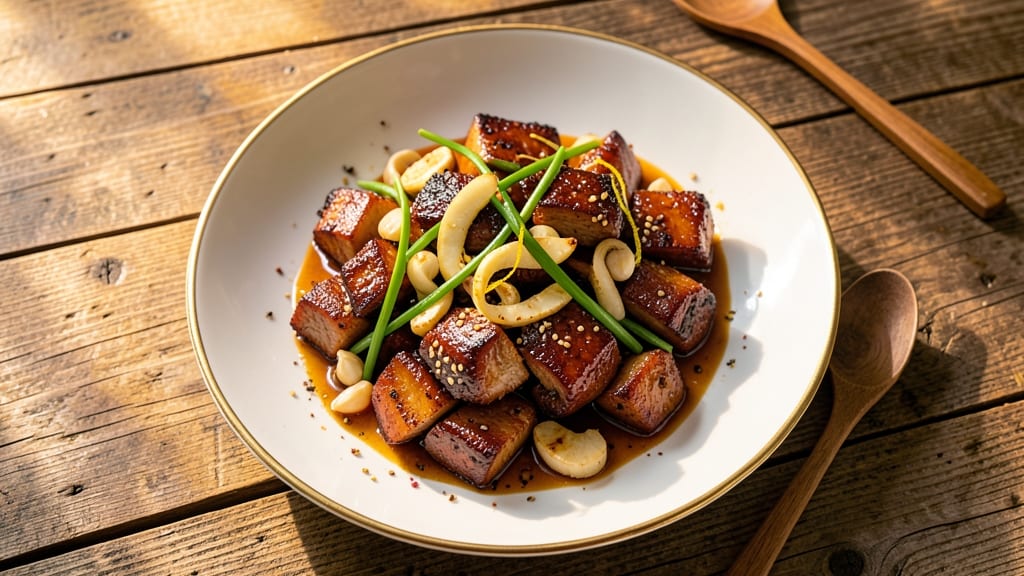
This Chinese ginger pork stir fry delivers the perfect balance of wok-hot crispy edges and silky tender bites—a technique I perfected after years of working with pork in my Atlanta kitchen.
The secret lies in a quick marinade that tenderizes while building layers of flavor, followed by high-heat stir-frying that creates that signature restaurant-style texture. I developed this recipe during a particularly busy week when I needed a dish that could transform simple ingredients into something extraordinary in under 30 minutes.
The foundation of this stir fry is fresh ginger—its sharp, aromatic punch cuts through the richness of the pork while adding depth that no dried substitute can match.
We'll use thinly sliced pork shoulder (never pre-cooked or frozen, as that ruins the texture), which develops a beautiful caramelized crust while staying tender inside. The stir-frying technique itself is what makes or breaks this dish—properly timed, it delivers that crispy exterior and tender core you crave.
What you'll end up with is a dish that's vibrant, aromatic, and packed with contrasting textures—crisp edges that give way to tender meat, all coated in a glossy sauce that's perfectly balanced between sweet, spicy, and umami.
The ginger's heat lingers just enough to wake up your palate, while the pork's natural richness keeps every bite satisfying. This is the kind of stir fry that disappears faster than you can say "second helping," and it pairs beautifully with steamed jasmine rice or a simple cucumber salad.
Whether you're cooking for a weeknight dinner or preparing for a gathering, this recipe delivers restaurant-quality results without the fuss. The key is in the technique—high heat, quick cooking, and proper timing.
Let's get started on creating this crowd-pleasing classic that tastes like it came straight from a bustling Chinese wok.
Ingredients for chinese ginger pork stir fry
Fresh ginger and tender pork shoulder create the perfect stir-fry foundation—simple ingredients with restaurant-quality results.
| Ingredient | Amount | Notes |
|---|---|---|
| Pork Shoulder 🥩 | 1 ½ lb | Thinly sliced against grain |
| Fresh Ginger 🌿 | ½ cup | Julienned, skin removed |
| Soy Sauce 🍶 | ½ cup | High-quality, low-sodium preferred |
| Sesame Oil 🫒 | 1 tbsp | Toasted, for aroma |
| Honey 🍯 | 2 tbsp | Pure, for sweetness |
| Garlic Cloves 🧄 | 6 cloves | Minced, fresh preferred |
| Scallions 🧅 | ¼ cup | Thinly sliced, white and green |
| Red Bell Pepper 🌶️ | 1 whole | Thinly sliced, seeds removed |
| Neutral Oil 🫒 | 2 tbsp | High smoke point (avocado or grapeseed) |
| Cornstarch 🌾 | 1 tbsp | For tenderizing pork |
| White Pepper 🌶️ | ½ tsp | Freshly ground for heat |
| Red Pepper Flakes 🔥 | ½ tsp | Adjust for spice preference |
| Jasmine Rice 🍚 | 1 ½ cups | Uncooked, for serving |
| Sesame Seeds 🌰 | 1 tsp | Toasted, for garnish |
| Salt 🧂 | 1 tsp | Kosher or sea salt |
The pork shoulder is non-negotiable here—look for well-marbled cuts at your local butcher or Costco for the best quality. Thinly slicing against the grain is key; ask the meat counter to do this for you if you're not comfortable with a sharp knife. Fresh ginger is a must—nothing beats the vibrant, sharp flavor of freshly julienned root. I always grab extra at Asian markets where they sell it in large chunks; it keeps for weeks in the freezer. The scallions and bell pepper add vibrant color and crunch, so pick firm, crisp vegetables—no wilted stalks here.
No fresh ginger? Substitute 1 tbsp of ginger paste (like Kikkoman), but you'll lose some texture. Short on soy sauce? Coconut aminos work in a pinch, though the flavor profile shifts slightly. The cornstarch is crucial for tenderizing—don't skip it, even if you're using pre-sliced pork. For extra heat, add a dash of chili crisp or Sichuan peppercorns if you're feeling adventurous. The sesame oil should be toasted—regular sesame oil lacks that nutty aroma. If you can't find toasted, toast your own by gently heating it in a pan for 30 seconds, then cooling before using.
This stir-fry reheats beautifully—just add a splash of water to the wok and stir over high heat. Keeps for 3-4 days in the fridge, though it's best enjoyed fresh. The rice? Cook it ahead and keep it warm in a rice cooker or covered pot—nothing worse than dry, sad stir-fry rice. For leftovers, portion into containers with a little extra sauce to keep everything moist. The ginger flavor actually intensifies overnight, so second-day stir-fry is often the best.
Why You'll Love This Recipe
- Pork in 15 Minutes: I swear, this is the stir-fry that finally convinced me to stop ordering takeout. Thinly sliced pork shoulder cooks fast—no waiting for tough cuts to tenderize—and the ginger’s sharp bite cuts through the richness. Honestly, I’ve made it while microwaving leftovers in the same kitchen.
- Sweet-Spicy Magic: That honey-soy glaze? It’s where this dish gets its soul. The sesame oil adds a nutty depth, while the ginger keeps it bright and lively—not too heavy, not too bland. My husband always asks for seconds, and I’ve caught him sneaking bites straight from the pan.
- Lunchbox Hero: Between us, this is my go-to for meal prep. The flavors hold up for days, and it reheats like a dream—just toss it in the microwave with a splash of water. Pack it in bento boxes or serve it over rice; my kids actually eat their veggies with this in the mix.
- Budget-Friendly Powerhouse: Pork shoulder stretches farther than you’d think, and the ingredients? Basic stuff you already have. A little sesame oil and fresh ginger transform cheap cuts into something restaurant-worthy. I’ll be real: this is how I feed my family well without breaking the bank.
Step-by-step instructions for Chinese ginger pork stir fry
Here's how to achieve that perfect balance of wok-heat crispiness and melt-in-your-mouth tenderness.
Prepare the Pork for Maximum Tenderness
In a medium bowl, combine the 1.5 lb pork shoulder, 1 tbsp cornstarch, 1 tsp salt, 0.5 tsp white pepper, and 0.5 tsp red pepper flakes. Use your hands to work the cornstarch mixture into the pork until every piece is evenly coated. This creates a protective barrier that locks in juices while developing that signature silky texture.
Let the pork marinate for at least 30 minutes in the refrigerator. I like to slice it against the grain into ¼-inch thick pieces while it marinates—this ensures each bite has that signature tender pull. If you're short on time, even 15 minutes will help, but longer marinating develops more flavor.
Cook the Jasmine Rice to Perfection
Rinse the 1.5 cups jasmine rice under cold water until the water runs clear, then drain well. Cook according to package instructions, but here's my pro tip: use 1.5 cups water for the rice and add 1 tsp sesame oil to the cooking water. This infuses subtle nutty aroma throughout the grains. The rice should be tender but still have a slight bite—al dente—when ready to serve.
While the rice cooks, prepare your stir-fry sauce by mixing together the 0.5 cup soy sauce, 2 tbsp honey, and 1 tbsp sesame oil in a small bowl. Set aside—this sweet-savory sauce will be the star of your dish. The honey balances the soy's saltiness while adding depth of flavor that caramelizes beautifully during cooking.
Build the Stir-Fry Base with Aromatics
Heat a wok or large skillet over high heat until a drop of water sizzles and evaporates instantly. Add the 2 tbsp neutral oil and swirl to coat the pan. Add the 6 cloves minced garlic and 0.5 cup julienned fresh ginger, stirring constantly for 30 seconds until fragrant but not browned—ginger burns faster than you think.
Add the 1 whole red bell pepper and 0.25 cup sliced scallions, stirring for 1-2 minutes until the vegetables begin to soften slightly but still retain their vibrant color. This quick cook preserves their crisp texture while building flavor. If your pan isn't hot enough, you'll get mushy vegetables instead of the bright, al dente bite we want.
Stir-Fry the Pork to Crispy Perfection
Working in batches if needed, add the marinated pork to the wok. Stir-fry for 3-4 minutes until the edges develop golden brown crispiness while the centers remain silky tender. Here's the key: don't overcrowd the pan—this steams the pork instead of searing it. If your pork releases easily from the pan, it's ready. If it sticks, add another ½ tablespoon neutral oil and stir.
Pour the prepared sauce over the pork and stir vigorously for 1-2 minutes until everything is evenly coated and the sauce has slightly thickened. The pork should be glossy from the sauce but still retain its crisp edges. Taste and adjust seasoning—you might want to add a splash of water if the sauce becomes too thick during cooking.
Finish and Serve Immediately
Transfer the stir-fried pork to a serving platter and sprinkle with 1 tsp toasted sesame seeds for texture and aroma. Serve immediately over the cooked jasmine rice, ensuring each serving gets both the rice and the pork mixture. The contrast of the warm, fragrant rice with the slightly sweet, umami-rich pork creates the perfect balance of flavors.
For the ultimate presentation, garnish with additional sliced scallions and serve with extra soy sauce on the side. This dish tastes best when served immediately while the pork retains its crisp edges and vibrant colors. The residual heat from the wok keeps everything hot and delicious straight from the pan to your plate.
Pro Tips For Making Chinese Ginger Pork Stir Fry
- Slice Thin, Then Rest: Pork shoulder fights back when raw—thin slices (¼-inch max) cook faster, but they’ll still shrink. After slicing, toss them with a pinch of salt and let sit 10 minutes. This keeps them from curling into tough little scrolls while stir-frying.
- Grate Ginger, Don’t Mince: I used to chop ginger into matchsticks, and it’d sit in clumps no matter how much I stirred. Now I grate it—fine, not paste—so it dissolves into the sauce and infuses every bite. (Yes, even if you’re impatient like me.)
- Start Hot, Then Tame: Blister the pork in a screaming-hot wok for 30 seconds before adding anything else. Once you toss in the ginger and soy, drop the heat to medium-high. Rushing the initial sear makes the pork greasy; letting it cook too slow turns it rubbery.
- Deglaze with Honey Last: Add the soy sauce early—it needs time to mingle with the ginger and pork juices. But save the honey until the very end. Toss it in right after the pork is nearly done, then hit it with a splash of water to create a glossy, caramelized finish. (Your future self will thank you.)
Storing and reheating this dish
Fridge Storage Secrets
Let your stir-fry cool completely before storing—this prevents condensation that makes pork soggy. Transfer to an airtight container with a splash of sauce to keep everything moist. I use glass Pyrex with snap-on lids because they stack neatly in my fridge and keep flavors vibrant for 3-4 days.
The ginger's sharpness actually intensifies overnight, making second-day stir-fry even more flavorful. 🌿
Freezer Magic
For longer storage, divide into single-serving portions in freezer-safe containers. Press plastic wrap directly on the surface to prevent freezer burn. This stir-fry stays delicious for up to 3 months—just thaw overnight in the fridge before reheating.
I mark containers with dates to track freshness, and trust me, the pork's texture remains surprisingly crisp after freezing. ❄️
Stovetop Revival
My preferred reheating method: place the stir-fry in a wok or skillet over medium-high heat with 1-2 tbsp water. Stir constantly for 3-4 minutes until piping hot—this restores that wok-heat crispiness.
The residual cornstarch helps recreate the original texture. For extra flavor, add a fresh minced garlic clove and ½ tsp sesame oil while reheating. 🔥
Microwave Shortcut
When I'm in a hurry, I use the microwave on 70% power for 1-2 minutes, stirring halfway. Add 1 tbsp water to prevent drying, then cover with a damp paper towel.
The texture won't be as crisp as stovetop, but it's still delicious and ready in under 2 minutes. This works best for individual portions rather than the whole batch. ⏱️
Rice Rescue
Reheating the rice separately is key—it dries out stir-fry faster than anything. Cook fresh rice alongside your reheated stir-fry, or revive day-old rice by steaming it for 2-3 minutes with a splash of water.
I keep a small pot of rice warm in my rice cooker specifically for stir-fry leftovers. The contrast of warm rice with reheated pork makes it taste almost as good as fresh! 🍚
Garnish Refresh
Before serving reheated stir-fry, brighten it up with fresh toasted sesame seeds and sliced scallions. The crunch and aroma cut through any reheating softness. A drizzle of fresh soy sauce (not the reheated version) adds that restaurant-quality finish.
I also keep a small bowl of chili crisp on hand for those who want extra heat—it's the perfect topping for reheated versions. 🌶️
Nutrition facts
Frequently asked questions
Can I substitute pork shoulder with another cut?
For best results, stick with pork shoulder—it's the most flavorful and tender option. If you must substitute, use pork tenderloin (trimmed of fat) or pork loin, but slice them ⅛-inch thick and marinate for only 10-15 minutes to avoid over-tenderizing. Avoid fatty cuts like pork belly, as they won't develop the same crisp texture.
How do I get that perfect wok-heat crispiness?
The secret is a ripping hot wok and proper timing. Heat your pan until a drop of water sizzles instantly, then work in small batches—overcrowding steams instead of sears. Stir continuously for 3-4 minutes until edges turn golden brown. A high-smoke-point oil like avocado or grapeseed prevents burning while building flavor.
What if I don't have fresh ginger?
Use 1 tbsp of ginger paste (like Kikkoman) as a substitute, but you'll lose some texture. For deeper flavor, combine ½ tsp ground ginger with ½ tsp sugar—the sugar mimics fresh ginger's natural sweetness. Never use powdered ginger alone, as it lacks the complex aroma of fresh.
Can I make this dish ahead of time?
Yes, but serve it within 2 days for best texture. Store in an airtight container with a splash of sauce to prevent drying. Reheat in a wok over medium-high heat for 3-4 minutes with 1 tbsp water, stirring constantly. The ginger flavor actually intensifies overnight, making it even more aromatic!
How spicy should this be?
The recipe includes ½ tsp red pepper flakes, which gives a mild kick. For more heat, add 1 tsp chili crisp or ½ tsp crushed Sichuan peppercorns (for numbing heat). If you prefer less spice, reduce the red pepper flakes to ¼ tsp or omit entirely. The ginger's natural sharpness balances any added heat.