
Main Courses
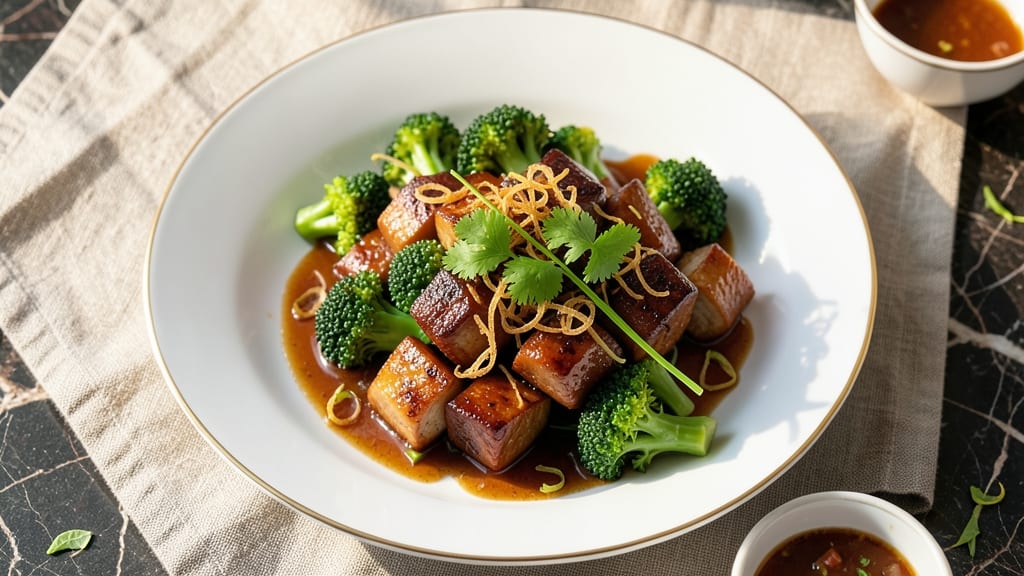
This Chinese pork and broccoli recipe delivers the restaurant-quality wok-tossed crunch and silky sauce that makes it a staple across Chinese-American tables.
The secret lies in the five-spice marinade that tenderizes the pork while building layers of aromatic complexity, paired with a sauce that balances sweet, salty, and umami in perfect harmony.
I've perfected this technique over years of wok work—where high heat and quick cooking preserve the broccoli's vibrant crunch while rendering the pork into tender, caramelized bites.
The foundation begins with a simple yet transformative marinade of five-spice powder, soy sauce, and cornstarch that creates that signature crispy exterior.
While the pork develops flavor, the broccoli gets its moment to shine—blanched just enough to soften slightly before the final wok toss, where it absorbs the sauce while maintaining its bright green color and satisfying snap.
This isn't just stir-fry; it's a symphony of textures and flavors that comes together in under 30 minutes with minimal prep.
What makes this recipe truly special is the sauce—a velvety blend of oyster sauce, hoisin, and a touch of honey that coats every bite without overwhelming the natural flavors.
The wok hei (breath of the wok) technique ensures each piece gets properly seared, creating that smoky aroma that makes your kitchen smell like a bustling Cantonese restaurant. The result?
Pork with crispy edges and tender centers, broccoli that stays vibrant and crunchy, all bathed in a sauce that's rich yet balanced.
Serve this over steamed jasmine rice to soak up every last drop of that silky sauce, or pair it with egg noodles for a heartier meal. The beauty of this dish is its versatility—it's perfect for weeknight dinners or weekend gatherings, and it reheats beautifully for leftovers. Let's get cooking!
Ingredients for chinese pork and broccoli
Here's what you'll need to recreate that signature wok-tossed crunch and velvety sauce at home.
| Ingredient | Amount | Notes |
|---|---|---|
| Boneless Pork Shoulder 🥩 | 1 ½ lb | Cut into 1-inch cubes |
| Fresh Broccoli 🥦 | 2 cups | Florets cut into bite-sized pieces |
| Five-Spice Powder 🌶️ | 1 tbsp | Authentic Chinese blend |
| Light Soy Sauce 🥄 | ½ cup | Kikkoman preferred |
| Cornstarch 🌾 | 2 tbsp | For crispy coating |
| Oyster Sauce 🍲 | ¼ cup | Lee Kum Kee brand |
| Hoisin Sauce 🍜 | 1 tbsp | For umami depth |
| Honey 🍯 | 1 tbsp | Wildflower preferred |
| Sesame Oil 🫒 | 1 tbsp | Toasted for aroma |
| Garlic Cloves 🧄 | 4 cloves | Minced for marinade |
| Ginger Root 🌿 | 1 tbsp | Freshly grated |
| Vegetable Oil 🫒 | ½ cup | High smoke point |
| Green Onions 🧅 | 3 whole | Sliced for garnish |
| Salt 🧂 | ½ tsp | Kosher preferred |
| Black Pepper 🌶️ | ¼ tsp | Freshly ground |
The pork shoulder is key here—it stays tender while developing that signature crispy exterior. Look for well-marbled cuts at your local Asian market or butcher shop, as they often carry higher-quality pork than regular grocery stores. I always grab Kikkoman soy sauce and Lee Kum Kee oyster sauce for that authentic restaurant flavor, but store brands work too if you're pinching pennies. The five-spice powder should be labeled 'authentic Chinese blend'—avoid generic 'Asian seasoning' mixes, which often lack the proper balance of spices. Fresh ginger and garlic are non-negotiable for that bright, aromatic punch, so don't use powdered substitutes.
No five-spice powder? Mix 1 tsp each of cinnamon, fennel, cloves, star anise, and peppercorn—it's not identical, but it'll get you close. Short on oyster sauce? Substitute with 2 tbsp soy sauce plus 1 tsp sugar, though the umami won't be quite as deep. The cornstarch is crucial for that crispy texture—don't skip it or use flour as a substitute. As for broccoli, fresh is best, but frozen works in a pinch if you're short on time. Just make sure to thaw and drain it well before cooking. The sesame oil should be toasted—look for dark bottles in the Asian aisle, not the light-colored 'cooking oil' variety.
Marinated pork keeps 3-4 days in the fridge, so prep ahead if you're short on time. Broccoli should be blanched just before stir-frying to maintain its vibrant color. Leftovers reheat beautifully—microwave for 1-2 minutes with a splash of water to revive that crispy texture. Store in airtight containers for up to 3 days, or freeze for 2 months. The sauce thickens as it cools, so you can always thin it with a splash of water when reheating.
Why You'll Love This Recipe
- I swear by this trick: toss everything—pork, broccoli, even the sauce—into one skillet. Five minutes later, I’m done. No messy pans, no chopping board chaos, just that satisfying sizzle and smell filling my kitchen.
- One-Pan Magic: I swear by this trick: toss everything—pork, broccoli, even the sauce—into one skillet. Five minutes later, I’m done. No messy pans, no chopping board chaos, just that satisfying sizzle and smell filling my kitchen.
- Five-Spice Secret Weapon: That little jar of five-spice powder? It’s the MVP here. Warm cinnamon, star anise, and clove in every bite—it’s like a cozy hug for your taste buds, especially when it clings to the tender pork and crispy broccoli florets.
- Leftovers That Don’t Suck: Between us, most takeout leftovers are sad. Not this. The sauce thickens beautifully when reheated, and the pork stays juicy. I’ve made this three times in a week, and it’s still just as good—hot or cold, in wraps or over rice.
Step-by-step instructions for wok-tossed five-spice pork and broccoli
Here's how to achieve that signature Chinese restaurant texture—crispy pork, tender broccoli, and a glossy five-spice sauce.
Prepare the Pork for Maximum Crunch
Cut the 1.5 lb boneless pork shoulder into 1-inch cubes and place them in a large bowl. In a small bowl, whisk together the 0.5 cup light soy sauce, 1 tbsp honey, 1 tbsp hoisin sauce, 1 tbsp freshly grated ginger root, 4 minced garlic cloves, and 1 tbsp five-spice powder. Pour this marinade over the pork and toss gently to coat evenly.
Let the pork marinate at room temperature for 15 minutes while you prepare the broccoli. This brief marinating time ensures the five-spice blend penetrates the meat without over-saturating it. The pork should look glossy and well-coated—this guarantees both flavor and texture when we cook it.
In a separate bowl, toss the 2 cups fresh broccoli florets with 2 tbsp cornstarch. This creates a light, crispy coating that contrasts beautifully with the tender pork. The cornstarch will caramelize during cooking, giving you that signature restaurant-style crunch.
Create the Five-Spice Sauce Base
In a small saucepan, combine the 0.25 cup oyster sauce, 1 tbsp sesame oil, and 0.5 tsp salt. Place over medium-low heat and simmer gently for 3-4 minutes until the mixture thickens slightly but remains smooth. This sauce will form the velvety foundation of your dish.
Remove the sauce from heat and set aside. Here's the thing—oyster sauce has a natural depth that needs to be respected. Simmering it just enough to meld the flavors without reducing it too much ensures it remains silky when combined with the other elements later. The sesame oil adds that aromatic finish we all love in Chinese cuisine.
Cook the Pork to Golden Perfection
Heat 0.25 cup vegetable oil in a wok or large skillet over medium-high heat until shimmering. Working in batches if needed, add the marinated pork and cook undisturbed for 2-3 minutes until the edges turn golden brown. This initial sear creates that beautiful crust we're after.
Once the pork is browned on one side, stir and cook for another 2-3 minutes until all pieces are evenly golden. The pork should release easily from the pan—if it sticks, your oil isn't hot enough. Transfer the cooked pork to a plate and set aside. Don't clean the pan yet; those flavorful browned bits are crucial for the sauce.
Stir-Fry the Broccoli and Combine
In the same wok, add a bit more vegetable oil if needed (about 1 tablespoon) and increase heat to high. Add the cornstarch-coated broccoli and stir-fry for 2-3 minutes until the edges begin to crisp. The broccoli should retain some bite—it'll finish cooking when combined with the pork.
Return the pork to the wok and pour in the prepared five-spice sauce. Toss everything together vigorously for 1-2 minutes until the pork and broccoli are evenly coated and the sauce has thickened slightly. The dish should look glossy and inviting—this is where all the flavors come together.
Finish with Green Onions and Serve
Remove from heat and immediately stir in the 3 sliced green onions. These add a fresh contrast to the rich, spiced pork and broccoli. Taste and adjust seasoning if needed—you might want to add a splash more light soy sauce if the dish needs more saltiness, or a touch of honey if it needs balancing sweetness.
Serve immediately over steamed rice or noodles while everything is still hot and crisp. The contrast of textures—crispy pork, tender broccoli, and silky sauce—is what makes this dish so satisfying. Each bite should deliver that perfect balance of five-spice warmth, umami from the oyster sauce, and fresh green onion brightness.
Pro Tips For Making Chinese Pork And Broccoli
- CUT PORK INTO UNEVEN PIECES: I learned this the hard way—slicing pork shoulder into thick, uniform chunks makes them cook unevenly. Instead, cut some pieces slightly thicker (½-inch) and others thinner (¼-inch) so they all hit tender-perfect at the same time. The thinner bits crisp up faster, while the thicker ones stay juicy.
- DON’T OVERCOOK THE BROCCOLLI: Broccoli turns to mush faster than you think. Start it in the wok after the pork is nearly done—just 2-3 minutes max in the high heat. If you blanch it first or toss it in too early, you’ll end up with sad, limp florets instead of crisp-tender bites.
- USE CORNSTARCH SLURRY, NOT FLOUR: Flour makes the sauce clumpy and dull. Mix 1 tablespoon cornstarch with 2 tablespoons cold water (yes, cold—this matters) and stir it into the sauce after the pork is cooked. The slurry will thicken instantly without that pasty texture.
- SALT THE PORK BEFORE SEASONING: Skip the salt until the very end—unless you want a bland, watered-down dish. After the pork browns and you’ve added soy sauce and five-spice, sprinkle in a pinch of salt (½ teaspoon) and toss. This balances the flavors without overpowering the natural taste of the meat.
Flavor customization for this recipe
Spicier Heat Kick
For those who love their pork and broccoli with a fiery punch, add 1 teaspoon of chili crisp or 1 tablespoon of gochujang to the sauce mixture.
I like to toast 1 teaspoon of Sichuan peppercorns in a dry pan for 30 seconds before grinding them into the marinade—this adds a numbing, citrusy heat that's uniquely Chinese. 🌶️
If you prefer a sweeter heat, stir in 1 teaspoon of chili flakes with 1 tablespoon of honey into the sauce. The honey balances the spice beautifully, creating a caramelized glaze on the pork.
Trust me, this combo transforms the dish into a sweet-spicy sensation that'll have everyone asking for seconds.
Sweet and Tangy Twist
Swap the honey for 1 tablespoon of rice vinegar and add 1 teaspoon of sugar to the sauce for a tangy-sweet profile. This variation mimics the flavors of Char Siu-style pork while keeping the dish's signature texture. The vinegar brightens the umami flavors, making each bite feel fresh and complex.
For extra depth, add 1 tablespoon of plum sauce to the marinade. It adds a fruity tang that pairs perfectly with the five-spice blend. I often use this variation when serving the dish during holiday gatherings—it's a crowd-pleaser that feels special without being overly complicated.
Umami Bomb Boost
Elevate the dish with an extra 1 tablespoon of fermented black beans (chih tau) in the sauce. These beans add a deep, funky umami that's characteristic of Cantonese cuisine.
I like to toast them lightly in the wok before adding the other ingredients—this enhances their flavor and adds a smoky aroma. 🍜
For a vegetarian-friendly umami boost, stir in 1 tablespoon of mushroom powder (like umami powder) into the sauce. It mimics the depth of oyster sauce without using animal products. This variation works especially well if you're serving the dish to guests with dietary restrictions.
Herbaceous Freshness
Finish the dish with 1 tablespoon of chopped cilantro or 1 tablespoon of Thai basil instead of green onions. These herbs add a bright, aromatic freshness that cuts through the richness of the pork and sauce.
I often use this variation when serving the dish with a spicy peanut sauce on the side—it creates a perfect balance of flavors.
For a more traditional Chinese approach, add 1 teaspoon of preserved mustard greens (ya cai) to the sauce. These pickled greens add a tangy, slightly sour note that enhances the overall complexity of the dish.
They're a staple in many Chinese households and can be found in the Asian grocery aisle.
Smoky Charred Crunch
Take your dish to the next level by adding 1 teaspoon of smoked paprika to the marinade. This gives the pork a subtle smoky depth that pairs beautifully with the five-spice blend.
For an even smokier flavor, grill the pork over charcoal or a gas grill for the last 2 minutes of cooking. 🔥
If you don't have a grill, create a smoky aroma by adding 1 teaspoon of liquid smoke to the sauce. Use it sparingly—just a few drops are enough to enhance the dish without overpowering it. This trick is especially useful if you're cooking indoors and want that outdoor BBQ flavor.
Nutrition facts
Frequently asked questions
Can I substitute chicken for pork in this recipe?
Yes, but adjust the cooking time! Chicken cooks faster than pork, so use 1 lb boneless chicken thighs cut into 1-inch pieces and reduce marinating time to 10 minutes. Cook the chicken for 3-4 minutes per side until internal temperature reaches 165°F. The cornstarch coating will still give you that crispy texture, but chicken stays juicier than pork when stir-fried.
Why does my broccoli turn mushy instead of staying crisp?
Overcooking is the most common culprit! Broccoli should cook for just 2-3 minutes in the wok—it'll finish cooking when combined with the pork. Start with fresh, firm broccoli and cut florets into even sizes. If using frozen, thaw and drain completely before cooking. Also, ensure your wok is properly heated before adding oil—cold oil causes steaming instead of searing.
How can I make this dish less sweet?
Reduce the honey to ½ tablespoon and increase the soy sauce to ⅓ cup in the marinade. For the sauce, omit the honey entirely and add ½ teaspoon of white pepper to enhance the umami without sweetness. The five-spice powder already adds natural warmth without sugar, so you'll maintain that signature flavor profile while making it more savory.
Can I make this recipe in a regular skillet instead of a wok?
While a wok gives that signature "wok hei" (breath of the wok) aroma, a 12-inch cast iron skillet works perfectly. Heat it on medium-high until smoking hot, then cook in batches if needed. Stir constantly to prevent sticking, and add 1 extra tablespoon of oil to help create that crispy texture. The flavor won't be identical, but you'll still get delicious results!
What's the best way to reheat leftovers?
Reheat in a skillet over medium heat with 1 teaspoon of oil and 1 tablespoon of water for 2-3 minutes to restore crispiness. Microwave reheating works too—cover with a damp paper towel and heat for 45-60 seconds. The sauce may thicken when cold, so thin with a splash of water if needed. Store leftovers in airtight containers for up to 3 days.