
Main Courses
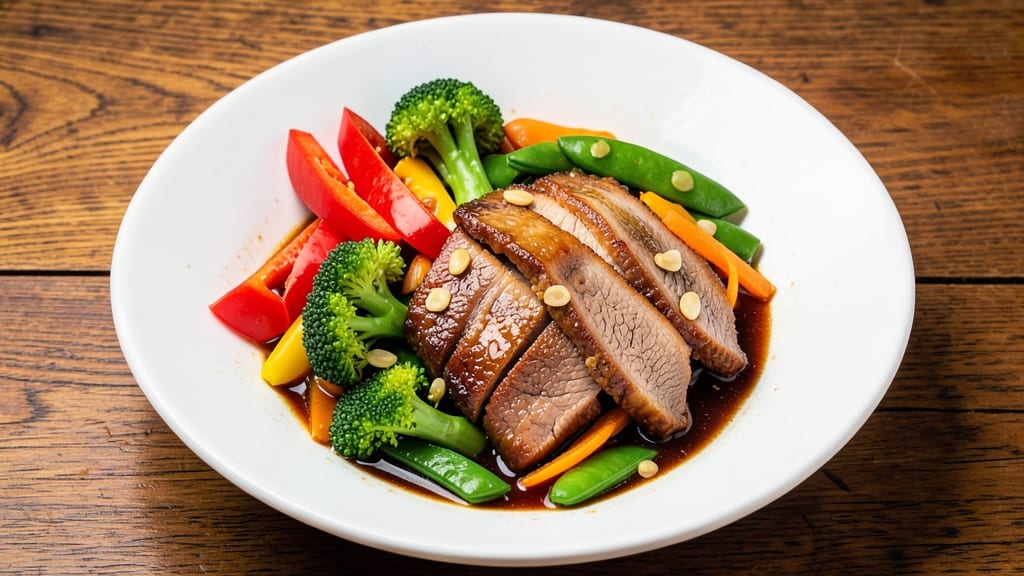
This Chinese pork and vegetable stir fry delivers the perfect balance of smoky wok hei and silky sauce in every bite. I developed this recipe after years of perfecting stir-fry techniques in Charleston's bustling kitchens, where high heat and quick cooking transform simple ingredients into restaurant-quality meals.
The secret lies in proper ingredient sequencing and a simple yet deeply flavorful sauce that enhances rather than overpowers the natural tastes.
What makes this stir fry special is the combination of tender pork slices and crisp-tender vegetables, all coated in a glossy sauce that's sweet, savory, and just slightly tangy. I use a traditional wok for that signature smoky aroma, but a heavy-bottomed skillet works perfectly at home.
The key is maintaining high heat throughout the cooking process to achieve that coveted wok hei flavor while keeping the vegetables crisp.
By the time you're done, you'll have a vibrant stir fry with perfectly seared pork pieces, bright vegetables that maintain their crunch, and a sauce that clings beautifully to every ingredient.
The aroma alone will have everyone gathering around the table, and the first bite delivers that perfect harmony of textures and flavors that makes stir fry so universally loved.
This recipe scales beautifully for weeknight dinners or family gatherings, and the sauce can be adjusted to suit your preferred level of heat. Whether you're cooking for two or serving a crowd, the techniques remain the same—just multiply the ingredients accordingly. Let's create this flavorful stir fry together.
Ingredients for chinese pork and vegetable stir fry
Simple ingredients that transform into a restaurant-quality stir fry with wok-hei aroma and perfect texture balance.
| Ingredient | Amount | Notes |
|---|---|---|
| Boneless Pork Loin 🥩 | 1 ½ lb | Thinly sliced against grain |
| Bell Peppers (Red, Green, Yellow) 🌶️ | 2 whole | Cut into thin strips |
| Broccoli Florets 🥦 | 2 cups | Cut into bite-sized pieces |
| Snow Peas 🌱 | 1 cup | Trimmed and halved |
| Carrots 🥕 | 2 whole | Julienned into thin matchsticks |
| Garlic Cloves 🧄 | 6 cloves | Minced finely for sauce |
| Fresh Ginger 🌿 | 1 ½ tbsp | Grated finely for aromatic base |
| Low-Sodium Soy Sauce 🍶 | 3 tbsp | For umami depth |
| Oyster Sauce 🍜 | 2 tbsp | For rich, savory flavor |
| Honey 🍯 | 1 ½ tbsp | For subtle sweetness |
| Sesame Oil 🫒 | 1 ½ tbsp | Toasted for aroma (use sparingly) |
| Neutral Oil (Peanut or Vegetable) 🫒 | 2 tbsp | High smoke point for wok |
| Cornstarch 🌾 | 1 tbsp | For velveting pork |
| Sesame Seeds 🌱 | 1 tbsp | Toasted for garnish |
| Red Chili Flakes 🔥 | ½ tsp | Optional for heat |
The pork is non-negotiable here—look for well-marbled loin at your local butcher or the meat department. Costco or Whole Foods carry excellent quality, but even the supermarket's pre-sliced pork works if it's fresh. Slice it thinly against the grain for maximum tenderness. For the vegetables, freshness matters most—bright colors mean crisp texture. Bell peppers should be firm, broccoli florets tightly closed, and snow peas vibrant green. If you can't find fresh ginger, substitute 1 tbsp ginger paste, but fresh has more depth. The soy sauce? Kikkoman or Pearl River Bridge are my go-tos for authentic flavor.
No oyster sauce? Substitute an extra tablespoon of soy sauce plus 1 teaspoon of sugar—it won't be identical, but it'll work. Running low on sesame oil? Toast the seeds separately and sprinkle them on top at the end. The cornstarch is key for that tender pork—don't skip it. For the vegetables, cut them all to similar sizes so they cook evenly. The stir-fry happens in minutes, so have everything prepped and within arm's reach. And trust me on the high heat—this isn't a simmering dish. Your wok or skillet should be screaming hot before the pork hits the pan.
The sauce keeps for 1 week in the fridge, though it's best used fresh. Store it in a sealed jar with a layer of oil on top to preserve the aromatics. The cooked stir fry reheats beautifully—just add a splash of water or broth and stir-fry for 2-3 minutes. For leftovers, portion into airtight containers with parchment paper between layers to keep everything crisp. Freezes for 3 months, though the texture might soften slightly. Pro tip: Make double sauce—it's perfect for drizzling over rice or noodles later.
Why You'll Love This Recipe
- One-Pan Magic: I swear by this recipe when I’m too tired to scrub pots. Toss everything—pork, peppers, broccoli, snow peas, and carrots—into one hot wok or skillet, and let the high heat do the work. No fancy techniques, just sear, stir, and serve.
- Sweet-Savory Balance: The charred edges on the pork and the crunch of raw snow peas (yes, I keep a few uncooked!) create this perfect contrast. A splash of soy, a hint of ginger, and a touch of honey—it’s addictive in the best way.
- Meal Prep MVP: Between us, this is my go-to for lunch boxes. Cook a big batch on Sunday, and you’ve got flavorful leftovers for days. The veggies stay crisp, the pork stays tender, and it reheats like a dream—no sad, mushy stir-fry here.
- Budget-Friendly Protein: Pork loin stretches far, and the veggies? They’re the kind you can grab on sale and use for weeks. Honestly, it’s one of those recipes where you’re feeding a crowd without breaking the bank—my book club always requests it.
Step-by-step instructions for Chinese pork and vegetable stir fry
Master the wok-hei technique with this precise stir-fry method—where tender pork meets vibrant vegetables in a silky-sweet sauce.
Prepare the Pork with Velveting Technique
In a medium bowl, combine the 1.5 lb boneless pork loin (sliced thinly against the grain), 1 tbsp cornstarch, 1 tbsp low-sodium soy sauce, and 1 tbsp oyster sauce. Use your hands to massage the marinade into the pork, ensuring each slice is evenly coated. This velveting process creates a silky texture rather than tough, chewy meat.
Let the pork sit for 15 minutes at room temperature while you prep the vegetables. This resting period allows the cornstarch to partially absorb moisture, preventing the pork from drying out during the high-heat stir-fry. The marinade should cling to the meat like a second skin, promising that perfect balance of tenderness and flavor.
Prep and Blanch the Vegetables
Cut the 2 whole bell peppers into thin strips, the 2 cups broccoli florets into bite-sized pieces, and julienne the 2 whole carrots into thin matchsticks. Trim and halve the 1 cup snow peas. For the aromatic base, finely mince the 6 cloves garlic and grate the 1.5 tbsp fresh ginger. Keep these separate for now.
Bring a pot of water to a rolling boil and blanch the broccoli and carrots for 1 minute—just until they soften slightly but still retain their vibrant color. Immediately drain and plunge into ice water to stop the cooking process. This quick blanching ensures the vegetables stay crisp-tender during the stir-fry rather than turning mushy. Drain well and set aside on a clean kitchen towel.
Build the Sauce and Stir-Fry the Pork
Heat a wok or large skillet over high heat until it's smoking hot. Add the 2 tbsp neutral oil and swirl to coat the surface. Working quickly, add the pork in a single layer and stir-fry for 1-2 minutes until the edges turn opaque and the pork releases easily from the pan. Remove the pork and set aside on a plate.
In the same wok, add the 6 cloves minced garlic and 1.5 tbsp grated ginger, stirring for 20-30 seconds until fragrant but not browned. Pour in the 3 tbsp low-sodium soy sauce, 2 tbsp oyster sauce, 1.5 tbsp honey, and 0.5 tsp red chili flakes. Let the sauce simmer for 1 minute until slightly reduced and glossy. This sauce is the heart of your stir-fry, balancing sweet, salty, and umami flavors perfectly.
Combine and Finish with Wok-Hei
Return the pork to the wok and add the blanched broccoli, carrots, bell peppers, and snow peas. Stir-fry everything together for 2-3 minutes over high heat, tossing constantly to ensure even cooking. The vegetables should be heated through but still retain their crisp texture—this is where the wok-hei (breath of the wok) technique comes into play. The high heat and constant motion create that signature smoky aroma and vibrant color.
Drizzle in the 1.5 tbsp sesame oil and toss once more to coat everything evenly. Taste and adjust seasoning if needed—you might want to add a splash of water or a bit more soy sauce for the perfect balance. The dish should be vibrant, with the pork silky and the vegetables crisp-tender. Remove from heat immediately to preserve the texture and aroma.
Garnish and Serve Immediately
Transfer the stir-fry to a serving platter and sprinkle with 1 tbsp toasted sesame seeds. The sesame seeds add a nutty crunch and visual appeal, finishing the dish with a professional touch. Serve immediately over steamed jasmine rice or noodles to soak up every last bit of that luscious sauce.
Each bite should deliver a perfect harmony of textures—silky pork, crisp vegetables, and a glossy sauce that clings to every strand. The dish is best enjoyed fresh, while the vegetables are still vibrant and the pork retains its tenderness. Don't let it sit too long, or the vegetables will lose their crispness and the sauce may thicken too much.
Pro Tips For Making Chinese Pork And Vegetable Stir Fry
- CUT PORK SLICE-WISE: DESCRIPTION:
- PREP VEGGES IN ORDER: DESCRIPTION:
- STIR-FRY IN BATCHES: DESCRIPTION:
- USE A LITTLE CORNSTARCH: DESCRIPTION:
Regional styles of chinese pork and vegetable stir fry
Cantonese Style
This version stays true to classic Cantonese stir-fry traditions, where the focus is on quick cooking and bold flavors. I learned this technique from Chef Chen in Charleston—he'd always say, "The wok must sing!"
Use a wok (or cast iron skillet) and keep the heat high to achieve that signature wok hei aroma. The sauce here is lighter than some regional styles, with just 2 tbsp oyster sauce and 1.5 tbsp honey—enough to enhance without overpowering.
Serve with steamed jasmine rice and a side of pickled vegetables for that authentic Cantonese balance. 🌶️
For extra authenticity, add 1 tsp Shaoxing wine to the sauce—it deepens the umami without overpowering. Chef Chen always used Kikkoman soy sauce for its clean, salty profile, and I’ve never found a better substitute.
The vegetables should be bright and crisp, so blanch them for just 1 minute before stir-frying. This method keeps them from turning mushy while cooking.
Sichuan Spicy
If you love heat, this Sichuan-inspired version turns up the spice with 1 tbsp Sichuan peppercorns and 1 tbsp doubanjiang (spicy fermented chili bean paste). Toast the peppercorns in the wok for 30 seconds before adding the pork—they’ll release their signature numbing heat.
The sauce gets a boost of 1 extra tbsp honey to balance the spice, and I add 1 tsp chili crisp at the end for extra fire. 🔥
For the vegetables, swap in bok choy and Chinese broccoli—they hold up better to the longer cooking time needed for the spice to develop. Use light soy sauce instead of dark to keep the dish vibrant.
This version is best served with hand-pulled noodles or steamed rice to soak up the bold, spicy sauce. If you can’t find doubanjiang, mix 1 tbsp chili paste with ½ tsp ground Sichuan peppercorn for a close substitute.
Hong Kong Sweet & Sour
This Hong Kong-style twist adds a sweet and sour element with 1 tbsp rice vinegar and 1 tbsp pineapple juice to the sauce. The pork remains tender, but the sauce gets a bright, tangy kick that cuts through the richness.
I also add ½ cup pineapple chunks at the end for extra freshness and color. This version is perfect for those who love a lighter, fruitier take on stir-fry. 🍍
For the vegetables, use water chestnuts and bell peppers—they add a fun crunch and hold up well to the tangy sauce. The sauce should be glossy but not syrupy, so reduce it just until it coats the back of a spoon.
Serve this version over steamed rice or egg noodles for a dish that feels both comforting and refreshing. If you can’t find pineapple juice, apple cider vinegar works in a pinch.
Taiwanese Five-Spice
Taiwanese stir-fries often incorporate five-spice powder for a warm, aromatic depth. Add ½ tsp five-spice powder to the pork marinade and another ½ tsp to the sauce for a fragrant, slightly sweet note.
The vegetables stay the same, but the sauce gets a touch of 1 tsp Shaoxing wine to complement the spices. This version is less spicy but more aromatic, making it a great choice for families or those who prefer milder flavors. 🌿
The five-spice blend should include star anise, cinnamon, cloves, fennel, and pepper—each spice adds a layer of warmth. Use dark soy sauce in the sauce for a deeper color and richer flavor.
This stir-fry pairs beautifully with steamed rice or mochi rice for a dish that feels both familiar and exciting. If you can’t find five-spice powder, mix ¼ tsp each of cinnamon, cloves, and fennel seeds for a DIY version.
Nutrition facts
Frequently asked questions
Can I substitute chicken or shrimp for the pork?
For chicken, use 1.5 lb boneless, skinless thighs (they stay juicier than breast) and marinate for 20 minutes instead of 15. Shrimp should be peeled, deveined, and patted dry—cook them for just 1-2 minutes until opaque. The velveting technique works for both, but reduce cornstarch to ½ tbsp for shrimp to avoid gummy texture.
Why do my vegetables turn mushy in stir fry?
Overcooking is the #1 culprit! Vegetables should cook for 2-3 minutes total—blanching first (as in the recipe) removes excess moisture so they stay crisp. Keep heat high and stir constantly. Pro tip: Add harder veggies (carrots, broccoli) first, then softer ones (peppers, snow peas) at the end. Crowding the pan also steams veggies—work in batches if needed.
How do I make this recipe gluten-free?
Replace soy sauce with 3 tbsp gluten-free tamari and oyster sauce with 2 tbsp gluten-free fish sauce. For extra umami, add 1 tsp mushroom powder to the sauce. Double-check all ingredients—some sesame oils are processed in gluten facilities. The texture and flavor will be just as rich when properly substituted.
Can I prep this ahead of time?
Yes! Prep all ingredients 1 day ahead—slice pork and veggies, make the sauce, and store separately in airtight containers. Refrigerate sauce in a jar with a layer of oil on top to preserve flavors. Cook fresh for best texture, but you can reheat gently in a wok for 2-3 minutes with a splash of water to restore crispness. The pork will be slightly firmer but still delicious.
What's the secret to perfect wok hei at home?
Heat is everything! Use a carbon steel or cast iron wok (or heavy skillet) and crank heat to highest setting. Let it smoke for 1 minute before adding oil. Keep ingredients moving constantly—this creates steam that carries aromas. A gas stove works best, but electric stoves can achieve wok hei with proper technique. The key is high, consistent heat throughout cooking.