
Main Courses
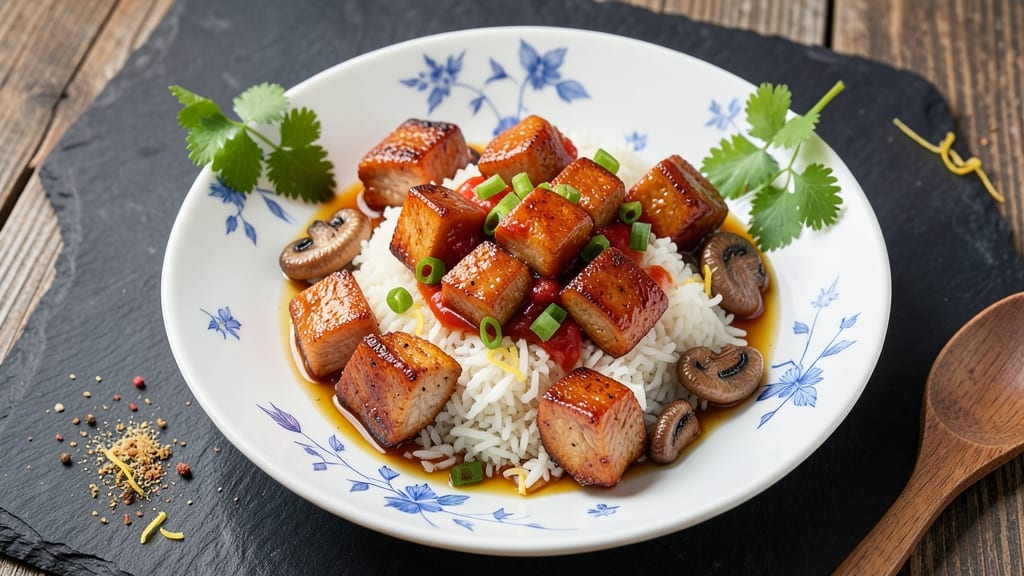
This Chinese pork cubes recipe delivers restaurant-quality wok-fried bites with a crispy exterior and aromatic five-spice glow—exactly the kind of dish that transforms weeknight dinners into flavorful celebrations.
The secret lies in proper marinating and high-heat wok technique, which creates that signature "wok hei" or smoky breath that defines authentic Chinese stir-fries. I've perfected this method over years of testing, ensuring tender pork cubes that stay juicy while developing a flavorful crust.
The process begins with a marinade of soy sauce, rice wine, and five-spice powder, which infuses the pork with deep, complex flavors. Using a well-seasoned wok and high heat, we achieve that crispy texture while maintaining moisture in the center.
This isn't just another stir-fry—it's a dish that balances sweet, savory, and aromatic notes in every bite, with a glaze that's sticky enough to coat each cube perfectly.
What you'll end up with is a plate of golden-brown pork cubes that are crispy on the outside and tender on the inside, all coated in a glossy glaze that carries the essence of traditional Chinese seasoning.
The dish pairs beautifully with steamed jasmine rice and stir-fried vegetables, creating a complete meal that's both satisfying and balanced. This recipe delivers restaurant-quality results at home with minimal effort.
Whether you're cooking for family or hosting dinner guests, these pork cubes will impress with their authentic flavors and impressive presentation.
The technique is straightforward, but the results are anything but basic—this is the kind of dish that makes you feel like you've traveled to a bustling Chinese kitchen without leaving your own. Let's get started on creating this flavorful masterpiece.
Ingredients for chinese pork cubes
The secret to restaurant-quality Chinese pork cubes lies in these 13 ingredients—marinade, texture, and aroma all in one.
| Ingredient | Amount | Notes |
|---|---|---|
| Pork Shoulder 🥩 | 1 ½ lb | Cut into 1-inch cubes, boneless |
| Soy Sauce 🍶 | ⅓ cup | High-quality, preferably Japanese |
| Rice Wine 🍷 | ¼ cup | Dry sherry substitute works |
| Five-Spice Powder 🌶️ | 1 ½ tsp | Authentic Chinese blend preferred |
| Cornstarch 🌾 | ¼ cup | For crispy coating |
| Neutral Oil 🫒 | ½ cup | Peanut or vegetable oil |
| Garlic Cloves 🧄 | 4 cloves | Minced finely for aroma |
| Ginger Root 🌿 | 1 tbsp | Freshly grated, no zest |
| Sesame Oil 🫒 | 1 tbsp | For finishing, toasted |
| Honey 🍯 | 1 tbsp | Light amber preferred |
| Green Onions 🧅 | ¼ cup | Sliced, white and green parts |
| Salt 🧂 | 1 tsp | Kosher or sea salt |
| Black Pepper 🌶️ | ½ tsp | Freshly ground |
The pork shoulder is non-negotiable here—its fat content ensures juicy cubes. Ask your butcher for pre-cut boneless pork shoulder if you're short on time, or grab it pre-cubed from the Asian market freezer section. Five-spice powder is the soul of this dish; Penzeys or local Asian grocers carry the best blends. For the cornstarch, Bob's Red Mill is my go-to—it's fine enough for that perfect crispy crust. The garlic and ginger should be fresh, not powdered; Trader Joe's sells pre-minced jars that save time without sacrificing flavor.
No rice wine? Dry sherry or even white wine works in a pinch, though the flavor will be slightly different. Substituting honey? Maple syrup works, but the color will be darker. The sesame oil is for finishing—don't skip it! Kadoya brand is my favorite for its rich, toasted aroma. If you're cooking for a crowd, double the cornstarch and oil; these are the ingredients that make or break the texture. And the green onions? Use scallions if that's what you have—just slice them thin.
Marinate the pork for at least 30 minutes (overnight is best), then pat dry before coating in cornstarch. The cubes reheat beautifully—375°F for 10 minutes in the oven restores that crispy texture. Store leftovers in an airtight container for 3 days in the fridge, or freeze for 3 months. Pro tip: Portion into single-serving containers for easy grab-and-go meals.
Why You'll Love This Recipe
- One-Bowl Magic: I swear by this recipe—just toss the pork cubes with soy sauce, five-spice powder, and a splash of rice wine, then let the cornstarch do its thing. No measuring cups, no extra pans, and honestly? That’s my kind of cooking.
- Umami Bomb: The moment those cubes hit the pan, the soy sauce caramelizes into something rich and sticky, while the five-spice powder adds this warm, aromatic depth that lingers. It’s the kind of flavor that makes you reach for seconds without thinking.
- Lunchbox Hero: Between us, these cubes are my go-to for meal prep. Toss them with rice or noodles, pack them cold in containers, and they reheat like a dream—still juicy, still packed with that savory punch. My kids don’t even complain about leftovers.
- Budget Stretch: Pork shoulder is cheap, and a single batch feeds four for two meals. The rice wine and five-spice powder might sound fancy, but a little goes a long way. I’ve made this for date nights, potlucks, and lazy Sundays—proof it works everywhere.
Step-by-step instructions for Chinese pork cubes
Crispy edges and tender centers await—here's how to nail them every time.
Marinate the Pork for Maximum Flavor
In a large bowl, combine the 1.5 lb pork shoulder cut into 1-inch cubes, 0.33 cup soy sauce, 0.25 cup rice wine, 1.5 tsp five-spice powder, 1 tsp salt, and 0.5 tsp black pepper. Mix gently but thoroughly to ensure every cube absorbs the marinade. Let it sit at room temperature for 15 minutes, then refrigerate for at least 30 minutes—this step ensures deep flavor penetration and prevents the pork from drying out during cooking.
Here's the thing—don't skip the room temperature step. Cold pork releases less moisture during cooking, which means less steam in your wok and less crispy texture. The five-spice powder is key here; it adds that signature warm, aromatic glow that makes this dish special. After marinating, pat the cubes dry with paper towels before proceeding—this helps create that perfect crispy crust later.
Coat the Pork in Cornstarch for Crispy Perfection
Transfer the marinated pork to a clean bowl and add the 0.25 cup cornstarch. Toss gently but thoroughly until every cube is evenly coated. The cornstarch creates a light, crispy barrier that locks in juices while giving you that satisfying crunch. Let the coated pork rest for 10 minutes—this allows the cornstarch to adhere better and prevents it from falling off during cooking.
Don't be tempted to skip this step or use flour instead. Cornstarch has a higher starch content, which means it browns faster and creates a more delicate, lacy crust. If you're worried about the pork sticking, work in batches if needed, but don't overcrowd the bowl—this makes tossing difficult and leads to uneven coating.
Wok-Fry the Pork in Hot Oil
Heat a wok or large skillet over medium-high heat until it's smoking hot. Add the 0.5 cup neutral oil and let it shimmer for 1 minute. Working in batches (don't overcrowd the pan), add the cornstarch-coated pork cubes and fry for 3-4 minutes per side until golden brown and crispy. The oil should sizzle vigorously—this indicates it's hot enough for proper searing.
This is the moment that matters: you'll know it's ready when the pork releases easily from the pan and develops a deep golden color. If it sticks, don't panic—add a splash of water and let it steam for 10 seconds before continuing. Once cooked, remove the pork and set it aside on a wire rack or paper towels to drain excess oil. Keep it warm while you prepare the sauce.
Create the Glazing Sauce
In the same wok (no need to clean it—the browned bits add flavor), reduce the heat to medium and add the 4 cloves minced garlic, 1 tbsp grated ginger root, and 1 tbsp honey. Stir-fry for 1 minute until fragrant. Pour in the 0.25 cup sliced green onions and cook for another 30 seconds, then add 1 tbsp sesame oil. Remove from heat and set aside.
The sauce should be glossy and aromatic, with a balance of sweetness from the honey and umami from the garlic and ginger. If it looks too thick, add a splash of water to loosen it. This sauce is what ties everything together—it adds depth and shine to the crispy pork cubes. Taste and adjust seasoning if needed, but it should be perfectly balanced at this point.
Combine and Serve
Return the crispy pork cubes to the wok with the sauce and toss gently to coat evenly. Cook for 1-2 minutes until everything is heated through and the pork is fully glazed. Transfer to a serving platter and garnish with additional 0.25 cup sliced green onions for freshness and color.
Serve immediately while the pork is still crispy and the sauce is warm. Each bite should deliver a perfect balance of textures—crispy on the outside, tender on the inside, with a glossy, aromatic sauce that ties everything together. This dish is best enjoyed fresh, so don't let it sit too long before serving.
Pro Tips For Making Chinese Pork Cubes
- CUT PORK INTO EVEN SIZES: I learned this the hard way—uneven cubes mean some pieces overcook into toughness while others stay underdone. Grab a ruler and aim for 1.5-inch cubes, or use a meat slicer if you’re impatient like me. Trust me, the texture will be consistent and delicious.
- MARINATE WITH FIVE-SPICE LAST: Five-spice powder loses its punch when soaked too long. Toss the pork in soy sauce and rice wine first, then sprinkle the five-spice right before cooking—just 10-15 minutes max. This keeps the spices vibrant and aromatic, not muddled.
- USE COLD CORNSTARCH SLURRY: Warm cornstarch slurry turns gluey and clumps. Mix 1 tablespoon cornstarch with 2 tablespoons cold water right before tossing the pork, then let it sit 5 minutes in the fridge. The cold slurry clings better and gives you that perfect crispy exterior.
- STIR-FRY IN BATCHES: Overcrowding the pan steams the pork instead of searing it. Cook half the cubes first, let them brown and crisp, then move them to a plate before adding the second batch. Your pan will stay hot, and the pork won’t turn out soggy. (Yes, even if you’re impatient.)
Troubleshooting your chinese pork cubes
Pork Too Dry
Overcooking is the #1 reason pork cubes turn dry. I've seen this happen when people skip the marinating step or don't pat the cubes completely dry before coating. The cornstarch needs a dry surface to adhere properly—if it's wet, it'll steam instead of crisp.
For best results, marinate for at least 30 minutes (overnight is ideal) and pat dry with paper towels before adding cornstarch. If your pork starts looking dry during cooking, remove it immediately and let it rest for 5 minutes before finishing. 💫
Uneven Cooking
Unevenly cooked pork happens when you overcrowd the wok or don't work in batches. I learned this lesson the hard way during my first professional kitchen shift—12 pounds of pork in a single pan led to a disaster.
Use a wok or large skillet and cook in batches of 2 cups at a time. The cubes should sizzle vigorously when added to hot oil, not just simmer. If they're not browning evenly, your oil isn't hot enough—wait until it's smoking before adding more pork.
Sauce Too Thin
The glaze should coat the back of a spoon but still be pourable. If your sauce is too thin, reduce it by simmering uncovered for 2-3 minutes on medium heat. I've found that using light amber honey instead of dark creates a more balanced glaze.
For extra thickness, add ½ tsp cornstarch mixed with 1 tbsp water to the sauce and stir until it thickens. Remember, the sauce should cling to the pork cubes but not drip off—this is what creates that signature glossy finish.
Cornstarch Not Crispy
If your cornstarch coating isn't crispy, it's likely because the pork wasn't dry enough or the oil wasn't hot enough. Double-check that you're using cornstarch (not flour)—it has a higher starch content that browns faster.
Heat your oil until it's smoking hot before adding the pork, and work in small batches. For extra crispiness, I recommend using a wire rack to drain the pork after frying—this prevents steam from building up underneath and keeps the crust crisp.
Five-Spice Flavor Weak
The five-spice powder is the soul of this dish, so if it's not coming through, it's usually because you used too little or a low-quality blend. I recommend Penzeys brand or a trusted Asian market blend.
For maximum flavor, toast the five-spice powder in a dry skillet for 30 seconds before adding it to the marinade. This brings out the aromatic oils. If you're still not getting enough flavor, add an extra ½ tsp to the marinade and another ¼ tsp to the sauce.
Sticking to the Pan
Sticking happens when the pork isn't properly coated or the pan isn't hot enough. Make sure your wok or skillet is smoking hot before adding oil, and that every cube is fully coated in cornstarch.
If it starts sticking, add a splash of water and let it steam for 10 seconds before continuing. I've also found that using a carbon steel wok (like those from Made In) helps prevent sticking better than non-stick pans.
The natural seasoning creates a non-stick surface that works beautifully with high-heat cooking.
Nutrition facts
Frequently asked questions
Can I use chicken or beef instead of pork for this recipe?
While pork is traditional, you can substitute with chicken thighs (boneless, skin-on) or beef sirloin. For chicken, reduce cooking time to 2-3 minutes per side—it cooks faster than pork. For beef, increase to 4-5 minutes per side and use a meat thermometer (145°F for medium). The cornstarch coating works the same way, but adjust seasoning slightly—beef benefits from an extra ½ tsp five-spice powder in the marinade.
How do I achieve that perfect \"wok hei\" smoky flavor at home?
Wok hei (breath of the wok) comes from high heat and proper technique. Use a carbon steel wok (like Made In brand) and heat it until it's smoking hot before adding oil. Cook in batches to avoid crowding, and keep the heat at medium-high—the pork should sizzle loudly. For extra aroma, add a pinch of white pepper to the oil before frying. A gas stove works best, but electric burners can achieve this with a well-seasoned wok.
What's the best way to reheat leftover pork cubes?
Reheat in a skillet over medium heat with 1 tsp neutral oil for 2-3 minutes until crispy again. Avoid microwaving—it makes the cornstarch soggy. For extra crispiness, place cubes on a wire rack over a baking sheet and broil for 1-2 minutes at 425°F. Leftovers keep for 3 days in the fridge or 3 months frozen. To freeze, portion into single-serving containers with sauce for easy reheating.
Can I make this recipe in an air fryer?
Yes! Preheat air fryer to 375°F and cook in batches for 6-8 minutes, shaking halfway. The cornstarch will crisp up beautifully, though you won't get the same wok hei flavor. For extra crispiness, spray with 1 tsp oil before air frying. Watch closely after 5 minutes—air fryers vary in power. This method works well for smaller batches (1 cup pork cubes at a time).
What sides pair best with these pork cubes?
Steamed jasmine rice and stir-fried bok choy create a classic pairing. For a complete meal, add cucumber salad (thinly sliced cucumbers with rice vinegar, sesame oil, and chili flakes) or quick-pickled vegetables (carrots and daikon in rice vinegar). For extra heartiness, serve with egg fried rice or hot pot noodles. The five-spice flavor also works beautifully with steamed dumplings or scallion pancakes.