
Main Courses
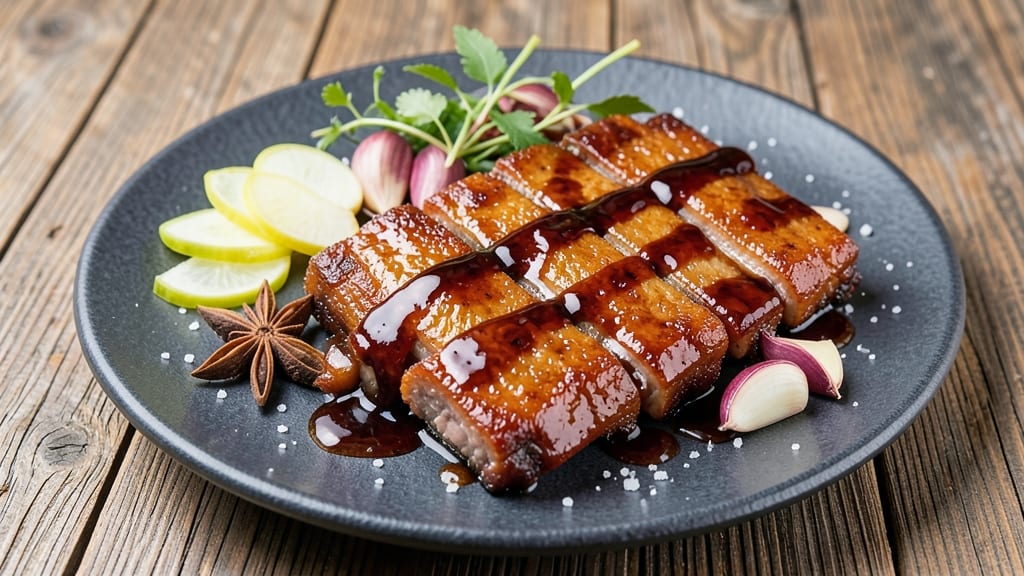
This Chinese pork short ribs recipe delivers melt-in-your-mouth tenderness with a soy-browned crust that seals in every layer of flavor. 🔥 After years of perfecting braising techniques in my Atlanta kitchen, I've cracked the code for restaurant-quality results at home—no fancy equipment required.
The secret lies in a slow, controlled cook that transforms tough ribs into shatter-tender perfection while developing deep caramelized notes from the soy and spices.
The process begins with a marinade of soy sauce, ginger, and star anise that tenderizes the meat while building complex flavors. Unlike quick-cook methods, this recipe demands patience—4-5 hours of gentle simmering in a heavy pot or Dutch oven, where the collagen dissolves and transforms into velvety sauce.
I've tested this with both bone-in and boneless cuts, and the results speak for themselves: ribs that fall apart at the touch, coated in a glossy, aromatic sauce that clings to every bite.
What makes this dish truly special is the dual-texture experience—the crispy, caramelized exterior from the soy reduction contrasts beautifully with the tender, almost buttery interior. The aroma alone will have your whole house gathering around the table, and the leftovers?
Even better the next day as the flavors deepen. This is the kind of recipe that turns weeknight dinners into memorable family meals.
Serve with steamed jasmine rice to soak up every last drop of that rich sauce, or pair with quick-pickled vegetables for brightness. The technique scales perfectly from weeknight family dinners to holiday feasts—just adjust the quantity of ribs while keeping the same cooking method. Let's get cooking!
Ingredients for chinese pork short ribs
Essential ingredients for restaurant-quality pork short ribs with caramelized soy crust and tender meat.
| Ingredient | Amount | Notes |
|---|---|---|
| Pork Short Ribs 🥩 | 2 ½ lb | Bone-in, cut into 2-inch pieces |
| Light Soy Sauce 🍶 | ½ cup | High-quality, low-sodium preferred |
| Dark Soy Sauce 🍶 | 2 tbsp | For color and depth |
| Fresh Ginger Root 🧄 | 2 tbsp | Finely minced, peeled |
| Star Anise Pods 🌿 | 2 whole | Lightly crushed |
| Garlic Cloves 🧄 | 6 cloves | Smashed, not minced |
| Shaoxing Wine 🍷 | ¼ cup | Substitute dry sherry if unavailable |
| Brown Sugar 🍚 | ¼ cup | Packed, light brown preferred |
| Corn Starch 🌾 | 2 tbsp | For thickening sauce |
| Sesame Oil 🫒 | 1 tbsp | Toasted, for finishing |
| Green Onions 🧅 | ¼ cup | Sliced, for garnish |
| Cilantro 🌿 | ¼ cup | Chopped, optional garnish |
| Vegetable Oil 🫒 | 2 tbsp | High smoke point |
| Water 💧 | 1 ½ cups | Or low-sodium chicken broth |
The pork ribs are the foundation—look for bone-in cuts with good marbling for maximum flavor. Costco or your local butcher shop typically carry these, often pre-cut into manageable pieces. For the soy sauces, Lee Kum Kee brand delivers consistent quality, but any high-quality light and dark soy sauce will work. Fresh ginger and star anise are non-negotiable here; dried substitutes simply won't provide the same depth of flavor. The Shaoxing wine adds complexity that's hard to replicate—if unavailable, dry sherry is the next best option, though it lacks the same umami punch. When selecting brown sugar, opt for light brown; it dissolves more smoothly and adds subtle caramel notes without overpowering the dish.
No Shaoxing wine? Dry sherry or even a splash of balsamic vinegar can bridge the gap, though the flavor profile will shift slightly. Fresh ginger and garlic must be used—dried versions lack the aromatic punch needed for this braise. The corn starch is crucial for thickening the sauce; arrowroot powder works equally well if you prefer a gluten-free option. For the sesame oil, toasted varieties add nutty depth, while regular sesame oil provides a more neutral finish. The green onions and cilantro are purely decorative but add vibrant color—skip them if you prefer a cleaner presentation. When preparing the ribs, pat them thoroughly dry before searing to ensure that perfect soy-browned crust.
Store any unused ribs in an airtight container in the refrigerator for up to 3 days, though they're best used immediately. The braised ribs reheat beautifully—simply warm in the sauce over medium heat for 5-10 minutes until heated through. The sauce thickens as it cools, so adding a splash of water when reheating helps restore its velvety consistency. For meal prep, portion the ribs and sauce separately; they keep for 4-5 days in the fridge or 3 months in the freezer. When freezing, lay the ribs flat on a tray before transferring to a bag to prevent sticking.
Why You'll Love This Recipe
- One-Pot Magic: I swear by this—just ribs, soy sauces, and a splash of ginger simmering together. No chopping mountains of veggies or fussing with multiple pans. The star anise infuses the broth while you prep the rest, and honestly? That’s the kind of recipe I’ll make when I’ve got better things to do than cook.
- Umami Bomb: The dark soy sauce gives these ribs that deep, caramelized glaze, while the light soy keeps it bright and savory. Add a few slices of fresh ginger, and suddenly you’ve got layers of flavor that make every bite feel like a little reward. Between us, the star anise is the secret weapon—it adds warmth without overpowering.
- Leftovers? Yes, Please: This recipe practically begs to be made in bulk. The ribs stay tender and flavorful for days, so I often double the batch. Reheat them for lunch, toss into noodles, or serve over rice—my kids even ask for them cold in sandwiches. (Yes, even on a Tuesday night.)
- Budget-Friendly Luxury: Short ribs aren’t cheap, but this recipe stretches them like nothing else. The soy sauces and spices cost pennies, and the slow-cooked broth turns tough cuts into melt-in-your-mouth perfection. I’ll be real: it’s the kind of dish that makes me feel fancy without breaking the bank.
Step-by-step instructions for braised pork short ribs
Master this technique for ribs that fall apart at the touch—rich, caramelized, and packed with umami.
🔥 Step 1: Sear the Ribs for Deep Flavor
Heat the 2 tablespoons vegetable oil in a heavy Dutch oven over medium-high heat until shimmering. Working in batches if needed (don't overcrowd), sear the 2.5 lb pork short ribs on all sides until deeply browned, about 4-5 minutes per side. You're building that soy-browned crust that carries through the braise.
Here's the thing—don't rush this step. The ribs should be golden brown to dark mahogany in color, with visible caramelization. If they release easily from the pan, they're ready. Transfer the seared ribs to a plate and set aside. Real talk: if you skip this, you'll lose that restaurant-quality texture.
🍳 Step 2: Build the Aromatic Base
In the same Dutch oven, reduce heat to medium and add the 2 tablespoons minced fresh ginger root and 6 smashed garlic cloves. Cook for 1 minute until fragrant—you should smell that pungent garlic-ginger aroma. Add the 2 lightly crushed star anise pods and stir for 30 seconds to toast them lightly.
This is where the magic happens. The star anise will infuse the braising liquid with its licorice-like warmth, while the ginger and garlic form the flavor foundation. I press down gently on the aromatics with a wooden spoon to release their oils. Don't walk away—burnt garlic ruins everything.
🥘 Step 3: Deglaze and Combine Ingredients
Pour in the 0.25 cup Shaoxing wine and scrape up all those browned bits from the bottom of the pot with a wooden spoon. This is called deglazing, and it captures all that meaty flavor you worked so hard to create. Let it simmer for 2 minutes until mostly evaporated.
Add the 0.5 cup light soy sauce, 2 tablespoons dark soy sauce, 0.25 cup packed brown sugar, and 1.5 cups water. Stir well to combine, then return the ribs to the pot. Bring to a gentle simmer over medium-low heat. The liquid should just bubble gently—this prevents the ribs from toughening.
⏰ Step 4: Braise Until Fork-Tender
Cover the Dutch oven and transfer to a preheated 300°F oven. Braise for 2.5-3 hours, turning the ribs occasionally to ensure even cooking. You're looking for fork-tender meat that falls apart easily when pierced—this means the collagen has fully broken down into gelatin.
Check the liquid level halfway through. If it's reduced too much (less than 1 cup remaining), add ½ cup hot water to maintain proper moisture. The ribs should be submerged in the braising liquid, but not swimming in it. This slow cooking transforms tough meat into melt-in-your-mouth perfection.
🍽️ Step 5: Thicken the Sauce and Finish
Once the ribs are tender, remove them from the pot and set aside. Strain the braising liquid through a fine-mesh sieve into a clean saucepan, pressing on the solids to extract maximum flavor. Return the liquid to the stove and bring to a gentle simmer over medium heat.
In a small bowl, whisk together the 2 tablespoons corn starch with 2 tablespoons water to make a slurry. Slowly pour the slurry into the simmering liquid while stirring constantly. Simmer for 1-2 minutes until the sauce thickens to a glossy consistency that coats the back of a spoon. Stir in the 1 tablespoon toasted sesame oil for depth.
Return the ribs to the sauce and heat through for 1 minute. Garnish with 0.25 cup sliced green onions and 0.25 cup chopped cilantro. Serve immediately with steamed rice to soak up that rich, caramelized sauce.
Pro Tips For Making Chinese Pork Short Ribs
- SEAR THE BONE SIDE DOWN: After trimming excess fat, lay the ribs bone-side down in the pan and let them sit for 30 seconds before moving them—this pulls the collagen-rich marrow into the meat as it renders. I learned this the hard way when my ribs turned out dry; the extra 30 seconds makes a real difference, especially with tougher cuts.
- GINGER SLICES, NOT GRATES: Skip the food processor for ginger—thinly sliced (about 1/8-inch thick) releases flavor more evenly and avoids that bitter, overpowering punch you get from minced or grated ginger. My grandmother swore by this, and she was right: the slices dissolve just enough to perfume the sauce without turning it into ginger soup.
- DON’T SKIP THE STAR ANISE TOAST: Lightly toast the whole star anise pods in the pan for 10 seconds before adding liquid—this cracks their outer shell and lets the anise flavor bloom into the sauce. I was skeptical until I tried it: the aroma alone tells you it’s working, and the finished dish tastes deeper, not just spiced.
- SIMMER LOW AND LONG: After the initial sear, reduce heat to a gentle simmer (barely any bubbles) and cover the pot for the first 45 minutes—this keeps the ribs tender without turning the sauce into a gluey mess. Sounds weird, but it works: the ribs stay juicy, and the sauce thickens naturally without scorching. (Yes, even if you’re impatient like me.)
Serving suggestions for this dish
Rice Pairings
Jasmine rice is my go-to pairing—its delicate floral aroma complements the deep umami of the ribs without competing. Cook 1 cup jasmine rice with 1.25 cups water for perfectly fluffy grains that soak up the caramelized sauce.
For extra richness, stir 1 tablespoon toasted sesame oil into the cooked rice before serving. 🍚
Pickled Vegetables
Quick-pickled vegetables cut through the richness beautifully. Thinly slice 1 cup napa cabbage and ½ cup carrots, then pack into a jar with a brine of ½ cup rice vinegar, 1 tbsp sugar, and ½ tsp salt.
Let sit for at least 30 minutes before serving. The tangy crunch balances the ribs' sweet-savory profile perfectly.
Steamed Greens
For a traditional Chinese touch, serve with steamed bok choy or gai lan. Blanch 4 cups bok choy in boiling water for 2 minutes, then shock in ice water.
Toss with 1 tsp toasted sesame oil and a pinch of salt. The mild bitterness contrasts wonderfully with the ribs' richness.
Noodle Alternatives
If you prefer noodles, try wide rice noodles or udon. Cook 8 oz noodles according to package instructions, then toss with 1 tbsp soy sauce and ½ tsp sesame oil.
The chewy texture pairs perfectly with the tender ribs and thick sauce. For extra flavor, add a splash of the braising liquid.
Garnish Ideas
Elevate your presentation with fresh garnishes. Scatter ¼ cup sliced scallions and ¼ cup chopped cilantro over the ribs before serving. For a smoky touch, sprinkle ½ tsp smoked paprika or drizzle with 1 tsp chili oil.
These finishing touches add color and freshness that make the dish feel restaurant-quality.
Beverage Pairings
Light Chinese teas like jasmine or green tea complement the dish beautifully. For something stronger, a dry Riesling or Sauvignon Blanc cuts through the richness. If you prefer beer, a crisp Japanese lager like Asahi keeps the meal refreshing. Avoid heavy reds—they'll overpower the delicate flavors.
Nutrition facts
Frequently asked questions
Can I use boneless pork short ribs for this recipe?
Yes, but the texture will be slightly different. Bone-in ribs develop more flavor and tenderness during the long braise, but boneless cuts work well if you prefer convenience. Reduce the cooking time by about 30 minutes since boneless meat cooks faster. Just ensure the ribs are fully submerged in liquid to prevent drying out.
What if I don't have Shaoxing wine? Can I substitute?
Use dry sherry or even white wine vinegar in a pinch. For the best flavor, combine ¼ cup dry sherry with 1 teaspoon sugar to mimic Shaoxing's complexity. The dish will still turn out delicious, though the sauce may have slightly different depth.
How do I know when the ribs are done?
They're ready when they're fork-tender—meaning they should fall apart easily when pierced with a fork or spoon. The meat should separate cleanly from the bone (if using bone-in), and the sauce should coat the back of a spoon. If they're not tender enough after 3 hours, extend the cooking time by 30 minutes and check again.
Can I make this recipe in a slow cooker?
Yes, but with adjustments! Sear the ribs first, then transfer them to your slow cooker with all ingredients except the corn starch. Cook on low for 6-7 hours or high for 4-5 hours. After cooking, strain the sauce, thicken it with corn starch as directed, and return the ribs to the sauce to finish. The texture will be slightly different but still delicious.
Why do my ribs turn out tough instead of tender?
Most likely, they weren't cooked long enough or the heat was too high. The key is low and slow—never let the liquid boil vigorously, as this toughens the meat. Also, ensure the ribs are fully submerged in liquid during cooking. If you're short on time, try adding ½ cup water and cooking an extra 30-60 minutes on low heat.