
Sauces & Condiments
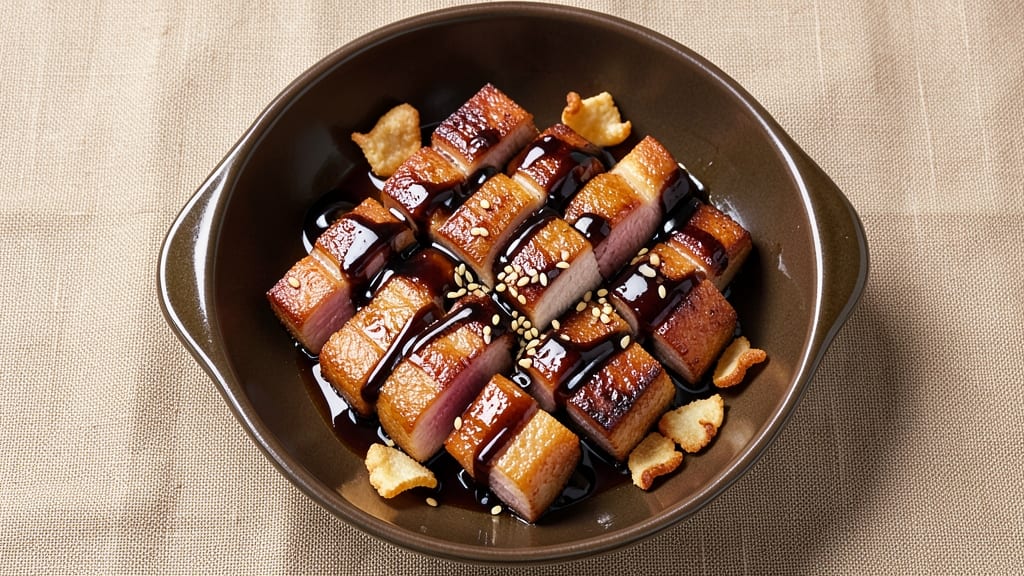
This Chinese pork soy sauce recipe transforms simple ingredients into restaurant-quality stir-fry magic in just 20 minutes. After years of perfecting the balance between sweet, salty, and umami flavors, I've developed a method that delivers tender pork with a glossy, caramelized sauce that clings perfectly to every bite.
The secret lies in the right ratio of soy sauce, sugar, and aromatics—simple but powerful.
What sets this dish apart is the technique: quick searing followed by a fast braise that develops deep flavor without requiring hours in the kitchen. I use a combination of dark soy sauce for color and light soy sauce for brightness, with just enough sugar to caramelize without overpowering.
The pork stays juicy while absorbing the sauce's rich, complex taste.
By the time you serve this dish, you'll have perfectly tender pork pieces with a glossy, slightly sticky sauce that balances perfectly between savory and sweet.
The aroma alone will have everyone gathering at the table, and the first bite delivers that satisfying combination of textures—tender meat, crisp edges, and that irresistible sauce.
Serve over steamed jasmine rice or with simple stir-fried vegetables to complete the meal. This recipe scales beautifully, making it perfect for weeknight dinners or gathering friends. Let's get cooking!
Ingredients for chinese pork soy sauce
Restaurant-quality stir-fry relies on precise ingredient ratios and proper cuts for perfect texture.
| Ingredient | Amount | Notes |
|---|---|---|
| Boneless Pork Shoulder 🥩 | 1 ½ lb | Cut into 1-inch cubes, trimmed of fat |
| Light Soy Sauce 🥄 | ½ cup | Kikkoman preferred for balance |
| Dark Soy Sauce 🥄 | 2 tbsp | For rich color and depth |
| Granulated Sugar 🍚 | 2 tbsp | White or brown, for caramelization |
| Cornstarch 🌾 | 1 tbsp | For sauce thickening |
| Sesame Oil 🫒 | 1 tbsp | Toasted, for aroma |
| Garlic Cloves 🧄 | 6 cloves | Minced, for aromatic base |
| Fresh Ginger 🌿 | 1 tbsp | Finely grated, peeled |
| Green Onions 🧅 | 4 whole | Sliced, white and green parts separated |
| Neutral Oil 🫒 | 2 tbsp | Peanut or vegetable oil for searing |
| Water 💧 | ½ cup | For deglazing and thinning |
| White Pepper 🌶️ | ½ tsp | Freshly ground for subtle heat |
| Salt 🧂 | ½ tsp | Diamond Crystal kosher salt |
The pork cut matters here—boneless pork shoulder delivers tender, juicy results when cubed properly. Trim excess fat to avoid greasy sauce, but leave a thin layer for flavor. Kroger or Costco often carry pre-cut pork shoulder at reasonable prices, but if buying whole, ask the butcher to cube it for you. For best results, use pork that's freshly cut—pre-packaged cubes can dry out during storage. The shoulder's natural collagen breaks down during cooking, creating that signature tender texture.
No light soy sauce? Substitute with an equal amount of tamari, though the flavor will be slightly more robust. Dark soy sauce can be omitted entirely if you prefer a lighter color, but it adds that signature caramelized depth. The sugar is crucial for caramelization—brown sugar works too—but don't skip it entirely or the sauce will lack complexity. Fresh ginger and garlic should be minced finely for even distribution, but if you're short on time, jarred minced garlic works in a pinch. The green onions add freshness—use the white parts for cooking and reserve the greens for garnish.
Pork cubes can be prepped ahead and stored in the fridge for up to 2 days, but cook them fresh for best texture. The sauce keeps well in the fridge for 5 days and freezes beautifully for 3 months—portion it into ice cube trays for easy reheating. For restaurant-style presentation, serve over steamed jasmine rice, which absorbs the sauce perfectly. The dish reheats well, though adding a splash of water helps maintain the sauce's glossy consistency.
Why You'll Love This Recipe
- Pantry-Friendly Magic: I swear by this one—no special ingredients, just what’s already lurking in my cupboard. That dark soy sauce? It’s the secret weapon—deepens the color and adds this unexpected richness without extra effort.
- Umami Bomb: The combo of light and dark soy sauce with a touch of sugar? It’s like a flavor explosion in your mouth. The pork ends up tender, sticky, and packed with that savory-sweet punch that makes you reach for seconds.
- Leftovers That Shine: This recipe actually improves the next day. Cold slices in rice bowls or wrapped in lettuce for lunch? Absolute gold. Honestly, I make it on Sundays just so I can grab it all week.
- Budget Stretch: A whole pork shoulder for under $10, and it feeds four. The sugar and cornstarch keep it tender without breaking the bank—plus, the leftovers turn into stir-fries or fried rice. My wallet thanks me.
Step-by-step instructions for Chinese pork soy sauce stir-fry
This method delivers tender, flavorful pork with a glossy, caramelized sauce in record time.
Prepare the Pork and Marinade Base
Cut the 1.5 lb boneless pork shoulder into 1-inch cubes, trimming any visible fat. This size ensures even cooking and maximum flavor absorption. In a large bowl, combine the pork with 0.5 cup light soy sauce, 2 tbsp dark soy sauce, 2 tbsp granulated sugar, 0.5 tsp salt, and 0.5 tsp white pepper. Mix gently to coat the pork evenly—don't overmix or the cubes will break apart.
Let the pork marinate at room temperature for 15 minutes while you prep the aromatics. This brief marinade jumpstarts the flavor infusion without over-saucing the meat. The sugar begins breaking down immediately, creating a subtle caramelization that deepens during cooking.
Sear the Pork for Maximum Flavor
Heat 2 tbsp neutral oil in a 14-inch wok or large skillet over high heat until shimmering. Working in two batches (to avoid crowding), add the pork and sear for 2-3 minutes per side until deep golden brown and slightly charred in spots. The high heat creates a flavorful crust while keeping the interior tender.
Transfer the seared pork to a plate and set aside. Resist the urge to stir constantly—let the pork develop a proper sear. If the oil smokes excessively, reduce heat slightly but maintain high heat for proper browning. The pork should release easily from the pan when ready to flip.
Build the Aromatic Sauce Foundation
In the same wok, add 6 cloves minced garlic and 1 tbsp finely grated fresh ginger. Stir-fry for 30 seconds until fragrant—you should smell the garlic blooming and ginger releasing its sharp aroma. Immediately pour in 0.5 cup water and scrape up all the browned bits from the bottom of the pan using a wooden spoon.
This deglazing step captures all the Maillard flavors from the searing process. Let the mixture simmer for 1 minute until slightly reduced. The water helps dissolve the caramelized bits while thinning the sauce enough to coat the pork evenly later.
Thicken and Finish the Sauce
Return the seared pork to the wok. Add 1 tbsp cornstarch and 1 tbsp sesame oil, stirring to coat everything evenly. Cook for 1-2 minutes until the sauce begins to thicken and cling to the pork. The cornstarch acts as a natural thickener, creating that signature glossy finish.
Taste and adjust seasoning if needed—you may need a touch more light soy sauce or salt depending on your preference. The sauce should coat the back of a spoon but remain silky rather than gluey. If it's too thick, add 1-2 tablespoons water to reach the perfect consistency.
Incorporate Green Onions and Serve
Remove the wok from heat and stir in the white and green parts of 4 sliced green onions. The white parts add subtle sharpness while the greens provide fresh contrast. Let the dish rest for 2-3 minutes to allow the flavors to meld completely.
Serve immediately over steamed jasmine rice or egg noodles, garnished with additional green onion slices. The pork should be tender yet slightly chewy, with a glossy sauce that clings perfectly. Each bite delivers a perfect balance of salty-sweet umami with aromatic depth from the garlic and ginger.
Pro Tips For Making Chinese Pork Soy Sauce
- SEAR THE PORK HARD: I learned this the hard way—skipping the initial sear means the pork will turn out greasy and underflavored. Use a screaming-hot wok or deep skillet and let the pork shoulder develop a deep brown crust before adding any liquid. This isn’t just for looks; it locks in the meaty flavor and keeps the sauce from turning into a bland glaze.
- BLOOM THE SOY SAUCES: Dark soy sauce isn’t just for color—it’s for flavor. Before tossing it into the sauce, heat it in the wok for 30 seconds until it smells rich and caramel-like. Light soy sauce? Add it last to preserve its bright punch, but don’t skip it—it’s the salty backbone. (Yes, even if you’re impatient like me.)
- CONTROL THE SUGAR: Too much sugar and your sauce turns sticky and cloying. Too little, and the pork tastes flat. For a standard 1.5 lb pork shoulder, start with 1-2 tablespoons of sugar—just enough to balance the soy’s saltiness without overpowering. Taste as you go; adjust in ½-teaspoon increments.
- REST THE PORK RIGHT: Cutting into the pork shoulder right after cooking releases all the juices, leaving you with dry, sad slices. Instead, tent it loosely with foil and let it rest for 10 minutes. This lets the meat reabsorb its own juices—no extra effort, just better texture. (Your future self will thank you.)
Essential equipment for this recipe
Wok Essentials
Your 14-inch carbon steel wok is non-negotiable for this recipe—I use a Made In wok from my collection, but any quality carbon steel will work. The flat bottom ensures even heat distribution, while the high sides contain splatter.
Season it properly first by coating with oil and heating until smoking, then wiping clean. This creates a natural non-stick surface that improves with each use. 🔥
Heat Control Tools
A heavy-duty wok lid helps maintain high heat while preventing flare-ups. I recommend a cast iron lid for even heat retention. Pair it with a long-handled spatula (I use a 14-inch bamboo or heat-resistant silicone) to toss pork without losing heat.
For precise temperature control, keep a thermometer nearby—ideal searing temps hover around 500-550°F.
Marinade Prep Station
Gather a large mixing bowl (I prefer glass or stainless steel) for the marinade, plus a microplane for ginger and a garlic press for even mincing. A measuring spoon set ensures accurate ratios of soy sauces and sugar.
For prep efficiency, I keep a cutting board with a built-in juice groove to catch excess marinade while cubing pork.
Sauce Thickening Kit
Cornstarch is your secret weapon—keep it in a small jar with a tight seal near your stove. A small whisk helps dissolve it smoothly in the sauce. For testing consistency, I use a spoon to coat the back—it should leave a glossy, even layer.
A fine-mesh strainer (if you prefer smooth sauce) sits ready for any accidental cornstarch clumps.
Garnish Tools
Fresh green onions need a sharp chef's knife and small cutting board for quick slicing. I keep a small bowl of ice water nearby to refresh cut greens while finishing the dish. For presentation, a tweezers set helps place garnishes precisely—perfect for plating over rice.
Optional Upgrades
For restaurant-style results, add a blowtorch to caramelize the sauce's edges after plating. A smoke hood or exhaust fan is essential if cooking indoors—this stir-fry creates serious aroma! For leftovers, glass storage containers preserve texture better than plastic. My Lodge Dutch oven also works for batch cooking when feeding crowds.
Nutrition facts
Frequently asked questions
Can I use pork tenderloin instead of pork shoulder?
Pork tenderloin works but requires adjustments—cut it into ½-inch thick slices instead of cubes and reduce cooking time to 1-2 minutes per side to avoid overcooking. Tenderloin is leaner, so it's more prone to drying out. For best results, marinate for only 10 minutes and sear at medium-high heat rather than high.
How do I make the sauce less salty?
Reduce the light soy sauce by 2 tablespoons and replace with 2 tbsp water or 1 tbsp chicken broth to dilute the saltiness while maintaining umami. For extra sweetness, add 1 extra teaspoon sugar to balance flavors. Taste as you go—you can always add more soy sauce later if needed.
Can I cook this in a regular skillet instead of a wok?
Use a 12-inch heavy-bottomed skillet with high sides. Cook in one batch (don't overcrowd) and reduce heat slightly to medium-high to prevent flare-ups. The sauce may be slightly thicker, so add 1-2 tbsp water if needed. A cast iron skillet works beautifully for this adaptation.
What's the best way to reheat leftovers?
Reheat in a small wok or skillet over medium heat with 1 tbsp water to restore the sauce's glossy texture. Stir frequently to prevent sticking. Avoid microwaving—it makes the sauce watery. For best results, reheat only what you'll serve immediately and keep leftovers refrigerated for up to 3 days.
Why did my pork turn out tough?
Overcooking is the most common cause—pork should be tender yet slightly chewy, not rubbery. Use a meat thermometer and remove pork when it reaches 145°F internally. Also check your cut: pork shoulder is ideal, but pork loin requires faster cooking. Always marinate for at least 10 minutes (not overnight) to prevent drying.