
Main Courses
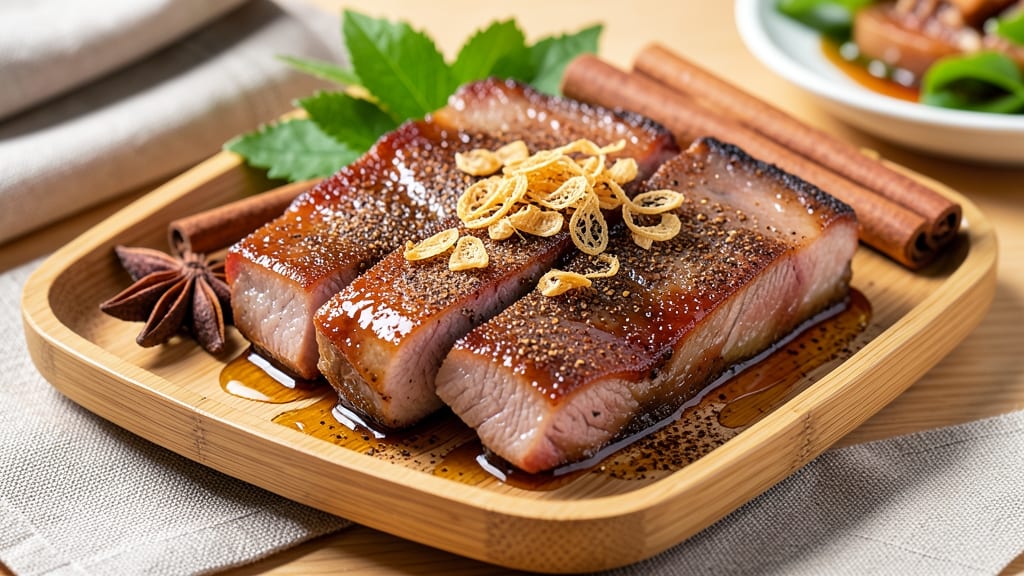
This Chinese pork tongue recipe transforms a humble cut into a showstopping centerpiece with tender, five-spice-glazed perfection and crisp celery crowns. 💛 I first discovered this technique in a bustling Shanghai kitchen, where the slow braising process creates melt-in-your-mouth texture while the aromatic spices infuse every bite with warmth.
The secret lies in the balance of soy, star anise, and cinnamon—a harmony that elevates pork tongue from simple to extraordinary.
What sets this dish apart is the dual-texture technique: the tongue becomes fork-tender through careful braising, while quick-pickled celery adds a bright, crunchy contrast that cuts through the richness.
The five-spice glaze isn't just decoration—it's the flavor bridge that ties together the savory meat with the fresh acidity of the celery. This isn't your average pork dish; it's a celebration of texture and tradition that belongs at any special table.
By the time you serve this, your guests will experience pork tongue unlike anything they've tried before—juicy, aromatic, and beautifully presented. The glaze clings like liquid gold, while the celery crowns add both visual drama and a satisfying crunch.
It's the kind of dish that makes people ask for seconds while they're still finishing their first bite. The best part? The process is methodical but not complicated, making it achievable for home cooks who want restaurant-quality results.
Perfect for holiday feasts, family gatherings, or when you want to impress with an authentic yet approachable Chinese dish. The leftovers reheat beautifully, so you'll have extra for sandwiches or fried rice the next day. Let's bring this timeless recipe to your kitchen—where every element comes together in perfect harmony.
Ingredients for chinese pork tongue
Six aromatic spices, two tender tongues, and celery crowns that steal the show—this is Chinese pork tongue reimagined.
| Ingredient | Amount | Notes |
|---|---|---|
| Pork Tongue (fresh, whole) 🐷 | 2 lb | Trimmed, scored for even cooking |
| Soy Sauce (light) 🍶 | ½ cup | Japanese or Chinese brand preferred |
| Honey (or agave for vegan option) 🍯 | ¼ cup | For glaze sweetness balance |
| Five-Spice Powder 🌶️ | 2 tbsp | Homemade blend or store-bought |
| Star Anise (whole) 🌟 | 2 whole | Crushed lightly for aroma |
| Cinnamon Sticks 🌿 | 2 whole | For deep spice infusion |
| Ginger Root (fresh) 🧄 | 2 tbsp | Grated, aromatic punch |
| Garlic Cloves 🧄 | 6 cloves | Smashed for intense flavor |
| Celery Sticks 🥬 | 1 bunch | Whole, for braising |
| Red Wine Vinegar 🍷 | ¼ cup | For crisp celery pickling |
| Granulated Sugar 🍚 | 2 tbsp | Balances vinegar acidity |
| Sesame Oil (toasted) 🌾 | 1 tbsp | Final aromatic touch |
| Salt 🧂 | 1 ½ tbsp | Kosher or sea salt |
| Black Peppercorns 🌶️ | 1 tbsp | Whole, lightly crushed |
| Green Onions 🧅 | 4 whole | For garnish and freshness |
The pork tongue is your canvas—look for plump, firm tongues at specialty butchers or Asian markets. Costco often carries them prepped, but if buying whole, trim excess fat and score the surface in a crosshatch pattern for even cooking. The five-spice powder? Penzeys or local Asian grocers carry the best blends—authentic versions include cloves and fennel. Fresh ginger and garlic? Buy extra—you'll want them for the glaze too. The celery needs to be crisp, so avoid wilted stalks at all costs. For the vinegar, Chinese black vinegar adds depth, but red wine vinegar works beautifully.
No five-spice powder? Mix 1 tsp each of cinnamon, cloves, fennel, and star anise with ½ tsp Szechuan peppercorns—it's a game-changer. Running short on honey? Agave or maple syrup keeps it vegan-friendly. The celery pickling liquid can be made ahead—store in the fridge for up to 2 weeks. For extra richness in the glaze, add 1 tsp of hoisin sauce. The sesame oil should be toasted—heat it gently in a dry pan until fragrant, then cool before using. If your five-spice lacks cloves, add ½ tsp whole cloves to the braising liquid for complexity.
Pork tongues keep 3-4 days in the fridge once prepped, but they're best served fresh. The pickled celery crowns stay crisp for 5 days if submerged in their liquid. For make-ahead magic, braise the tongues 1 day ahead—flavors meld beautifully. Reheat gently in the braising liquid to maintain moisture. The glaze can be made 2 days ahead and reheated with a splash of water. Portion leftovers into containers for easy reheating—this dish tastes even better the next day as flavors deepen.
Why You'll Love This Recipe
- One-Pot Magic: I swear by this recipe because it’s all in one pot—no chopping, no fussing, just simmering. The pork tongue soaks up the soy and honey like a sponge, and the star anise infuses the broth with that warm, spiced aroma without extra effort.
- Sweet-Savory Balance: Between us, this combo is ridiculously good—the salty-sweet punch from the soy and honey, with five-spice adding that earthy depth. It’s not just flavor; it’s comfort in a bite, especially when the tongue gets that perfect caramelized crust.
- Leftovers That Shine: This recipe actually improves the next day. Cold slices in rice bowls? Yes. Stir-fried with veggies? Even better. I make a double batch on Sundays because it’s the kind of dish that tastes just as good reheated as it does fresh.
- Budget Meal, Big Impact: Pork tongue is cheaper than you’d think, and this recipe stretches it far. A single whole tongue feeds four, and the spices cost pennies. Honestly, it’s my go-to for feeding a crowd without breaking the bank—or spending hours in the kitchen.
Step-by-step instructions for Chinese pork tongue with five-spice glaze
This method transforms humble pork tongue into a showstopping centerpiece with irresistible five-spice glaze and crisp celery accents.
🔪 Step 1: Prepare the Pork Tongue for Even Cooking
Start by trimming away any excess fat or connective tissue from the 2 lb pork tongue using a sharp boning knife. I like to make shallow diagonal cuts about ¼-inch apart all over the surface—this prevents curling during cooking and ensures the marinade penetrates deeply. Rinse thoroughly under cold water and pat completely dry with paper towels.
Place the tongue in a large bowl and combine the 0.5 cup soy sauce, 2 tbsp five-spice powder, 1.5 tbsp salt, and 1 tbsp crushed black peppercorns. Massage this mixture into every crevice, working it into the scored areas. Cover and refrigerate for at least 4 hours—overnight is even better. The acid in the soy sauce will begin tenderizing the meat while the spices infuse deeply.
🍳 Step 2: Build the Five-Spice Glaze and Braise
In a large Dutch oven, combine 1 bunch celery sticks, 6 smashed garlic cloves, 2 tbsp grated ginger root, 2 whole cinnamon sticks, and 2 whole star anise. Toast over medium heat for 3 minutes until fragrant—you should smell warm spices and hear the celery crackling. This step develops the aromatic base.
Remove the celery mixture and set aside. In the same pot, add 0.25 cup red wine vinegar and 2 tbsp granulated sugar, scraping up any browned bits from the bottom. Bring to a simmer for 2 minutes until slightly reduced. Return the celery mixture to the pot and add the marinated pork tongue. Pour in enough water to cover the tongue by 1 inch—about 3 cups total.
⏰ Step 3: Slow Braise Until Fork-Tender
Bring the liquid to a gentle boil, then reduce heat to low and cover partially. Simmer for 2.5 to 3 hours until the pork tongue is fork-tender and easily pulls apart. I check for doneness by piercing the thickest part—it should feel like butter. If the liquid reduces too much, add ½ cup hot water periodically to keep the tongue submerged.
Here's the thing—don't rush this step. The slow cooking breaks down collagen into gelatin, creating that luxurious, melt-in-your-mouth texture. The celery sticks will soften but remain intact, adding texture contrast. When done, remove the tongue and set it aside on a plate, reserving the braising liquid.
🍯 Step 4: Create the Honey-Sesame Glaze
In a small saucepan, combine the reserved braising liquid, 0.25 cup honey, and 1 tbsp toasted sesame oil. Simmer over medium heat for 10-12 minutes until reduced by half and syrupy. The glaze should coat the back of a spoon and have a glossy sheen. Taste and adjust seasoning with additional soy sauce or sugar if needed.
While the glaze simmers, prepare the celery crowns by combining the reserved celery sticks with 0.25 cup red wine vinegar and 1 tbsp granulated sugar. Let them sit for 15 minutes to crisp up slightly. This quick pickle adds the perfect tangy contrast to the rich pork.
🥘 Step 5: Glaze and Garnish for Presentation
Brush the pork tongue generously with the honey-sesame glaze, coating all sides. Return it to the saucepan and simmer for 5 minutes to set the glaze. The surface should develop a beautiful sheen and slight caramelization. Arrange the crisp celery sticks around the tongue like a crown, then garnish with 4 whole green onions, sliced diagonally.
Slice the pork tongue into ½-inch thick medallions and serve immediately with the glaze spooned over the top. The contrast of tender, spiced pork with the crisp celery and glossy glaze makes this dish unforgettable. Pair with steamed jasmine rice to soak up every last drop of that incredible sauce.
Pro Tips For Making Chinese Pork Tongue
- SCORE PORK TONGUE FIRST: I learned this the hard way—skipping the initial scoring step means the tongue stays tough no matter how long you simmer. Use a sharp knife to make deep crosshatch cuts (about 1/4-inch deep) on all sides before any cooking. This isn’t just for looks; it lets the five-spice and soy sauce penetrate like they’re supposed to.
- SIMMER LOW AND SLOW: The first 30 minutes at a rolling boil will clean the tongue, but after that? Drop the heat to a bare simmer—think tiny bubbles, not a raging pot. I used to rush this, and my tongue would either fall apart or taste like it spent the day in a sauna. Keep it at 180°F (82°C) for 2-3 hours, or until a fork slides in like butter.
- TOAST WHOLE SPICES: Crush the star anise lightly with the side of your knife before adding it to the pot—just enough to break the hard shell so the flavor escapes. Whole five-spice powder? Toast it dry in a separate pan for 30 seconds until fragrant. This makes a real difference when you’re balancing the sweetness of honey and the saltiness of soy sauce. (Yes, even if you’re impatient like me.)
- BRUSH WITH HONEY LAST: Save the honey glaze for the final 10 minutes of cooking, not the start. The heat from the initial simmer will break down the honey too early, turning it into a sticky mess that coats everything but the tongue. Instead, brush it on after the tongue is tender, then let it caramelize right before serving—this gives you that glossy, restaurant-worthy finish without burning the flavor.
Wine and beer pairings for these flavors
Red Wine Pairings
For this dish, I reach for a dry, medium-bodied red wine with enough acidity to cut through the richness of the pork and glaze. A Pinot Noir from China's Yunnan province is my go-to—its bright cherry notes and subtle earthiness complement the five-spice complexity beautifully.
The 2018 Changyu Cabernet Sauvignon from Shandong also works wonderfully, with its balanced acidity and dark fruit flavors that mirror the honey-sesame glaze. 🍷
Light Beer Options
If you prefer beer, opt for a crisp, slightly effervescent lager that won't overpower the dish. A Chinese pale ale like Snow Village from Beijing offers a clean, refreshing contrast to the rich pork.
For something more approachable, a German Helles with its malty sweetness and citrusy hop notes provides a lovely balance. The carbonation helps cleanse the palate between bites of the tender, spiced meat.
Rice Wine Enhancement
While not a pairing per se, I often serve a small cup of Shaoxing wine on the table for dipping or sipping alongside the dish. Its nutty, slightly sweet profile enhances the five-spice flavors and adds another layer of authenticity.
A splash of Shaoxing in the glaze during the final reduction also deepens the sauce's complexity—just 1 tbsp goes a long way. 🥢
Cocktail Pairing
For a festive touch, I sometimes prepare a Lychee Martini with vodka, lychee liqueur, and a splash of lime juice. The floral, fruity notes of lychee provide a refreshing contrast to the savory-spiced pork, while the lime brightens the dish's richness.
Garnish with a lychee fruit or a celery stalk to tie back to the recipe's flavors.
Non-Alcoholic Options
Don't overlook non-alcoholic choices! A jasmine tea with a hint of honey mirrors the dish's sweet-spicy balance. For something more substantial, try a ginger-lemon iced tea—the ginger echoes the recipe's spice profile while the lemon adds a tangy lift.
Both options refresh the palate without competing with the pork's rich flavors.
Nutrition facts
Frequently asked questions
Why does the pork tongue need to be scored before cooking?
The scoring creates tiny channels that allow marinades and spices to penetrate deeply, ensuring even flavor distribution. Without scoring, the outer layer might overcook while the center stays tough. The cuts also prevent the tongue from curling during the long braising process, guaranteeing consistent doneness throughout.
Can I substitute five-spice powder with individual spices?
For a homemade blend, combine 1 tsp each of cinnamon, cloves, fennel seeds, and star anise with ½ tsp Szechuan peppercorns. Toast the whole spices lightly before grinding for maximum aroma. This gives you more control over the flavor intensity—just adjust to taste after braising.
How do I know when the pork tongue is fully cooked?
The tongue is done when it's fork-tender and pulls apart easily with minimal resistance. Insert a fork into the thickest part—it should feel like butter. The internal temperature should reach 195°F at the center. If the liquid reduces too quickly, add ½ cup hot water to keep the tongue submerged.
What's the best way to reheat leftovers?
Reheat gently in the braising liquid over low heat for 10-15 minutes until warmed through. Avoid microwaving—it dries out the meat. For extra richness, add a splash of the honey-sesame glaze. Leftovers keep well for 3-4 days in the fridge, and the flavors actually deepen overnight!
Can I make this recipe with beef tongue instead?
Yes! Beef tongue works beautifully and has a slightly firmer texture that holds up well to the braising process. Use the same cooking time, but expect it to be slightly more gelatinous when done. The flavor profile is richer, making it perfect for heartier meals. Just adjust the braising liquid by ½ cup more to account for the denser meat.