
Sauces & Condiments
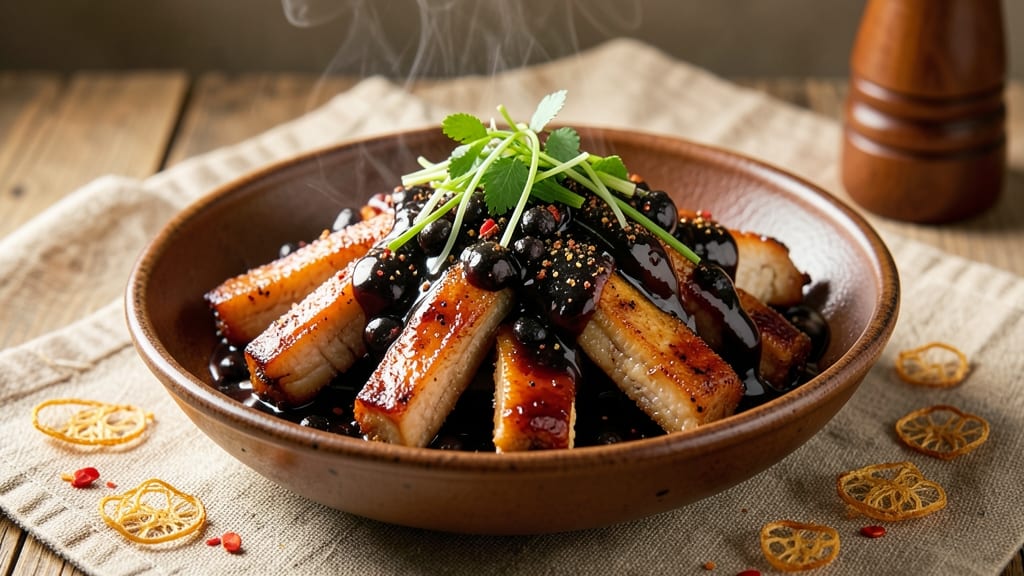
Chinese pork ribs braised in black bean sauce deliver the perfect balance of crunchy edges and silky, sweet-savory meat—a dish that transports you to a bustling Cantonese kitchen. 🌟 I first discovered this recipe during a trip to Guangzhou, where the aroma of star anise and fermented black beans filled the air. The secret lies in marinating the ribs overnight with five-spice powder, which infuses them with warm, aromatic depth before they slow-cook in a rich, glossy sauce.
This dish transforms tough pork ribs into tender, fall-off-the-bone perfection through a two-step process: first, a quick sear to lock in juices, then a long braise in a sauce thickened with black beans, soy, and a touch of brown sugar. The result?
A glossy, slightly sticky coating that clings to every rib, offering bursts of umami, sweetness, and a subtle crunch from the black beans. It’s the kind of dish that tastes even better the next day, as flavors meld and deepen.
What makes this recipe special is its versatility—serve it over steamed jasmine rice for a classic pairing, or alongside a crisp cucumber salad to cut through the richness. The black bean sauce also doubles as a dipping sauce for dumplings or a glaze for tofu.
For an extra layer of flavor, finish with a sprinkle of toasted sesame seeds and chopped scallions, adding both texture and freshness.
Whether you're cooking for a family gathering or a cozy weeknight dinner, these ribs promise to impress. The key is patience—let the ribs marinate, braise slowly, and rest before serving. Trust me, the effort is worth every bite of that tender, saucy, five-spice-kissed meat. Let’s get started!
Ingredients for chinese recipe pork ribs and black bean sauce
Five-spice powder and fermented black beans transform tough ribs into tender, saucy perfection
| Ingredient | Amount | Notes |
|---|---|---|
| Pork Ribs (Baby Back) 🍖 | 2 ½ lb | Meaty, bone-in for flavor |
| Fermented Black Beans 🫘 | ½ cup | Asian market or jarred |
| Five-Spice Powder 🌶️ | 2 tsp | Star anise, cinnamon, clove |
| Light Soy Sauce 🥄 | ⅓ cup | Kikkoman preferred |
| Dark Soy Sauce 🥄 | 1 tbsp | For depth of color |
| Brown Sugar 🍯 | ¼ cup | Packed, light variety |
| Garlic Cloves 🧄 | 6 cloves | Minced for sauce |
| Fresh Ginger 🌿 | 1 tbsp | Grated, aromatic |
| Sesame Oil 🫒 | 1 tbsp | Toasted for aroma |
| Green Onions 🧅 | 3 whole | Chopped for garnish |
| Toasted Sesame Seeds 🌰 | 1 tbsp | For crunchy finish |
| Vegetable Oil 🫒 | 2 tbsp | High smoke point |
| Jasmine Rice 🍚 | 1 ½ cups | Uncooked, for serving |
| Salt 🧂 | 1 tsp | Kosher preferred |
| Black Pepper 🌶️ | ½ tsp | Freshly ground |
The ribs are the star—baby back pork ribs (not spare ribs) give you that perfect balance of meat and bone. Look for thick-cut, meaty sections at your butcher or grocery store's meat counter. If you can't find baby back, spare ribs work too but trim excess fat for cleaner cooking. The fermented black beans? Asian markets always have them, but jarred versions at Trader Joe's work in a pinch. Just make sure they smell funky but not rotten—good black beans have a deep, umami aroma. I always buy extra because they're great for stir-fries too.
No five-spice powder? Mix 1 tsp each of ground cinnamon, cloves, and fennel seeds—it's not identical, but close. Running short on soy sauce? Substitute coconut aminos at a 1:1 ratio, though the flavor won't be quite the same. The garlic and ginger can be pre-minced from jars (because who wants to chop when you're tired), but fresh is always better if you've got it. Swapping brown sugar for honey or maple syrup keeps things vegan-friendly, though the sauce will be slightly less glossy. And if you're feeling fancy, toast the sesame seeds in a dry pan for 2 minutes—they'll taste 100 times better.
These ribs taste even better the next day, so double the batch if you're feeding a crowd. Store leftovers in the fridge for up to 5 days in an airtight container, or freeze for 3 months—the sauce thickens beautifully when reheated. For serving, steam jasmine rice while the ribs braise—it'll be ready just as the ribs finish. Garnish with those toasted sesame seeds and green onions right before serving, because fresh herbs lose their pop once mixed in. The sauce also makes an amazing dipping sauce for dumplings—trust me, you'll want leftovers.
Why You'll Love This Recipe
- One-Pan Magic: I swear by this recipe when I don’t want to deal with multiple dishes. The ribs go straight from the oven to the pan with the black bean sauce, and honestly? That five-spice powder does half the work—just toss, roast, then simmer.
- Umami Bomb: Between us, fermented black beans are my secret weapon for depth. That salty, funky, slightly sweet sauce clings to the ribs like a hug, and the dark soy sauce gives it this glossy, caramelized finish that’s ridiculously satisfying.
- Leftover Hero: This recipe actually tastes better the next day. I’ll make a big batch on Sunday, and by Wednesday, those ribs are falling off the bone while the sauce gets even more concentrated—perfect for quick lunches or lazy dinners.
- Budget Crowd-Pleaser: Baby back ribs might sound fancy, but they’re cheaper than you think, especially when you stretch them with a big batch of sauce. My family fights over the leftovers, and I’ve fed six people for under $15—no complaints.
Step-by-step instructions for chinese-style pork ribs with black bean sauce
Here's how to transform tender ribs into a sticky, aromatic masterpiece with that signature black bean crunch.
🔥 Step 1: Parboil the Ribs for Maximum Tenderness
Fill a large pot with enough water to submerge the ribs by 2 inches. Add 1 tsp salt and bring to a rolling boil over high heat. Carefully add the 2.5 lb pork ribs (baby back) and return to a boil. Reduce heat to medium-high and simmer for 20-25 minutes until the meat is just starting to pull away from the bones slightly.
Here's the thing—parboiling breaks down collagen and makes the ribs incredibly tender. You'll know they're ready when you can easily slide a knife between the bones. Drain the ribs and rinse briefly under cold water to stop the cooking process. Pat them completely dry with paper towels—this step is crucial for that perfect sear later.
👨🍳 Step 2: Create the Five-Spice Glaze
In a small bowl, whisk together 0.33 cup light soy sauce, 1 tbsp dark soy sauce, 0.25 cup packed brown sugar, 2 tsp five-spice powder, 6 cloves minced garlic, and 1 tbsp grated fresh ginger. This is your flavor foundation—where all the magic happens. The dark soy sauce will give you that beautiful caramelized color while the five-spice adds that warm, aromatic complexity.
Let this mixture sit for 5 minutes while you prepare the next components. You'll notice the brown sugar starts to dissolve slightly, creating a syrupy base. This glaze will caramelize beautifully on the ribs, creating that signature glossy finish we're after. Don't skip the resting time—it helps the flavors meld together.
🍳 Step 3: Sear the Ribs and Build the Sauce
Heat 2 tbsp vegetable oil in a large, heavy skillet over medium-high heat until shimmering. Add the dried ribs in a single layer and sear for 3-4 minutes per side until they develop a deep golden-brown crust. This isn't just for color—it's where all that Maillard magic happens, creating deep, complex flavors.
Remove the ribs and set aside. In the same skillet (no need to wipe it clean—those browned bits are flavor gold), add 0.5 cup fermented black beans and cook for 2 minutes until they start to soften slightly. Pour in the five-spice glaze mixture and bring to a gentle simmer. Let it reduce for 3-4 minutes until it thickens slightly and coats the back of a spoon.
🥘 Step 4: Glaze and Finish the Ribs
Return the seared ribs to the skillet with the black bean sauce. Spoon the sauce generously over the ribs, making sure each piece is well-coated. Cover the skillet and cook on medium-low heat for 10-12 minutes, turning occasionally, until the sauce thickens and the ribs are fully coated with that glossy, sticky glaze.
Here's where it gets fun—taste the sauce and adjust seasoning if needed. You might want to add a splash of water or a little more soy sauce to achieve that perfect balance of sweet, salty, and umami. The ribs should be tender enough to pull apart with a fork but still hold their shape. Remove from heat and let them rest for 5 minutes before serving.
🍽️ Step 5: Prepare and Serve
While the ribs rest, cook the 1.5 cups jasmine rice according to package instructions until fluffy and perfectly steamed. Garnish the finished ribs with 3 chopped green onions and 1 tbsp toasted sesame seeds for that final crunch and visual appeal. Drizzle with an extra teaspoon of sesame oil right before serving for maximum aroma.
Serve the ribs over the jasmine rice, spooning that delicious black bean sauce over the top. Each bite should deliver tender meat, crunchy black beans, and that perfect balance of sweet, salty, and aromatic five-spice flavors. The contrast of textures—tender ribs, crunchy beans, and silky sauce—makes this dish truly special.
Pro Tips For Making Chinese Recipe Pork Ribs And Black Bean Sauce
- Blister First, Braise Later: Get those ribs screaming hot in a dry pan for 2-3 minutes per side before adding sauce—this locks in flavor and prevents them from turning soggy when they hit the black bean slurry. I used to skip this, and the ribs just absorbed too much liquid, making the sauce watery.
- Rinse Those Black Beans: Fermented black beans are salty and sandy—give them a quick rinse in a colander before mashing or simmering, or you’ll end up with a dish that tastes more like a brine bath than a savory sauce. Trust me, your taste buds will notice the difference.
- Dark Soy First, Light Soy Last: Add dark soy sauce to the pan before the ribs to build a glossy, caramelized crust, then toss in light soy at the end to brighten without dulling the color. I learned this after my first batch looked muddy—now the sauce shines like it’s from a wok house.
- Five-Spice in Stages: Toast half the five-spice powder with the black beans at the start for depth, then sprinkle the rest over the ribs in the last 5 minutes of cooking. This keeps the aroma fresh instead of letting it mellow into the background. (Yes, it’s extra work, but the difference is worth it.)
Best sauces and condiments for chinese recipe pork ribs and black bean sauce
Black Bean Sauce
This fermented black bean sauce is the heart of the dish—packed with umami and a subtle crunch. I always use ½ cup fermented black beans (soaked if dried) for their deep, funky flavor.
For extra richness, stir in 1 tbsp toasted sesame oil at the end—it adds nutty depth that complements the pork perfectly. 🌶️ If you can't find fermented black beans, substitute ¼ cup black bean paste (like the kind used in stir-fries) for a similar texture, though the flavor won't be identical.
The sauce should coat the back of a spoon when done—this ensures it's thick enough to cling to the ribs without being gluey. For a smoother texture, blend the cooked black beans with the sauce before adding the ribs.
I like to save any leftover sauce to drizzle over rice or use as a dip for spring rolls.
Five-Spice Glaze
The five-spice powder is non-negotiable here—it's what gives these ribs their signature aromatic warmth. I blend 2 tsp five-spice powder with ⅓ cup light soy sauce and 1 tbsp dark soy sauce to create a glossy, caramelized coating.
The dark soy adds color while the light soy keeps it balanced. For a sweeter touch, I add ¼ cup packed brown sugar, which caramelizes beautifully during cooking.
Pro tip: Toast the five-spice powder in a dry pan for 30 seconds before mixing it into the sauce. This deepens the flavors and removes any raw taste.
The glaze should reduce slightly while cooking, creating a sticky, lacquer-like finish on the ribs. If it's too thin, simmer uncovered for an extra 2-3 minutes to thicken.
Sesame Oil Finish
A final drizzle of sesame oil right before serving elevates the dish to restaurant-quality. The nutty aroma wafts up with every bite, tying all the flavors together. I use 1 tsp toasted sesame oil (not the mild, flavorless kind) and drizzle it directly over the ribs and rice.
For extra crunch, sprinkle with 1 tbsp toasted sesame seeds—they add texture and a visual pop.
If you're feeling adventurous, add a pinch of Sichuan peppercorns to the sauce for a tingling, numbing heat. This works especially well if you're serving the ribs with a cool, crisp cucumber salad to balance the flavors. The contrast of temperatures and textures makes each bite even more satisfying.
Extra Sauce Uses
This black bean sauce is incredibly versatile—don't let it go to waste! Use any leftovers to glaze tofu or chicken thighs for a quick weeknight dinner. It also makes an amazing dipping sauce for dumplings or spring rolls.
For a quick fix, mix 2 tbsp leftover sauce with 1 tsp rice vinegar and a splash of water to thin it out.
For a fusion twist, stir the sauce into pasta with ground pork or use it as a marinade for grilled shrimp. The five-spice and black bean combo works surprisingly well with seafood.
I once used it to glaze baked salmon fillets and was blown away by the results—it’s now a regular in my recipe rotation.
Nutrition facts
Frequently asked questions
Why do the ribs need to parboil first?
Parboiling breaks down collagen in the connective tissue, making the ribs tender and fall-off-the-bone without overcooking during the braising stage. This step is especially important for tougher cuts—skipping it can leave your ribs chewy. The cold water rinse after parboiling also stops the cooking process and helps create that perfect sear later.
Can I use spare ribs instead of baby back?
Yes! Spare ribs work perfectly, but you'll need to trim excess fat first for cleaner cooking. The meat-to-bone ratio differs slightly—spare ribs have more meat per bone, so they might need an extra 5-10 minutes of braising time. Just monitor for tenderness. For baby back ribs, aim for 2.5 lbs, while spare ribs should be 3-3.5 lbs for similar serving sizes.
What if I don't have fermented black beans?
Use ¼ cup black bean paste (like the kind for stir-fries) as a substitute, though the texture will be smoother. For a closer match, soak ½ cup dried black beans overnight and cook them until tender before adding to the sauce. If you're in a pinch, even canned black beans (drained and rinsed) will work—they'll just lack that signature funky depth.
How do I make the sauce thicker or thinner?
For a thicker sauce, simmer uncovered for 2-3 extra minutes to reduce the liquid. If it's too thick, add 1 tbsp water or broth at a time until you reach the perfect consistency. The sauce should coat the back of a spoon but still be pourable. For restaurant-quality gloss, add 1 tsp cornstarch mixed with 1 tbsp water and stir in at the end.
Can I prepare this ahead of time?
These ribs taste even better the next day as flavors meld. Store in an airtight container in the fridge for up to 5 days or freeze for 3 months. Reheat gently in a skillet with a splash of water or broth to restore moisture. Garnish with fresh green onions and sesame seeds right before serving to keep them vibrant.