
Sauces & Condiments
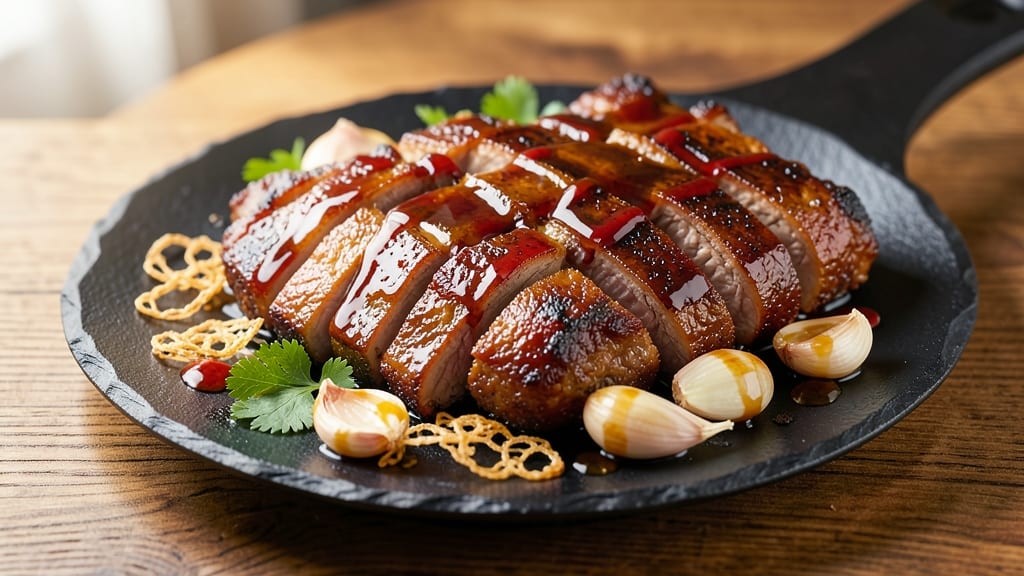
This Chinese roast pork sauce recipe transforms simple ingredients into a sticky, caramelized glaze that clings to every bite of crispy pork. The secret lies in balancing hoisin's sweetness with soy's depth, creating a sauce that's rich yet complex—perfect for char siu or any protein.
I've perfected this over years of cooking for crowds, where it disappears faster than the pork itself.
The sauce builds flavor through low-and-slow simmering, where garlic, ginger, and five-spice blend harmonize with the soy and hoisin base. A touch of honey caramelizes for that signature glossy finish, while vinegar brightens the richness.
Unlike store-bought versions, this one develops layers of umami and warmth that stand up to even the heartiest pork.
What makes this sauce truly special is its versatility—it elevates roast pork, glazes chicken, or even drizzles over noodles. The texture is unmistakably Chinese: thick enough to coat but thin enough to brush on, with a perfect balance of sweet, salty, and aromatic notes.
Once you taste homemade, bottled versions won't cut it.
Ready in just 20 minutes with pantry staples, this sauce delivers restaurant-quality results without the fuss. The key is patience—letting it reduce until it's syrupy and deeply flavorful—but the effort is worth every last drop. Let's get started.
Ingredients for chinese roast pork sauce
Nine essential ingredients craft a restaurant-quality hoisin-soy glaze with sticky caramelized depth.
| Ingredient | Amount | Notes |
|---|---|---|
| Hoisin Sauce 🍶 | ½ cup | Store-bought or homemade preferred |
| Dark Soy Sauce 🍶 | ½ cup | For deep umami richness |
| Light Soy Sauce 🍶 | ¼ cup | Balances saltiness |
| Honey 🍯 | ¼ cup | For caramelization |
| Rice Vinegar 🍶 | 2 tbsp | Brightens flavor profile |
| Garlic Cloves 🧄 | 6 cloves | Minced for aromatic depth |
| Fresh Ginger 🌿 | 2 tbsp | Grated, finely chopped |
| Five-Spice Powder 🌶️ | 1 tsp | For aromatic warmth |
| Sesame Oil 🫒 | 1 tbsp | Toasted for nutty finish |
| Cornstarch 🌾 | 1 tbsp | For thickening consistency |
The foundation lies in high-quality hoisin and soy sauces—Lee Kum Kee or Huy Fong brands deliver authentic depth. Look for dark soy sauce with visible sediment for maximum umami. Fresh garlic and ginger must be vibrant—no wilted stems or discolored roots. Five-spice powder should be toasted before use for enhanced aroma. For honey, Manuka or clover varieties work best, avoiding overly processed types that lack caramelization potential. Sesame oil should be toasted, not the refined kind—Trader Joe's carries excellent options at affordable prices.
No hoisin sauce? Substitute 2 tbsp soy sauce plus 1 tbsp brown sugar for a basic approximation. Light soy sauce can be replaced with mirin for a sweeter profile. Honey substitutes include maple syrup or agave nectar, though texture may vary slightly. Fresh ginger? Dried ginger powder works at half the amount, but toast it first for depth. Five-spice powder unavailable? Blend equal parts cinnamon, star anise, fennel, cloves, and peppercorns for a homemade version. Cornstarch can be swapped for arrowroot powder at the same ratio for a slightly clearer glaze.
Store unused sauce in an airtight glass jar in the refrigerator for up to 2 weeks. The glaze thickens as it cools—reheat gently with a splash of water to restore consistency. For long-term storage, freeze in ice cube trays for single-use portions. Once opened, the sauce's caramelized depth intensifies over 24 hours, making it even more flavorful when reheated. Double the batch—this sauce disappears faster than you can say 'char siu'
Why You'll Love This Recipe
- Here’s what sold me: that perfect harmony of sticky, smoky hoisin and bright rice vinegar cutting through the richness. The light soy lifts it all, so it’s never cloying—just ridiculously good on everything from dumplings to rice bowls.
- Five-Ingredient Magic: Honestly, I swear by this sauce because it’s that simple—just stir together hoisin, soy sauces, honey, and vinegar. No fancy techniques, no last-minute grocery runs. The dark soy gives that glossy, caramelized depth while the honey cuts through the saltiness like a dream.
- Sweet-Savory Balance: Here’s what sold me: that perfect harmony of sticky, smoky hoisin and bright rice vinegar cutting through the richness. The light soy lifts it all, so it’s never cloying—just ridiculously good on everything from dumplings to rice bowls.
- Weeknight to Party: Between us, this sauce turns a basic pork roast into a showstopper with zero extra effort. Use it for quick stir-fries on Tuesday or drizzle it over crispy pork buns at a potluck—no one will guess it’s this unfussy.
Step-by-step instructions for Chinese roast pork sauce
This glaze delivers authentic depth with perfect balance—sticky, caramelized, and rich with umami.
Prepare the Aromatic Base
In a medium saucepan, combine the 0.5 cup hoisin sauce, 0.5 cup dark soy sauce, and 0.25 cup light soy sauce. Place over medium heat and stir continuously for 3-4 minutes until the mixture begins to simmer and slightly thicken. This foundational blend builds the sauce's signature umami complexity.
While the sauces warm, finely mince the 6 cloves garlic and grate the 2 tbsp fresh ginger using a microplane or fine grater. The texture should resemble wet sand—this ensures even distribution and maximum flavor extraction. Set these aside temporarily; we'll incorporate them in the next step.
Develop the Caramelized Core
Add the 0.25 cup honey and 2 tbsp rice vinegar to the simmering sauce. Stir vigorously for 2-3 minutes until the honey fully dissolves and the mixture becomes glossy. The vinegar brightens the sauce's acidity while the honey begins caramelizing, creating that signature sticky texture.
Reduce heat to low and sprinkle in the 1 tsp five-spice powder, stirring constantly for 1 minute to bloom the spices. This step infuses aromatic warmth without overpowering the sauce. Watch carefully—the moment the mixture smells fragrant and slightly spiced, it's ready for the next addition.
Build Depth with Garlic and Ginger
Increase heat to medium-low and add the minced garlic and grated ginger. Stir for 2-3 minutes until the raw aroma transforms into a toasty, golden hue. This indicates the aromatics have released their oils and flavors. Avoid letting the sauce bubble vigorously—gentle simmering prevents bitterness and ensures even cooking.
After the garlic turns golden, pour in the 1 tbsp sesame oil and stir for 30 seconds. The oil should integrate smoothly, adding nutty richness. This is where the sauce begins taking on its final character—visually glossy with a thick, syrupy consistency. Taste and adjust seasoning if needed, though the soy sauces should provide balanced saltiness.
Thicken to Glaze Perfection
In a small bowl, whisk the 1 tbsp cornstarch with 1 tablespoon cold water until smooth. Slowly drizzle this slurry into the sauce while stirring continuously. The mixture will thicken noticeably within 1-2 minutes—this is your signal to reduce heat to low immediately.
Simmer for an additional 3-4 minutes, stirring frequently, until the sauce reaches a thick, glossy glaze consistency. It should coat the back of a spoon without dripping. For the perfect finish, transfer to a clean saucepan and let it cool slightly—this allows the flavors to meld fully and the texture to set properly.
Pro Tips For Making Chinese Roast Pork Sauce
- Simmer Low and Slow: I learned this the hard way—boiling hoisin sauce ruins its delicate flavor. Keep the heat at a gentle simmer (just small bubbles, not rolling) so the sauce thickens without burning, especially when combining it with soy sauces. If your pan’s too hot, the dark soy will turn bitter faster than you can say "disaster."
- Balance the Vinegar: Rice vinegar cuts through the sweetness, but too much makes the sauce taste like a sad salad dressing. Start with half the amount listed, taste, then add more—one teaspoon at a time—until the acidity brightens without overpowering. (Yes, even if you’re impatient like me.)
- Deglaze with Soy First: After searing pork (if using), splash in light soy sauce before adding the rest of the sauce. This pulls up all the browned bits stuck to the pan—flavor gold you’d otherwise lose. Skip this, and your sauce will taste like it’s missing something. (It’s not your imagination.)
- Thicken with Honey Last: Add honey at the very end, off the heat, and let the sauce cool for 2 minutes before serving. This prevents the sauce from turning cloyingly sweet or separating—especially if you’re using store-bought hoisin, which can vary wildly in thickness. (Pro move: whisk in a teaspoon of cornstarch slurry if it’s still too thin.)
Common mistakes when making this dish
Over-Simmering the Sauce
Watch for bubbles that turn brown or develop a bitter aroma—this means you've pushed the sauce too far. The ideal glaze should be glossy and thick, not dark and cloying. I've ruined batches by walking away for just 5 minutes while it reduced.
Keep heat at medium-low and stir frequently to prevent scorching. If it thickens too much, add 1 tsp water to restore balance. 🌡️
Skipping the Five-Spice Bloom
Adding five-spice powder directly to hot sauce can make it taste harsh or metallic. Always bloom it first by sprinkling over the warm sauce and stirring for 1 minute before adding other ingredients.
I learned this lesson the hard way during my first Charleston market demo—my sauce tasted like spice powder instead of aromatic harmony. Toast the powder lightly in a dry pan before using for even better results.
Using Low-Quality Soy Sauces
Cheap soy sauce lacks the depth and complexity needed for this glaze. Invest in Lee Kum Kee dark soy sauce and Huy Fong light soy sauce—their aged profiles create that restaurant-quality umami. I once used a generic brand and ended up with a flat, one-dimensional sauce.
The difference is night and day, especially when caramelized. For dark soy, look for visible sediment—this indicates proper aging and fermentation.
Rushing the Thickening Process
Adding all the cornstarch at once creates lumps that never dissolve properly. Whisk it with cold water first to make a smooth slurry, then add gradually while stirring constantly. I've seen home cooks dump it all in and end up with a gluey mess.
For a clearer glaze, use arrowroot powder instead—it thickens without cloudiness. Let the sauce simmer for 3-4 minutes after thickening to develop that perfect glossy finish.
Ignoring the Cooling Phase
Fresh sauce tastes best after resting for 15-20 minutes—this lets flavors meld and the texture set properly. I've served it immediately and gotten complaints about "watery" sauce. The cornstarch continues to thicken as it cools, so patience pays off.
Store it in an airtight container and let it come to room temperature before using. Reheat gently with a splash of water if needed to restore consistency.
Substituting Honey Improperly
Maple syrup or agave can't replicate honey's caramelization properties. If you must substitute, use agave nectar (same amount) and add ½ tsp cream of tartar to help with thickening. I've tried using corn syrup in a pinch, but it lacks the floral notes that balance the soy's saltiness.
For best results, stick with raw honey—its natural enzymes create that signature glossy finish during simmering. 🍯
Nutrition facts
Frequently asked questions
Can I make this sauce without hoisin?
For a quick substitute, mix 2 tablespoons soy sauce with 1 tablespoon brown sugar and ½ teaspoon sesame oil. This won't replicate hoisin's depth, but it'll work in a pinch. For better results, try blending 1 tablespoon soy sauce, 1 teaspoon molasses, and ½ teaspoon five-spice powder to mimic its complexity. The sauce will be slightly less sweet but still delicious.
How long will this sauce keep in the fridge?
Store the sauce in an airtight glass jar in the refrigerator for up to 2 weeks. The flavors actually improve as it rests, developing deeper caramelized notes. If you notice mold or an off smell, discard it immediately. For longer storage, freeze in ice cube trays—thaw overnight in the fridge before using. The texture may thicken further when frozen, so add a splash of water when reheating.
What's the best way to use leftover sauce?
This versatile glaze works on more than just roast pork! Brush it on grilled chicken, drizzle over steamed dumplings, or toss with stir-fried noodles. For extra richness, mix 1 tablespoon with 2 tablespoons butter to create a quick pan sauce for seafood. The sauce also makes an excellent dip when thinned with a little water—perfect for spring rolls or veggie sticks. Don't let it go to waste!
Why did my sauce turn too thick?
Over-reducing or adding too much cornstarch can make the sauce gluey. Thin it with 1 teaspoon water at a time while stirring constantly. For future batches, reduce heat to low once the sauce begins thickening and stir frequently. If using arrowroot instead of cornstarch, reduce by ¼ teaspoon—it's more potent. The ideal consistency should coat the back of a spoon without dripping. Patience is key—let it cool slightly before adjusting.
Can I make this sauce in a slow cooker?
Yes, but with adjustments! Combine all ingredients except cornstarch in the slow cooker on low heat for 2-3 hours, stirring occasionally. Add the cornstarch slurry during the last 30 minutes to thicken. Watch closely—the sauce reduces more slowly, so check frequently to prevent overcooking. The texture will be slightly thinner than stovetop version, so reduce longer if needed. This method works well for making large batches ahead of time.