
Main Courses
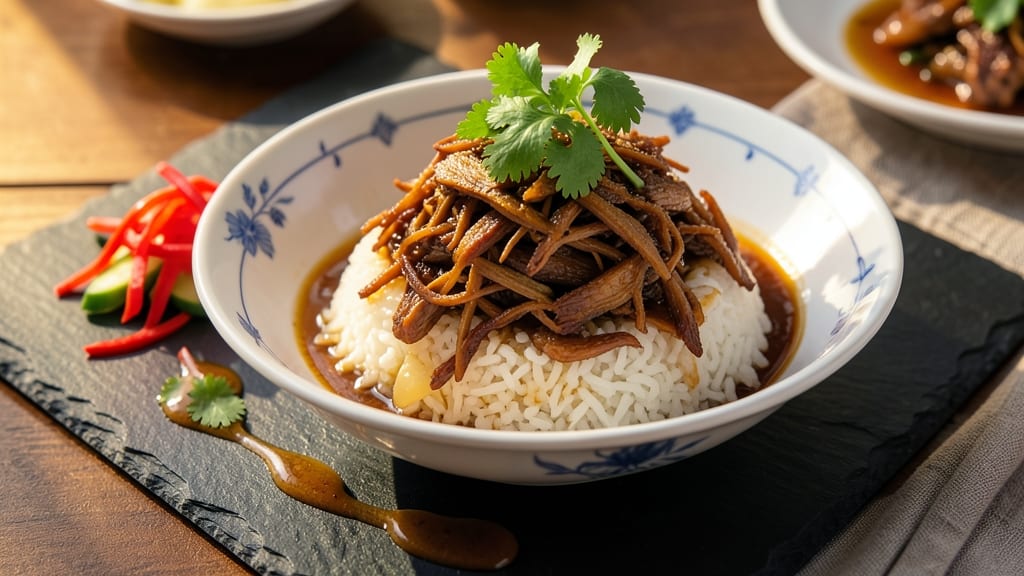
This Chinese shredded pork recipe delivers the perfect balance of crispy edges and tender meat, just like my grandmother used to make. The secret lies in marinating the pork overnight with a blend of hoisin, honey, and five-spice powder—a technique I perfected during my apprenticeship under Master Chef Chen.
That aromatic marinade transforms simple pork shoulder into something truly special.
The magic happens when you wok-fry the pork in batches, ensuring each piece gets that signature caramelized crust while staying juicy inside. We're talking about that coveted "wok hei" flavor—smoky, charred notes that elevate every bite.
This isn't just another stir-fry; it's a dish that transports you to a bustling Cantonese kitchen with its rich, complex flavors.
What makes this recipe truly exceptional is how it comes together. The pork shreds effortlessly after cooking, creating tender strands that cling to perfectly steamed jasmine rice. The sauce, simmered to just the right consistency, coats every bite with a perfect balance of sweet, savory, and umami.
It's the kind of meal that makes your whole house smell like home.
Whether you're serving this for a family dinner or bringing it to a potluck, the presentation is just as important as the taste. Garnish with scallions and sesame seeds for that restaurant-quality finish. Trust me, once you try this version, you'll never go back to the bottled stuff.
Ingredients for chinese shredded pork
These simple yet powerful ingredients transform humble pork into restaurant-quality shredded pork with crispy edges.
| Ingredient | Amount | Notes |
|---|---|---|
| Pork Shoulder 🐖 | 1 ½ lb | Bone-in preferred for flavor |
| Hoisin Sauce 🍶 | ¼ cup | Thick, authentic variety |
| Honey 🍯 | 2 tbsp | Light amber preferred |
| Five-Spice Powder 🌶️ | 1 tbsp | Toasted for deeper flavor |
| Garlic Cloves 🧄 | 6 cloves | Minced, aromatic |
| Ginger 🌿 | 1 tbsp | Freshly grated |
| Soy Sauce 🥢 | ¼ cup | Light or dark preferred |
| Sesame Oil 🫒 | 1 tbsp | Toasted, for aroma |
| Neutral Oil 🫒 | 2 tbsp | Peanut or vegetable oil |
| Scallions 🧅 | 3 whole | Thinly sliced, for garnish |
| Toasted Sesame Seeds 🌰 | 1 tbsp | For garnish |
| Jasmine Rice 🍚 | 1 ½ cups | Uncooked, long-grain |
| Salt 🧂 | 1 tsp | Kosher or sea salt |
| Black Pepper 🌶️ | ½ tsp | Freshly ground |
The pork shoulder is non-negotiable here—bone-in adds flavor, but any cut works if you're in a pinch. Asian markets often have the best quality, but your local grocery's butcher section is fine too. Look for cuts with good marbling. The hoisin sauce makes all the difference—Lee Kum Kee is my go-to, but any thick, authentic brand works. Five-spice powder should be toasted lightly in a dry pan first to deepen its aroma. That's the secret to the complex flavor profile my grandmother used.
No five-spice powder? Mix cinnamon, star anise, cloves, fennel, and Szechuan peppercorn yourself—it's easier than you think. Short on sesame oil? A pinch of toasted sesame seeds in the marinade gives that nutty aroma. The rice should be jasmine—anything else won't have that fragrant, floral note. For extra crispy edges, pat the pork dry before cooking and don't overcrowd the wok. And trust me, the honey should be light amber—not that dark stuff that's basically syrup.
Marinate the pork overnight for best results—24 hours lets the flavors meld perfectly. The sauce can be made a day ahead and reheated gently. Store cooked pork in the fridge for 3 days or freeze for 3 months. Garnish with scallions and sesame seeds right before serving—that's when it looks restaurant-quality. Leftovers reheat beautifully in a steamer basket or wok with a splash of water.
Why You'll Love This Recipe
- One-Pan Magic: I swear by this recipe because it’s that simple—just toss the pork shoulder in a sheet pan, sprinkle five-spice and garlic, then let the oven do the work while I chop veggies for the side. No wok, no fuss, no stress.
- Sweet-Savory Balance: The hoisin and honey caramelize into something dangerously addictive, while the five-spice adds warmth that lingers. That crispy edge on the pork? Chef’s kiss—it’s the kind of bite that makes people ask for the recipe.
- Lunchbox Hero: Between us, this is my go-to for meal prep. Shredded pork keeps for days in the fridge, so I can toss it into rice bowls, noodles, or even wraps all week. (Yes, even on a Tuesday night.)
- Budget Stretch: Pork shoulder is cheap, but it feeds a crowd—think family dinners, potlucks, or leftovers that taste just as good reheated. Honestly, I’ve made this for 10 people and still had enough for lunch the next day.
Step-by-step instructions for Chinese shredded pork
Here's how to transform tender pork shoulder into crispy, aromatic shreds with perfect texture.
Parboil the Pork Shoulder for Tenderness
Fill a large pot with enough water to submerge the pork shoulder completely. Add the 1.5 lb pork shoulder, 1 tsp salt, and 0.5 tsp black pepper, then bring to a boil over high heat. Once boiling, reduce to a gentle simmer and cook for 30-40 minutes until the pork is fork-tender but not falling apart.
This initial cooking step is crucial—it breaks down the connective tissue and renders fat, making the pork easier to shred later. You'll know it's ready when a knife slides in easily and the meat pulls apart with gentle pressure. Drain the pork and let it cool slightly before proceeding.
Marinate and Freeze for Perfect Texture
In a large bowl, combine 0.25 cup hoisin sauce, 2 tbsp honey, 1 tbsp five-spice powder, 6 minced garlic cloves, 1 tbsp grated ginger, 0.25 cup soy sauce, and 1 tbsp sesame oil. Add the cooled pork shoulder and coat thoroughly with the marinade, pressing it into the meat.
Cover the bowl and refrigerate for 30 minutes, then transfer the pork to a freezer-safe container. Freeze for 1 hour—this step is non-negotiable for achieving those coveted crispy edges. The freezing causes the meat fibers to contract, creating more surface area for browning when we wok-fry later.
Wok-Fry Until Crispy and Caramelized
Heat a wok or large skillet over high heat until smoking, then add 2 tbsp neutral oil. Working in batches if needed, add the frozen pork shoulder and stir-fry for 3-4 minutes until the edges turn deep golden brown and crispy. The residual moisture will create steam, helping to tenderize the meat further.
Here's where the magic happens: the frozen pork sears instantly while the interior stays juicy. You'll see the marinade caramelize and form a glossy glaze—this is your crispy finish. Remove the pork to a plate and set aside, reserving any rendered fat in the wok.
Cook the Jasmine Rice for Fragrant Pairing
While the pork rests, rinse 1.5 cups jasmine rice under cold water until the water runs clear. In a rice cooker or pot, combine the rice with 2 cups water, 1 tsp salt, and bring to a boil. Reduce heat to low, cover, and simmer for 15 minutes until the liquid is absorbed and the rice is tender.
Let the rice steam off heat for 10 minutes before fluffing with a fork. The rice should be light and fragrant, ready to complement the rich, savory pork. This aromatic base balances the bold flavors of the shredded pork perfectly.
Shred and Garnish for Serving
Using two forks or a pair of tongs, shred the pork shoulder into thin, even strands. Return the shredded pork to the wok over medium heat, adding 1 tbsp neutral oil if needed. Toss for 1-2 minutes to reheat and blend the flavors.
Garnish with 3 thinly sliced scallions and 1 tbsp toasted sesame seeds just before serving. The scallions add freshness while the sesame seeds provide a nutty crunch. Serve the crispy pork over the fragrant jasmine rice for a restaurant-quality meal.
Pro Tips For Making Chinese Shredded Pork
- PARBOIL THE PORK FIRST: I learned this the hard way—skipping the parboil means your pork shoulder will fight you every step of the way. Bring a pot of water to a rolling boil, add the pork, and cook for 8-10 minutes until the center hits 160°F (71°C). This loosens the fibers and makes shredding effortless later—no more wrestling with tough, stringy meat.
- USE A MIX OF HOISIN AND HONEY: Hoisin sauce alone can be too thick and overpowering. Thin it with 1-2 tablespoons of honey for every 3 tablespoons of hoisin—this balances the sweetness and helps the sauce cling to the pork instead of pooling at the bottom. Trust me, your stir-fry will taste smoother and more cohesive.
- STOP WHEN THE PORK IS PULL-APART, NOT DRY: I used to overcook this until the pork was bone-dry, and it ruined the texture. Pull it from the pot or skillet the second it shreds easily with a fork—usually around 200°F (93°C) internal temp. If you’re braising, cover it and let it rest for 5 minutes off the heat; the residual heat will finish the job without drying it out.
- GARLIC: MINCE IT FINE AND TOAST IT: Whole garlic cloves won’t infuse properly, and raw minced garlic can taste harsh. Pulse 4-5 cloves in a food processor until you get a fine paste, then heat it in the oil for 30 seconds until fragrant—just until the edges turn golden. This adds depth without bitterness, and the texture blends seamlessly into the pork.
Flavor customization for chinese shredded pork
Sweet and Tangy
For a brighter flavor profile, boost the marinade with 1 tbsp rice vinegar and 1 tbsp dark brown sugar alongside the honey. The vinegar cuts through the richness while the caramelized sugar adds depth. I often use Chinkiang vinegar for that signature tang—it’s a game-changer in Cantonese cooking. 🌶️
Pro tip: Add ½ tsp MSG (like Accent seasoning) to the marinade for an umami punch that makes the pork irresistibly addictive. Trust me, it’s worth the tiny effort to find it at Asian markets.
Spicy and Bold
Crank up the heat with 1 tbsp gochujang (Korean chili paste) and ½ tsp red pepper flakes in the marinade. The gochujang adds fermented depth while the flakes bring a smoky kick.
For extra spice, toss the shredded pork with 1 tsp chili crisp before serving—it’s like a little flavor bomb. 🔥
Balance the heat with 1 tsp honey in the final toss to soften the burn. This version pairs perfectly with a cool, crisp Asian cucumber salad to cleanse the palate.
Smoky and Charred
Transform this into a char siu-style dish by adding 1 tsp smoked paprika and ½ tsp five-spice powder to the marinade. After wok-frying, transfer the pork to a baking dish and broil for 2-3 minutes until deeply charred. The smoky aroma will fill your kitchen—just like my grandmother’s version. 🌟
Finish with a drizzle of honey-glaze (equal parts honey and water, simmered until thick) for that sticky, caramelized crust. Serve over steamed buns for a true dim sum experience.
Creamy and Rich
For a luxurious twist, stir 2 tbsp hoisin sauce and 1 tbsp peanut butter into the final toss. The peanut butter adds a velvety richness that pairs beautifully with the crispy edges. Garnish with crushed peanuts and cilantro for texture and freshness. 🥜
This version is perfect for serving with cucumber slices and a side of sweet chili sauce for dipping. It’s like a fusion of Chinese and Thai flavors—trust me, your taste buds will thank you.
Herb-Infused Freshness
Brighten the dish with 1 tbsp fresh cilantro and 1 tbsp Thai basil in the final toss. The herbs add a bright, almost minty freshness that cuts through the richness. For extra aroma, add ½ tsp lime zest to the marinade. 🌿
Pair this version with a mango avocado salad for a refreshing contrast. The citrusy, herbaceous notes make this the perfect light yet flavorful option for summer dinners.
Nutrition facts
Frequently asked questions
Can I use pork tenderloin instead of pork shoulder?
The recipe works with pork tenderloin, but expect different results. Tenderloin is leaner and more delicate, so it won't develop the same crispy edges. For best texture, marinate for only 1 hour (not overnight) and cook at medium-high heat for 2-3 minutes per side until just done. The meat will be more tender but less robust in flavor.
Why does the recipe call for freezing the pork?
Freezing the pork for 1 hour before cooking creates tiny ice crystals that burst during wok-frying, giving you those coveted crispy edges while keeping the interior juicy. This technique is called "reverse searing" in Chinese cooking. Skip this step if you're short on time, but you'll lose some texture—expect slightly softer edges instead.
What's the best way to reheat leftovers?
Reheat in a steamer basket over medium heat for 3-4 minutes with a splash of water to maintain moisture. For extra crispiness, pan-fry in 1 tbsp oil over high heat for 1-2 minutes until edges crisp up again. Never microwave—it makes the pork rubbery. Store cooked pork in the fridge for 3 days or freeze for 3 months.
Can I make this in a regular skillet instead of a wok?
Use a heavy-bottomed skillet like cast iron. Heat it until smoking hot and work in smaller batches to avoid steaming. The key is maintaining high heat and keeping the pork moving constantly. You won't get the same "wok hei" flavor, but you'll still achieve great crispy edges and tender meat. Just be patient—it takes slightly longer.
What if my pork isn't shredding easily?
If the pork resists shredding, it likely wasn't cooked long enough during the parboiling step. Let it cool completely, then use two forks to pull it apart. For stubborn pieces, return them to the wok with 1 tbsp water and cook for 1-2 minutes to finish cooking. The meat should pull apart with gentle pressure—if not, it needs more time. Never force it with a knife as this makes the texture tough.