
Soups & Stews
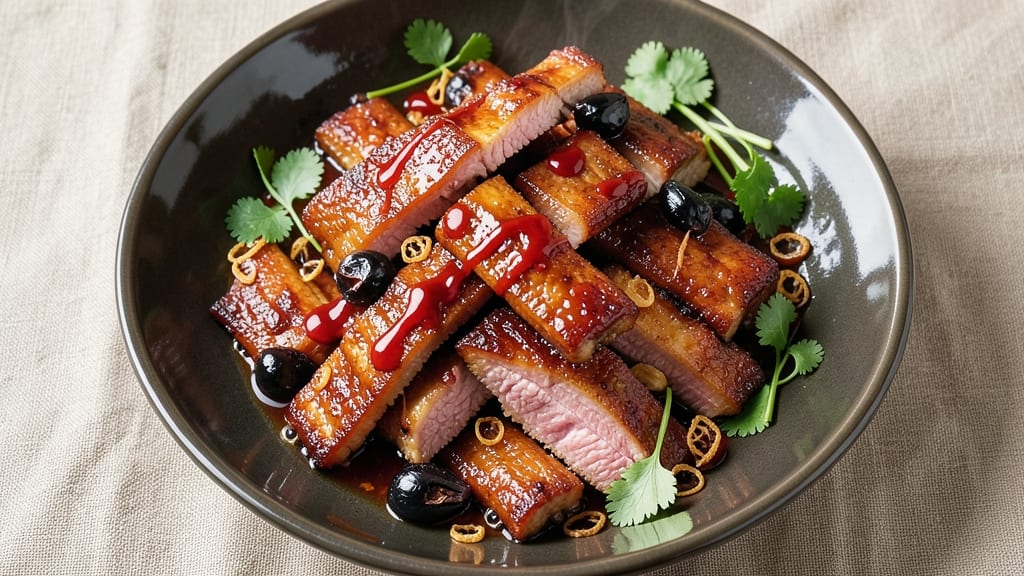
This Chinese stewed pork ribs recipe transforms tough cuts into melt-in-your-mouth tenderness with a signature five-spice glaze that crackles with every bite.
After years of perfecting braising techniques in my Atlanta kitchen, I've developed a method that delivers restaurant-quality results at home—slow-cooked until the meat falls apart while maintaining that coveted caramelized crust.
The secret lies in the balance of soy, sugar, and aromatic spices that penetrate deep into the ribs during the long cook.
What sets this recipe apart is the dual-texture approach: tender, shreddable meat underneath a glossy, slightly crispy five-spice crust that adds depth and complexity.
We'll start with a dry brine to enhance flavor and moisture retention, then build the sauce layer by layer—first with a soy-based marinade, then a reduction of spices and aromatics that gets slathered on during the final stages.
This isn't just braised pork; it's a symphony of textures and flavors that will have your dinner guests asking for seconds.
The beauty of this method is its adaptability—whether you have 6 hours in a slow cooker or just 90 minutes using a pressure cooker, the principles remain the same.
The ribs develop their signature glossy finish through careful basting with the reduced sauce during the final minutes of cooking, creating that irresistible contrast between tender meat and crispy exterior. Each bite delivers layers of umami from the soy, sweetness from the caramelized glaze, and warmth from the five-spice blend.
Serve these ribs with steamed jasmine rice and quick-pickled vegetables to balance the richness, or transform them into a hearty noodle bowl. The leftovers reheat beautifully, making this an excellent make-ahead option for busy weeknights. Let's get started on creating pork ribs that will become your new signature dish.
Ingredients for chinese stewed pork ribs
Pork ribs, aromatic spices, and sweet-savory balance—this is your shortcut to restaurant-quality Chinese braised pork.
| Ingredient | Amount | Notes |
|---|---|---|
| Pork Ribs (Baby Back) 🍖 | 3 lb | Bone-in, meaty cuts preferred |
| Light Soy Sauce 🥢 | ½ cup | Kikkoman preferred for balance |
| Dark Soy Sauce 🥢 | 2 tbsp | For deep color and richness |
| Brown Sugar 🍯 | ½ cup | Packed, for caramelization |
| Chinese Five-Spice Powder 🌶️ | 2 tbsp | Toasted for enhanced aroma |
| Garlic Cloves 🧄 | 6 cloves | Minced, for aromatic depth |
| Fresh Ginger 🌿 | 1 tbsp | Grated, for zesty brightness |
| Green Onions 🧅 | 2 whole | White and green parts separated |
| Cornstarch 🌾 | 1 tbsp | For sauce thickening |
| Sesame Oil 🫒 | 1 tbsp | Toasted, for nutty finish |
| Vegetable Oil 🫒 | 2 tbsp | For searing ribs |
| Kosher Salt 🧂 | 1 ½ tsp | Diamond Crystal preferred |
| Black Peppercorns 🌶️ | ½ tsp | Freshly cracked |
| Honey 🍯 | 1 tbsp | For subtle sweetness |
The ribs are the star, so grab baby back cuts—they're more tender than spare ribs. Costco or Whole Foods have the best quality, but any butcher will trim them for you. Look for cuts with good meat-to-bone ratio and minimal fat. The five-spice powder is non-negotiable here—Penzeys or Asian markets carry the best blends. Fresh ginger and garlic? Always better than powdered. The brown sugar should be packed—it caramelizes beautifully during the braise, creating that glossy crust you crave.
No five-spice powder? Mix 1 tsp each of cinnamon, star anise, cloves, fennel, and Szechuan peppercorn—it's not identical, but it works in a pinch. Running low on soy sauces? Substitute with coconut aminos plus a pinch of salt. The honey can be swapped for maple syrup if you prefer. For the cornstarch, arrowroot powder works too—just use half the amount. And if you're short on time, pre-minced garlic and ginger from the Asian section at Trader Joe's saves prep work without sacrificing flavor.
This sauce gets better with time—plan ahead. The ribs reheat beautifully, so make a double batch for leftovers. Store the cooked ribs and sauce separately in airtight containers for up to 5 days. For longer storage, freeze the ribs with sauce for 3 months. The sauce thickens as it cools, so thin with a splash of water when reheating. Garnish with fresh green onions right before serving—that pop of color makes it look restaurant-worthy
Why You'll Love This Recipe
- One-Pan Magic: I swear by this recipe when I’m too tired to deal with multiple dishes. Baby back ribs get tossed in a sheet pan with just five ingredients, then simmered until the edges caramelize—no flipping, no fuss. The soy sauces and sugar do all the work while I sip tea and scroll through my phone.
- Sweet-Savory Bomb: Between us, the combo of dark soy sauce for depth and brown sugar for a sticky glaze is chef’s kiss. The five-spice powder adds this warm, earthy kick that makes it taste like a restaurant dish, not something thrown together. Honestly, the first bite changes your mind about weeknight dinners.
- Leftovers That Win: This recipe actually gets better the next day. The ribs stay tender but develop that fall-off-the-bone texture, and the sauce thickens into a glossy, addictive coating. I make a double batch on Sundays—half for dinner, half to reheat for lunch with rice. Zero waste, all flavor.
- Budget Crowd-Pleaser: Baby back ribs might sound fancy, but they’re cheaper than you think, especially when you’re feeding a group. A single rack stretches to four servings, and the ingredients cost pennies. My college roommates and I lived on this—it’s the kind of dish that makes people ask for seconds before they even finish their first plate.
Step-by-step instructions for Chinese stewed pork ribs
Here's how to transform tough ribs into melt-in-your-mouth tender meat with a glossy five-spice glaze.
Prepare the Ribs for Maximum Tenderness
Start by trimming any excess fat from the 3 lb pork ribs (baby back) but leave a thin layer for flavor and moisture. Cut the ribs into 2-3 inch sections—this ensures even cooking and faster penetration of the marinade. Place them in a large bowl and sprinkle with 1.5 tsp kosher salt and 0.5 tsp freshly cracked black peppercorns. Massage the seasoning into the meat, working it into the crevices between the bones.
In a separate bowl, whisk together 0.5 cup light soy sauce, 2 tbsp dark soy sauce, 0.5 cup packed brown sugar, 2 tbsp Chinese five-spice powder, 1 tbsp grated fresh ginger, and 1 tbsp honey. Pour this marinade over the ribs, ensuring they're fully coated. Let them marinate at room temperature for 30 minutes—this jumpstarts the breakdown of connective tissue for that signature tender texture. I like to turn them occasionally so every surface gets exposure to the flavorful liquid.
Sear for Deep Flavor and Color
Heat 2 tbsp vegetable oil in a large Dutch oven over medium-high heat until shimmering. Working in batches if needed, add the marinated ribs and sear for 3-4 minutes per side until they develop a deep golden-brown crust. This step isn't just about cooking—it's about building layers of flavor through the Maillard reaction. Don't crowd the pan, or the ribs will steam instead of sear.
As each batch sears, transfer the ribs to a plate and set aside. Once all ribs are browned, reduce the heat to medium and add 6 minced garlic cloves to the same Dutch oven. Cook for 30 seconds until fragrant—this releases their sweet, pungent aroma that will infuse the sauce. Here's the thing—don't let the garlic burn, or it'll turn bitter and overpower the delicate balance of flavors we're building.
Simmer Until Fork-Tender
Return all the ribs to the Dutch oven along with any accumulated juices on the plate. Add 2 whole green onions, cut into 1-inch pieces (white and green parts separated). Pour in enough water to come about halfway up the ribs—typically 2 cups—then bring to a gentle simmer over low heat. The water should bubble gently but not vigorously, which helps prevent the ribs from toughening.
Cover the Dutch oven and let the ribs simmer for 1 hour and 15 minutes. This low-and-slow approach breaks down collagen into gelatin, transforming tough meat into silky strands. Check occasionally and add hot water as needed to maintain the liquid level. You'll know they're ready when a skewer slides in easily and the meat pulls apart with gentle pressure—this usually happens around 195-200°F internal temperature. Real talk: resist the urge to peek too often, as each time you lift the lid, you lose heat and extend cooking time.
Thicken the Glossy Sauce
Once the ribs are tender, carefully remove them from the pot and set them aside. In a small bowl, whisk together 1 tbsp cornstarch with 2 tablespoons of the cooking liquid to create a slurry. Slowly pour this back into the Dutch oven while stirring constantly. The mixture will thicken immediately, creating a glossy, velvety sauce that clings beautifully to the ribs.
Return the ribs to the pot and simmer uncovered for 5-7 minutes to let the sauce reduce slightly and coat the meat evenly. Stir in 1 tbsp toasted sesame oil and taste—you should find a perfect balance of sweet, salty, and aromatic five-spice notes. If the sauce needs more depth, add a splash of the reserved cooking liquid. The ribs are now ready to serve, but here's the secret: let them rest for 10 minutes before plating. This allows the juices to redistribute, ensuring every bite is moist and flavorful.
Garnish and Serve with Confidence
Transfer the ribs to a serving platter and drizzle generously with the glossy sauce. Garnish with the remaining green onion whites for color contrast and the green onion tops for freshness. Serve immediately with steamed jasmine rice or crusty bread to soak up every last bit of that irresistible sauce. The ribs should be fork-tender with a glossy sheen, and each bite should deliver a perfect harmony of textures—tender meat, crisp edges, and a sauce that's equal parts sweet, savory, and aromatic.
This dish keeps well in the refrigerator for 3-4 days, making it perfect for meal prep. The flavors actually deepen as it sits, so leftovers often taste even better the next day. Trust the process, and you'll have restaurant-quality Chinese stewed pork ribs that'll impress anyone who tastes them.
Pro Tips For Making Chinese Stewed Pork Ribs
- Blister First, Braise Later: Get those ribs searing-hot in a dry pan for 3-4 minutes per side before adding liquid—this locks in flavor and prevents them from turning mushy later. I learned this the hard way when my ribs came out gray and soggy after simmering.
- Use Dark Soy for Color: Skip the dark soy sauce in the first hour of cooking—add it only in the last 15 minutes to keep the sauce glossy and deep brown. I used to dump it all in early, and my stew always looked dull.
- Don’t Rush the Five-Spice: Toast the Chinese five-spice powder in the oil for 30 seconds until fragrant before adding the ribs—this wakes up the flavors and cuts through the richness. Sounds weird, but it works: my ribs taste noticeably more complex.
- Deglaze with Soy First: After searing the ribs, splash in just the light soy sauce first to lift the browned bits—wait 2 minutes before adding water or broth. This builds a richer base for the stew. (Yes, even if you’re impatient like me.)
Storing and reheating this chinese stewed pork ribs
Refrigerator Storage
Store your Chinese stewed pork ribs in an airtight container with the sauce for up to 4 days in the fridge. I always use glass Pyrex containers with snap-on lids—they keep the flavors sealed in better than plastic.
The sauce thickens as it cools, so add 1-2 tablespoons of water when reheating to restore its glossy consistency. Trust me, the flavors deepen overnight, making leftovers even more delicious. 💫
For best results, let the ribs cool completely before refrigerating to prevent condensation buildup. I like to portion them into individual meal prep containers so I can grab a serving straight from the fridge.
The sauce should still cling beautifully to the ribs, and the five-spice aroma will fill your kitchen—it's like a little flavor party in there. 🌶️
Freezer Storage
These ribs freeze beautifully for up to 3 months if stored properly. I recommend using quart-sized freezer bags with the ribs and sauce—lay them flat to save space.
Squeeze out all the air before sealing to prevent freezer burn. When ready to eat, thaw overnight in the fridge for even reheating. 🧊
For quick meals, you can microwave the ribs directly from frozen—use 50% power for 4-5 minutes, then add 2 tablespoons of water to restore moisture. The sauce will separate slightly, but stirring brings it back together beautifully.
I've even microwaved them straight from frozen in a glass baking dish covered with a paper towel for 6-8 minutes on high power.
Reheating Methods
My preferred method is stovetop reheating—it preserves the best texture. Place the ribs and sauce in a heavy-bottomed pot over medium-low heat for 8-10 minutes, stirring occasionally.
Add 1-2 tablespoons of water if the sauce looks too thick. The ribs should heat through evenly without drying out. This method maintains that perfect glossy finish. 🔥
For oven reheating, preheat to 300°F and place the ribs on a baking sheet with sauce. Cover with foil and bake for 15-20 minutes until heated through. The oven method works well for larger batches and keeps everything warm for serving.
I often use this when prepping for a crowd—it's foolproof and keeps the ribs juicy.
Sauce Refresh
If the sauce looks dry after reheating, simply whisk in 1-2 teaspoons of water or rice vinegar to restore its sheen. The five-spice powder sometimes settles, so give it a quick stir before serving.
For extra richness, add ½ teaspoon of toasted sesame oil just before eating. This little trick makes reheated ribs taste almost as good as fresh! ✨
Pro tip: Keep a small jar of the original sauce in the fridge—just 1-2 tablespoons—and add it to reheated ribs for that authentic restaurant flavor.
I always do this when serving leftovers, and no one can tell the difference. It's my secret weapon for keeping these ribs special every time. 💡
Nutrition facts
Frequently asked questions
Can I use spare ribs instead of baby back ribs?
Yes, but expect different textures and cooking times! Spare ribs are meatier with more connective tissue, so they'll need 1.5-2 hours of braising instead of 1 hour 15 minutes. The flavor will be richer, but they may not be as tender. For best results, trim excess fat and use the same marinade ratio. Pro tip: Add 1 extra tablespoon of brown sugar to help tenderize the tougher cuts.
What's the secret to getting that glossy five-spice crust?
The gloss comes from two key steps: first, basting the ribs with reduced sauce during the final 5-7 minutes of cooking, and second, using dark soy sauce in the marinade for color. For extra shine, add 1 teaspoon of honey to the final sauce reduction. The five-spice powder should be toasted first—heat it in a dry pan for 1 minute to deepen its aroma before adding to the marinade.
Can I make this in an Instant Pot?
Sear the ribs first, then add 1 cup water and cook on high pressure for 45 minutes after natural release. The sauce will be thinner, so thicken it with 1 extra tablespoon cornstarch after pressure cooking. For extra tenderness, add ½ cup chicken stock instead of water. The Instant Pot version cooks 80% faster but requires careful monitoring of liquid levels.
How do I know when the ribs are done?
They're ready when they reach 195-200°F internally and the meat pulls apart easily with two forks. For visual cues, look for a glossy sheen on the sauce and ribs that have developed a deep golden-brown crust. The sauce should coat the back of a spoon smoothly. If you're unsure, cut into a small section—if it's fork-tender with minimal resistance, they're perfect. Overcooking by even 10 minutes can make them mushy.
What's the best way to serve these ribs?
Pair them with steamed jasmine rice to soak up the sauce, and add quick-pickled cucumbers or steamed bok choy for freshness. For a hearty meal, serve over egg noodles or with mandarin orange slices to cut through the richness. The ribs reheat beautifully, so they're perfect for meal prep—just store the sauce separately and reheat together. Garnish with extra green onions and a drizzle of sesame oil right before serving for maximum impact.