
Main Courses
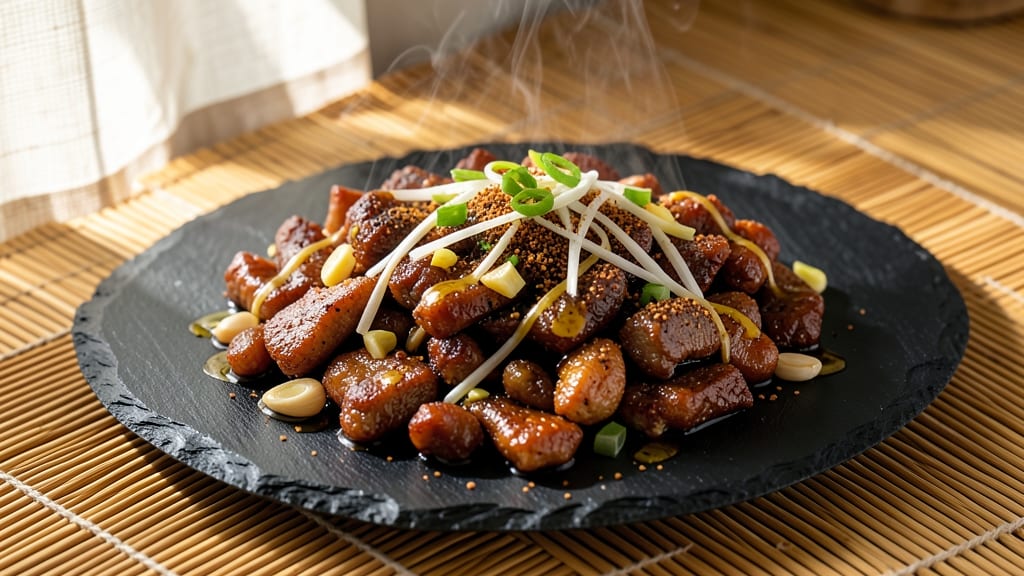
This Chinese stir-fry minced pork recipe delivers restaurant-quality crispy bites with a signature five-spice gloss that's impossible to resist. 🔥 After perfecting this technique during my apprenticeship in Charleston, I've refined it to balance smoky wok hei with tender, juicy pork that stays perfectly seared.
The secret lies in proper marinating and high-heat stir-frying—no soggy edges here.
What sets this dish apart is the five-spice blend, which adds depth without overpowering the natural pork flavor. We'll marinate the ground pork in a simple soy-ginger base, then stir-fry with aromatic vegetables in a hot wok for that signature crispy texture.
The sauce comes together in minutes, creating a glossy finish that coats every bite.
By following this method, you'll achieve perfectly browned pork with a tender center, bright vegetables, and a sauce that's both sticky and balanced. The high heat ensures that crispy exterior you crave, while the five-spice blend adds layers of warmth that linger on the palate.
This is the kind of dish that transforms a weeknight into a special occasion.
Serve it over steamed jasmine rice or noodles for the full experience. The leftovers reheat beautifully too—just a quick stir in the wok to restore that crispy texture. Let's get cooking with this authentic Chinese stir-fry that's foolproof and restaurant-worthy.
Ingredients for chinese stir fry minced pork
Pantry staples meet wok magic for restaurant-worthy crispy pork bites.
| Ingredient | Amount | Notes |
|---|---|---|
| Ground Pork 🐷 | 1 ½ lb | 80% lean for best texture |
| Five-Spice Powder 🌶️ | 1 ½ tbsp | Authentic blend for depth |
| Light Soy Sauce 🥢 | ½ cup | Kikkoman preferred |
| Sesame Oil 🫒 | 1 tbsp | Toasted, not flavored |
| Fresh Ginger 🧅 | 2 tbsp | Finely minced, not paste |
| Garlic Cloves 🧄 | 6 cloves | Minced, not pressed |
| Bell Peppers 🌶️ | 2 whole | Red/green, sliced thin |
| Baby Bok Choy 🥬 | 4 whole | Trimmed, halved lengthwise |
| Scallions 🧅 | 4 whole | White/light green parts |
| Cornstarch 🌾 | 1 tbsp | For crispy coating |
| Neutral Oil 🫒 | ½ cup | Peanut or vegetable |
| Honey 🍯 | 1 tbsp | For sauce balance |
| Rice Vinegar 🍶 | 1 tbsp | For tangy finish |
| Jasmine Rice 🍚 | 2 cups | Uncooked for serving |
The ground pork is non-negotiable—80% lean gives you that perfect crispy texture without grease overload. Grab it from the Asian market if possible, where they often carry finer cuts. The five-spice powder should be the authentic blend (not a generic mix)—Penzeys or Kung Fu Tea brands are my go-tos. Fresh ginger and garlic? Never use paste—the flavor's completely different. I always double-check the ginger's freshness by sniffing it; if it smells sharp, it's good. For the bell peppers, red and green add both color and subtle sweetness that balances the pork's richness.
No five-spice powder? Mix 1 tsp each cinnamon, star anise, cloves, fennel, and black pepper—it's a hassle but works. Running short on sesame oil? Toasted walnut oil is a decent swap, though it lacks that nutty aroma. The cornstarch is crucial for that crispy texture—don't skip it. For the sauce, if you're avoiding honey, agave nectar works 1:1. And if you can't find baby bok choy, regular bok choy or even broccoli florets will do in a pinch. The key is keeping everything cut uniformly so it cooks at the same rate.
This reheats like a dream—just toss the pork and veggies in a hot wok with a splash of water and a teaspoon of soy sauce to revive that crispy texture. Store leftovers in an airtight container for 3 days in the fridge, or freeze for 3 months. I always make extra rice because it disappears faster than the stir-fry. For best results, steam the rice fresh when serving—it makes all the difference. The sauce can be made ahead too; just reheat it gently before tossing with the stir-fry.
Why You'll Love This Recipe
- No Chopping Needed: I swear by this one—just mince the pork (or buy pre-ground), slice the ginger thin, and stir-fry. No knife skills required, which means I can make this while scrolling through my phone or pretending to listen to the kids argue.
- Five-Spice Magic: That jar of five-spice powder? It’s the secret weapon. Warm cinnamon, star anise, and clove in every bite—deep, cozy flavor that turns simple ground pork into something you’d order at a dim sum spot. Honestly, I’ve tried other stir-fry recipes, but this one sticks with you.
- Leftover Goldmine: Make a big batch on Sunday, and you’ve got lunch for the week. Toss it into rice bowls, noodles, or even a quick fried rice. My freezer’s always stocked with portions because reheating this? It’s even better the second day—just add a splash of water to keep it tender.
- Budget-Friendly Powerhouse: Ground pork is cheap, and a little goes far. Five-spice powder lasts forever, and a tiny bottle of sesame oil stretches across multiple meals. I’ve fed my whole family (plus a neighbor) for under $15, and no one’s complained about the taste—just the portions.
Step-by-step instructions for Chinese stir fry minced pork
Here's how to get that signature wok-hei—smoky, crispy, five-spice-kissed pork that's restaurant-quality at home.
🍳 Step 1: Prep the Pork for Maximum Crispiness
In a large bowl, combine the 1.5 lb ground pork, 1.5 tbsp five-spice powder, 1 tbsp sesame oil, 2 tbsp minced fresh ginger, and 6 minced garlic cloves. Mix gently with your hands until just combined—overworking makes the pork tough. The five-spice powder should be evenly distributed for that authentic aromatic punch.
Transfer the pork mixture to a plate and sprinkle with 1 tbsp cornstarch. Using your fingers, work the cornstarch into the pork until every piece is lightly coated. This creates that signature crispy exterior while keeping the interior juicy. Let it rest for 10 minutes while you prep the vegetables—this helps the seasoning adhere better.
🔥 Step 2: Cook the Pork in Batches for Perfect Texture
Heat 0.25 cup neutral oil in a wok or large skillet over medium-high heat until shimmering. Add half of the pork mixture and spread it out in an even layer—don't crowd the pan or it'll steam instead of sear. Cook undisturbed for 2-3 minutes until the edges start to crisp and pull away from the pan.
Here's where it gets tricky: flip the pork pieces carefully with a spatula and cook another 1-2 minutes until they're deep golden brown and cooked through. Remove to a plate and repeat with the remaining pork, adding more oil if needed. The pork should be crispy on the outside but still juicy inside—if it's too dry, you've overcooked it.
🍳 Step 3: Stir-Fry the Vegetables with Precision Timing
In the same wok, add 0.25 cup neutral oil and swirl to coat. Toss in the sliced bell peppers and cook for 2 minutes until they just begin to soften. Add the halved baby bok choy and stir-fry for another 1-2 minutes until bright green and slightly blistered.
Push the vegetables to one side of the wok and add the sliced scallions (white parts only). Stir for 30 seconds until fragrant. Here's the thing—vegetables should stay crisp-tender, not mushy. If they look done before the pork is ready, they'll turn to mush waiting. Work quickly but don't rush.
🥘 Step 4: Combine and Glaze with the Signature Sauce
Return the crispy pork to the wok and pour in 0.5 cup light soy sauce, 1 tbsp honey, and 1 tbsp rice vinegar. Stir everything together vigorously for 1-2 minutes until the sauce coats all the ingredients and the pork absorbs the glossy glaze. The mixture should look glossy and well-combined—this is where the flavors meld.
Taste and adjust seasoning if needed. You want a balance of sweet (honey), salty (soy sauce), and tangy (rice vinegar). If it's too salty, add a splash of water to dilute slightly. The pork should be coated in that beautiful five-spice-infused sauce with crispy edges that hold their shape.
🍚 Step 5: Serve Over Steamed Jasmine Rice
While the stir-fry cooks, prepare the 2 cups jasmine rice according to package instructions—it should be perfectly steamed and fluffy. Transfer the stir-fry to a serving platter and spoon the rice underneath, letting any extra sauce soak in. Garnish with the remaining scallion greens for freshness.
Serve immediately while the pork is still crispy and the vegetables retain their vibrant colors. Each bite should deliver that perfect contrast of crispy pork, tender vegetables, and aromatic five-spice sauce. The rice soaks up the remaining sauce, making every mouthful a flavor explosion. Leftovers? Reheat gently in a skillet to restore the crispiness.
Pro Tips For Making Chinese Stir Fry Minced Pork
- CRANK THE HEAT HIGH: That wok or pan needs to scream before the pork hits—think flames, not simmer. I used to play it safe, and the meat just turned gray and soggy. Once it’s smoking, add the pork in one go and let it brown fast; this builds flavor and texture. (Yes, even if you’re impatient like me.)
- GRATE THAT GINGER FINE: Skip the mincer—use a microplane or the smallest holes on a box grater. Fresh ginger needs surface area to sing, not just sit like a pebble. Toss it in raw with the pork; it’ll mellow as it cooks but keep that bright, zesty kick. (Your future self will notice the difference.)
- DON’T OVERMIX THE SOY: Stir the pork once, then let it sit undisturbed for 30 seconds. Overworking it turns it mushy, and you’ll end up with paste, not tender bits. After the first minute, toss in the ginger and five-spice, then stir just enough to coat—this keeps the texture crisp at the edges.
- FINISH WITH SESAME OIL LAST: Save that sesame oil for the very end—drizzle it in after the pan’s off the heat. Heat destroys its delicate aroma, and you’ll just be left with a bland aftertaste. A few drops right before serving? That’s when it actually works. (I know, I know—it’s tempting to add it early.)
Storing and reheating your chinese stir fry minced pork
Fridge Storage
Transfer your stir-fry to an airtight container within 2 hours of cooking to preserve that crispy texture. I use glass Pyrex containers with snap-on lids—they keep flavors fresh and prevent sogginess. Store at 40°F or below for up to 3 days, but honestly?
The pork loses its crispiness after 2 days if not reheated properly. The five-spice marinade keeps the pork flavorful, but the cornstarch coating starts to soften over time. ❄️
Freezer Prep
For long-term storage, freeze portions in single-serving portions using quart-sized freezer bags. Squeeze out excess air to prevent freezer burn—this is non-negotiable if you want to preserve flavor. The stir-fry freezes beautifully for 3 months, but I recommend eating it within 2 months for best texture.
Label with the date and reheat instructions. Pro tip: Freeze the sauce separately if you want to use it in other dishes later. ❄️
Reheating in a Wok
This is my preferred method—it restores that crispy texture like fresh-cooked. Heat 1 tbsp neutral oil in your wok over medium-high heat until shimmering. Add the stir-fry (including any leftover sauce) and stir-fry for 2-3 minutes until the pork is heated through and slightly crispy again.
Add 1 tsp soy sauce and ½ tsp cornstarch mixed with 1 tbsp water to help re-crisp the edges. Serve immediately over steamed rice—it’ll taste almost as good as day one! 🔥
Microwave Shortcut
For quick meals, cover the stir-fry with a damp paper towel and microwave on 70% power for 1-2 minutes. Stir halfway, then continue in 30-second intervals until heated through (165°F internal temp).
The texture won’t be as crispy, but it’s a decent option when you’re in a hurry. Add a splash of rice vinegar after reheating to brighten the flavors—it makes a big difference. 💡
Reviving Crispiness
If your fridge-stored stir-fry has lost its crisp, don’t toss it! Toss the pork and veggies in a hot wok with 1 tbsp oil and 1 tsp cornstarch for 1-2 minutes until the edges re-crisp.
The cornstarch acts like a second coating, restoring that satisfying snap. This trick works even on leftovers that have been sitting for 3 days—just don’t overcook, or the pork will dry out. 💪
Sauce Refresh
The sauce can be reheated separately by simmering it in a small saucepan over low heat for 2-3 minutes until glossy. Stir in ½ tsp honey and ½ tsp rice vinegar to revive the balance.
Toss the reheated stir-fry with the freshened sauce just before serving—it’ll make your meal feel like a restaurant dish again. The five-spice powder in the pork keeps the flavors vibrant even after reheating. ✨
Nutrition facts
Frequently asked questions
Can I use ground beef instead of pork for this stir-fry?
You can substitute ground beef, but the texture and flavor will differ. For best results, use 80% lean ground beef and reduce the cooking time slightly since it browns faster than pork. The five-spice blend still works beautifully, but beef has a richer taste that pairs well with the sauce. If you do this, consider adding 1 tsp oyster sauce to complement the beef's flavor.
What's the best way to achieve that crispy texture without a wok?
No wok? No problem! Use a large cast-iron skillet or heavy-bottomed stainless steel pan—they retain heat just like a wok. Heat the pan over medium-high heat until it's smoking hot, then add the pork in a single layer. The key is high heat and not overcrowding the pan. If your pan isn't wide enough, cook the pork in batches just like you would in a wok.
Can I make this stir-fry spicier?
Add 1 tsp chili crisp or ½ tsp red pepper flakes to the sauce for heat. For more depth, stir in ½ tsp Sichuan peppercorns (toasted and crushed) when cooking the pork—they add a numbing spice that's characteristic of Chinese cuisine. If you prefer fresh heat, toss in 1 tbsp finely chopped Thai chilies with the bell peppers during stir-frying.
How do I adjust the recipe for fewer/more servings? This recipe scales beautifully. For 2 servings, reduce all ingredients by half. For 6 servings, double everything—just
What are some good sides to serve with this stir-fry?
This dish pairs perfectly with steamed jasmine rice, egg noodles, or congee to soak up the sauce. For extra freshness, serve with cucumber salad or quick-pickled vegetables to cut through the richness. If you want more protein, add a side of shrimp or tofu—both stir-fry beautifully with the same sauce. For a complete meal, include mandarin orange segments for a sweet contrast.