
Main Courses
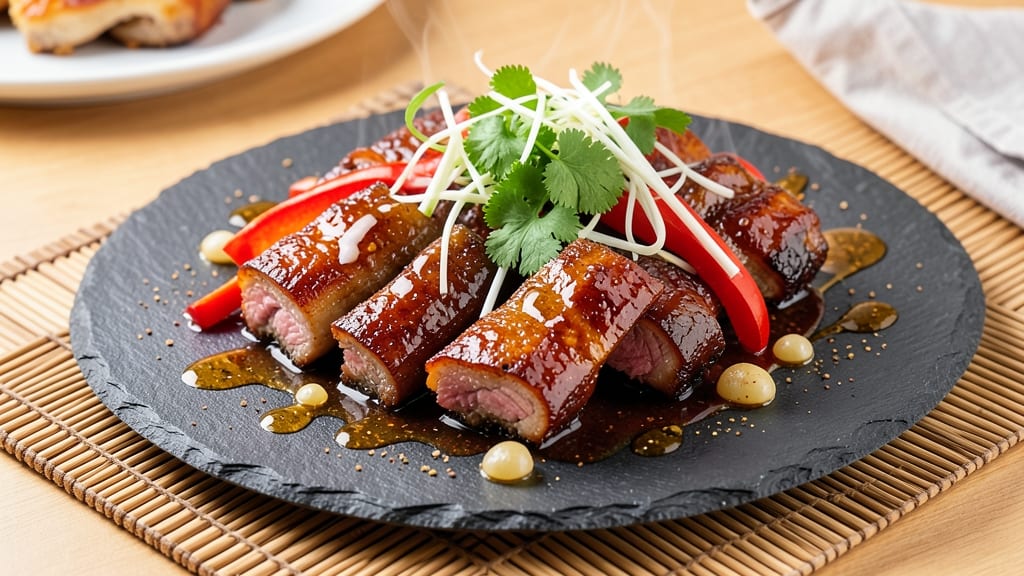
This Chinese stir-fry pork ribs recipe delivers crispy edges and tender meat with a five-spice gloss that’ll transport you to a bustling Cantonese wok station. 🔥 The secret lies in a quick marinade that tenderizes the ribs while building layers of savory, slightly sweet depth—no long soaking required.
I developed this technique after years of perfecting wok hei (breath of the wok) at home, and it’s become my go-to for weeknight dinners that feel like a restaurant experience.
The ribs get their signature texture from a high-heat sear in a screaming-hot wok, followed by a glossy sauce that clings to every bite. We’re talking crispy edges that shatter between your teeth while the interior stays juicy and flavorful.
The five-spice blend—star anise, cinnamon, cloves, fennel, and pepper—adds warmth without overpowering the natural richness of the pork, while a splash of Shaoxing wine deepens the sauce’s complexity. This isn’t your average stir-fry; it’s a dish that balances smoky, sweet, and umami in every forkful.
What makes this recipe truly special is how it transforms simple pork ribs into something restaurant-worthy in under 30 minutes. The marinade works its magic in just 15 minutes, and the stir-fry itself comes together in a flash—no fancy equipment needed, just a heavy-bottomed pan or wok.
Serve it over steamed jasmine rice with quick-pickled vegetables on the side for the full experience, or let the ribs shine as a standalone dish that’ll have everyone asking for seconds.
This method works equally well with baby back ribs or spare ribs, making it versatile for different occasions.
The sauce keeps beautifully in the fridge for up to 5 days, so you can make a big batch and reheat it for leftovers—just give it a quick stir to restore that glossy finish.
Whether you’re feeding a crowd or treating yourself to a special meal, these ribs deliver the kind of satisfaction that comes from mastering a classic technique with modern accessibility.
Ingredients for chinese stir fry pork ribs
Pantry staples plus a few specialty finds for that wok-hei magic—no fancy gear needed.
| Ingredient | Amount | Notes |
|---|---|---|
| Pork Ribs (Baby Back or Spare) 🍖 | 1 ½ lb | Cut into 1-inch pieces |
| Shaoxing Wine 🍷 | 2 tbsp | Or dry sherry substitute |
| Soy Sauce 🥄 | 3 tbsp | Dark soy for color |
| Honey 🍯 | 1 ½ tbsp | For natural sweetness |
| Five-Spice Powder 🌶️ | 1 ½ tsp | Homemade or store-bought |
| Fresh Ginger 🧄 | 2 tbsp | Finely grated (peeled) |
| Garlic Cloves 🧄 | 4 cloves | Minced for marinade |
| Sesame Oil 🫒 | 1 tbsp | For aroma (toasted) |
| Neutral Oil (Vegetable or Canola) 🫒 | 2 tbsp | For high-heat searing |
| Cornstarch 🌾 | 1 tbsp | For crispy coating |
| Green Onions 🧅 | 3 whole | Sliced for garnish |
| Salt 🧂 | 1 tsp | Kosher or sea salt |
| Black Pepper 🌶️ | ½ tsp | Freshly ground |
| Jasmine Rice 🌾 | 1 ½ cups | Uncooked, for serving |
The ribs are the star, so baby back or spare ribs work best—just cut them into 1-inch chunks. Costco or local butcher counters usually have them pre-cut, saving time. Look for meat with good marbling for juiciness. The five-spice powder is non-negotiable here—Penzeys or Asian markets carry the best blends, but a good store-bought version works too. Shaoxing wine? Trader Joe's has it for $8, or sub dry sherry if you're in a pinch. Fresh ginger and garlic should smell vibrant—no moldy roots here.
No five-spice powder? Mix 1/4 tsp each of star anise, cinnamon, cloves, fennel seeds, and black pepper for a DIY version. Short on Shaoxing wine? Dry sherry or even a splash of rice vinegar gets you close. The cornstarch coating is key for crispy edges—Bob's Red Mill is my go-to brand. For the oil, vegetable or canola handles high heat best (no olive oil here—it burns). The green onions? Use the whites too—they add flavor.
Marinated ribs keep 2 days in the fridge—use within that time for best texture. The sauce reheats beautifully; just add a splash of water to restore glossiness. Store leftovers in airtight containers for 3-4 days. Freeze portions for up to 3 months—thaw overnight in the fridge. The rice? Cook it ahead and reheat with a splash of water to keep it fluffy.
Why You'll Love This Recipe
- One-Pan Magic: I swear by this recipe when I’m too tired to scrub pots—just ribs, a sheet pan, and 20 minutes later, you’ve got dinner. The five-spice powder does all the work while you sip tea.
- Sweet-Savory Balance: That honey-soy glaze? It’s the kind of addictive combo where the first bite makes you pause mid-chew. Shaoxing wine adds depth without tasting like "cooking," and the ribs stay tender with just the right crisp.
- Meal Prep MVP: Between us, this is my go-to for busy weeks. Cook a double batch, store in the fridge, and reheat with a splash of water—still tastes fresh. My kids grab it for school lunches (yes, even the picky ones).
- Budget-Friendly Feast: Pork ribs are cheaper than chicken thighs, and this recipe stretches them far. Five-spice powder is a pantry staple, and the glaze costs pennies to make. Honestly, it’s the kind of dish that makes grocery day less stressful.
Step-by-step instructions for Chinese stir fry pork ribs
Here's how to achieve that signature wok-heat crispiness with a glossy five-spice glaze.
🔥 Step 1: Marinate the Ribs for Maximum Flavor
Cut the 1.5 lb pork ribs into 1-inch pieces and place them in a bowl. Add the 2 tbsp Shaoxing wine, 3 tbsp soy sauce, 1.5 tbsp honey, and 1.5 tsp five-spice powder. Mix well until the ribs are fully coated in the marinade. Let them sit for at least 30 minutes (I like to marinate overnight for deeper flavor). The ribs should absorb the marinade completely, giving them a sticky, flavorful surface that will caramelize beautifully when cooked.
While the ribs marinate, peel and finely grate the 2 tbsp fresh ginger and mince the 4 cloves garlic. These aromatics will infuse the ribs with bright, zesty notes that balance the sweetness of the honey and the umami from the soy sauce. Don't skip this step—the fresh ginger and garlic are what make this dish truly authentic.
🍳 Step 2: Create the Crispy Cornstarch Coating
In a separate bowl, mix the 1 tbsp cornstarch with 1 tsp salt and 0.5 tsp black pepper. This coating is what creates those irresistible crispy edges that make stir-fried ribs so addictive. After the marinating time is up, remove the ribs and pat them dry with paper towels—this ensures the cornstarch sticks properly and creates maximum crispiness.
Toss the dried ribs in the cornstarch mixture until they're evenly coated. Press the mixture gently into the meat so it adheres well. Let them sit for 5 minutes while you prepare your wok or large skillet. This resting time helps the cornstarch adhere better and prevents it from flying everywhere when you cook.
🔥 Step 3: Stir-Fry Until Golden and Crispy
Heat a wok or large skillet over high heat until it's smoking hot. Add 2 tbsp neutral oil and swirl to coat the bottom. Add the cornstarch-coated ribs in a single layer and let them sear undisturbed for 2-3 minutes until they develop a deep golden-brown crust. This is your signal—they should be sizzling loudly and forming crispy edges.
Once the first side is golden, carefully flip the ribs and cook for another 2-3 minutes until the second side is equally crispy. The cornstarch will create a beautiful crackling texture that's impossible to resist. If the ribs start to stick, just give them a gentle nudge with a spatula rather than forcing them to move.
🥘 Step 4: Finish with Sesame Oil and Aromatics
Remove the ribs from the wok and set them aside. Add the minced garlic and grated ginger to the same wok and stir-fry for 30 seconds until fragrant. Pour in the 1 tbsp sesame oil and toss everything together. The sesame oil adds a nutty aroma that complements the five-spice perfectly.
Return the ribs to the wok and toss everything together for 1-2 minutes until the ribs are coated in the fragrant oil and aromatics. The combination of the crispy cornstarch coating, the sticky sweet-savory marinade, and the aromatic sesame oil creates a flavor explosion in every bite. Garnish with sliced green onions just before serving to add a fresh, bright contrast to the rich flavors.
⏰ Step 5: Serve Over Steamed Jasmine Rice
Cook the 1.5 cups jasmine rice according to package instructions until tender and fluffy. The rice should be hot and slightly sticky to soak up all the delicious juices from the ribs. Plate the ribs over the rice and drizzle any remaining sauce from the wok over the top for extra flavor.
Serve immediately while the ribs are still crispy and the rice is hot. The contrast of the crispy, caramelized ribs with the soft, fragrant rice is what makes this dish so satisfying. Each bite delivers that perfect balance of textures and flavors—crispy edges, tender meat, and a glossy five-spice glaze that ties everything together.
Pro Tips For Making Chinese Stir Fry Pork Ribs
- CUT RIBS INTO UNIFORM BATTERS: I learned this the hard way—uneven rib chunks mean some burn while others stay raw. Use kitchen shears to slice each bone into 1.5-inch pieces along the bone, then separate the meat into 1-inch-wide strips. The bones add flavor but won’t overcrowd the pan.
- MARINATE IN SHAOXING + SOY FIRST: Skip the honey in the marinade—it’ll caramelize too fast. Mix ribs with Shaoxing wine and soy sauce for 20 minutes first. This builds depth before the five-spice and honey join in the stir-fry. (Yes, even if you’re impatient like me.)
- STOP STIR-FRYING WHEN RAW: The ribs will carryover cook. Pull them out when the edges are just barely opaque and the center still holds a faint pink—about 80% done. Let them rest 3 minutes under foil while you finish the sauce. They’ll firm up perfectly.
- USE HONEY LAST, LOW HEAT: After adding the five-spice and soy, toss in the honey only when the ribs are nearly done. Reduce heat to medium-low and stir constantly—honey burns faster than you think. You want glossy, not charred. (I’ve seen this happen twice. Don’t ask.)
Flavor customization for this recipe
Spicy Sichuan Twist
For a fiery kick, add 1 tbsp Sichuan peppercorns (toasted and ground) and 1 tsp chili bean paste to the marinade. I like to toast the peppercorns in a dry wok until fragrant, then grind them with a mortar and pestle for that signature numbing heat.
Serve with extra chili oil drizzle and pickled mustard greens for a true Sichuan street-food experience. 🌶️
Sweet-Hoisin Glaze
Swap the five-spice powder for 2 tbsp hoisin sauce and 1 tsp toasted sesame seeds> in the marinade, then brush the ribs with a glaze made from 2 tbsp hoisin, 1 tbsp honey, and 1 tsp rice vinegar> after searing.
This creates a sticky, caramelized crust that's perfect for serving with steamed bok choy> and cucumber salad>. The hoisin adds depth without overpowering the pork's natural flavor.
Smoky Char Siu Infusion
Add 1 tbsp Chinese BBQ sauce> (like Lee Kum Kee>) and ½ tsp smoked paprika> to the marinade for a char siu-inspired twist. After searing, finish with a quick broil for 1-2 minutes> to develop a smoky crust.
This version pairs beautifully with steamed lotus root> and scallion pancakes>. I often use this when I want that classic Cantonese BBQ flavor but still keep the stir-fry technique.
Miso-Ginger Fusion
Replace the Shaoxing wine with 2 tbsp white miso paste> and add 1 tbsp grated daikon> to the marinade for an umami-rich twist. After searing, toss the ribs with 1 tbsp mirin> and 1 tsp toasted nori flakes> for a Japanese-inspired fusion.
Serve with warm udon noodles> and quick-pickled cucumbers>. The miso adds a fermented depth that complements the pork beautifully.
Lemon-Pepper Brightness
For a refreshing take, add 1 tbsp lemon zest> and ½ tsp cracked black pepper> to the cornstarch coating. Finish with a squeeze of fresh lemon juice before serving.
This version works perfectly with herbed quinoa> and steamed asparagus>. The citrus cuts through the richness of the pork while keeping the crispy texture intact. 💛
Sweet Chili Heat
Mix 1 tbsp sweet chili sauce> (like Sriracha Sweet Chili>) into the marinade and finish with a drizzle of the same sauce after cooking. Garnish with crushed peanuts> and cilantro> for texture and freshness.
This Thai-inspired version is perfect for serving with jasmine rice> and grilled pineapple slices>. The sweet heat balances the savory pork beautifully.
Nutrition facts
Frequently asked questions
Can I use pork ribs with bones still attached? Yes! The recipe works perfectly with bone-in ribs. The bones actually help keep the meat juicy during the quick stir-fry. Just
What if I don't have a wok? Can I use a regular skillet?
A heavy-bottomed cast iron or stainless steel skillet works perfectly. The key is getting your pan as hot as possible—look for that smoke ring before adding the ribs. If your skillet isn't wide enough, work in batches to avoid crowding, which can steam the ribs instead of searing them.
How do I prevent the cornstarch coating from burning?
Watch your heat carefully! The cornstarch burns quickly, so keep the pan at medium-high heat once the ribs are in. If you see the coating darkening too fast, reduce to medium heat and cover with a lid for 30 seconds to finish cooking. The ribs should be golden, not blackened—this is your crispy sweet spot.
Can I make this recipe ahead of time?
Yes, but with one important tip: Cook the ribs fresh for the best texture. The cornstarch coating loses its crispiness when reheated. However, you can marinate the ribs up to 2 days ahead and store the sauce separately. Assemble and cook just before serving for that perfect crunch.
What's the secret to getting that glossy five-spice glaze?
The gloss comes from two things: high heat and sesame oil. After searing, immediately toss the ribs with the sesame oil while the pan is still hot. The oil emulsifies with the natural juices from the ribs, creating that signature shine. For extra gloss, add 1 tsp water to the wok after removing the ribs and let it simmer for 30 seconds to create a light sauce.