
Main Courses
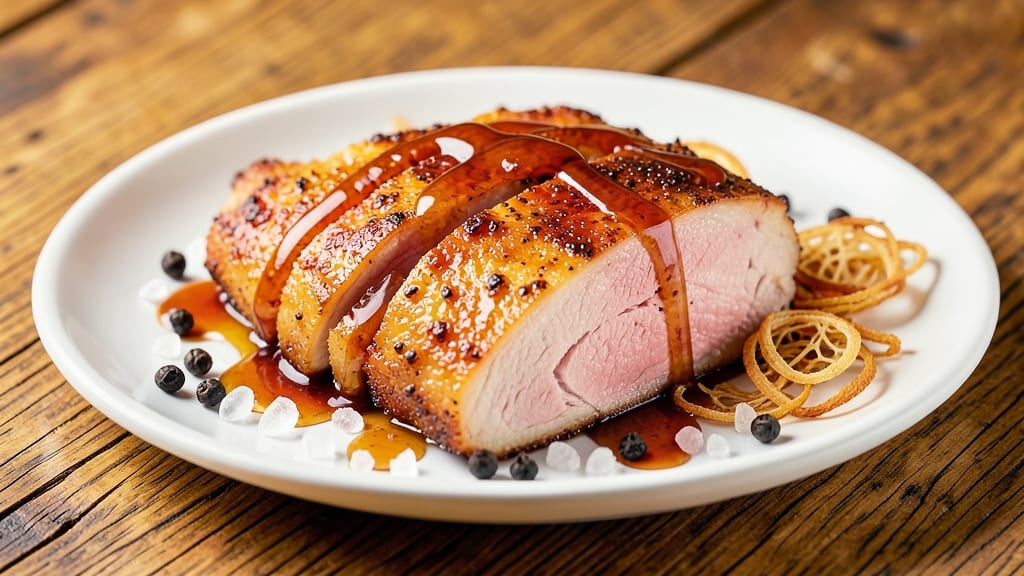
The cider glazed pork belly transforms fatty cuts into crispy, caramelized perfection with every bite. 🔥 As someone who's spent years perfecting pork at The Smoky Pig, I can tell you this technique—salting, scoring, and slow-roasting—creates that coveted crackling bark while keeping the meat tender inside.
The apple cider glaze adds a sweet-tart contrast that makes this dish unforgettable.
What sets this recipe apart is the balance between traditional methods and modern convenience. We start with a dry brine to render fat beautifully, then roast until the skin crisps into golden, shatteringly thin layers.
The cider reduction ties everything together with its rich, fruity depth—no complicated reductions required. This is pork belly the way it should be: crispy outside, melt-in-your-mouth inside.
The result is a showstopping centerpiece that pairs perfectly with roasted root vegetables or crusty bread. The aroma alone will have your kitchen smelling like a Southern holiday table, while the texture delivers that satisfying crunch followed by succulent fat.
This isn't just pork belly—it's a celebration of technique and flavor that belongs at any special occasion.
Ready to master this technique? The key is patience—letting the fat render slowly while building that crispy bark. Trust me, once you achieve that perfect crackle, you'll never go back to store-bought again. Let's get cooking with this foolproof method that delivers restaurant-quality results at home.
Ingredients for cider pork belly
Crispy pork belly magic starts with these 13 ingredients—where salty, sweet, and smoky collide.
| Ingredient | Amount | Notes |
|---|---|---|
| Pork Belly (skin-on) 🥓 | 2 lb | Thick-cut, bone-in preferred |
| Apple Cider 🍎 | 1 ½ cups | Unfiltered, preferably organic |
| Brown Sugar 🍚 | ½ cup | Packed, light or dark |
| Honey 🍯 | ¼ cup | Wildflower preferred |
| Diamond Crystal Kosher Salt 🧂 | ½ cup | For dry brine |
| Black Peppercorns 🌶️ | 1 tbsp | Freshly cracked |
| Fresh Thyme Leaves 🌿 | ¼ cup | Stems removed |
| Fresh Rosemary 🌿 | ¼ cup | Chopped, stems removed |
| Extra-Virgin Olive Oil 🫒 | 2 tbsp | For scoring |
| Garlic Cloves 🧄 | 4 cloves | Minced for glaze |
| Balsamic Vinegar 🍷 | 1 tbsp | For glaze depth |
| Fresh Ginger 🌿 | 1 tbsp | Grated, for glaze |
| Whole Cloves 🌶️ | 4 whole | For glaze aroma |
The pork belly is non-negotiable—bone-in, thick-cut pieces from Whole Foods or local butchers render best. Look for good marbling and freshness (it should smell clean, not sour). Costco sells vacuum-sealed packs that work well too. The skin should be unbroken and pale pink—never yellowed or slimy. For scoring, use a sharp knife to make cuts about 1/4-inch apart, cutting through the fat but not the meat underneath. This creates those coveted crispy pockets. I always buy extra because it freezes beautifully.
No organic cider? Regular apple cider works fine, but filtered versions lack depth. Substitute apple juice + 1 tbsp lemon juice if needed, though the texture won't be identical. The honey should be wildflower or clover—avoid the cheap grocery store kind. For the glaze, if you're short on time, reduce the cider first on the stovetop to 1/2 cup before adding other ingredients. The brown sugar can be swapped for maple syrup at a 1:1 ratio, though it'll be slightly less caramelized. Fresh herbs are ideal, but dried thyme at 1/4 the amount works in a pinch.
The dry-brined pork belly keeps 3-4 days in the fridge before roasting—plan ahead. Once cooked, it reheats beautifully in a 350°F oven for 15 minutes wrapped in foil. For leftovers, store in an airtight container with the glaze spooned over the top—3-4 days max. Freeze cooked portions for up to 3 months by wrapping tightly in plastic wrap and foil. The glaze can be made ahead and reheated separately, then brushed on just before serving for maximum shine.
Why You'll Love This Recipe
- One-Pan Magic: I swear by this—just toss the pork belly, cider, and salt on a sheet pan, and let the oven do the rest. No chopping, no fuss, and that sticky-sweet glaze? It practically caramelizes itself.
- Flavor Bomb: The apple cider cuts through the richness of the pork belly while the brown sugar and honey deepen every bite. Honestly, the first time I tried it, I nearly licked the pan clean—crispy skin, tender meat, and a glaze that’s ridiculously good.
- Weeknight Hero: This isn’t just for holidays. I make it when I’m too tired to think, when friends drop by unannounced, or when I need something that feels special but doesn’t require a 3-hour marinade. (Yes, even on a Tuesday night.)
- Leftover Luxury: The pork belly stays delicious for days—slice it thin for sandwiches, cube it into fried rice, or reheat it straight from the fridge. Between us, I’ve turned leftovers into my favorite breakfast hash without breaking a sweat.
Step-by-step instructions for cider glazed pork belly
Here's how to transform fatty pork belly into irresistible crispy bark with a sweet-spiced glaze.
👨🍳 Step 1: Dry Brine the Pork Belly Overnight
Place the 2 lb pork belly (skin-on) on a wire rack set over a baking sheet. Pat the skin completely dry with paper towels—this is crucial for crispy bark. In a small bowl, combine 0.5 cup Diamond Crystal Kosher Salt, 1 tbsp freshly cracked black peppercorns, and 0.25 cup chopped fresh rosemary. Rub this mixture all over the pork belly, pressing it into the skin and fat.
Cover loosely with plastic wrap and refrigerate for 24 hours. This dry brine seasoning and drying process draws out moisture, which is key to achieving that coveted crispy exterior. The salt also breaks down proteins for more tender meat. After 24 hours, pat the pork belly dry again—this second drying step is what makes the difference between good and exceptional bark.
🔥 Step 2: Score and Sear the Pork Belly
Preheat your oven to 425°F. Remove the pork belly from the fridge and let it sit at room temperature for 30 minutes. Using a sharp knife, score the skin in a diamond pattern, cutting through the fat but not into the meat. This creates steam pockets that render fat and contribute to crispiness.
Heat a large oven-safe skillet over medium-high heat. Add 2 tbsp extra-virgin olive oil and carefully place the pork belly fat-side down. Let it sear undisturbed for 8-10 minutes until the fat is golden and crispy. Flip and sear the other side for another 5 minutes. The skin should be deep golden brown with crispy fat rendering into the pan—this is your foundation for perfect bark.
🥘 Step 3: Roast Until Bark Forms
Transfer the seared pork belly to a baking sheet and place it in the preheated 425°F oven. Roast for 45-50 minutes, flipping once halfway through. You're looking for the skin to develop a deep mahogany color and crispy texture—this is what we call "bark." The internal temperature should reach 160°F at this point, but don't worry if it's not fully cooked through yet.
Here's the thing—pork belly cooks differently than other cuts. The fat renders at a lower temperature than the meat cooks, so we're prioritizing that crispy exterior first. The meat will continue cooking during the glaze phase. If the skin starts to darken too quickly, tent it loosely with foil to prevent burning while still allowing fat to render.
🍳 Step 4: Prepare and Apply the Cider Glaze
While the pork belly roasts, make the glaze by combining 1.5 cups apple cider, 0.5 cup brown sugar, 0.25 cup honey, 4 minced garlic cloves, 1 tbsp grated fresh ginger, 1 tbsp balsamic vinegar, and 4 whole cloves in a saucepan. Bring to a simmer over medium heat and reduce by half—about 10-12 minutes—until syrupy and slightly thickened.
Once reduced, carefully strain the glaze through a fine-mesh sieve to remove the cloves. The glaze should coat the back of a spoon and have a rich, aromatic aroma. Here's where it gets delicious—brush half of this glaze all over the pork belly, making sure to get it into those scored diamond patterns. Return it to the oven for 15-20 minutes to caramelize the glaze and finish cooking the meat to 195-203°F internal temperature.
⏰ Step 5: Rest and Slice for Maximum Juiciness
Remove the pork belly from the oven and let it rest for 15 minutes before slicing. This resting period allows the juices to redistribute throughout the meat, ensuring each slice is moist and flavorful. While resting, brush the remaining glaze over the top for extra shine and flavor.
Slice the pork belly against the grain into ½-inch thick slices. The crispy bark should crackle as you cut through it, revealing tender, melt-in-your-mouth meat underneath. Serve immediately with the remaining glaze spooned over the top. The combination of crispy bark, sweet-spiced glaze, and tender meat makes this dish truly unforgettable—each bite delivers perfect texture contrast and deep, complex flavors.
Pro Tips For Making Cider Pork Belly
- CRISP THE SKIN FIRST: I learned this the hard way—if you don’t render the fat and crisp the skin before braising, you’ll end up with soggy, sad pork belly. Score the skin in a crosshatch, then sear it fat-side down in a cold pan until the fat melts and the skin turns golden. This step takes 10 minutes but guarantees that crispy texture you’re after.
- USE DRY CIDER: Wet apple cider will steam your pork belly instead of caramelizing it. Pour the cider into a saucepan, boil it down by half until it’s syrupy, then use that reduced liquid in your braise. It’ll cling to the meat better and create a glossy, sticky glaze—no watery mess.
- SALT THE PORK BELLY 24 HOURS EARLY: This isn’t the prettiest method, but it’s the tastiest. Generously coat the pork belly with kosher salt (about 1.5 teaspoons per pound) and let it sit uncovered in the fridge. The salt breaks down the proteins, making the meat tender and the skin irresistibly crisp. Skip this, and you’ll notice the difference in texture and flavor.
- BROWN THE SUGAR FIRST: Don’t just toss brown sugar into the pan—caramelize it first. Heat 2 tablespoons of butter in the same pan you crisped the pork belly, add the brown sugar, and let it melt into a deep amber color. This adds a rich, almost toasty depth that plain sugar can’t match. It’s the thing that makes this dish feel special.
Troubleshooting perfect results
Skin Not Crispy?
If your pork belly skin isn't crispy enough, you likely missed one of these critical steps: the 24-hour dry brine or double-patting dry before roasting. I've seen this happen when home cooks rush the process—patience is key.
The salt needs time to draw out moisture, and the skin must be bone-dry before hitting the oven. For extra insurance, broil the pork belly for 3-5 minutes at the very end, watching closely to avoid burning. 🔥
Glaze Too Thin?
Your glaze might be too thin if you didn't reduce it enough. The cider mixture should coat the back of a spoon and take 10-12 minutes to reduce by half. If it's still watery, return it to medium heat and simmer uncovered until it thickens.
Pro tip: Use a silicone spatula to scrape up any caramelized bits from the bottom of the pan—they're packed with flavor. For a quicker fix, stir in 1 tsp cornstarch mixed with 1 tbsp water to thicken immediately.
Meat Too Dry?
Pork belly should be tender, not dry. If yours is tough, you likely overcooked it. The ideal internal temperature is 195-203°F—any higher and the fat turns to grease. Use a meat thermometer to monitor progress.
If you're worried about drying out, tent the pork belly loosely with foil during the final 15 minutes of cooking to trap moisture while still allowing the skin to crisp.
Fat Rendering Too Fast?
The fat rendering too quickly means your oven is too hot or the pork belly wasn't properly scored. If this happens, reduce the oven temperature to 375°F and roast uncovered for 10-15 minutes to let excess fat drip away.
The scored diamond pattern creates steam pockets that help render fat evenly—don't skip this step! For extra control, place the pork belly on a wire rack over a baking sheet to allow fat to drain away from the meat.
Glaze Too Sweet?
If the glaze is overwhelmingly sweet, balance it with 1 tbsp apple cider vinegar or 1 tsp fresh lemon juice. The acidity will cut through the sugar and brighten the flavors. For a deeper, more complex glaze, add ½ tsp ground cinnamon or ¼ tsp cayenne pepper while reducing.
I often adjust the glaze to taste—trust your palate and make it your own. The goal is harmony, not perfection. 🌶️
Nutrition facts
Frequently asked questions about cider glazed pork belly
Can I use regular apple juice instead of apple cider?
You can substitute, but expect less depth in flavor. Apple cider contains natural sugars and sediment that create a richer reduction. For best results, use unfiltered cider. If using juice, add 1 tbsp lemon juice and reduce the brown sugar by 2 tablespoons to balance sweetness.
How do I know when the pork belly is fully cooked?
Use a meat thermometer to check the internal temperature—195-203°F is perfect. The meat should be tender but not dry. If it reaches 205°F, it'll start to dry out. The glaze phase helps finish cooking while keeping the meat juicy.
Can I make the glaze ahead of time?
The glaze can be made 1-2 days ahead and stored in an airtight container in the fridge. Reheat gently before brushing on the pork belly. For extra shine, add 1 teaspoon honey when reheating. The flavors actually improve overnight as the spices meld.
What's the best way to reheat leftovers?
Wrap slices in foil and reheat at 350°F for 15 minutes to maintain crispiness. For extra crunch, broil for 2-3 minutes at the end. Store leftovers with the glaze spooned over the top to keep them moist. Pork belly reheats beautifully—it's even better the next day!
Can I use bone-in pork belly for this recipe?
Yes, bone-in pork belly works perfectly! The bone actually helps keep the meat moist during cooking. Just be sure to score carefully around the bone to prevent cracking. Cooking times may vary slightly—watch for 195-203°F internal temperature rather than relying solely on time.