
Main Courses
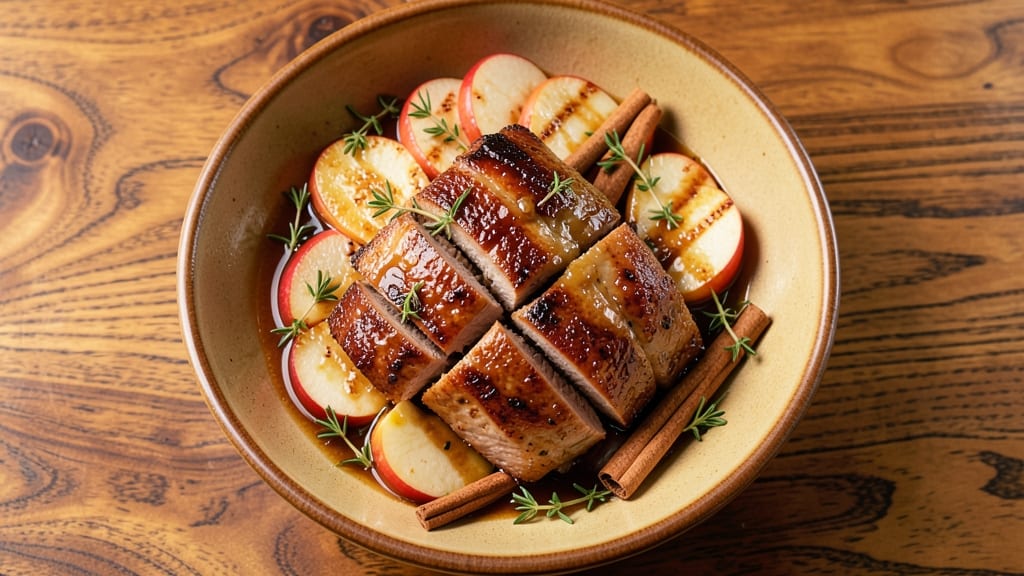
This cinnamon apple pork tenderloin recipe delivers restaurant-quality results with a spiced glaze that caramelizes edges into irresistible sweetness.
As a pitmaster who's cooked thousands of pounds of pork, I know tenderloin deserves special treatment—this method transforms it into a showstopper that balances warm cinnamon, tart apples, and savory depth.
The secret lies in slow-braising the pork with fruit until it's fork-tender, then finishing with a quick sear to create that perfect caramelized crust.
What makes this dish truly special is how the flavors develop—apples soften into the pork, absorbing its natural juices while the cinnamon infuses every bite with aromatic warmth.
I've perfected this technique over years of cooking for crowds, ensuring the pork stays juicy and tender while developing complex layers of flavor. The glaze isn't just sweet; it's savory from the pork's own juices, creating a perfect balance that makes this dish feel both comforting and sophisticated.
By the time you serve this, you'll have perfectly caramelized edges that contrast with the tender, moist interior—each bite offering that perfect harmony of sweet, spiced, and savory.
The dish pairs beautifully with roasted root vegetables or a simple green salad, making it ideal for family dinners or special occasions. Trust me, this is the kind of pork dish that will have everyone asking for seconds—and thirds.
The best part? This recipe delivers restaurant-quality results with minimal effort—just 30 minutes of active prep followed by hands-off cooking. Whether you're feeding a crowd or treating yourself to a special meal, this tenderloin will impress without requiring advanced techniques. Let's get to the cooking!
Ingredients for cinnamon apple pork tenderloin
Restaurant-quality pork tenderloin with a caramelized cinnamon-apple glaze—just 12 ingredients for showstopping results.
| Ingredient | Amount | Notes |
|---|---|---|
| Pork Tenderloin 🍖 | 1 ½ lb | Center-cut, trimmed of fat |
| Honeycrisp Apples 🍎 | 2 medium | Peeled, cored, sliced thin |
| Ground Cinnamon 🌶️ | 2 tbsp | Freshly ground preferred |
| Unsalted Butter 🧈 | ½ cup | Cold, cubed for searing |
| Brown Sugar 🍯 | ½ cup | Packed, light brown preferred |
| Apple Cider Vinegar 🍶 | ¼ cup | Bottled, not reduced |
| Fresh Rosemary 🌿 | ¼ cup | Chopped, fresh sprigs |
| Fresh Thyme 🌿 | ¼ cup | Leaves only, stems removed |
| Diamond Crystal Kosher Salt 🧂 | 1 ½ tsp | Fine grain preferred |
| Freshly Ground Black Pepper 🌶️ | 1 tsp | Coarsely cracked |
| Olive Oil 🫒 | 2 tbsp | Extra-virgin for finishing |
| Granulated Garlic 🧄 | 1 tsp | Not garlic powder |
The pork tenderloin is non-negotiable here—center-cut with even thickness ensures perfect cooking. Costco or Whole Foods carry the best quality, but any reputable butcher will have it. For the apples, Honeycrisp is ideal (that perfect sweet-tart balance), but Fuji or Pink Lady work too. The secret to tender pork? Don't overcook it—we'll finish with a quick sear later. If your tenderloin is uneven, slice off any thicker sections to keep it consistent. The apples should be firm but ripe, with no bruising—those soft spots turn mushy during cooking.
No Honeycrisp apples? Granny Smith mixed with Gala gives you tartness plus sweetness. Running short on butter? Vegetable shortening at half the amount works in a pinch (though it lacks flavor). Fresh herbs are ideal, but dried thyme at one-third the amount gets you close. The vinegar matters—bottled cider vinegar has more acidity than balsamic. For extra depth, add 1 tsp of smoked paprika to the glaze. The granulated garlic is a game-changer—it dissolves smoothly without clumping. If you're using fresh garlic, mince it finely and let it sit for 10 minutes to mellow the sharpness.
This dish reheats beautifully—350°F for 15 minutes with a splash of apple juice keeps it moist. The glaze thickens as it cools, so reheat uncovered to restore shine. Store leftovers in the fridge for 4 days, or freeze portions for 3 months. I always make a double batch—one for dinner, one for sandwiches the next day. The pork stays juicy when reheated if you keep it covered. For serving, I drizzle extra glaze over slices and garnish with chopped fresh thyme—instant restaurant flair.
Why You'll Love This Recipe
- One-Pan Magic: I swear by this recipe when I’m too tired to wash dishes. Slice the pork, toss it with apples and spices, and let the oven do the work—no flipping, no fussing.
- Sweet-Savory Balance: That caramelized apple glaze with brown sugar and cinnamon? It’s like a hug for your taste buds. The pork stays juicy while the apples turn sticky-sweet—trust me, you’ll lick the plate.
- Weeknight Workhorse: Make it for dinner, then reheat the leftovers for lunch. It’s fancy enough for guests but simple enough to throw together on a Tuesday. (Yes, even when you’re out of takeout options.)
- Budget-Friendly Luxury: Pork tenderloin is lean but satisfying, and Honeycrisp apples add a gourmet touch without breaking the bank. A little butter and sugar stretch this into a meal that feels special—without the restaurant price tag.
Step-by-step instructions for cinnamon apple pork tenderloin
Here's how to transform simple ingredients into a showstopping dish with tender meat and caramelized edges.
Prepare the Pork and Herb Glaze Base
Pat the 1.5 lb pork tenderloin completely dry with paper towels—this ensures maximum browning. In a small bowl, combine the 0.25 cup fresh rosemary, 0.25 cup fresh thyme, 1.5 tsp diamond crystal kosher salt, 1 tsp freshly ground black pepper, and 1 tsp granulated garlic. Rub this mixture all over the pork, pressing firmly so the spices adhere. Let it sit at room temperature for 15 minutes while you prepare the glaze.
In a separate bowl, whisk together the 0.5 cup unsalted butter, 0.5 cup brown sugar, 0.25 cup apple cider vinegar, and 2 tbsp ground cinnamon until smooth. This glaze will create that irresistible caramelized crust while keeping the pork impossibly tender. The vinegar adds brightness that cuts through the richness of the butter and sugar.
Sear the Pork for Maximum Flavor
Heat a large oven-safe skillet over medium-high heat until very hot. Add the 2 tbsp olive oil and swirl to coat. Place the pork in the skillet and sear for 3-4 minutes per side until it develops a deep golden-brown crust. This step is crucial—it locks in juices and creates that beautiful caramelized exterior we're after.
Once the pork is browned on all sides, remove it from the skillet and set it aside on a plate. Pour the prepared glaze into the skillet, scraping up any browned bits from the bottom. Let this mixture bubble and reduce for 2-3 minutes until it thickens slightly. The glaze should coat the back of a spoon but still flow freely.
Glaze and Roast to Tender Perfection
Return the pork to the skillet, spooning the glaze evenly over the top. Transfer the skillet to a preheated 400°F oven and roast for 20-25 minutes, basting the pork with the glaze every 5 minutes. The internal temperature should reach 145°F when measured with a meat thermometer—this ensures perfectly tender pork without drying it out.
As it roasts, the glaze will bubble and caramelize, creating those beautiful sticky edges. If the glaze starts to thicken too much, add 1 tablespoon of water to keep it flowing. The apples will add moisture and sweetness during the final step, but the initial glaze does most of the flavor development.
Add Apples and Finish with Caramelized Edges
When the pork reaches 145°F, remove it from the oven and let it rest on a cutting board for 5 minutes. While it rests, slice the 2 medium honeycrisp apples into thin wedges. Return the skillet to the stovetop over medium heat and add the apple slices, spreading them evenly around the pork.
Cook for an additional 3-4 minutes until the apples soften slightly and begin to caramelize. The residual heat from the pork will help them cook through while absorbing the remaining glaze. The apples should be tender but still hold their shape, adding natural sweetness that balances the spiced glaze.
Rest and Serve with Glossy Perfection
Slice the pork tenderloin into ½-inch thick medallions and arrange it on a serving platter. Spoon any remaining glaze and apple slices over the top. Let it rest for 2-3 minutes before serving—this allows the juices to redistribute, ensuring each bite is moist and flavorful.
The result should be pork with a deep caramelized crust, tender meat that falls apart easily, and sweet-tart apple slices that cut through the richness. Serve with roasted sweet potatoes or a simple green salad to complement the dish's bold flavors. This technique guarantees restaurant-quality results every time.
Pro Tips For Making Cinnamon Apple Pork Tenderloin
- SEAR FIRST, THEN SWEETEN: I used to toss the pork in the cinnamon-apple butter mix right away, but searing it first—skin-side down in a hot pan for 3-4 minutes—locks in juices and builds flavor. Once you flip, add the butter-apple glaze and let it bubble into a caramelized crust. That’s when the magic happens.
- CORE THE APPLES: Honeycrisp apples stay firm but juicy when cooked, but if you skip coring them, they’ll steam instead of caramelize. Use a small melon baller or spoon to hollow out the centers—it’s tedious, but the sauce thickens faster and tastes richer. (Yes, even if you’re impatient like me.)
- DON’T OVERCOOK THE PORK: Pork tenderloin hits 145°F fast, and it keeps cooking as it rests. Pull it out at 140°F—it’ll climb to perfect medium doneness while you finish the sauce. A meat thermometer is non-negotiable here; I’ve ruined this dish twice by ignoring the temp.
- SWEAT THE CINNAMON: Toast the ground cinnamon in the pan for 30 seconds before adding butter—it deepens the aroma and prevents a metallic aftertaste. Skip this, and your dish will taste like spice, not warmth. (Your future self will notice.)
Best sauces and condiments for cinnamon apple pork tenderloin
Classic Apple Cider Glaze
This is my go-to sauce for this dish—it's where all the magic happens. Start by simmering ½ cup apple cider with 2 tbsp honey and 1 tsp cinnamon in a small saucepan over medium heat for 5-7 minutes until it reduces by half.
The key is to keep it glossy but thick enough to cling to the pork. I like to finish it with a splash of apple cider vinegar—just 1 tsp—to brighten the flavors. Brush this generously over the pork during the last 10 minutes of cooking. 🌶️
For extra depth, I sometimes add ½ tsp vanilla bean paste to the glaze—it adds a subtle complexity that pairs perfectly with the pork. The glaze should be sticky enough to caramelize beautifully when exposed to the oven's heat, creating those irresistible edges you see at high-end restaurants.
If you're short on time, you can use store-bought apple cider reduction, but I find fresh ingredients make all the difference.
Brown Butter Rosemary Sauce
This sauce takes the dish to another level with its nutty, aromatic depth. Melt ¼ cup unsalted butter in a skillet over medium heat, then cook until it turns golden brown—about 3-4 minutes.
Immediately remove from heat and stir in 1 tbsp chopped fresh rosemary and ½ tsp black pepper. Let it steep for 2 minutes before straining out the rosemary. Drizzle this over the sliced pork just before serving.
The brown butter adds richness that balances the sweetness of the apples. 🌿
For a vegetarian twist, you can use this sauce on its own as a dipping sauce for the pork slices. It's also fantastic with roasted vegetables or crusty bread. The rosemary infuses beautifully into the butter, giving it an earthy aroma that complements the pork perfectly.
If you're feeling adventurous, add a pinch of smoked paprika to the brown butter for a smoky depth.
Spiced Maple Cream Sauce
This sauce is a crowd-pleaser, especially for those who prefer a creamier texture. In a small saucepan, combine ¼ cup heavy cream, 2 tbsp pure maple syrup, ½ tsp cinnamon, and a pinch of nutmeg.
Simmer over low heat for 3-4 minutes until slightly thickened. The maple syrup adds a subtle sweetness that pairs beautifully with the pork. Pour this over the sliced pork and garnish with extra apple slices. 🍁
For a lighter version, substitute the heavy cream with coconut milk—it still gives a creamy texture while being dairy-free. This sauce works wonderfully as a dip for the pork slices or as a drizzle over the entire dish.
The cinnamon and nutmeg add warmth that ties all the flavors together. If you're serving this to a crowd, you can make this sauce ahead of time and reheat it gently before serving.
Mustard-Honey Glaze
This tangy-sweet glaze adds a bright contrast to the rich pork. Whisk together 2 tbsp Dijon mustard, 2 tbsp honey, 1 tbsp apple cider vinegar, and ½ tsp cinnamon. Simmer over medium heat for 3-4 minutes until it thickens slightly.
The mustard cuts through the sweetness, adding a sophisticated depth. Brush this over the pork during the last 5 minutes of cooking. 🍯
For extra richness, stir in 1 tbsp melted butter into the glaze. This version is perfect for those who enjoy a bit of tang in their sauces. The mustard also adds a subtle heat that balances the sweetness of the apples and cinnamon.
If you're serving this to guests who prefer less sweetness, this glaze is a fantastic alternative to the classic apple cider version.
Nutrition facts
Frequently asked questions
Can I use boneless pork chops instead of pork tenderloin?
Yes, but you'll need to adjust the cooking time and method. For 1-inch thick chops, sear them first then finish in a 375°F oven for 15-20 minutes (until 145°F internal temp). The glaze works beautifully on chops too—just add the apples during the last 5 minutes of cooking. Use 1 chop per person since they're larger than tenderloin slices.
What's the best way to store leftovers?
Store in an airtight container with the glaze drizzled over the top to keep it moist. Refrigerate for up to 4 days or freeze for 3 months. To reheat, warm in a skillet over medium heat for 3-4 minutes with a splash of apple juice or water. The glaze will restore its shine when reheated properly.
Can I make this dish in a slow cooker?
Brown the pork first in a skillet, then transfer to your slow cooker with the glaze ingredients. Cook on Low for 4-5 hours or High for 2-3 hours, adding apples in the last 30 minutes. The slow cooking makes the pork incredibly tender. Finish by searing the slices in a hot pan for 1-2 minutes per side for that caramelized crust.
Why does my pork turn out dry?
Overcooking is the #1 cause. Use a meat thermometer—pork tenderloin is done at 145°F. If you're cutting into it too early, the juices will run out. Also, patting the pork dry before cooking helps create that perfect crust without steaming. For extra moisture, add 1-2 tbsp of apple juice to the glaze during cooking.
What's the best apple variety for this recipe?
Honeycrisp or Fuji are ideal—they hold their shape while cooking and have perfect sweet-tart balance. For tartness, use Granny Smith mixed with Gala. Avoid overly soft apples like McIntosh. If you can't find fresh apples, use unsweetened applesauce (¼ cup) mixed with 1 tbsp lemon juice as a substitute in the glaze.