
Main Courses
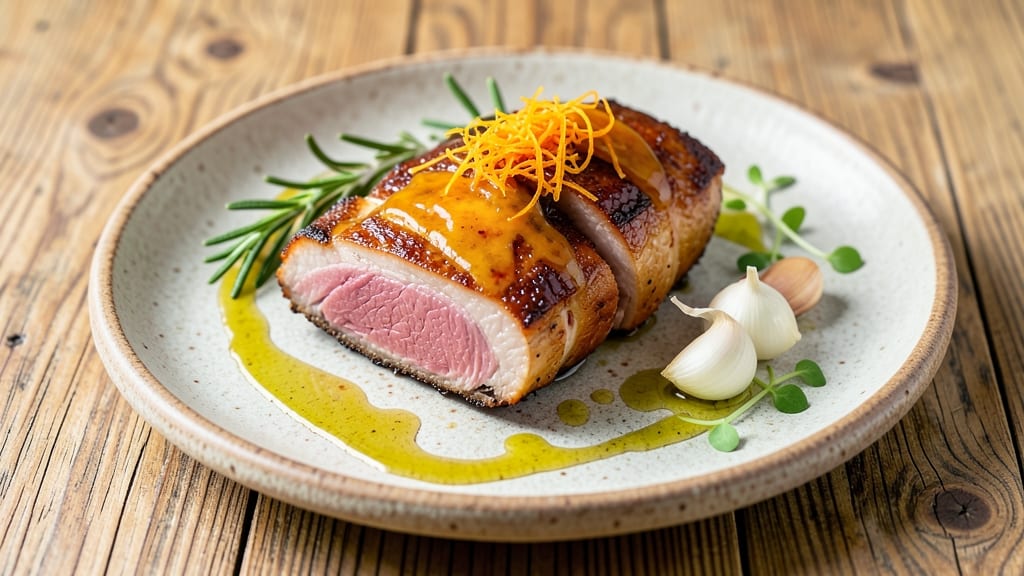
This citrus glazed pork loin recipe transforms a simple cut into a restaurant-worthy centerpiece with bright, zesty flavors that cut through rich meat. The secret lies in marinating overnight with orange juice and zest, which tenderizes while infusing every bite with vibrant citrus notes.
I developed this technique during my time in Charleston, where fresh local citrus elevates even the most straightforward pork dishes.
What makes this recipe stand out is the perfect balance of crispy edges and tender, juicy hearts—achieved through precise pan-searing and controlled internal temperatures. The marinade not only flavors the meat but also creates a natural glaze when caramelized in the final step.
This method ensures you'll never dry out your pork loin again, even when cooking for a crowd.
The result is a dish that's elegant enough for dinner parties but simple enough for weeknight dinners. The bright citrus glaze pairs beautifully with roasted vegetables or a fresh salad, creating a meal that's both impressive and satisfying.
The aroma alone will have everyone anticipating dinner, while the first bite delivers that perfect harmony of sweet, tangy, and savory flavors.
With just a few key ingredients and a straightforward process, you'll achieve a pork loin that's impossibly tender yet crisp on the outside. The citrus component transforms a basic cut into something extraordinary—proving that sometimes, the simplest ingredients create the most memorable dishes. Let's get started on this crowd-pleaser.
Ingredients for citrus pork loin
Fresh citrus, aromatic herbs, and precise seasoning create this restaurant-quality pork loin.
| Ingredient | Amount | Notes |
|---|---|---|
| Bone-In Pork Loin Roast 🍖 | 2 lb | Center-cut, 1.5-inch thickness preferred |
| Fresh Orange Juice 🍊 | 1 cup | Freshly squeezed, no pulp |
| Orange Zest 🍊 | 2 tbsp | From 2 large organic oranges |
| Extra-Virgin Olive Oil 🫒 | ¼ cup | Light variety for high heat searing |
| Fresh Garlic Cloves 🧄 | 6 cloves | Minced, skin-on for maximum flavor |
| Fresh Rosemary 🌿 | ¼ cup | Finely chopped, fresh preferred |
| Fresh Thyme Leaves 🌿 | ¼ cup | Or 1 tbsp dried thyme |
| Diamond Crystal Kosher Salt 🧂 | 1 ½ tsp | For seasoning and marinade |
| Freshly Ground Black Pepper 🌶️ | ½ tsp | Cracked peppercorns preferred |
| Brown Sugar 🍚 | 2 tbsp | Light or dark variety |
| Balsamic Vinegar 🍷 | 1 tbsp | Aged 25+ months preferred |
| Unsalted Butter 🧈 | 2 tbsp | Cold, for basting |
| Fresh Lemon Juice 🍋 | 1 tbsp | For bright acidity finish |
The pork loin cut matters—center-cut with bone-in ensures better flavor distribution and moisture retention. Look for pieces with visible marbling at specialty butchers or high-end grocery stores like Whole Foods or Harris Teeter in the Southeast. Organic options from local farms often yield superior tenderness. Freshness is critical: the pork should smell clean and have a vibrant pink color. If using conventional stores, Costco's pork loin is consistently reliable for this recipe. For the citrus, navel oranges provide the best juice-to-zest ratio, while blood oranges add visual appeal if you're serving company. Always zest the peel before juicing to maximize flavor extraction.
No fresh rosemary? Substitute with 1 tbsp dried rosemary—just remember it's more potent, so halve the amount. Running low on balsamic vinegar? Aged red wine vinegar works in a pinch, though it lacks the depth. The brown sugar can be swapped for maple syrup for a more liquid glaze, though texture will differ slightly. For the olive oil, avoid extra-virgin if you're searing at high heat—its lower smoke point can cause bitterness. If you can't find fresh thyme, dried oregano at one-third the quantity provides a similar earthy note. The butter used for basting should be cold when added to create a rich, caramelized crust on the pork.
Marinated pork loin keeps 3-4 days in the fridge, though flavor deepens overnight. Store in a glass container to prevent absorption of fridge odors. The marinade itself can be made 2 days ahead and stored separately. For make-ahead convenience, fully cook the pork and refrigerate—reheat gently in a skillet with a splash of orange juice to restore moisture. The glaze thickens as it cools, so reheat gently to restore its glossy finish. Leftover pork reheats beautifully in a 350°F oven for 10-15 minutes with a drizzle of extra marinade for moisture. Portion into single servings before freezing for 3 months maximum.
Why You'll Love This Recipe
- One-Pan Magic: I swear by this for nights when I’d rather not wash a million dishes. Just a sheet pan, some olive oil, and the pork gets its citrus bath right alongside the garlic—no extra pots, no fuss.
- Bright & Bold: That orange zest clinging to the crust? It’s like a little burst of sunshine in every bite. The garlic and juice caramelize into this sticky, savory-sweet glaze that turns plain pork into something special.
- Weeknight Hero: Between us, this is my go-to when I need something hearty but still feels fresh. Serve it with roasted potatoes or a simple salad—it’s the kind of dish that works for dinner parties or lazy Sundays without trying too hard.
- Budget-Friendly Feast: A bone-in pork loin stretches further than you’d think, and the citrus keeps costs low while making it feel like a splurge. Plus, leftovers reheat beautifully—my kids ask for it twice before I even put it away.
Step-by-step instructions for citrus glazed pork loin
A perfect balance of crispy exterior and tender interior awaits with this method.
Prepare the Pork Loin for Maximum Flavor
Remove the bone-in pork loin roast from the refrigerator and pat it completely dry with paper towels. This step is crucial for achieving that coveted crispy crust later. I like to use a clean kitchen towel for the final wipe—it removes any remaining moisture that could prevent proper browning.
In a small bowl, combine the 1 cup fresh orange juice, 2 tablespoons orange zest, 0.25 cup extra-virgin olive oil, 6 minced fresh garlic cloves, 0.25 cup finely chopped fresh rosemary, and 0.25 cup fresh thyme leaves. Add 1.5 teaspoons diamond crystal kosher salt and 0.5 teaspoon freshly ground black pepper. Whisk vigorously to create a well-integrated marinade. Pour this mixture over the pork loin, coating it thoroughly on all sides. Place the roast in a shallow dish and refrigerate uncovered for at least 2 hours, or preferably overnight. This allows the citrus and herbs to deeply penetrate the meat, ensuring maximum flavor infusion.
Sear the Pork Loin to Develop Rich Crust
Remove the pork loin from the refrigerator 30 minutes before cooking to bring it to room temperature. This ensures even cooking throughout. Heat a heavy oven-safe skillet over medium-high heat until it's very hot. Add 2 tablespoons unsalted butter and allow it to melt completely, then add the pork loin. Sear the meat for 4-5 minutes per side until it develops a deep golden-brown crust. The butter will foam and then subside—this is your signal that the pan is ready for searing.
Once both sides are beautifully browned, transfer the skillet to a preheated 375°F oven. The residual heat in the pan will help carry the pork loin to perfect doneness without losing that precious crust. Baste the pork with its marinade every 15 minutes during the initial 30 minutes of roasting to keep it moist and flavorful.
Create the Signature Citrus Glaze
While the pork loin roasts, prepare the glaze by combining 2 tablespoons brown sugar, 1 tablespoon balsamic vinegar, and 1 tablespoon fresh lemon juice in a small saucepan. Place the saucepan over medium heat and bring the mixture to a simmer. Allow it to reduce by half, stirring occasionally, until it reaches a syrupy consistency that coats the back of a spoon. This should take about 5-7 minutes. The glaze should have a rich amber color and a complex aroma that combines sweet, tangy, and herbal notes.
As the glaze reduces, keep an eye on the pork loin's internal temperature. When it reaches 145°F, brush the reduced citrus glaze generously over the top of the pork. Return it to the oven for an additional 5-10 minutes to allow the glaze to caramelize and create that beautiful glossy finish. The pork is done when the internal temperature reaches 150°F—this ensures it carries over to a perfect 155°F when rested.
Rest and Serve for Optimal Texture
Remove the pork loin from the oven and transfer it to a cutting board. Tent loosely with aluminum foil and let it rest for 10-15 minutes. This resting period is essential—it allows the juices to redistribute throughout the meat, preventing them from pooling on the cutting board. During this time, you'll notice the pork loin's internal temperature will rise about 5°F, reaching that perfect 155°F mark.
Slice the pork loin against the grain into 0.5-inch thick slices. The meat should be incredibly tender with a crispy exterior that's infused with citrus and herb flavors. Serve immediately with any pan juices and the remaining citrus glaze spooned over the top. The contrast between the juicy interior and the caramelized crust creates a truly memorable dining experience.
Pro Tips For Making Citrus Pork Loin
- Sear Bone-In First: That bone-in pork loin needs a head start—sear it skin-side down in olive oil over high heat for 8-10 minutes before adding citrus. I used to skip this, and the crust stayed pale and sad. The bone renders fat, which baste the meat while you work, and the skin gets that crispy, caramelized edge that makes all the difference when the orange glaze hits.
- Strain That Juice: Fresh orange juice is non-negotiable, but don’t let pulp clog your glaze. Strain it through a fine-mesh sieve before mixing with zest and garlic—even a little fiber can turn your shiny sauce into a gritty mess. I learned this after serving a batch where the texture was off, and now I keep a sieve ready before I even start cooking.
- Don’t Overcrowd the Pan: If you’re roasting the pork loin in a sheet pan with citrus glaze, resist the urge to add extra garlic or zest in layers. Too much liquid in the pan will steam the meat instead of caramelizing it. Spread those cloves flat and use just enough zest to coat the surface—about 1 teaspoon per pound of pork.
- Rest Under Foil: The moment that pork hits 145°F internal temp, tent it with foil and walk away for 10 minutes. I know, I know—you want to slice it immediately. But letting the juices redistribute keeps your first cut moist, while the foil traps the citrus aroma. Slice against the grain after resting, and you’ll have tender, juicy pieces every time.
Best sauces and condiments for this citrus pork loin
Citrus-Herb Marinade
The star of this dish is the marinade itself—a bright blend of fresh orange juice, orange zest, and extra-virgin olive oil that tenderizes while infusing deep flavor. I always use navel oranges for their natural sweetness and high juice yield.
The fresh rosemary and thyme add earthy depth that balances the citrus acidity perfectly. For extra richness, I sometimes add a splash of dry sherry or white wine to the marinade—just 2 tablespoons enhances the complexity without overpowering. 🍊
Brown Sugar Glaze
The signature glaze combines brown sugar, balsamic vinegar, and lemon juice for a perfect sweet-tart finish. I recommend using aged balsamic (25+ months) for its deep, caramel-like notes. For a smoother glaze, strain out any citrus pulp before reducing.
If you prefer a fruitier finish, add 1 teaspoon finely grated orange peel to the glaze mixture. The key is reducing it until it coats the back of a spoon—this creates that glossy, caramelized crust when brushed onto the pork. 🍚
Butter Baste
Cold unsalted butter basted over the pork during roasting creates a golden, crispy crust while keeping the meat juicy. I like to use European-style butter (like Plugrá) for its higher fat content and richer flavor. For an extra touch, add 1 minced garlic clove to the butter before basting.
The butter should foam when heated—this indicates it's ready to baste. I baste every 15 minutes during the initial roasting phase for maximum flavor infusion. 🧈
Fresh Herb Garnish
Finish with finely chopped fresh rosemary and thyme sprinkled over the sliced pork for a pop of color and fresh aroma. I also like to add thin orange slices as a garnish—they add visual appeal and a citrusy crunch.
For a smoky touch, a pinch of smoked paprika on the glaze before serving ties into the Southeast BBQ traditions I grew up with. The herbs should be added just before serving to maintain their vibrant color and freshness. 🌿
Citrus-Inspired Sides
Pair your citrus pork loin with orange-glazed carrots or lemon-herb roasted potatoes to complement the bright flavors. For a refreshing contrast, serve with a mixed greens salad tossed in a lemon vinaigrette.
I also love grilled asparagus with a squeeze of lemon—it enhances the natural sweetness of the pork. These sides keep the meal light while balancing the richness of the dish. 🥗
Wine Pairings
A crisp Sauvignon Blanc from New Zealand or Pinot Grigio from Italy cuts through the richness of the pork while complementing the citrus notes. For red wine lovers, a light Pinot Noir from Oregon offers enough fruitiness to match the glaze without overpowering.
I personally reach for a dry Riesling—its acidity mirrors the citrus flavors beautifully. Avoid heavy, oaky wines that would clash with the bright, fresh profile of this dish. 🍷
Nutrition facts
Frequently asked questions
Can I use boneless pork loin instead of bone-in?
Yes, but there are key adjustments. Boneless pork loin cooks faster, so reduce the oven temperature to 350°F and watch closely—it's done at 145°F internal temp. The crust will be thinner without the bone's heat retention, so sear longer (6-7 minutes per side) and baste more frequently. For best results, choose a thicker cut (1.5-inch) to mimic the bone-in's moisture retention.
How do I adjust this for a crowd of 6-8?
Double the marinade ingredients and use a 3-4 lb bone-in pork loin. Increase oven to 400°F for the first 20 minutes to jumpstart the crust, then reduce to 375°F. Divide the glaze into two batches—reduce one while the other roasts, then baste both halves. Cooking time will be 45-55 minutes total. For make-ahead convenience, fully cook and refrigerate the pork, then reheat in a 325°F oven for 20 minutes with extra marinade.
What's the best way to reheat leftovers?
Slice the pork into individual portions and reheat in a 350°F oven for 10-12 minutes with a splash of orange juice to restore moisture. For quick reheating, use a skillet over medium-low heat with 1 tablespoon butter and 1 tablespoon marinade per portion, covering with foil for 5 minutes to prevent drying. Avoid microwaving—it creates a rubbery texture. Store leftovers in an airtight container for up to 4 days.
Can I grill this recipe instead of pan-searing?
Preheat your grill to medium-high (400°F) and oil the grates well. Sear the pork for 4-5 minutes per side until deeply browned, then move to indirect heat. Maintain 350°F internal temp by adjusting vents. Baste with marinade every 15 minutes and apply the glaze when the pork reaches 145°F. For charcoal grills, use lump charcoal for even heat distribution. The smoky flavor pairs beautifully with the citrus notes—just avoid direct flame contact to prevent burning.
Why did my pork turn out dry?
Most likely, you skipped the resting period or overcooked it. Always let the pork rest 10-15 minutes before slicing—this redistributes juices. Check doneness with a meat thermometer at 145°F (it'll rise to 155°F while resting). Other culprits: using lean pork loin (look for 0.5-inch fat cap), not basting during cooking, or slicing against the grain incorrectly. For extra moisture, marinate overnight and use bone-in cuts when possible.