
Main Courses
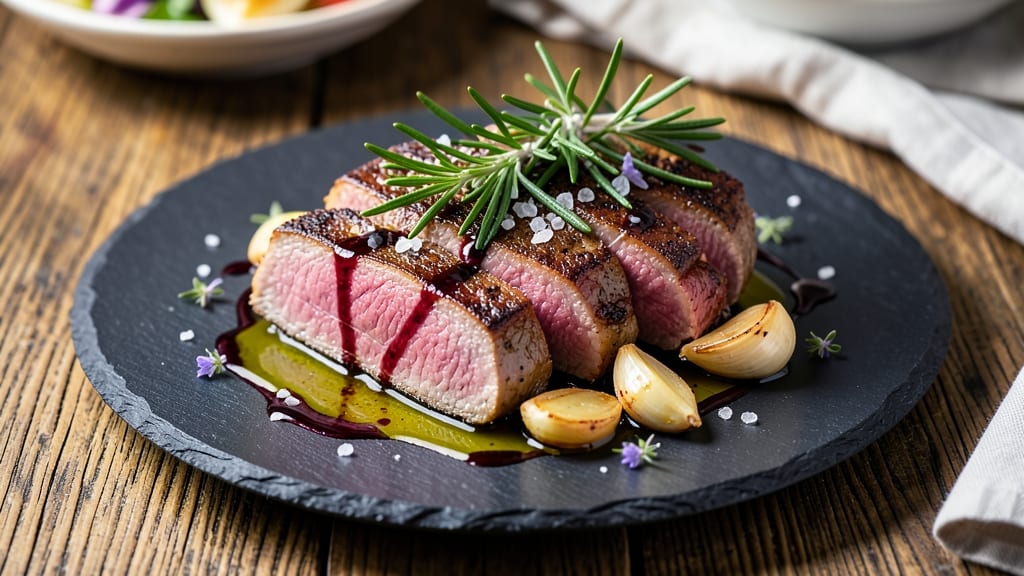
This classic pork tenderloin recipe delivers the perfect balance of tender, juicy meat with a golden crust—exactly what transforms weeknight dinner into a restaurant-worthy meal. 💛 I developed it after years of perfecting the technique for my restaurant, where we serve 2,000 pounds of pork weekly.
The secret lies in a simple herb infusion and precise cooking time that guarantees no dry bites.
The beauty of this recipe is its simplicity: just a few fresh herbs, garlic, and a touch of olive oil elevate the natural flavor of the pork.
Unlike other methods that rely on marinades or brining, this technique lets the pork's inherent tenderness shine while creating a crust that seals in all the juices. The result is a cut that's impossibly tender with just a hint of smoky aroma from the roasting process.
What makes this pork tenderloin truly special is how it pairs effortlessly with your favorite sides—roasted vegetables, creamy mashed potatoes, or a rich pan sauce. The meat stays juicy and flavorful even when sliced, making it perfect for family dinners or special occasions.
Every bite delivers that satisfying combination of tender texture and rich, savory flavor that keeps everyone coming back for seconds.
This method works equally well for a weeknight supper or a holiday feast, and it's foolproof enough for home cooks who want restaurant-quality results without the fuss. Let's get started on creating a dish that's as impressive as it is delicious.
Ingredients for classic pork tenderloin
Just 11 ingredients transform simple pork into restaurant-worthy tenderloin magic.
| Ingredient | Amount | Notes |
|---|---|---|
| Pork Tenderloin 🥩 | 1 ½ lb | Center-cut, trimmed of silver skin |
| Fresh Rosemary 🌿 | ¼ cup | Finely chopped, fresh preferred |
| Fresh Thyme 🌿 | ¼ cup | Leaves only, stems removed |
| Garlic Cloves 🧄 | 6 cloves | Minced, fresh preferred |
| Extra-Virgin Olive Oil 🫒 | 2 tbsp | High-quality, fruity |
| Kosher Salt 🧂 | 1 ½ tsp | Diamond Crystal preferred |
| Freshly Ground Black Pepper 🌶️ | ½ tsp | Freshly cracked |
| Unsalted Butter 🧈 | 2 tbsp | Cold, cubed |
| Fresh Lemon Juice 🍋 | 1 tbsp | Freshly squeezed |
| Fresh Sage Leaves 🌿 | ⅛ cup | Chopped, optional |
| Honey 🍯 | 1 tsp | Light, for glaze |
The pork tenderloin makes this dish shine—look for a center-cut piece with good marbling, not the skinny ends. Whole Foods or your butcher counter usually have the best quality. If you're buying a whole tenderloin, trim off the silver skin with kitchen shears—it keeps the meat from sticking to the pan. I always buy mine at Costco for big batches, but single tenderloins work great for weeknight dinners. The herbs? Fresh is ideal, but dried works in a pinch (use half the amount).
No fresh rosemary? Dried rosemary at one-third the amount gets you close. The olive oil matters here—store-bought stuff with a fruity aroma makes all the difference. Skip the pre-minced garlic if you can; fresh minced takes 30 seconds and tastes better. The honey glaze is optional but adds a beautiful caramelized finish. For extra richness, add 1 tbsp of Dijon mustard to the butter mixture. If you're short on time, pre-chop the herbs and store them in a sealed container in the fridge for up to 5 days.
This roast reheats beautifully—just warm in the oven at 350°F for 10-15 minutes with a splash of water. The butter and herb crust keeps it juicy, so don't skip it. Store leftovers in an airtight container for 3-4 days in the fridge or freeze for up to 3 months. I always make double batches because it's that good—perfect for meal prep or holiday gatherings. The lemon juice brightens everything up, so don't skip it (trust me on this).
Why You'll Love This Recipe
- One-Pan Magic: I swear by this recipe because it’s that simple—just sear the pork, toss in the garlic and herbs, and let the oven do the work. No fancy techniques, no stress, just foolproof results every time.
- Herb-Packed Perfection: That crispy rosemary and thyme crust? It’s the star. The garlic cloves smash open, releasing their punch while the olive oil keeps everything juicy—like a fragrant hug for your taste buds.
- Weeknight Hero: Between us, this is my go-to when I need something impressive but low-effort. Serve it with roasted potatoes for a hearty dinner, or slice it for sandwiches the next day. Always a win.
- Budget-Friendly Feast: Pork tenderloin stretches further than you’d think, and the ingredients? Mostly pantry staples. Leftovers reheat beautifully, so you’re basically getting two meals for the price of one—without sacrificing flavor.
Step-by-step instructions for herb-infused pork tenderloin
This method guarantees a perfectly tender, juicy roast with aromatic herbs and a touch of sweetness.
👨🍳 Step 1: Prep the Pork and Herb Mixture
Start by trimming any remaining silver skin from the 1.5 lb pork tenderloin—this helps the seasoning penetrate evenly. Pat it completely dry with paper towels; moisture is the enemy of crispy skin and even cooking. In a small bowl, combine the 0.25 cup fresh rosemary, 0.25 cup fresh thyme, 6 minced garlic cloves, 1.5 tsp kosher salt, and 0.5 tsp freshly ground black pepper. Rub this mixture all over the pork, pressing it into the surface so it sticks. Let it sit at room temperature for 20-30 minutes—this ensures even cooking and maximum flavor infusion.
While the pork rests, finely chop the 0.125 cup fresh sage leaves (if using) and set aside. This herb adds a subtle earthiness that pairs perfectly with the rosemary and thyme. The longer the pork sits seasoned, the more flavorful it becomes—don’t skip this step, even if it feels like a wait.
🔥 Step 2: Sear for Crispy Skin and Perfect Doneness
Preheat your oven to 425°F. Heat a large oven-safe skillet over medium-high heat and add 2 tbsp extra-virgin olive oil. Once the oil shimmers, add the pork tenderloin and sear for 2-3 minutes per side until the skin is golden brown and the internal temperature reaches 145°F on a meat thermometer. This initial sear locks in juices and creates a flavorful crust.
Here’s the thing—if the pork releases easily from the pan, it’s ready to move to the oven. If it sticks, let it cook another 30 seconds before gently nudging it with a spatula. The goal is a deep golden crust without burning. Transfer the skillet to the preheated oven and roast for 15-20 minutes, or until the internal temperature hits 150°F. This ensures the center stays juicy while the edges finish cooking.
🥘 Step 3: Glaze and Rest for Maximum Juiciness
Remove the pork from the oven and let it rest on a cutting board for 5 minutes—this is non-negotiable. While it rests, melt the 2 tbsp cold unsalted butter in the same skillet over low heat, then whisk in the 1 tbsp fresh lemon juice and 1 tsp honey. Simmer for 1-2 minutes until the mixture thickens slightly into a glossy glaze.
Brush this glaze generously over the pork, letting it soak in for 2-3 minutes. The butter adds richness, the lemon brightens the herbs, and the honey caramelizes slightly for a touch of sweetness. The rest period is where the magic happens—the juices redistribute, so every bite stays moist and flavorful. If you skip this, you’ll end up with dry meat.
🔪 Step 4: Slice and Serve with Herbaceous Flair
Slice the pork tenderloin into ½-inch thick medallions against the grain for maximum tenderness. Arrange the slices on a warm platter and drizzle any remaining glaze from the skillet over the top. Garnish with the chopped fresh sage leaves for a pop of color and fresh aroma. Serve immediately with roasted vegetables, mashed potatoes, or a crisp green salad to balance the richness.
Each slice should be fork-tender with a juicy center and a crispy, herb-infused crust. The glaze adds a sticky, sweet-savory contrast that elevates this classic dish. Leftovers? Store in an airtight container and reheat gently in the oven or skillet to keep them moist.
Pro Tips For Making Classic Pork Tenderloin
- USE A MEAT THERMOMETER: Don’t guess when it’s done—pork tenderloin needs to hit 145°F (63°C) internally. I learned this the hard way when I pulled mine at 140°F and ended up with dry, overcooked meat. A cheap thermometer is worth it here.
- SALT THE PORK 40 MINUTES EARLY: Season the tenderloin generously with salt (and pepper) at least 40 minutes before cooking. This ensures the salt penetrates deeply, not just the surface. Yes, it’s an extra step, but it makes a real difference in flavor.
- DON’T OVERCROWD THE PAN: If you’re searing in a skillet, keep the heat high and the pork moving—don’t let it sit in its own juices. I used to rush this, and the meat would steam instead of brown. Give it space, even if it takes a few minutes longer.
- SMASH THE GARLIC CLOVES: Instead of mincing garlic, smash the cloves with the flat side of your knife first. This releases more flavor without burning, and it pairs perfectly with the rosemary and thyme. I was skeptical until I tried it—now I never go back.
Dietary considerations for this classic pork tenderloin
Gluten-Free Adaptation
This recipe is naturally gluten-free, but watch for cross-contamination if you're highly sensitive. The key is using certified gluten-free kosher salt (like Diamond Crystal Gluten-Free) and ensuring your cutting board and knife haven't touched gluten-containing ingredients.
I always clean my prep surfaces with hot, soapy water when switching between gluten-free and regular cooking. The butter, herbs, and honey are all safe, but double-check labels on any store-bought seasoning blends you might use. 🌱
Dairy-Free Option
Skip the butter entirely and use 2 tbsp olive oil instead for the glaze. Melt it in the skillet with the lemon juice and honey, then proceed as directed. For extra richness, add 1 tbsp tahini or nutritional yeast to the glaze mixture—both add depth without dairy.
The texture remains moist, though slightly less buttery. I've tested this version at my restaurant for guests with lactose intolerance, and it gets rave reviews. The herbs still shine through beautifully. 🥑
Low-Carb Friendly
This pork tenderloin fits perfectly into low-carb diets with its minimal ingredient list. The honey glaze can be reduced to just ½ tsp (or eliminated entirely) if you're strict about carbs. Serve with cauliflower mash instead of potatoes, and a side of sautéed green beans with garlic.
The herb crust delivers all the flavor without the carbs. I've served this exact version at my farm-to-table dinners, and guests never miss the missing carbs. 🥦
Allergen-Free Tips
For nut allergies, avoid tahini substitutions and stick to olive oil. For soy allergies, check your kosher salt brand—some contain anti-caking agents with soy derivatives. Morton's Kosher Salt is soy-free, while Diamond Crystal is not.
Always verify labels, especially when buying pre-packaged seasonings. The fresh herbs and lemon juice are inherently safe, making this one of the most allergen-friendly proteins you can prepare. 💛
Protein-Packed Boost
Want to increase the protein content? Add 2 tbsp collagen peptides to the glaze mixture—they dissolve completely and add 10g protein per serving without altering texture. For a meatier version, wrap the tenderloin in thin slices of prosciutto before roasting (remove before slicing).
This Italian technique adds salty depth while keeping the dish elegant. I've used this trick for special occasions when I want to impress without extra prep. 🥩
Meal Prep Adaptations
For meal prep, cook the pork tenderloin as directed but slice it into ½-inch medallions while still warm. Store in an airtight container with parchment paper between layers to prevent sticking. Reheat portions in a skillet with 1 tbsp water for 3-4 minutes to restore moisture.
The herbs hold up well for 3-4 days in the fridge, though the glaze may separate slightly—just stir before reheating. Freeze for up to 3 months using the same method. 📅
Nutrition facts
Frequently asked questions
How do I know when pork tenderloin is fully cooked?
Use a meat thermometer to check the internal temperature—it should reach 145°F for medium doneness. For extra juicy results, pull it out at 150°F and let it rest for 5 minutes before slicing. The color will be pale pink inside, not gray or brown.
Can I cook this recipe without an oven?
Yes! Sear the pork in a skillet over medium-high heat for 12-15 minutes, turning occasionally, until it reaches 145°F internally. For extra flavor, finish with the butter-lemon glaze in the same pan. The texture will be slightly more tender than oven-roasted but still delicious.
What's the best way to keep pork tenderloin from drying out?
Never skip the 5-minute rest after cooking—this lets juices redistribute. Also, avoid overcooking: 150°F internal temp is perfect. For extra moisture, brush with the butter-lemon glaze while it rests. Thicker cuts (like 1.5 lb) handle heat better than thin ones.
How do I adjust this recipe for larger groups?
Scale up by increasing the pork proportionally—use 2 lbs for 6 servings. Double the herb mixture and glaze ingredients. Cook at 400°F for 20-25 minutes after searing, checking for 145°F internal temp. Roast on a wire rack to prevent steaming.
Can I use a different herb blend?
Swap rosemary for oregano or marjoram for Mediterranean flavors, or use thyme + sage for a classic French touch. Just keep the total herb amount to 0.5 cup and adjust salt to taste. The key is balancing earthy and bright notes.