
Main Courses
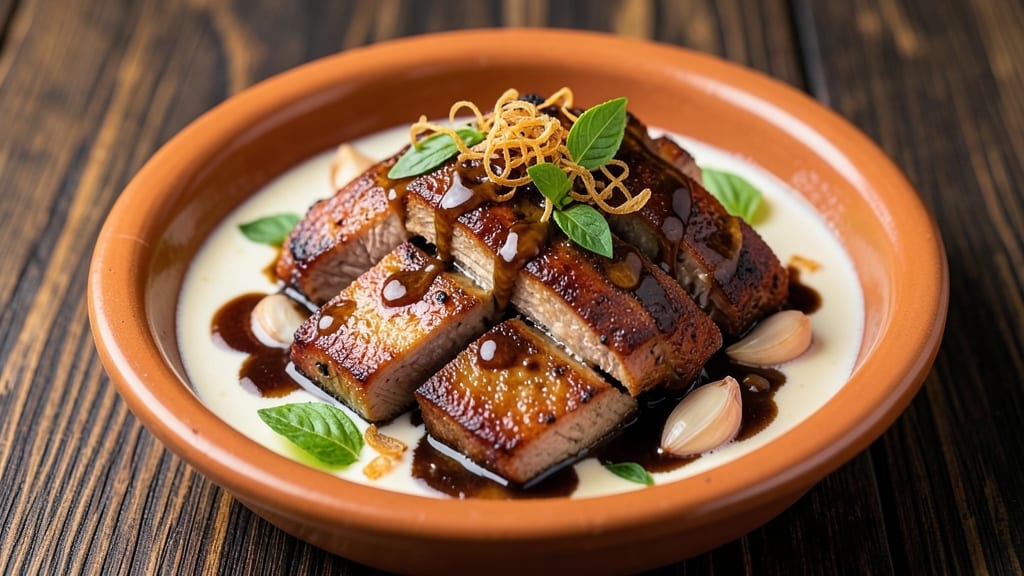
This coconut pork adobo recipe transforms traditional Filipino flavors into a rich, velvety dish where sweet coconut milk meets the tangy punch of vinegar. I first perfected this while working in Charleston, where I adapted classic adobo techniques to create a balance that's both familiar and exciting.
The secret lies in slow-braising, where pork becomes fork-tender while absorbing the complex sauce.
The recipe begins with a simple marinade of soy sauce, garlic, and black pepper, then builds layers of flavor with coconut milk and vinegar. This isn't your typical quick weeknight meal—it's a dish that rewards patience, delivering melt-in-your-mouth pork swimming in a glossy, aromatic sauce.
The coconut adds a luxurious creaminess that softens the vinegar's sharpness, creating harmony in every bite.
What makes this version special is the textural contrast—crispy edges on the pork from the final sear, paired with the sauce's velvety richness. It's the kind of dish that tastes even better the next day, making it perfect for meal prep or special occasions.
The sauce clings perfectly to rice, turning a simple side into a complete meal.
Whether you're cooking for family or hosting a dinner, this recipe delivers restaurant-quality results with minimal fuss. The technique is straightforward, but the flavor development happens through time and attention—just like the slow-cooked pork I prepare weekly at The Smoky Pig. Let's get started on this velvety, tangy masterpiece.
Ingredients for coconut pork adobo
Sweet coconut milk meets tangy vinegar in this rich, velvety pork dish.
| Ingredient | Amount | Notes |
|---|---|---|
| Pork Shoulder Cut 🥩 | 2 ½ lb | Bone-in for flavor, cut into 2-inch chunks |
| Coconut Milk 🥥 | 1 can | Full-fat for creaminess (13.5 oz can) |
| White Vinegar 💧 | ½ cup | Distilled or apple cider vinegar |
| Soy Sauce 🍶 | ⅓ cup | Kikkoman preferred, low-sodium option |
| Garlic Cloves 🧄 | 8 cloves | Peeled, smashed for intense flavor |
| Fresh Ginger 🌿 | 2 tbsp | Grated, for aromatic depth |
| Black Peppercorns 🌶️ | 1 tsp | Freshly cracked for maximum aroma |
| Brown Sugar 🍚 | ¼ cup | Light or dark, packed measurement |
| Olive Oil 🫒 | 2 tbsp | High smoke point for searing |
| Bay Leaves 🍃 | 2 whole | Dried for subtle earthy notes |
| Green Onions 🧅 | 3 whole | White and green parts, sliced |
| Salt 🧂 | 1 ½ tsp | Kosher or sea salt, to taste |
| Dried Thyme 🌿 | 1 tsp | Or 1 tbsp fresh thyme leaves |
The pork shoulder is the star here—bone-in cuts deliver the most flavor, but boneless works if you're short on time. Trader Joe's and Whole Foods carry excellent pre-cut pork shoulders, but if you're buying a whole roast, ask the butcher to cut it into 2-inch chunks. The coconut milk matters too—full-fat only gives that luxurious creaminess we're chasing. If you've got coconut cream (the thicker stuff), use that instead. For the vinegar, apple cider vinegar adds subtle sweetness, but distilled works fine too. I always grab extra garlic and ginger—they're doing heavy lifting in this dish.
No coconut milk? Substitute with equal parts heavy cream and a splash of coconut extract—not ideal, but gets you close. Short on vinegar? Lemon juice works at half the amount, though it won't give that classic adobo tang. The brown sugar can be swapped for white sugar or honey, but brown adds that caramel depth. Fresh thyme is ideal, but dried at one-third the amount works in a pinch. For the green onions, scallions or chives are perfect substitutes. The soy sauce? Tamari for gluten-free, but regular Kikkoman is what I use weekly at The Smoky Pig. Pro tip: toast your spices—crack the peppercorns in a dry pan for 30 seconds before adding to the pot.
This sauce gets better with time—3-4 days in the fridge lets the flavors meld beautifully. Portion into containers for easy meal prep, and freeze for up to 3 months if you're making a big batch. The pork reheats perfectly—just warm through with a splash of water or sauce. For serving, I always keep a bowl of jasmine rice steaming nearby. The sauce clings to it like a dream, turning a simple side into the star of the meal. Leftovers? Double the batch—it's that good.
Why You'll Love This Recipe
- One-Pot Magic: I swear by this recipe because it’s literally dump-and-go after the initial prep. Sear the pork, toss in garlic, vinegar, and soy sauce, then let the coconut milk do its creamy work—no straining, no extra pans. (Yes, even on a Tuesday night.)
- Tangy-Creamy Balance: That first bite? The vinegar’s sharp kick mellows into the rich coconut milk, while the garlic cloves caramelize into sweet little nuggets. It’s the kind of flavor that makes you pause mid-bite—like a hug in a bowl.
- Meal Prep MVP: I make a double batch on Sundays because it reheats like a dream. The pork stays tender, the sauce clings beautifully, and it’s way better cold for lunches than sad takeout containers. (My kids fight over the leftovers.)
- Budget Stretch: Pork shoulder is affordable, and coconut milk stretches far with a splash of vinegar and soy. Honestly, it’s my go-to for feeding a crowd without breaking the bank—plus, the sauce thickens into a glossy glaze that makes everything feel special.
Step-by-step instructions for coconut pork adobo
Here's how to create a rich, velvety adobo that balances creamy coconut with bright vinegar notes.
Sear the Pork Shoulder for Deep Flavor
Heat the 2 tablespoons olive oil in a large Dutch oven over medium-high heat until shimmering. Working in batches, add the 2.5 lb pork shoulder cut cut into 2-inch chunks, arranging them in a single layer. Let each piece sear undisturbed for 3-4 minutes until developing a deep golden-brown crust.
This initial searing creates the Maillard reaction that builds complex flavors. I press down gently on the pork with a spatula during the first minute to prevent curling and ensure even contact with the pan. Once all pieces are browned, transfer them to a plate and set aside. 2
Build the Aromatic Base
In the same Dutch oven, reduce heat to medium and add the 8 cloves garlic cloves and 2 tablespoons fresh ginger. Sauté for 1-2 minutes until fragrant—you should smell that pungent garlic aroma wafting through your kitchen. Be careful not to let them burn, as this turns bitter quickly.
Next, add the 1 teaspoon black peppercorns and toast for 30 seconds until they begin to darken slightly. This step unlocks their full aroma potential. Remove the peppercorns with a slotted spoon and set aside—you'll add them back later. Stir in the 2 whole bay leaves and let them infuse for 30 seconds before adding the 0.5 cup white vinegar. The vinegar will bubble vigorously—this is normal and essential for building the signature tang.
Step 3: Combine All Ingredients for SimmeringReturn the seared pork to the Dutch oven along with the reserved peppercorns. Pour in the 1 can coconut milk and add the 0.33 cup soy sauce, 0.25 cup brown sugar, 1.5 teaspoons salt, and 1 teaspoon dried thyme. Stir gently to combine, being careful not to break up the pork pieces too much.
Bring the mixture to a gentle simmer over medium-low heat. The sauce should bubble softly—if it's too vigorous, reduce the heat. Let it simmer uncovered for 1 hour, stirring occasionally. The pork should begin to tenderize, and the sauce will reduce slightly, developing a glossy sheen. Here's where the magic happens: the coconut milk creates a velvety texture while the vinegar maintains that bright, tangy adobo character.
Step 4: Finish with Green Onions and RestAfter 1 hour, check the tenderness of the pork. It should be fork-tender but still hold its shape when pierced. If it's not quite there, continue simmering for another 30-45 minutes until fully tender. Remove the bay leaves and discard them.
Stir in the 3 whole green onions (both white and green parts) and cook for 1-2 minutes until just wilted. This adds a fresh, bright finish that cuts through the richness. Let the adobo rest for 10 minutes before serving. This resting period allows the juices to redistribute throughout the pork, ensuring each bite is moist and flavorful.
Step 5: Serve with Perfect PairingsLadle the coconut pork adobo into serving bowls, making sure each portion gets its share of the rich, velvety sauce. The pork should be fork-tender with a crispy exterior from the initial searing. Garnish with additional sliced green onions if desired, and serve immediately with steamed jasmine rice or crusty bread to soak up every last drop of that luxurious sauce.
This dish delivers a perfect balance of creamy coconut, tangy vinegar, and savory soy sauce. The bone-in pork shoulder stays incredibly tender while developing a beautiful caramelized crust from the slow simmer. Trust the process—each element comes together to create a restaurant-quality adobo right in your kitchen.
Pro Tips For Making Coconut Pork Adobo
- BROWN THE PORK FIRST: I learned this the hard way—skipping the sear means your adobo will taste like stewed pork, not caramelized perfection. Get that pork shoulder sizzling over medium-high heat until it’s deep golden brown on all sides before adding any liquid. The crust locks in flavor and keeps the meat from turning mushy in the coconut milk.
- USE THICK COCONUT MILK: That watery canned stuff? It’ll dilute your sauce into a sad, thin mess. Grab the full-fat, thick coconut milk (the kind that separates at the top) and skim off the cream first—save it for another use. What’s left will coat the pork beautifully and give that rich, velvety texture without making the dish gloppy.
- ADD VINEGAR GRADUALLY: Dumping all the white vinegar at once turns your adobo into a tangy soup. Start with half, let the pork simmer for 10 minutes, then taste and adjust. You’re aiming for bright acidity, not a pucker-fest—this way, you control the balance and avoid overpowering the coconut and pork.
- SIMMER LOW AND SLOW: High heat after the initial sear is your enemy here. Once everything’s in the pot, drop the heat to low and let it bubble gently for at least 1.5 hours. I know, I know—you want to rush it, but rushing makes the pork dry and the sauce break. Patience here guarantees tender, fall-apart meat and a sauce that thickens naturally.
Storing and reheating this coconut pork adobo
Refrigerator Storage
Let your coconut pork adobo cool completely before transferring to airtight containers—I prefer glass Pyrex with snap-on lids. Store at 40°F or below for up to 4 days, though I find the flavors deepen after 24 hours as the spices meld.
The sauce thickens slightly in the fridge, making it even more velvety when reheated. Always leave ½ inch headspace to prevent spills from the rich coconut sauce. 🥥
Freezer Prep Tips
For longer storage, freeze portions in quart-sized freezer bags or glass containers. The sauce freezes beautifully for up to 3 months, though I recommend using it within 2 months for peak texture. To prevent freezer burn, squeeze out excess air and label with the date.
When ready to serve, thaw overnight in the fridge—never microwave directly from frozen. The pork stays incredibly tender after freezing, though the sauce may separate slightly. Just stir vigorously when reheating. ❄️
Stovetop Reheating
My preferred method for reheating is stovetop—it preserves the sauce's velvety texture perfectly. Transfer the pork and sauce to a skillet over medium-low heat and add 2-3 tablespoons of water to prevent sticking. Simmer uncovered for 8-10 minutes, stirring occasionally, until reaching 165°F internal temperature.
The sauce will reduce slightly, intensifying its flavors. Taste and adjust seasoning—you might need a pinch of salt or a splash of vinegar to balance the reheated flavors. 🔥
Microwave Shortcuts
For quick meals, microwave individual portions covered with a damp paper towel. Heat on medium power (50%) for 2-3 minutes, stir, then continue in 30-second intervals until hot throughout. Add 1 tablespoon of water or coconut milk if the sauce looks too thick.
The pork reheats beautifully this way, though the sauce may not be as glossy as stovetop reheating. This method works well for busy weeknights when you're short on time. ⏱️
Leftovers Magic
One of my favorite things about this dish is how it improves overnight. The sauce clings to jasmine rice even better after resting, creating a comforting, hearty meal. For extra richness, drizzle reheated portions with a little toasted sesame oil or sprinkle with crushed peanuts for texture.
The contrast of warm rice with the creamy, tangy pork is pure comfort food at its best. Double the batch—you'll want leftovers! 💫
Nutrition facts
Frequently asked questions
Can I substitute chicken or shrimp for pork in this recipe?
While pork is traditional, you can adapt this recipe for chicken thighs (bone-in works best) or shrimp. For chicken, reduce cooking time to 20-25 minutes after simmering. Shrimp cooks in just 5 minutes—add them at the very end with the green onions. The sauce will be less rich with shrimp, so consider adding 1/4 cup coconut cream to compensate. The vinegar balance remains key regardless of protein!
How do I adjust the sauce to be less tangy?
If the vinegar flavor overpowers, reduce it by 2 tablespoons and add 1 extra tablespoon of brown sugar to balance. For a milder taste, simmer uncovered for 5 extra minutes to let some of the acidity cook off. Alternatively, stir in 1 teaspoon of honey at the end to mellow the sharpness while adding subtle sweetness.
What's the best way to make this recipe in a slow cooker?
Transfer the seared pork and all sauce ingredients to a 6-quart slow cooker. Cook on LOW for 6-7 hours or HIGH for 3-4 hours until pork is fork-tender. The sauce will be thinner, so reduce it on the stovetop for 10-15 minutes at the end to achieve that velvety texture. Skip the resting time—it's not needed in slow cookers.
Can I use coconut water instead of coconut milk?
Not ideal—coconut water is too thin and won't create that rich, creamy sauce. However, you can use a 1:1 mix of coconut water and heavy cream as a partial substitute. For best results, stick with full-fat coconut milk. The creaminess is essential for balancing the vinegar's acidity and creating that signature adobo texture.
Why did my sauce turn curdled?
Curdling usually happens when the sauce gets too hot or when acidic ingredients (vinegar) and fats (coconut milk) separate. To fix it, whisk in 1 tablespoon of cornstarch mixed with 2 tablespoons water and simmer for 2-3 minutes until thickened. For prevention, keep heat at medium-low and stir occasionally. The sauce should never boil vigorously once all ingredients are added.