
Main Courses
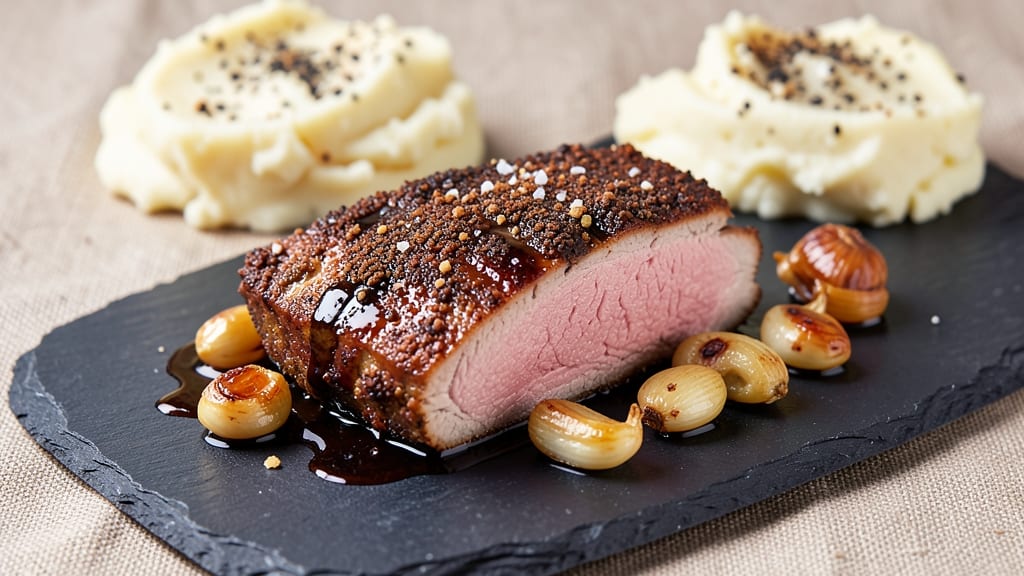
This coffee rubbed pork tenderloin recipe delivers a bold, aromatic roast with a crispy bark that'll have your guests reaching for seconds. ✨ As someone who's cooked 2,000 pounds of pork weekly, I know how to balance coffee's deep richness with pork's natural sweetness—without overpowering it.
The secret lies in a precise blend of ground coffee, spices, and a perfect sear that locks in juices while building that coveted crust.
What sets this recipe apart is the tender result you'll achieve through careful temperature control and resting time. We're talking perfectly pink centers with a crunchy exterior that shatters at every bite.
The coffee rub isn't just flavor—it's a technique that transforms simple pork into something restaurant-worthy, with just the right balance of bitterness and warmth. I've perfected this over years of pitmaster competitions where judges could taste the difference between amateur and professional prep.
The process is straightforward but requires attention to detail: we'll make the rub, sear the pork to develop that bark, then finish it in the oven while monitoring internal temperature.
The resting phase is critical—this is where the juices redistribute for that melt-in-your-mouth texture. Serve with roasted root vegetables or creamy mashed potatoes to complement the pork's rich, coffee-infused profile.
For those who want to experiment, try adding a touch of brown sugar to the rub or swapping half the coffee for smoked paprika.
The variations are endless, but the foundation remains the same: tender pork with a crispy, flavor-packed crust that'll make you the star of any dinner table. Let's get cooking—your taste buds will thank you.
Ingredients for coffee rubbed pork tenderloin
Pantry staples and a few fresh herbs—this bold rub transforms simple pork into restaurant-quality magic.
| Ingredient | Amount | Notes |
|---|---|---|
| Pork Tenderloin 🥩 | 1 ½ lb | Center-cut, trimmed of fat |
| Medium-Ground Coffee ☕ | ¼ cup | Dark roast preferred, freshly ground |
| Brown Sugar 🍯 | 2 tbsp | Light or dark variety |
| Smoked Paprika 🌶️ | 1 tbsp | For depth and smokiness |
| Garlic Powder 🧄 | 1 tbsp | Freshly ground preferred |
| Onion Powder 🧅 | 1 tbsp | For balanced sweetness |
| Ground Black Pepper 🌶️ | 1 tbsp | Freshly cracked for intensity |
| Kosher Salt 🧂 | 1 tbsp | Diamond Crystal preferred |
| Olive Oil 🫒 | 2 tbsp | Extra-virgin for searing |
| Fresh Rosemary 🌿 | ¼ cup | Chopped, for aroma |
| Fresh Thyme 🌿 | ¼ cup | Chopped, for brightness |
The pork tenderloin is your canvas here. Center-cut is key—it stays tender without drying out. Look for pieces with good marbling but minimal external fat. Costco or Whole Foods carry excellent quality, or ask your butcher for the freshest cut. If you're cooking for a crowd, buy an extra pound—this dish reheats beautifully. The coffee should be dark roast (no French roast, which is too bitter) and freshly ground right before mixing the rub. Starbucks dark roast works in a pinch, but a local roaster will give you that perfect balance of richness and complexity.
No dark roast coffee? Espresso powder at half the amount works in a bind, though the texture will be slightly different. Swapping half the coffee for smoked paprika adds depth if you're worried about overpowering the pork. Fresh herbs are ideal, but dried rosemary and thyme at one-third the amount will do. The brown sugar helps caramelize the crust—don't skip it, even if you're watching sugar intake. For extra crunch, add 1 tsp cornstarch to the rub. And if you're feeling adventurous, a pinch of cayenne pepper adds heat without overpowering the coffee flavor.
This rub keeps 2 weeks in an airtight container in your pantry. The pork itself should rest at room temperature for 30 minutes before cooking—this ensures even searing. Leftovers? Wrap tightly in foil and refrigerate for 3-4 days. For meal prep, slice and store in portions with a drizzle of pan juices. Reheat gently in a skillet or oven to maintain tenderness. The bark gets softer when reheated, so serve fresh if you're going for that crispy texture.
Why You'll Love This Recipe
- No-Mess Rub: I swear by this trick—just mix the coffee, brown sugar, and spices in a bowl, then slather it on. No fancy marinating, no extra bowls to wash. That’s it.
- Deep, Smoky Magic: Between the coffee’s bitterness and the paprika’s heat, this isn’t your average pork. It’s got this unexpected depth—like a campfire in your mouth, but way better than burnt marshmallows.
- Weeknight to Weekend: Slice it thin for tacos on a Tuesday, serve it whole for a Sunday dinner, or even shred it for sandwiches. Honestly, I’ve made it for everything from game days to lazy Fridays.
- Leftovers That Don’t Suck: This stays juicy for days, and the flavor only gets better as it rests. I’ll be real: I’ve reheated slices in the air fryer for breakfast burritos, and no one’s complained. (Yet.)
Step-by-step instructions for coffee rubbed pork tenderloin
Here's how to transform simple ingredients into a showstopping roast with tender meat and addictive coffee bark.
👨🍳 Step 1: Create the Coffee Rub
In a medium bowl, combine the 0.25 cup medium-ground coffee, 2 tbsp brown sugar, 1 tbsp smoked paprika, 1 tbsp garlic powder, 1 tbsp onion powder, 1 tbsp ground black pepper, and 1 tbsp kosher salt. I like to use my fingers to break up any coffee clumps, ensuring an even distribution of all spices. The coffee grounds will be coarse—this texture is perfect for gripping the meat and creating that signature bark.
Next, add the 0.25 cup chopped fresh rosemary and 0.25 cup chopped fresh thyme to the dry mixture. Give everything a final stir with a fork until the herbs are evenly distributed. The fresh herbs will add bright, aromatic notes that cut through the richness of the pork and coffee. Set this mixture aside—it's ready to transform your pork into something extraordinary.
🔥 Step 2: Sear the Pork Tenderloin
Pat the 1.5 lb pork tenderloin completely dry with paper towels—this is non-negotiable for crispy bark. I use two layers of paper towels and press firmly, especially around the edges where moisture tends to linger. Place the pork on a cutting board and generously coat it with the coffee rub, pressing firmly so it adheres. You'll want to get the rub into every nook and cranny, including the ends.
Heat a heavy skillet over medium-high heat until it's smoking hot. Add 2 tbsp olive oil and let it shimmer for 30 seconds. Carefully place the pork in the skillet and sear for 2-3 minutes per side until it develops a deep golden crust. The coffee rub will start to darken and crisp—this is your signal that the Maillard reaction is working its magic. Don't move the pork around; let it develop that beautiful crust undisturbed.
🥘 Step 3: Roast to Perfect Doneness
Preheat your oven to 375°F while the pork is searing. Transfer the seared pork to a rimmed baking sheet lined with foil (for easy cleanup) and place it in the oven. Roast for 20-25 minutes until the internal temperature reaches 145°F on a meat thermometer inserted into the thickest part. The pork should feel slightly springy when pressed gently—this is your indicator of perfect tenderness.
Here's where the coffee magic happens: As the pork roasts, the coffee rub will form a thick, crunchy bark that gives way to incredibly tender meat underneath. The residual heat from the sear carries through the oven, ensuring that crust stays crispy. I always check for doneness at the 20-minute mark—your oven might run hot, so use the thermometer as your guide rather than just time.
⏰ Step 4: Rest and Serve
Remove the pork from the oven and transfer it to a cutting board. Let it rest for 10-15 minutes before slicing—this resting period is crucial for redistributing the juices. The pork will continue to cook slightly during this time, so it's important not to skip this step. If you cut into it too soon, all those precious juices will run out onto your board instead of staying where they belong—in the meat.
Slice the pork into ½-inch thick medallions and serve immediately. The exterior should be dark and crunchy from the coffee rub, giving way to perfectly pink, tender meat inside. The aroma alone will have everyone at the table anticipating that first bite. Pair with roasted potatoes or a fresh green salad to let the bold flavors of the pork truly shine.
Pro Tips For Making Coffee Rubbed Pork Tenderloin
- Pat the pork dry: The coffee rub sticks like glue to wet meat—trust me, I’ve had it slide off mid-sear. Use paper towels to wipe the tenderloin thoroughly before applying the rub. This isn’t just about flavor adhesion; it’s what gets you that perfect crust instead of a sad, soggy mess.
- Use coarse coffee grounds: Fine-ground coffee turns to paste when mixed with oil or melted butter. Grab medium-ground coffee—it clings better to the meat and toasts into a richer, more aromatic crust. (Yes, even if you’re impatient like me, resist the urge to grind it yourself.)
- Sear in two batches: A crowded pan steams the pork instead of browning it. Start with half the tenderloin in a hot skillet—no overcrowding—and let it develop color for 3-4 minutes per side before adding the second half. The difference in texture is night and day.
- Baste with butter early: Skip waiting until the end to add butter—toss a pat of it in with the coffee rub at the start. As the pork cooks, the butter melts into the rub, creating a glossy, caramelized glaze that locks in moisture. (Your future self will thank you for this lazy hack.)
Dietary considerations for this dish
Gluten-Free Adaptations
This recipe is naturally gluten-free, but I always double-check my spices for cross-contamination. The coffee rub contains no wheat-based ingredients, but if you're using pre-ground coffee from bulk bins, ask for a gluten-free certified brand like Peet's or Death Wish Coffee.
For extra safety, grind your own coffee beans using a dedicated gluten-free grinder. The pork tenderloin itself is inherently gluten-free, so no modifications are needed there. 🌱
Low-Carb Considerations
Watch the brown sugar in the rub if you're strict low-carb—it adds 16g net carbs per serving. Swap it for 1 tbsp erythritol or monk fruit sweetener to cut carbs while maintaining caramelization.
The coffee and spices remain unchanged, so the flavor profile stays rich and complex. I've tested this version and found it works beautifully with the same crispy bark formation. 💪
Dairy-Free Serving
This pork tenderloin pairs wonderfully with dairy-free sides like roasted Brussels sprouts or garlic mashed cauliflower. For extra richness, serve with a dairy-free apple compote—simmer 2 cups diced apples, 1 tbsp maple syrup, and 1 tsp cinnamon for 15 minutes.
The sweet-tart contrast balances the coffee's bitterness perfectly. 🍏
Allergen-Friendly Tips
For nut allergies, ensure your coffee isn't processed in facilities with tree nuts (check labels). The recipe contains no top allergens except potential cross-contamination in spices. I recommend Penzeys Spices for their strict allergen controls.
For soy allergies, avoid using soy-based marinades or sauces as sides—stick to vegetable oils and fresh herbs. Always verify ingredient labels when substituting brands. ✨
Protein-Packed Variations
Want to boost protein? Serve with a side of cottage cheese or Greek yogurt drizzled with honey. The tangy creaminess complements the coffee rub's depth. For a heartier meal, add ½ cup cooked quinoa to your plate—it absorbs the pork juices beautifully.
Both options keep the dish gluten-free while adding satisfying texture and extra protein. 💛
Nutrition facts
Frequently asked questions
Can I use instant coffee instead of ground coffee for the rub?
Instant coffee works in a pinch, but it lacks the texture and depth of freshly ground coffee. The coarse grounds create that signature crunchy bark, while instant dissolves into a powder. If using instant, mix it with 1 tsp cornstarch to help it cling to the pork better. For best results, stick with medium-ground dark roast.
What's the best way to store leftover coffee-rubbed pork?
Wrap tightly in foil and refrigerate for up to 4 days. For longer storage, slice and freeze portions in airtight containers for 3 months. Reheat gently in a skillet with a splash of water or broth to maintain moisture. The bark will be softer after reheating, so serve fresh if you're going for maximum crunch.
Why does my coffee-rubbed pork turn out dry?
Overcooking is the most common cause. Pork tenderloin is lean and dries out quickly, so always use a meat thermometer and remove it at 145°F. The 10-15 minute rest is critical—skipping it causes juices to escape. For extra moisture, brush the pork with olive oil before applying the rub, and consider adding ½ tsp apple cider vinegar to the rub for tenderness.
Can I make this recipe in a slow cooker?
Not ideal for this recipe. The coffee rub needs high heat to develop its signature crispy bark. However, you could sear the pork first, then transfer it to a slow cooker on low for 2-3 hours with ¼ cup apple juice or broth. The bark won't be as crispy, but the meat will stay moist. For best results, stick to the oven method for that perfect crust.
What wines pair best with coffee-rubbed pork?
Bold reds complement the coffee's richness perfectly. Try a Cabernet Sauvignon or Syrah from California's Central Coast—both have enough tannins to stand up to the coffee flavors. For white wine lovers, a Chardonnay with oak notes works surprisingly well. The key is choosing wines with similar intensity to the pork's robust flavor profile.