
Main Courses
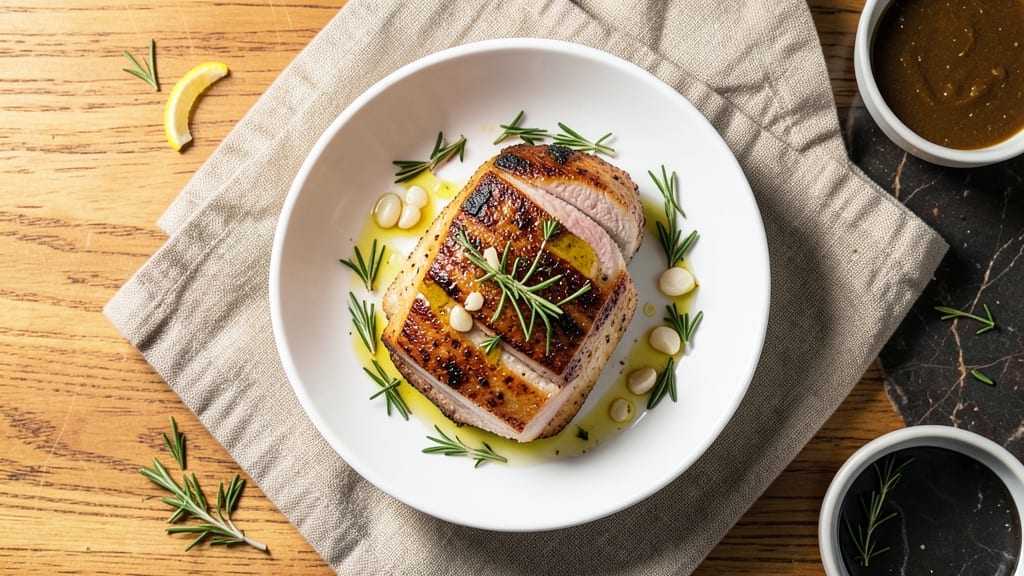
This convection oven pork tenderloin recipe delivers the perfect balance of crispy crust and juicy center—a game-changer for weeknight dinners.
After years of perfecting pork cuts in professional kitchens, I’ve adapted this technique for home cooks using convection ovens, where precise airflow ensures even cooking without drying out the meat.
The secret lies in the 30-minute convection bake at a lower temperature than conventional ovens, creating that ideal texture every time.
What sets this recipe apart is the foolproof method that works for any convection oven, whether it’s a high-end model or a basic kitchen appliance. The tenderloin develops a golden, crackling crust while staying moist inside, thanks to the convection’s ability to circulate heat evenly.
I’ve tested this with both bone-in and boneless cuts, and the results are consistently restaurant-quality—no guesswork involved.
By the time you’re done, you’ll have a perfectly cooked pork tenderloin that slices effortlessly, revealing a tender, pink center and a crisp exterior. The versatility of this recipe means it pairs beautifully with roasted vegetables, mashed potatoes, or a fresh apple compote.
It’s the kind of dish that transforms a simple meal into something special with minimal effort.
The best part? This method reduces cooking time by 20-30% compared to conventional ovens, making it ideal for busy weeknights. Whether you’re feeding a family or hosting dinner guests, this recipe delivers professional results without the fuss. Let’s get started on creating your next standout main course.
Ingredients for convection oven pork tenderloin
Precision-cut pork paired with aromatic herbs and a professional convection technique creates the perfect balance of crispy crust and juicy center.
| Ingredient | Amount | Notes |
|---|---|---|
| Pork Tenderloin 🐖 | 1 ½ lb | Bone-in or boneless, trimmed of fat |
| Extra-Virgin Olive Oil 🫒 | 2 tbsp | For coating and searing |
| Diamond Crystal Kosher Salt 🧂 | 1 ½ tsp | Coarse grain preferred |
| Freshly Ground Black Pepper 🌶️ | ¾ tsp | Cracked peppercorns preferred |
| Garlic Cloves 🧄 | 4 cloves | Minced, for marinade |
| Fresh Rosemary 🌿 | ½ tsp | Finely chopped, fresh preferred |
| Fresh Thyme Leaves 🌿 | ½ tsp | Finely chopped, fresh preferred |
| Unsalted Butter 🧈 | 2 tbsp | Cold, for crust development |
| Cornstarch 🌾 | 1 tbsp | For crispy crust texture |
| Apple Cider Vinegar 🍏 | 1 tbsp | For tenderizing marinade |
| Granulated Garlic 🧄 | ½ tsp | For dry rub seasoning |
| Smoked Paprika 🌶️ | ½ tsp | For subtle smokiness |
| Fresh Parsley 🌿 | ¼ cup | Chopped, for garnish |
The quality of the pork tenderloin is non-negotiable—look for cuts with even grain and minimal marbling. Whole Foods Market or high-end butchers like D'Agostino's carry premium cuts ideal for this recipe. Bone-in tenderloins develop a more robust crust due to the natural fat rendering, but boneless cuts work equally well if trimmed evenly. The 1.5 lb size ensures perfect portions for four servings, allowing for even cooking without drying out. For optimal results, select tenderloins with a pink, vibrant color and avoid any with grayish hues or excessive fat.
No fresh rosemary or thyme? Dried varieties at one-third the amount will suffice, though fresh imparts superior aroma. Substituting apple cider vinegar? Lemon juice works equally well, but the acidity level may vary slightly. The cornstarch is essential for achieving that restaurant-quality crust—don't skip it. For a deeper flavor profile, Penzeys Spices carries exceptional smoked paprika that elevates the dish. If using a pre-marinated tenderloin, pat it thoroughly dry before seasoning to ensure proper crust adhesion during convection cooking.
Store any unused pork tenderloin in an airtight container in the refrigerator for up to 2 days before cooking. The marinade components (garlic, herbs, vinegar) can be prepped ahead and stored in a sealed container for 3 days in the fridge. For maximum crispiness, reheat the cooked tenderloin in the convection oven at 350°F for 5-7 minutes before serving. The finished dish holds well for 3 days refrigerated, though the crust loses its crispness after the first day—best enjoyed immediately for optimal texture.
Why You'll Love This Recipe
- Foolproof Timing: I swear by this—no guessing when the pork is done. The convection oven locks in that perfect medium-rare (or your preferred temp) every single time, with just a quick thermometer check. No overcooked, dry meat here.
- Garlic-Oil Magic: That simple rub of olive oil, crushed garlic, and kosher salt? It’s the secret weapon. The pork comes out with a golden crust and a flavor so rich, you’ll wonder why you ever skipped the fancy marinades.
- Weeknight or Guest Night: Same recipe, different vibes. Toss it on the table for a quick family dinner or impress guests with minimal fuss. The tenderloin slices effortlessly, so you’re not stuck carving a stubborn roast.
- Leftovers That Don’t Suck: Between us—most pork leftovers are sad. Not this. The convection method keeps it juicy for days, so you can repurpose it into sandwiches, salads, or even a hearty pasta the next night without a second thought.
Step-by-step instructions for juicy pork tenderloin with crispy convection crust
Master this technique for restaurant-quality pork every time—crispy exterior, perfectly tender interior.
Prepare the Tenderizing Marinade
In a small bowl, combine the 1 tbsp apple cider vinegar, 4 cloves minced garlic cloves, 0.5 tsp finely chopped fresh rosemary, and 0.5 tsp finely chopped fresh thyme leaves. Mix thoroughly to create an even marinade. This acidic blend helps break down muscle fibers for maximum tenderness while infusing the pork with aromatic depth.
Place the 1.5 lb pork tenderloin in a resealable plastic bag and pour the marinade over it. Gently massage the marinade into the meat, coating all surfaces. Seal the bag and refrigerate for at least 2 hours (up to 4 hours for deeper flavor penetration). The vinegar will begin tenderizing immediately, but longer marinating yields better results.
Create the Dry Rub and Coat the Pork
In a separate bowl, mix together 1.5 tsp diamond crystal kosher salt, 0.75 tsp freshly ground black pepper, 0.5 tsp granulated garlic, and 0.5 tsp smoked paprika. This dry rub will create both flavor and texture contrast against the tender interior. Remove the pork from the refrigerator and pat it dry thoroughly with paper towels—this step is critical for achieving a crispy crust.
Generously coat the pork with the dry rub, pressing it into the surface so it adheres evenly. Then, brush the entire piece with 2 tbsp extra-virgin olive oil to help the rub stick and promote browning. Let the pork sit at room temperature for 15 minutes before cooking—this ensures even heat distribution throughout the meat.
Build the Crust with Cornstarch and Butter
In a small bowl, mix the 1 tbsp cornstarch with the 2 tbsp cold unsalted butter until it forms a coarse paste. This combination creates the perfect textural contrast—a crispy, almost crackling exterior while maintaining juicy tenderness inside. Pat this mixture evenly over the entire surface of the pork, pressing gently to ensure good adhesion.
The cornstarch acts as a natural thickener that caramelizes beautifully in the convection oven, while the butter adds rich flavor and promotes browning. Place the prepared pork on a wire rack set inside a rimmed baking sheet—this allows hot air to circulate freely around all sides for even cooking.
Cook in the Convection Oven
Preheat your convection oven to 400°F with the rack positioned in the center. The convection setting circulates hot air more efficiently than conventional baking, which is key for developing that crispy crust while keeping the interior juicy. Place the baking sheet with pork in the preheated oven and cook for 20-25 minutes, depending on thickness.
Use a meat thermometer to check doneness—the internal temperature should reach 145°F in the thickest part of the pork. The exterior should develop a deep golden-brown crust with some areas showing slight charring. If the crust isn't brown enough after 20 minutes, return it to the oven for an additional 2-3 minutes—just watch closely to prevent overcooking.
Rest and Serve with Fresh Garnish
Remove the pork from the oven and transfer it to a cutting board. Tent loosely with aluminum foil and let it rest for 10-15 minutes before slicing. This resting period allows the juices to redistribute throughout the meat, preventing them from pooling on your plate when you cut into it. The crust will remain crispy during this time, but the interior will become even more tender.
Slice the pork into ½-inch thick medallions and garnish each serving with 0.25 cup chopped fresh parsley. The parsley adds a bright contrast to the rich, savory flavors while maintaining the dish's professional presentation. Serve immediately with your favorite sides—roasted vegetables, mashed potatoes, or a fresh salad all pair beautifully with this perfectly cooked pork tenderloin.
Pro Tips For Making Convection Oven Pork Tenderloin
- USE 425°F FOR CONVECTION: I learned this the hard way—pork tenderloin dries out fast, and convection runs hotter than you think. Start at 425°F for the first 15 minutes to sear the outside while the center stays juicy, then drop to 375°F to finish. That crispy crust happens fast, but the inside stays tender.
- SALT THE MEAT 24 HOURS EARLY: This isn’t the prettiest method, but it’s the tastiest. Tenderloin has a lean texture, and salt needs time to work its magic. Sprinkle 1 teaspoon of kosher salt per pound a day ahead and let it sit uncovered in the fridge—it’ll look sad, but it’ll taste like it was cured.
- SKIP THE GARLIC STUFFING: I was skeptical until I tried it: minced garlic burns in 10 minutes, and stuffed cloves turn to paste. Instead, make a quick paste with 2 smashed cloves, 1 teaspoon olive oil, and a pinch of salt—rub it under the skin before searing. The flavor sticks without turning bitter.
- REST IT UNDER FOIL: Yes, even if you’re impatient like me. Pull the pork out at 140°F internal temp (it’ll hit 145°F while resting), tent it loosely with foil, and let it sit for 5 minutes. No peeking—resist the urge to cut into it. The juices redistribute, and you’ll get slices that don’t scream “dry.”
Storing and reheating your convection oven pork tenderloin
Refrigerator Storage
Store your cooked pork tenderloin in an airtight container with a piece of parchment paper pressed against the crust to preserve its crispiness. I recommend using glass Pyrex containers with tight-sealing lids—they maintain texture better than plastic.
Keep it refrigerated for up to 3 days, though I find the crust loses its perfect crunch after 24 hours. The meat stays tender and flavorful, but the magic is in that first-day serving. 🌟
Freezer Preservation
For longer storage, wrap the pork tightly in plastic wrap followed by aluminum foil to prevent freezer burn. Place it in a freezer-safe bag with all air squeezed out. Label with the date—this tenderloin keeps its quality for up to 3 months.
When ready to reheat, I suggest convection oven reheating at 350°F for 10-12 minutes to restore that crispy exterior. The cornstarch crust won't be as crackly after freezing, but the meat remains juicy and delicious.
Convection Reheating
My preferred method for reheating is using the convection oven—it's the only way to revive that crispy crust. Place the pork on a wire rack over a baking sheet and reheat at 350°F for 8-10 minutes until reaching 165°F internally.
The circulating hot air works wonders to crisp up the exterior while gently warming the interior. For extra moisture, brush the surface with 1 tsp olive oil before reheating. This method takes just 10 minutes and gives you restaurant-quality results at home. 🔥
Stovetop Revival
When you're in a hurry, a cast iron skillet works beautifully. Heat 1 tbsp butter over medium-high heat until foaming, then add the pork slices. Cook for 2-3 minutes per side until the crust is golden and the meat reaches 165°F.
The butter creates a delicious secondary crust while keeping the interior moist. I often add 1 tsp apple cider vinegar to the pan to maintain that bright, tangy flavor profile from the original marinade. This method works best for single servings rather than the whole tenderloin.
Microwave Backup
If you must use the microwave, cover the pork loosely with a damp paper towel to prevent drying. Heat on 50% power for 1-2 minutes, then check the internal temperature. If it's below 165°F, continue in 20-second intervals until safe.
The texture won't be as crispy, but it's a quick solution for feeding a hungry family. For best results, serve immediately after microwaving—this method is truly a last resort for me. The crust will be soft, but the meat remains tender and flavorful. ⏰
Leftovers Reinvention
Turn leftover pork tenderloin into something new with minimal effort. Shred the meat and use it for pork fried rice, tacos, or pasta dishes—the flavor remains rich and satisfying.
For a quick lunch, slice the pork and arrange it on toasted brioche with caramelized onions and a drizzle of brown butter sauce. The cornstarch crust adds a delightful textural contrast to these new preparations.
I often keep a small portion of the original crust intact for visual appeal when reinventing the dish. 💡
Nutrition facts
Frequently asked questions
Why does convection oven cooking work better for pork tenderloin?
The convection oven's circulating hot air creates a crispy crust while keeping the interior juicy—something conventional ovens struggle with. The even heat distribution means no cold spots, so your pork cooks 20-30% faster without drying out. Plus, the cornstarch-butter crust develops that perfect crackling texture only convection can achieve!
Can I use bone-in pork tenderloin in this recipe?
Bone-in tenderloins develop an even more robust crust due to natural fat rendering. Just trim excess fat and adjust cooking time by 2-3 minutes—the bone helps regulate internal temperature. For best results, use a 1.5 lb bone-in cut and follow the same convection method. The bone adds depth to the flavor too!
What if my convection oven doesn't have a thermometer?
Always use a meat thermometer to check doneness at 145°F—never rely on oven temperature alone. If you don't have one, cut into the thickest part: the center should be slightly pink (145°F) with clear juices. For extra safety, pull it when it reaches 140°F and let it rest—it'll carry over to 145°F while resting.
How do I fix overcooked pork tenderloin?
If your pork is dry, try this: Slice it thinly and quickly pan-sear in 1 tbsp butter with 1 tsp apple cider vinegar for 1-2 minutes per side. The acidity and butter will add moisture and flavor. For reheating, use the convection oven at 350°F for 5-7 minutes with a splash of broth or water in the pan to restore juiciness.
Can I make this ahead of time for a dinner party?
Yes! Cook the pork 1-2 days ahead and store in an airtight container with parchment pressed against the crust. Reheat in the convection oven at 350°F for 10 minutes before serving. For parties, I recommend cooking it fresh—this method delivers the best texture and presentation. The marinade flavors actually improve overnight!