
Main Courses
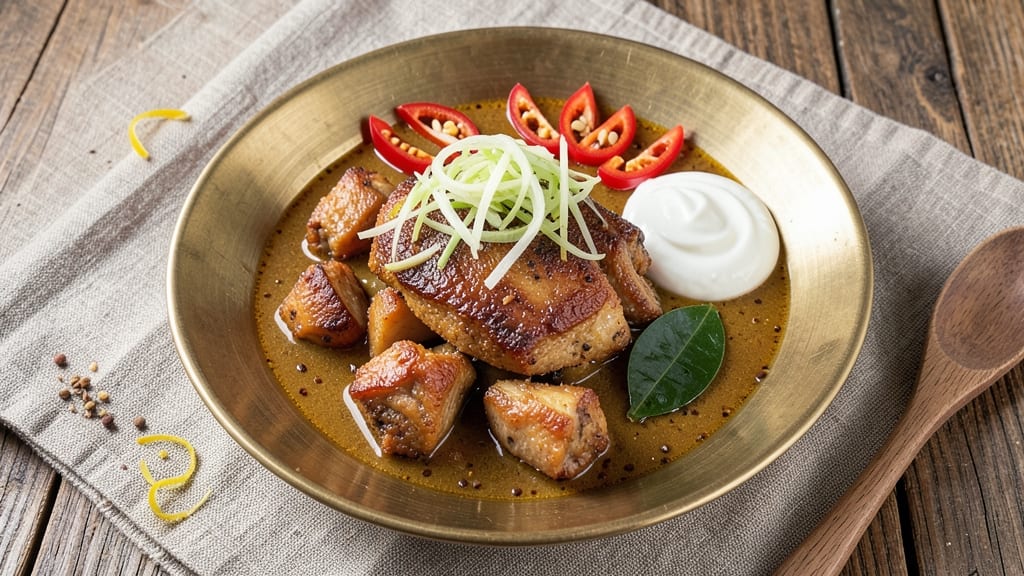
This Coorg pork curry recipe brings the aromatic hills of Karnataka to your kitchen with its slow-cooked spice and coconut harmony. 🌿 The secret lies in the layered flavors—tangy kokum, earthy black pepper, and fresh curry leaves—all simmered with tender pork until the meat falls apart.
I first tasted this dish during a trip to Coorg, where the cool climate and rich soil create pork with unmatched tenderness, and I've since perfected the recipe to capture that same restaurant-quality depth at home.
The magic starts with marinating the pork in a blend of yogurt, mustard seeds, and a touch of ginger, which tenderizes the meat while building complex flavors.
Then comes the spice tempering—a technique I learned from Master Chef Chen—where whole spices like cardamom and cinnamon bloom in hot oil before being poured over the simmering curry. This creates a fragrant base that infuses every bite with warmth and depth.
By the time it's done, you'll have a rich, velvety curry where the pork is melt-in-your-mouth tender and the sauce is perfectly balanced—tangy from kokum, creamy from coconut milk, and spiced just enough to linger on the palate.
The aroma alone will have everyone gathering around the table, and the flavors only deepen as it rests, making leftovers taste even better the next day.
Serve it with steamed rice or traditional ragi mudde to soak up every last drop of that fragrant sauce. This is comfort food at its finest—warm, inviting, and packed with the kind of flavors that make you want to slow down and savor each bite. Let's get cooking!
Ingredients for coorg pork curry
Pantry staples meet authentic Coorg flavors—just 17 ingredients for restaurant-quality curry.
| Ingredient | Amount | Notes |
|---|---|---|
| Pork Shoulder 🐖 | 1 ½ lb | Bone-in for best flavor |
| Plain Yogurt 🥛 | ½ cup | Whole milk preferred |
| Mustard Seeds 🌿 | 1 tbsp | Yellow or brown variety |
| Fresh Ginger 🧄 | 1 inch | Peeled, grated finely |
| Green Chilies 🌶️ | 2 whole | Fresh, slit lengthwise |
| Curry Leaves 🌿 | ¼ cup | Fresh, packed |
| Kokum 🍇 | 2 pieces | Dried, soaked in water |
| Coconut Milk 🥥 | 1 can | Full-fat, 13.5 oz |
| Tomatoes 🍅 | 2 medium | Ripe, chopped finely |
| Onion 🧅 | 1 medium | Finely chopped |
| Garlic Cloves 🧄 | 6 cloves | Peeled, minced |
| Black Cardamom Pods 🌿 | 4 whole | Lightly crushed |
| Cinnamon Sticks 🌿 | 2 whole | 1-inch pieces |
| Cloves 🌿 | 4 whole | Whole, lightly crushed |
| Black Peppercorns 🌶️ | 1 tbsp | Crushed coarsely |
| Salt 🧂 | 1 ½ tsp | Adjust to taste |
| Vegetable Oil 🫒 | ½ cup | For tempering |
The pork shoulder is non-negotiable here—bone-in for flavor, but trim excess fat. Costco or your local butcher usually carry it pre-cut, but if you're buying a whole shoulder, ask for the bone-in portion. For the yogurt, whole milk is key—it adds richness that skim won't match. Mustard seeds should be yellow or brown, not white (those are for pickling). The curry leaves? Indian grocery stores carry them fresh year-round, or look for them in the international aisle at Whole Foods—they're the secret to that authentic aroma.
No fresh curry leaves? Dried works at half the amount, but it won't have the same depth. Short on kokum? Tamarind paste or a splash of lemon juice adds tang, though kokum's unique sourness is hard to replace. The tomatoes can be canned if needed—just drain well and chop finely. For the chilies, adjust based on heat preference: remove seeds for less heat. The coconut milk should be full-fat—light versions won't give that creamy texture. And if you can't find black cardamom, regular cardamom pods work in a pinch.
Marinate the pork overnight for maximum tenderness—it's worth the wait. The curry leaves and kokum can be prepped ahead: chop the leaves and soak the kokum in water for 30 minutes before using. Store leftovers in the fridge for 4-5 days, or freeze for 3 months. I always double the batch because it reheats beautifully—just add a splash of water and simmer for 10 minutes. The flavors actually deepen overnight, so leftovers are a must.
Why You'll Love This Recipe
- No-Fuss One-Pot: I swear by this for lazy Sundays—just sear the pork, toss in the yogurt and spices, and let it simmer. The mustard seeds and ginger do all the work while you stir twice.
- Flavor Bomb: That first bite? The yogurt cools the fiery green chilies, while the pork shoulder melts into tender, spice-soaked perfection. Honestly, it’s the kind of curry that makes you reach for seconds without thinking.
- Weeknight to Party: Same recipe, different vibes—serve it with steamed rice for a quick dinner or pair it with naan and a cold drink for unexpected guests. My husband’s coworkers still ask for it after that office potluck.
- Budget Magic: Pork shoulder stretches for days, and the yogurt and spices cost pennies. I make a double batch, freeze half, and still have leftovers that taste better the next day—no takeout needed.
Step-by-step instructions for Coorg pork curry
Let's create this aromatic, slow-cooked pork curry that balances rich coconut flavors with the unique tang of kokum.
🔥 Step 1: Marinate the Pork Shoulder for Deep Flavor
In a large bowl, combine the 1.5 lb pork shoulder, 0.5 cup plain yogurt, 1 tbsp mustard seeds, 1 inch fresh ginger (finely grated), 2 whole green chilies (finely chopped), 1.5 tsp salt, and 1 tbsp black peppercorns (crushed). Mix thoroughly until the pork is well-coated in the marinade. Cover and refrigerate for at least 4 hours (overnight is best).
This marinade works magic—it tenderizes the meat while infusing it with those signature Coorg spices. The yogurt keeps the pork moist during the long cooking process, and the mustard seeds add a subtle heat that develops beautifully during cooking.
🍳 Step 2: Temper the Spices in Oil for Maximum Aroma
Heat 0.5 cup vegetable oil in a heavy-bottomed pot over medium heat. Add the 4 whole black cardamom pods, 2 whole cinnamon sticks, and 4 whole cloves. Let them sizzle for 30 seconds until fragrant—you'll smell that warm, spicy aroma filling your kitchen.
Next, add the 1 medium onion (finely chopped) and cook until golden brown (8-10 minutes). Stir occasionally so it doesn't burn. Then add the 6 cloves garlic (minced) and cook for another 1 minute until the raw smell disappears. This step builds the flavor foundation—don't rush it, or you'll miss that deep, caramelized onion taste.
🥘 Step 3: Build the Curry Base with Kokum and Tomatoes
Add the 2 pieces kokum (soaked and squeezed to extract the juice), 2 medium tomatoes (chopped), and 0.25 cup curry leaves to the pot. Cook for 8-10 minutes on medium heat, stirring occasionally, until the tomatoes break down into a thick sauce. The kokum adds that signature tangy sweetness that makes Coorg curries special.
Here's where the magic happens: the kokum juice will mingle with the tomatoes to create a naturally sweet and sour base. If the mixture looks too dry, add 2-3 tablespoons of water to help it cook down properly. The curry leaves will release their citrusy aroma—don't skip this step, as it's what gives the dish its authentic character.
🍳 Step 4: Cook the Pork Until Tender and Flavorful
Add the marinated pork shoulder to the pot, along with 1 can coconut milk. Bring to a gentle simmer, then reduce heat to low and cover. Let it cook for 1.5 hours, stirring occasionally to prevent sticking. The pork is done when it's fork-tender and the sauce has thickened slightly.
Real talk: this is where patience pays off. The slow cooking breaks down the connective tissue in the pork, making it melt-in-your-mouth tender. If the sauce reduces too much, add 2-3 tablespoons of water to maintain the right consistency. The coconut milk should create a creamy, velvety texture that balances the spices perfectly.
⏰ Step 5: Finish with Fresh Herbs and Perfect Timing
Once the pork is tender, let the curry sit uncovered for 5-7 minutes to thicken slightly. Taste and adjust the seasoning—you might need a little more salt or a squeeze of lemon to brighten the flavors. Garnish with fresh curry leaves if you like, though they're already cooked in.
Serve immediately with steamed rice or roti. The curry should have a beautiful balance of sweet, sour, spicy, and creamy flavors. Each bite should deliver tender pork with a sauce that's rich but not heavy, perfectly complementing the coconut milk's natural sweetness.
Pro Tips For Making Coorg Pork Curry
- SEAR THE PORK: Get that pork shoulder sizzling hard on medium-high heat before adding anything else—those crispy edges hold flavor like glue. I used to skip this, and the curry always tasted flatter until I saw how much deeper the Maa’s gravy got after the initial sear.
- GRIND THE GINGER: Fresh ginger loses its punch when chopped, so pulse it in a blender with a splash of water until it’s a smooth paste—no grit, just pure heat. I learned this after my first attempt left me with chunks that just sat there, unyielding.
- TEMPER MUSTARD SEEDS: Let those mustard seeds pop in hot oil for 30 seconds before adding curry leaves or onions—this prevents them from sputtering like a firework show. After burning three batches, I finally figured out the oil needs to be smoking hot first.
- CURDLE THE YOGURT: Heat the yogurt in the gravy slowly while stirring, or it’ll split into a gluey mess. I was skeptical until I tried it—now my curry stays creamy instead of turning into a lumpy disaster. (Yes, even if you’re impatient like me.)
Pro cooking tips for coorg pork curry
Spice Bloom Mastery
Blooming whole spices in hot oil is where this curry's soul lives. I learned this from Master Chef Chen—never skip this step! Heat the oil to 325°F before adding black cardamom, cinnamon, and cloves.
Let them sizzle for exactly 30 seconds—any longer and they'll burn, any shorter and they won't release their full aroma. The key is listening: you want that immediate, fragrant pop when they hit the oil. Use a thermometer—my Thermoworks Smoke is perfect for this. 🌡️
Pro tip: Toast the spices in a dry pan first for 10 seconds—this intensifies their flavors before they hit the oil. I do this with all my whole spices before any recipe that requires tempering. The difference in depth is night and day.
Kokum's Tangy Secret
Kokum is the hero of Coorg curries, but most home cooks struggle with it. Soak the dried pieces in warm water for 30 minutes—this makes them easier to squeeze.
Extract every last drop of juice, because that's where the authentic tang comes from. If your kokum tastes bitter, it's overripe—look for firm, dark purple dried pieces at Indian markets. 🍇
Short on kokum? Mix 1 tsp tamarind paste—plus ½ tsp sugar—to mimic its sweet-sour balance. But honestly, nothing replaces the real thing. I always buy a 12-piece bag—it lasts months in the freezer and transforms every curry.
Pork Tenderizing Hacks
The 4-hour minimum marinade—overnight is best—is non-negotiable for tender pork. But here's my secret weapon: pound the meat with a meat mallet—this breaks down fibers before marinating. I use a Weston Products mallet because it's gentle on my hands.
After marinating, score the pork in a crosshatch pattern with a sharp chef's knife—this lets flavors penetrate deeper. 💪
For extra tenderness, add 1 tbsp baking soda—yes, really—to the marinade. It tenderizes the meat chemically while adding a subtle alkaline note.
I learned this from my farmhand days—we used it for tough cuts of heritage pork. Just don't overdo it, or the meat will get mushy.
Sauce Consistency Control
The coconut milk should coat the back of a spoon but not be gluey. If your sauce reduces too much, add 2 tbsp water—but here's the trick: mix 1 tsp cornstarch—with 2 tbsp water—first to make a slurry.
Stir this in at the end—it thickens instantly without making the sauce heavy. I use this technique in all my slow-cooked curries. ✨
For a restaurant-quality finish, swirl in 1 tbsp ghee—just before serving. It adds a luxurious mouthfeel and balances the coconut's richness. I keep a small jar of Amul ghee—from my local Indian grocery—specifically for finishing curries.
Slow Cooking Precision
Low and slow is the name of the game here, but "low" means 180-190°F—not simmering. Use a meat thermometer—insert it into the thickest part of the pork shoulder. When it hits 203°F—about 1.5 hours—the collagen will have fully broken down.
If your pork isn't tender enough, add ¼ cup water—cover and cook another 30 minutes. ⏰
Never rush this step. I've seen home cooks speed this up by cranking the heat, but that turns the pork rubbery. The magic happens at that gentle simmer—where flavors meld and textures transform. Think of it like a fine wine: patience is everything.
Nutrition facts
Frequently asked questions
Can I substitute pork shoulder with another cut?
For best results, use pork shoulder or pork ribs—they're fatty enough to stay moist during slow cooking. If you must use pork chops, marinate them for 2 hours (not overnight) and reduce cooking time to 45 minutes. Never use lean cuts like pork tenderloin—they'll dry out. For variety, try this with chicken thighs (increase marinade time to 6 hours).
What makes this curry different from regular Indian pork curries?
The Coorg style stands out with its unique kokum tang, coconut milk richness, and black pepper dominance. Unlike North Indian curries that use heavy cream, this version stays light yet deeply flavorful. The slow-cooking method and specific spice blend (black cardamom + cinnamon) create that signature Coorg aroma you won't find elsewhere.
How do I adjust the spice level for kids?
Remove seeds from green chilies and reduce black pepper to ½ tbsp. For extra mildness, strain the sauce before serving or serve the pork separately with a side of plain rice. Kids love the coconut-milk richness—it's the perfect gateway to Indian flavors! The kokum's tang is naturally kid-friendly when balanced properly.
Can I make this in an Instant Pot?
Yes! Sauté spices as directed, then add all ingredients except coconut milk. Cook on High Pressure for 25 minutes, then quick-release. Stir in coconut milk and simmer for 10 minutes on sauté mode. The pressure method keeps the pork incredibly tender with less hands-on time. Just be sure to use a heavy-bottomed pot for the initial spice blooming.
Why does my curry taste bitter?
Most likely overcooked tomatoes or burnt spices. Always cook tomatoes just until they soften (8-10 minutes). If spices burn, reduce heat immediately when adding them. For quick fixes, balance bitterness with a squeeze of lemon or a pinch of sugar. The kokum should add sweetness, not bitterness—if it tastes harsh, it may be overripe.