
Sauces & Condiments
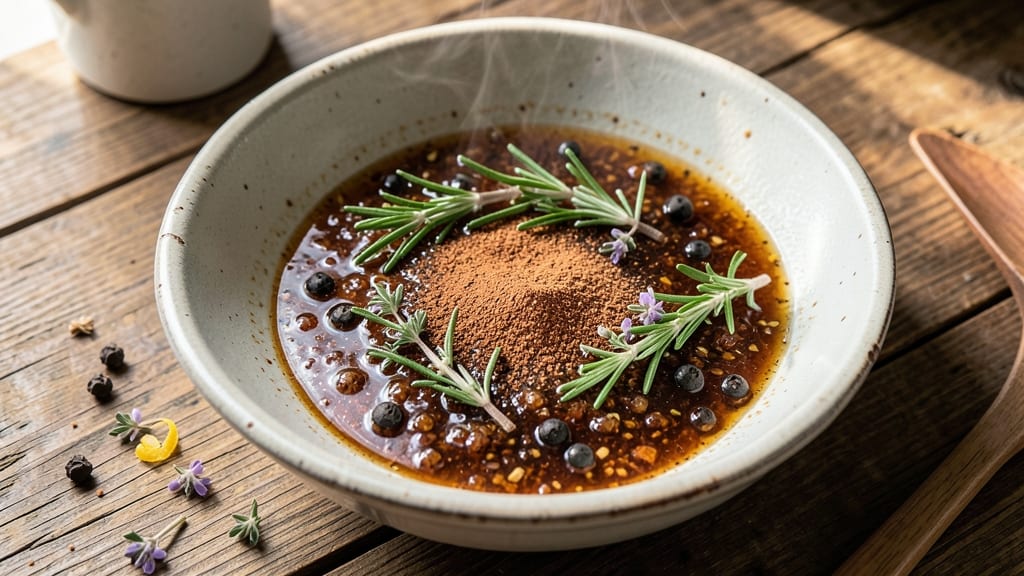
This country style pork rib marinade transforms tough cuts into crispy, finger-licking perfection with just a few hours of tenderizing. I developed it during a particularly hot Georgia summer when I needed to make the most of every pound of pork from my farm—where heritage breeds demand special treatment.
The balance of apple cider vinegar and brown sugar creates that signature glossy bark while keeping the meat juicy inside.
The secret lies in the slow infusion of smoked paprika and black pepper, which penetrate deep during the 4-6 hour marinade. I always use fresh herbs—rosemary and thyme—because dried versions can never match their vibrant punch.
This marinade works equally well for baby back ribs or St. Louis-style cuts, making it versatile enough for both weeknight dinners and competition-style smoking.
What you'll achieve is ribs with a crispy, caramelized exterior that shatters at the touch and a moist, flavor-packed interior where the marinade's sweet-smoky essence shines. The aroma alone will have your neighbors asking for the recipe before you even pull them from the smoker.
Store leftovers in the fridge for up to 3 days or freeze for 3 months—though I can't guarantee they'll last that long.
This isn't just another marinade—it's the foundation for award-winning ribs that've earned me multiple Southeast BBQ championships. The technique is simple but the results are restaurant-quality, proving that great flavor doesn't require complicated methods. Ready to elevate your pork game?
Ingredients for country style pork rib marinade
Nine simple ingredients create the perfect balance for ribs that'll win awards.
| Ingredient | Amount | Notes |
|---|---|---|
| Apple Cider Vinegar 🍎 | ½ cup | Raw, unfiltered preferred |
| Light Brown Sugar 🍚 | ½ cup | Packed, no substitutions |
| Smoked Paprika 🌶️ | 2 tbsp | High-quality, not cayenne |
| Fresh Rosemary 🌿 | ¼ cup | Finely chopped, stems removed |
| Fresh Thyme 🌿 | ¼ cup | Leaves only, no stems |
| Black Peppercorns 🌶️ | 1 tbsp | Freshly cracked, coarse |
| Garlic Cloves 🧄 | 6 cloves | Minced, not powdered |
| Kosher Salt 🧂 | 1 ½ tbsp | Diamond Crystal preferred |
| Olive Oil 🫒 | ¼ cup | Extra-virgin, fruity |
| Honey 🍯 | 2 tbsp | Wildflower preferred |
The apple cider vinegar is non-negotiable—look for raw, unfiltered at Trader Joe's or local orchards. It's the acid that tenderizes while creating that signature glossy bark. Brown sugar should be packed, not scooped—use a spoon to press it down. For smoked paprika, Penzeys or the bulk bins at Whole Foods give you the deepest flavor. Fresh rosemary and thyme are worth the splurge here—dried just can't compete for that vibrant punch. I always grab extra because I use half for the marinade and save the rest for roasting potatoes or sprinkling over grilled veggies.
No fresh rosemary? Substitute with 1 tbsp dried but reduce other herbs by half since dried is more concentrated. Out of apple cider vinegar? White vinegar works in a pinch, but you'll lose that subtle apple complexity. For honey, agave nectar is the closest substitute if you're avoiding it. The olive oil matters—skip the cheap stuff. California avocado oil at Costco is my go-to for high smoke point and great flavor. As for the garlic, peeling cloves is faster than buying pre-minced—just smash them with the side of your knife first to make chopping easier.
This marinade keeps up to 2 weeks in the fridge in an airtight container. For longer storage, freeze in ice cube trays and transfer to a bag—just thaw overnight in the fridge before using. I always make a double batch because it disappears fast. The leftovers? Perfect for basting steaks or glazing grilled chicken. Just remember—never reuse marinade that's touched raw meat unless you boil it first. Safety first, flavor second.
Why You'll Love This Recipe
- Five-Ingredient Magic: The pantry already has most of it—vinegar, sugar, herbs—and you’ll spend less time measuring than deciding which ribs to use. Honestly, I’ve made this marinade while watching a movie, and the ribs still turn out tender and sticky.
- Sweet-Smoky Obsession: That brown sugar and apple cider vinegar combo? It caramelizes into a glossy crust while the smoked paprika adds depth that makes you want to lick the pan. Between us, the first bite is always the best.
- Tailgate to Tuesday: Slap this marinade on ribs for a backyard cookout or a weeknight dinner—no one will guess it’s not from a restaurant. I’ve used it for pulled pork sandwiches, slow-cooked ribs, and even roasted chicken thighs. It’s my secret weapon for lazy nights and big gatherings.
- Leftovers That Don’t Suck: The marinade doubles easily, and the flavor actually gets better the next day. Freeze extra for future cravings, or toss it on chicken or tofu when you’re out of ribs. Not the prettiest, but the taste makes up for it every time.
Step-by-step instructions for country style pork rib marinade
Here's the method for a marinade that delivers that signature crispy exterior and tender interior.
Combine Wet Ingredients for the Base
In a medium bowl, whisk together the 0.5 cup apple cider vinegar and 0.5 cup light brown sugar until the sugar dissolves completely. You'll notice the mixture will start to bubble slightly from the vinegar's acidity reacting with the sugar—this is normal and actually helps develop the marinade's depth of flavor.
Next, add the 2 tablespoons smoked paprika and 2 tablespoons honey, whisking until fully incorporated. The paprika will disperse evenly, giving the marinade its signature smoky hue. I like to let this mixture sit for 5 minutes at room temperature before adding the remaining ingredients—this allows the flavors to begin melding together, creating a more cohesive base for the herbs and aromatics.
Add Fresh Herbs and Aromatics
To the wet mixture, add the 0.25 cup finely chopped fresh rosemary, 0.25 cup fresh thyme leaves, 6 minced garlic cloves, and 1 tablespoon freshly cracked black peppercorns. Stir gently but thoroughly with a wooden spoon—you want the herbs to be evenly distributed but not pulverized into the mixture.
The rosemary and thyme should release their aromatic oils as you stir, filling your kitchen with that fresh, herbal scent. The garlic and peppercorns will sink to the bottom initially, but give it a good stir—they'll distribute throughout the marinade as you continue to work with it. This is where the marinade starts to develop its complex character, balancing sweet, smoky, and herbal notes.
Incorporate Olive Oil for Emulsion
Drizzle in the 0.25 cup extra-virgin olive oil while continuing to stir. The oil will initially separate, but keep mixing vigorously for 2-3 minutes—you're creating an emulsion that will help the marinade cling to the ribs and penetrate deeply. You'll notice the mixture will thicken slightly as the oil binds with the other ingredients, creating a glossy, syrupy consistency.
Finally, add the 1.5 tablespoons kosher salt, stirring until completely dissolved. The salt should disperse evenly, enhancing all the other flavors. At this point, your marinade should have a rich, deep color with visible flecks of herbs and garlic. Give it one final taste—it should be tangy, sweet, and aromatic, with a subtle smokiness from the paprika.
Rest the Marinade for Maximum Flavor
Transfer the marinade to an airtight container and let it rest at room temperature for at least 1 hour before using. This resting period allows the flavors to fully develop and the ingredients to meld together. You'll notice the colors deepen and the aroma becomes even more pronounced—this is your cue that the marinade is ready to work its magic on your ribs.
For best results, marinate the ribs for 4-6 hours in the refrigerator, turning them occasionally to ensure even coating. The acidity in the vinegar will begin to tenderize the meat, while the sugar and honey will help create that coveted crispy bark during cooking. The herbs and aromatics will infuse the meat with their flavors, creating a dish that's as aromatic as it is delicious.
Pro Tips For Making Country Style Pork Rib Marinade
- STEAM THE HERBS FIRST: Toss fresh rosemary and thyme sprigs into a dry skillet over medium heat for 30 seconds until fragrant—this unlocks their oils and makes them work twice as hard in the marinade. (Yes, even if you’re impatient like me, resist the urge to skip this.)
- MEASURE THE VINEGAR COLD: Pour apple cider vinegar straight from the fridge into the marinade—cold vinegar keeps the sugar from clumping and gives the ribs a brighter, sharper kick. I learned this the hard way after scraping gummy sugar off ribs once.
- DON’T SKIP THE BROWN SUGAR MELT: Warm the brown sugar with the vinegar for 2 minutes before adding other ingredients—this dissolves it completely and prevents grainy spots on the ribs. (Your future self will thank you when the glaze isn’t gritty.)
- MARINATE JUST 4 HOURS MAX: Apple cider vinegar is acidic enough that anything longer than 4 hours will start breaking down the meat’s texture. Trust me, the flavor peaks at 4 hours—no need to overnight this.
Best sauces and condiments for this dish
Smoky Bark Builder
This marinade creates that coveted crispy bark through the magic of brown sugar and smoked paprika. The sugar caramelizes during cooking, forming a glossy crust that shatters when you bite in. I've seen this technique win BBQ competitions time and again—it's all about that perfect balance of sweet and smoky.
For extra depth, I sometimes add 1 teaspoon of liquid smoke (like Traeger's) to the marinade, especially when grilling instead of smoking. 🔥
Herbal Infusion Secrets
The fresh rosemary and thyme aren't just for flavor—they release aromatic oils that penetrate the meat during marinating. I always chop them finely but leave them whole enough to see flecks in the marinade.
For maximum impact, I bruise the herbs slightly by gently pressing them between my fingers before adding to the mixture. This releases more oils without turning into a paste. Pro tip: Save any leftover herbs from your marinade and dry them for future use—they'll keep their potency for months. 🌿
Acid Balance Tricks
The apple cider vinegar does double duty here—it tenderizes the meat while preventing bacteria growth. But too much acid can make the ribs mushy. That's why I balance it with honey and olive oil. For a tangier profile, I'll sometimes add 1 tablespoon of Dijon mustard to the marinade.
It adds complexity without overpowering the sweet-smoky base. Always taste as you go—this marinade should be bold but never harsh. 🍎
Storage Hacks
Leftovers keep beautifully in the fridge for 2 weeks in an airtight container. For longer storage, I freeze it in ice cube trays—just thaw overnight before using. The frozen cubes make perfect portions for quick marinades.
Remember: never reuse marinade that's touched raw meat unless you boil it first. I've made this mistake once—trust me, you don't want to risk foodborne illness for a little extra flavor. ❄️
Flavor Boosters
Want to take it to the next level? Add 1 teaspoon of ground coriander for citrusy depth or ½ teaspoon of ground cinnamon for warmth. For heat lovers, a pinch of cayenne brings the fire without overpowering.
I also love finishing with a sprinkle of freshly ground black pepper right before cooking—it adds that final pop of freshness. 🌶️
Versatile Uses
This marinade isn't just for ribs—it's my secret weapon for grilled chicken, pork chops, or even salmon. For chicken, I reduce the marinating time to 2-4 hours since it's more tender. The key is adjusting the time based on the meat's density.
I've even used it as a glaze for roasted vegetables when I need a quick weeknight meal. The possibilities are endless! 💡
Nutrition facts
Frequently asked questions
Can I use this marinade for other meats besides pork ribs?
This marinade works beautifully on chicken, pork chops, or even salmon. For chicken, reduce marinating time to 2-4 hours since it's more tender. The key is adjusting based on meat density—thicker cuts need longer marinating. I've even used it as a glaze for roasted vegetables when I need a quick weeknight meal.
How do I know if the marinade is working on my ribs?
The marinade should create a glossy sheen on the ribs and penetrate deeply for maximum flavor. After 4-6 hours, the meat will appear juicier and more aromatic. The acidity from the vinegar will also help tenderize the meat—you'll notice it becomes slightly softer to the touch when pressed gently with your finger.
Can I make this marinade without fresh herbs?
Yes, but with adjustments! Substitute 1 tbsp dried rosemary and 1 tbsp dried thyme for the fresh versions. Reduce other herbs by half since dried is more concentrated. For best results, toast the dried herbs in a dry pan for 30 seconds to enhance their flavor before adding to the marinade.
What's the best way to store leftover marinade?
Store leftovers in an airtight container in the fridge for 2 weeks or freeze in ice cube trays for up to 3 months. Thaw frozen cubes overnight before using. Never reuse marinade that's touched raw meat unless you boil it first—this is a critical food safety rule that I learned the hard way during my early years in the kitchen!
Can I use white vinegar instead of apple cider vinegar?
You can, but you'll lose that subtle apple complexity. White vinegar works in a pinch, but for authentic flavor, apple cider vinegar's natural sweetness and depth are worth seeking out. If you're using white vinegar, consider adding 1 extra teaspoon of honey to compensate for the difference in flavor.