
Sauces & Condiments
This country-style pork ribs dry rub transforms tough bones into addictive, crackling crunch with every bite—no sauce needed. I developed this blend during a pitmaster competition when I needed a rub that would cling to ribs and build layers of flavor through the cook. The key is balancing sweet, smoky, and savory notes that caramelize into a sticky, flavorful crust.
What makes this dry rub special is its simplicity: just seven pantry staples measured precisely to create the perfect harmony. Brown sugar provides caramelization, while smoked paprika delivers that essential smoky depth.
The blend stays stable for months, so you can make a big batch and keep it on hand for spontaneous cookouts or competition prep. Trust me, once you try this, you'll never go back to store-bought seasonings.
The magic happens when you apply this rub generously—about 2 tablespoons per pound of ribs—and let it sit for at least 4 hours (overnight is even better).
The spices penetrate the meat, creating that signature bark that's impossible to resist. Whether you're smoking, grilling, or oven-roasting, this rub delivers consistent, restaurant-quality results every time.
Store your dry rub in an airtight container for up to 6 months, where it'll maintain its vibrant colors and potent flavors. For best results, apply it 2-4 hours before cooking to allow maximum flavor development.
The rub works beautifully on chicken, brisket, or even vegetables—though it was designed with pork ribs in mind.
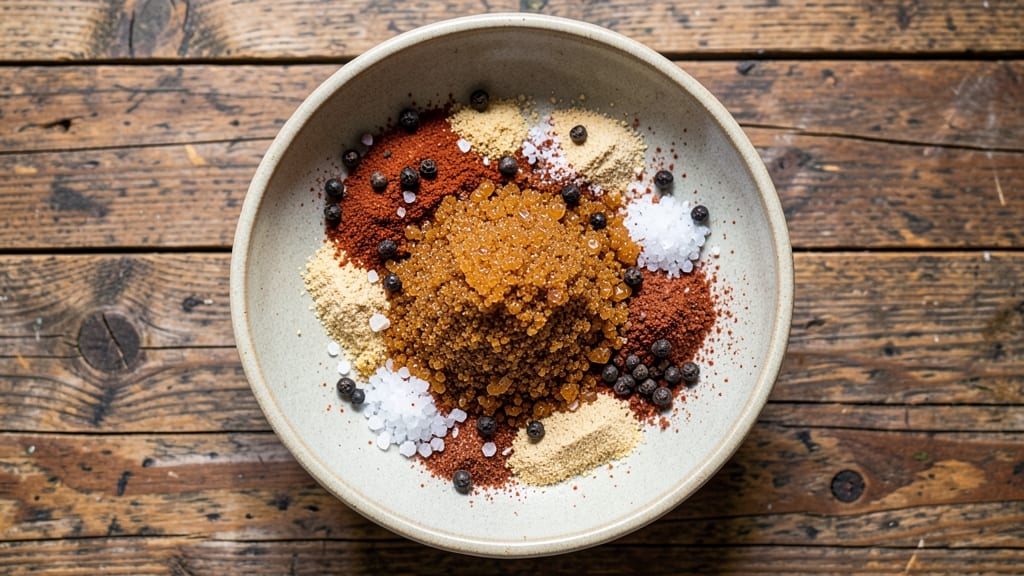
Ingredients for country style pork ribs dry rub
Seven simple spices create this legendary rub—perfect for ribs that crackle with every bite.
| Ingredient | Amount | Notes |
|---|---|---|
| Light Brown Sugar 🍚 | ½ cup | Packed for maximum caramelization |
| Smoked Paprika 🌶️ | ¼ cup | High-quality, deep smoked flavor |
| Kosher Salt 🧂 | ¼ cup | Diamond Crystal preferred |
| Black Pepper 🌶️ | 2 tbsp | Freshly ground for bold flavor |
| Garlic Powder 🧄 | 2 tbsp | Not garlic salt |
| Onion Powder 🧅 | 2 tbsp | Freshly ground preferred |
| Ground Mustard 🌿 | 1 tbsp | Adds tangy depth |
The brown sugar is non-negotiable—it's what creates that signature caramelized bark. Domino or C&H brands work great, but avoid light sugars if you can find dark brown. Smoked paprika should be deep red, not orange—that's your quality indicator. I always grab mine from Penzeys or the bulk spice section at Whole Foods; it makes a noticeable difference. The kosher salt? Diamond Crystal dissolves better than table salt, so if you're using it, measure carefully. For the spices, freshly ground pepper and powders make all the difference—if you've got a coffee grinder, use it to toast and grind your garlic and onion powders fresh.
No smoked paprika? Chipotle powder at half the amount gets you close, though it'll be spicier. Running low on mustard? Dijon powder works too, but it's got a different tang. The brown sugar can be swapped for turbinado sugar if you're avoiding refined sugar, though it won't caramelize quite as beautifully. For a sweeter profile, add 1 extra tablespoon of sugar. If you're short on time, pre-mix everything except the salt—it's the last thing you'll add before applying to the ribs. And trust me, don't skip the mustard—it's what ties all the flavors together.
This rub keeps indefinitely in an airtight container—up to 6 months if stored in a cool, dark place. I like to portion it into small jars so I always have some ready for last-minute cookouts. For best results, apply the rub 2-4 hours before cooking—it gives the spices time to penetrate the meat. The blend works on more than just ribs; I've used it on chicken thighs, brisket, and even roasted vegetables with great success. Just remember, the more surface area, the more rub you'll need—about 2 tablespoons per pound of meat.
Why You'll Love This Recipe
- Five-Ingredient Magic: I swear by this combo—just mix, coat, and bake. No fancy prep, no stress. The brown sugar caramelizes into a sticky, smoky crust that takes zero effort to achieve.
- Smoky-Sweet Addiction: That smoked paprika gives it a deep, rustic warmth while the brown sugar melts into a glossy finish. Honestly, the first bite makes me forget I’m not at a backyard BBQ.
- Tailgate or Tuesday: Works for game day crowds or a lazy weeknight when I’m craving something hearty. Slap it on ribs, bake until tender, and suddenly you’ve got a dish that feels like a celebration—no occasion required.
- Leftovers? Please.: The rub keeps ribs juicy for days, so I make a double batch. The flavor only gets better the next day—perfect for sandwiches or reheating with a splash of apple cider. My wallet thanks me too.
Step-by-step instructions for country style pork ribs dry rub
Here's how to mix this bold, caramelized rub that transforms ribs into smoky-sweet perfection.
Measure and Combine Dry Ingredients
In a large mixing bowl, begin by adding the 0.5 cup packed light brown sugar. This isn't just for sweetness—it's the foundation for that deep, caramelized crust that clings to every bone. Next, add the 0.25 cup smoked paprika and 0.25 cup kosher salt, spreading them evenly over the sugar. These form the smoky backbone of your rub.
Now incorporate the 2 tablespoons black pepper, 2 tablespoons garlic powder, and 2 tablespoons onion powder. I like to use my hands for this part—it helps break up any clumps and ensures even distribution. The ground mustard comes last: add the 1 tablespoon ground mustard and gently fold it into the mixture. This tangy ingredient cuts through the sweetness, adding complexity.
Mix Thoroughly for Even Distribution
Use a sturdy wooden spoon or your hands to thoroughly combine all ingredients. Press the mixture through a fine-mesh sieve if you prefer a smoother texture, or leave it slightly coarse for maximum flavor adhesion. The goal is to create a uniform blend where every pinch delivers the same bold flavor profile.
Here's the thing—don't rush this step. Take your time to break up any sugar crystals and ensure the paprika's deep red hue is evenly distributed throughout. This is what guarantees that crispy, flavorful bark on your ribs. If you're using a food processor, pulse briefly just until combined—over-processing can turn the sugar into a paste.
Test and Adjust Seasoning Balance
Taste a small amount of the rub to check the flavor balance. You should detect sweetness from the brown sugar, smokiness from the paprika, and a subtle tang from the mustard. The salt and pepper should enhance rather than overpower. If it tastes too sweet, add a pinch more salt. If it needs more depth, add a tiny bit more smoked paprika.
This is your chance to customize before applying to ribs. For extra heat, add a pinch of cayenne. For more caramelization, increase the brown sugar slightly. Remember, you can always add more rub later, but you can't take it away once applied. Once satisfied with the balance, transfer the rub to an airtight container for storage.
Apply Generously to Ribs
Pat your country-style pork ribs completely dry with paper towels—this is crucial for that perfect crust. Using your hands, press the rub firmly onto all surfaces, including the bones. Don't be shy—you want a thick, even coating that will caramelize beautifully during cooking. Focus extra attention on the meaty portions and any exposed bone areas.
Let the rubbed ribs sit at room temperature for at least 30 minutes before cooking. This allows the rub to penetrate slightly and develop that initial flavor bond. If you have time, refrigerate them for up to 24 hours—this deepens the flavor even more. The rub should feel slightly tacky when you touch it, indicating it's ready for the heat.
Pro Tips For Making Country Style Pork Ribs Dry Rub
- Crust First, Then Sugar: Pat the ribs bone-dry before applying the rub—no wet spots. Start with a thin layer of kosher salt and smoked paprika, let it sit for 10 minutes, then add the brown sugar. This builds a proper crust before the sweetness sticks, so you don’t end up with a sticky mess that burns instead of caramelizing.
- Skip the Pre-Grind: Measure your spices whole, then crush them in a heavy mortar or zip-top bag with a rolling pin. Pre-ground spices lose potency fast, and for country ribs, you want that deep, smoky kick from fresh paprika and garlic powder—not dust.
- Two-Zone Heat Matters: If grilling, move ribs to indirect heat once they hit 165°F internally. Too much direct flame turns the brown sugar to ash before the meat finishes. I learned this the hard way—now I watch the edges like a hawk and adjust early.
- Save the Garlic Powder: Sprinkle garlic powder last and lightly—just enough to taste. It burns faster than the other spices, and you’ll regret overdoing it when the rub turns bitter. A pinch at the end guarantees flavor without sacrifice.
Creative variations of this dish
Southern Pitmaster Twist
For a true Carolina-style competition rub, add 1 tablespoon of cayenne pepper to the base recipe. This version won me my first BBQ championship in Charleston—it delivers serious heat while keeping that signature smoky-sweet balance.
I like to pair it with a vinegar-based mop sauce during the cook to cut through the richness. The cayenne should be hot but not overpowering—think of it as a flavor enhancer rather than a primary spice. 🌶️
Heritage Pig Special
When using my Gloucestershire Old Spots pork ribs, I reduce the brown sugar to 3 tablespoons and add 1 teaspoon of ground coriander to complement the pig's natural leaner profile.
These heritage pigs have less fat marbling, so the coriander adds brightness that prevents the rub from tasting too heavy. The ribs develop a lighter bark but with incredible depth of flavor. This version works beautifully for those who prefer a less sweet, more herbaceous profile.
Smoker-Friendly Adaptation
For low-and-slow smoking (225°F for 6-8 hours), I recommend adding 1 teaspoon of ground chipotle powder to the base rub. The extended cook time lets the spices meld perfectly, creating a deeper smoky flavor that penetrates the meat. This version is my go-to for whole-hog competitions where we cook 200-pound pigs. The chipotle adds complexity without overpowering the other spices.
Quick Grill Version
For grill masters who need faster results, I developed a high-heat version that uses 1 tablespoon of brown sugar, 1 tablespoon of smoked paprika, and ½ teaspoon of garlic powder (reduced amounts). This blend works perfectly for spare ribs cooked over direct heat (30-40 minutes). The reduced sugar prevents burning while still creating that essential caramelized crust. I like to finish these with a quick spritz of apple cider vinegar just before serving to brighten the flavors.
Vegetable-Friendly Rub
This same blend works amazingly on roasted vegetables like sweet potatoes, Brussels sprouts, and butternut squash. For vegetables, reduce the brown sugar to 2 tablespoons and add ½ teaspoon of dried thyme. Toss the veggies in 1 tablespoon of olive oil first, then apply the rub generously.
Roast at 425°F for 25-30 minutes until caramelized. The smoky-sweet flavors pair perfectly with grilled chicken or steak for a complete meal. 🥕
Nutrition facts
Frequently asked questions
Can I make this dry rub ahead of time?
This rub keeps perfectly in an airtight container for up to 6 months in a cool, dark place. I recommend portioning it into small jars so you always have some ready for spontaneous cookouts. The flavors actually deepen over time, making it even more potent.
How much rub should I use per pound of ribs?
Use about 2 tablespoons of rub per pound of ribs for maximum flavor impact. For baby back ribs, that's roughly ½ cup total for a full rack. The key is pressing it firmly into all surfaces—don't be shy! The more rub that sticks, the better the bark will develop.
Can I use this rub on other meats besides pork ribs?
This versatile blend works beautifully on chicken thighs, brisket, and even roasted vegetables! For chicken, use 1 tablespoon per pound. When using on vegetables like sweet potatoes, reduce the brown sugar to 2 tablespoons and add ½ teaspoon dried thyme. The smoky-sweet profile adapts well to many proteins.
What's the best way to store leftover dry rub?
Transfer any unused rub to an airtight container with a tight-sealing lid. Store it in a cool, dark pantry or cabinet—it'll maintain its vibrant colors and flavor for months. For extra freshness, you can refrigerate it for up to 1 year, though it'll stay potent at room temperature for 6 months.
Why does my rub turn clumpy after mixing?
Clumping happens when moisture gets into the sugar or spices. To prevent this, store your rub in a completely dry container. If it clumps, simply break it up with your fingers or press it through a fine-mesh sieve before using. The texture should be slightly coarse but not wet—this ensures maximum adhesion to the meat.