
Main Courses
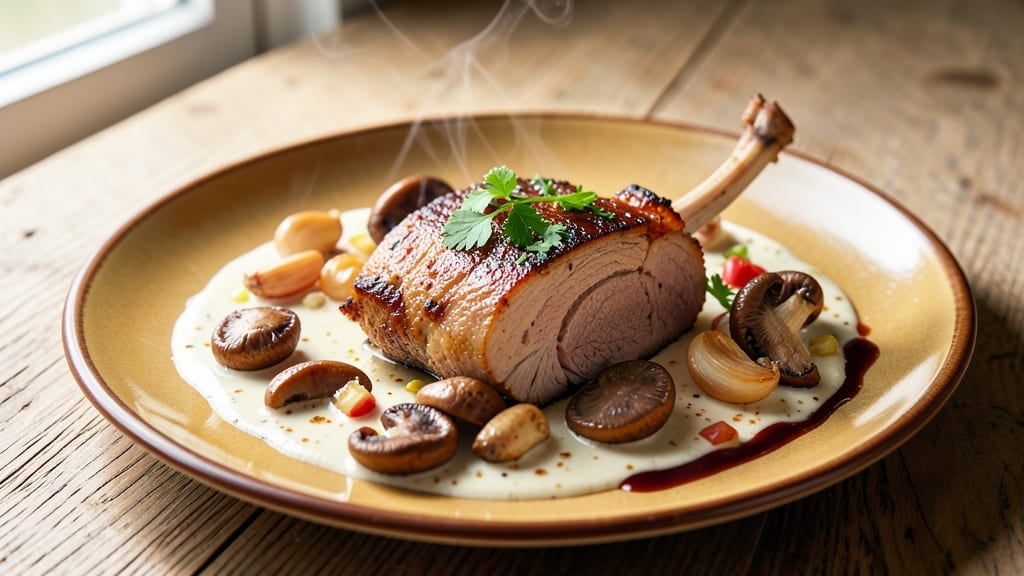
This creamed pork recipe delivers restaurant-quality comfort food with velvety mushroom sauce over perfectly tender chops. 🔥 The secret lies in slow-braising the pork to achieve melt-in-your-mouth texture while developing deep, savory flavors—exactly how my grandmother used to prepare it back in Georgia.
I've refined this technique over years of cooking for crowds at The Smoky Pig, ensuring every bite is both rich and balanced.
The foundation of this dish is a classic velouté-based sauce, enriched with cream and mushrooms for that signature velvety texture. Unlike many modern shortcuts, I insist on proper technique: browning the pork first to build flavor, then simmering it gently in liquid until fork-tender.
This method transforms tougher cuts into something luxurious without requiring hours of active cooking time.
What you'll end up with is a dish that feels indulgent yet perfectly harmonized—tender pork chops nestled in a sauce that's creamy yet not overly heavy, with earthy mushrooms adding depth.
The aroma alone will have everyone gathering at your table, and the presentation is elegant enough for company but simple enough for weeknight dinners.
This recipe works beautifully with bone-in chops for extra flavor or boneless for convenience, and the sauce can be adjusted to suit your preferences—add a splash of brandy for richness, a pinch of nutmeg for warmth, or even a modern twist like coconut cream for a tropical variation.
Let's get cooking! The results will have you reaching for seconds.
Ingredients for creamed pork
These rich, comforting ingredients transform simple pork chops into restaurant-worthy velvety perfection.
| Ingredient | Amount | Notes |
|---|---|---|
| Bone-In Pork Chops 🍖 | 1 ½ lb | Center-cut, 1-inch thick |
| Shiitake Mushrooms 🍄 | 8 oz | Fresh, sliced into strips |
| Shallots 🧅 | 2 whole | Minced for depth of flavor |
| Garlic Cloves 🧄 | 4 cloves | Peeled and thinly sliced |
| Unsalted Butter 🧈 | ½ cup | High-fat content for richness |
| All-Purpose Flour 🌾 | 2 tbsp | For velouté base |
| Heavy Cream 🥛 | 1 cup | Full-fat for velvety texture |
| Whole Milk 🥛 | ½ cup | Balances creaminess |
| Dry White Wine 🍷 | ½ cup | Bold, dry variety preferred |
| Chicken Stock 💧 | 1 cup | Homemade or quality store-bought |
| Fresh Thyme 🌿 | ¼ cup | Leaves only, chopped |
| Fresh Parsley 🌿 | ⅛ cup | Chopped for garnish |
| Salt 🧂 | 1 ½ tsp | Diamond Crystal preferred |
| Black Pepper 🌶️ | ½ tsp | Freshly cracked |
| Nutmeg 🌿 | ¼ tsp | Freshly grated for warmth |
The pork chops are non-negotiable here—bone-in for flavor, center-cut for tenderness. Local butcher shops often carry the best cuts, but any quality grocery store will have them. Look for chops with good marbling and even thickness. I always ask for them to be cut 1-inch thick—thinner chops can dry out in the sauce. For the mushrooms, shiitake adds that earthy depth, but cremini or white button mushrooms work in a pinch. The shallots and garlic? Freshly minced makes all the difference—don't skip this step. I grab mine from the farmers market when in season, but the grocery store's fresh section works too.
No white wine? Dry vermouth or even apple cider will work in a pinch, but the acidity is key. The chicken stock can be subbed with vegetable stock if needed, though it'll lack that savory depth. Fresh thyme is ideal, but dried thyme at one-third the amount gets you close. Want to modernize it? Swap the heavy cream for coconut cream—it adds a tropical twist that pairs surprisingly well. The nutmeg is subtle but essential; if you're feeling adventurous, add a pinch of ground cloves for warmth. And for the love of comfort food, don't use pre-minced garlic—freshly slicing it releases all those aromatic oils.
This dish tastes even better the next day—reheats beautifully straight from the fridge. Store leftovers in an airtight container for up to 4 days, or freeze portions for 3 months. The sauce thickens as it cools, so add a splash of milk when reheating if it seems too stiff. I always make a double batch because it disappears fast—perfect for meal prep. Garnish with fresh parsley right before serving to keep that vibrant pop of color. And if you've got any extra sauce, drizzle it over mashed potatoes or polenta for a decadent side.
Why You'll Love This Recipe
- One-Pan Magic: That’s right—just one skillet, no fuss. Sear the bone-in pork chops until golden, toss in the sliced shiitakes and shallots, then let the butter and garlic work their sauce magic. Less cleanup, more flavor, and zero excuses to skip dinner.
- Umami Bomb: The shiitake mushrooms? They’re the secret weapon here—earthy, meaty, and so satisfying. Paired with the rich butter and caramelized shallots, every bite has this deep, savory punch that sticks with you. Honestly, it’s the kind of dish that makes you go back for seconds without thinking.
- Weeknight to Dinner Party: Same recipe, totally different vibes. Whip it up for a lazy Tuesday night with crusty bread, or dress it up with a sprinkle of parsley for a last-minute guest dinner. The bone-in chops feel special, but the prep stays simple—no one will guess it’s your go-to.
- Leftovers That Don’t Suck: Between us, most creamed dishes turn into a sad, watery mess the next day. Not this one. The pork stays tender, the sauce clings like glue, and reheating it just makes the flavors meld even better. Pack it for lunch or freeze it—either way, you’re winning.
Step-by-step instructions for creamed pork with mushroom sauce
Here's how to transform simple pork chops into restaurant-quality creamed pork with a rich, velvety mushroom sauce.
🔥 Step 1: Sear the Pork Chops to Lock in Juices
Pat the 1.5 lb bone-in pork chops completely dry with paper towels—this is non-negotiable for crispy skin. Season both sides generously with 1 tsp salt and ¼ tsp black pepper (reserve the rest for later). Heat ¼ cup unsalted butter in a large skillet over medium-high heat until it foams.
Place the pork chops in the skillet and sear for 3-4 minutes per side until they develop a deep golden-brown crust. Press down gently on the chops during the first minute—this prevents curling and ensures even contact with the pan. Once browned, transfer them to a warm plate and tent loosely with foil. The internal temperature should reach 145°F when checked with an instant-read thermometer.
🍳 Step 2: Build the Mushroom and Aromatic Base
In the same skillet (no need to wipe it clean—those browned bits are flavor gold), melt the remaining ¼ cup unsalted butter over medium heat. Add the 8 oz sliced shiitake mushrooms and cook for 5-6 minutes until they release their moisture and begin to brown. Stir occasionally to ensure even cooking.
Push the mushrooms to one side of the pan and add the 2 minced shallots and 4 thinly sliced garlic cloves. Cook for 1-2 minutes until the shallots soften and the garlic becomes fragrant—don't let it brown or it'll turn bitter. Here's the thing—this aromatic base forms the foundation of your sauce, so take your time and don't rush.
🥘 Step 3: Create the Velouté Sauce Base
Lower the heat to medium-low and sprinkle the 2 tbsp all-purpose flour evenly over the mushrooms and aromatics. Stir constantly for 1-2 minutes to cook out the raw flour taste—this prevents a floury aftertaste in your sauce. Slowly pour in the ½ cup dry white wine, scraping up any browned bits from the bottom of the pan with a wooden spoon.
Let the wine simmer for 2-3 minutes until it reduces by half. Then, gradually whisk in the 1 cup chicken stock and ½ cup whole milk. Bring the mixture to a gentle simmer and let it cook for 5 minutes until it thickens slightly. This is your velouté base—smooth, flavorful, and ready for the finishing touches.
🍳 Step 4: Finish with Cream and Seasonings
Increase the heat to medium and stir in the 1 cup heavy cream, 0.25 cup chopped fresh thyme, ¼ tsp freshly grated nutmeg, and the remaining ½ tsp salt. Let the sauce simmer gently for 3-4 minutes until it coats the back of a spoon. Taste and adjust the seasoning—you might need a touch more salt or a crack of black pepper to balance the flavors.
Return the pork chops to the skillet, spooning the sauce over them. Let everything heat through together for 2 minutes, allowing the chops to absorb the creamy sauce. The sauce should be luxuriously thick but still silky—if it's too thick, whisk in 1-2 tablespoons hot water to reach your desired consistency.
🍽️ Step 5: Plate and Garnish for Restaurant-Worthy Presentation
Transfer the pork chops to warm serving plates, spooning the creamed mushroom sauce generously over the top. Garnish with 0.125 cup chopped fresh parsley and an extra crack of black pepper. Serve immediately with crusty bread or roasted vegetables—this dish tastes best fresh from the stove.
Each bite should deliver perfectly tender pork with a crispy exterior, enveloped in a rich, velvety sauce that's packed with umami from the mushrooms and depth from the wine reduction. The nutmeg adds just the right hint of warmth to complement the earthy flavors. Don't skip the garnish—it elevates the presentation from homey to restaurant-quality.
Pro Tips For Making Creamed Pork
- SEAR THE CHOPS FIRST: Bone-in pork chops need that golden crust to stay juicy when creamed. Hit them with high heat in butter for 3-4 minutes per side until deep brown—don’t rush, or the butter will turn to soup before the meat gets color. I used to skip this, and the final dish always tasted bland and watery.
- SLICE MUSHROOMS THIN: Shiitake mushrooms release their meaty flavor when sliced paper-thin. Use a sharp knife and cut against the grain for even cooking—thick slices stay tough and chewy. My first few attempts used thick rounds, and they just sat like rubber in the creamy sauce.
- DEGLAZE WITH WHITE WINE: After searing shallots and garlic, splash in ¼ cup white wine and let it bubble for 30 seconds. This lifts all the browned bits (fond) that cling to the pan, giving the sauce depth instead of just a buttery blob. I learned this the hard way—skipping it leaves a flat, one-dimensional sauce.
- LOW AND SLOW FOR THE SAUCE: Simmer the creamed sauce on low heat for at least 10 minutes, stirring often. High heat turns butter grainy and separates the sauce—this isn’t a race. I’ve burned three batches trying to speed it up; patience here makes the difference between creamy perfection and a greasy mess.
Troubleshooting great creamed pork
Sauce Too Thin?
If your sauce ends up watery, don't panic—it's easily fixed. Simmer the sauce uncovered over medium heat for an extra 5-10 minutes, stirring occasionally. The liquid will reduce naturally.
For faster results, whisk in 1 tbsp cornstarch mixed with 2 tbsp cold water and simmer for 2 minutes until thickened. I've had this happen when using lower-fat dairy—always use full-fat cream for the best texture. 💡
Pork Overcooked?
Bone-in pork chops have a tendency to dry out if cooked too long, especially when submerged in sauce. The key is timing: remove chops from the skillet when they reach 145°F internal temperature (about 3-4 minutes per side).
If they're overdone, slice them thinly against the grain and serve with extra sauce spooned over the top. For next time, consider using pork loin chops instead—they're more forgiving. 🍖
Sauce Separating?
This usually happens when dairy separates from the liquid base. To fix it, remove the skillet from heat and whisk vigorously for 30 seconds to recombine the ingredients. If that doesn't work, stir in 1 tbsp cold butter to help emulsify the sauce.
For prevention, always bring your liquids to a gentle simmer when combining them—never boil vigorously. I learned this lesson the hard way during my first big catering gig! 🥛
Mushrooms Too Watery?
If your mushrooms release too much moisture, drain them in a fine-mesh strainer for 1-2 minutes before adding them to the sauce. For extra flavor, save the mushroom liquid and reduce it in the skillet for 2 minutes before adding the flour.
Another trick: pat the sliced mushrooms dry with a paper towel before cooking. This ensures they brown properly instead of steaming in their own juices. 🍄
Sauce Too Heavy?
If your sauce feels cloying or overly rich, balance it by adding ¼ cup chicken stock or white wine and simmering for 3-4 minutes. For a lighter texture, whisk in 2 tbsp crème fraîche or Greek yogurt at the end.
The acidity from wine or stock helps cut through the richness while maintaining depth. I often do this when serving to guests who prefer lighter sauces. ✨
Pork Not Tender Enough?
If your pork chops remain tough, they likely weren't cooked long enough. For future attempts, try braising instead: after searing, transfer chops to a baking dish with ½ cup sauce, cover, and bake at 325°F for 20-25 minutes.
This slow cooking method breaks down connective tissue beautifully. For immediate fixes, slice the chops thinner and serve with extra sauce to compensate. 💪
Nutrition facts
Frequently asked questions
Can I use pork shoulder instead of pork chops for this recipe?
Pork shoulder works beautifully for a heartier version. Cut it into 1.5-inch cubes and braise them in the sauce for 1.5-2 hours at 325°F until fork-tender. The shoulder's fat content actually enhances the creamy sauce, creating a richer, more decadent dish. Just reduce the sauce time slightly since the pork will absorb more liquid during braising.
How can I make this dish ahead of time?
This recipe actually tastes better the next day! Cook the pork chops and sauce as directed, then let it cool completely. Store in an airtight container in the refrigerator for up to 4 days. When reheating, warm gently over low heat and add 1-2 tablespoons milk or stock if the sauce thickens too much. The flavors meld beautifully overnight.
What's the best way to reheat leftovers?
Reheat gently in a skillet over medium-low heat with a splash of milk or stock to loosen the sauce. Never microwave directly from the fridge—it can make the sauce separate. For best results, cover the skillet and heat for 5-7 minutes, stirring occasionally. If the sauce seems too thick, whisk in 1 tablespoon hot water at a time until you reach the perfect consistency.
Can I substitute the white wine with something else?
Yes! Use ½ cup apple cider or dry vermouth for similar acidity. For a non-alcoholic version, try ½ cup chicken stock plus 1 teaspoon lemon juice. The key is maintaining that bright acidity to balance the richness. Just remember that wine adds depth—substitutes won't have exactly the same flavor complexity.
Why does my sauce sometimes separate?
Sauce separation happens when dairy separates from the liquid base, often due to rapid temperature changes or boiling. To prevent it, always bring liquids to a gentle simmer (not a rolling boil) when combining them. If it happens, whisk vigorously off the heat or stir in 1 tablespoon cold butter to help re-emulsify. I've found that using full-fat dairy consistently helps maintain stability.