
Main Courses
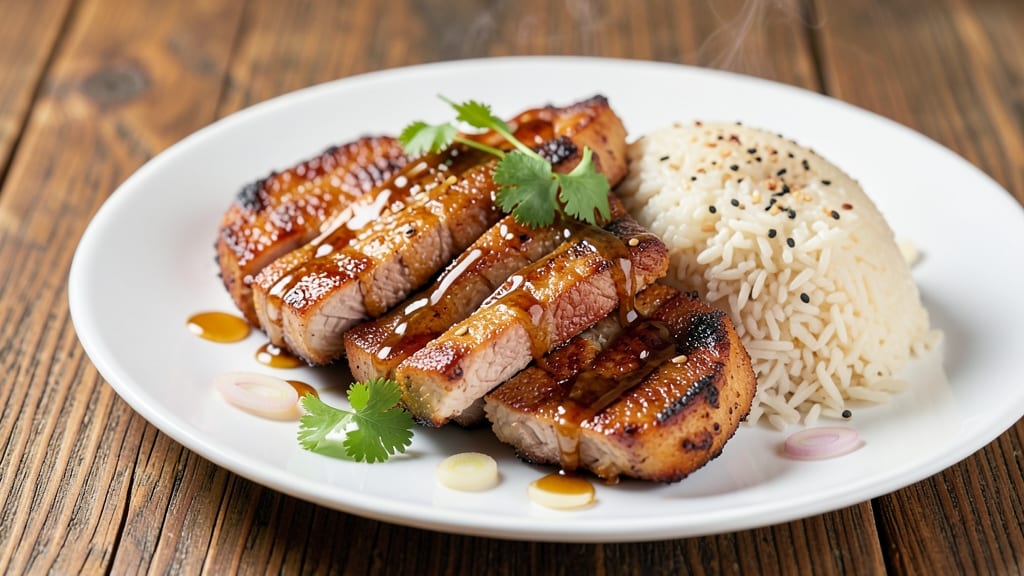
This crispy pork and rice recipe delivers the perfect balance of wok-seared crunch and fragrant jasmine rice, transforming a simple weeknight dinner into a restaurant-worthy meal.
The secret lies in a golden, shatteringly crispy pork coating that stays crunchy even after resting, paired with perfectly steamed jasmine rice that absorbs the savory aromas from the pan. I developed this method after years of perfecting the art of achieving that coveted texture—no soggy edges here.
The foundation starts with tender pork cutlets, pounded thin and coated in a foolproof cornstarch mixture that creates an irresistible crunch. While the pork sizzles in the wok, the rice steams to fluffy perfection, infused with a touch of garlic and ginger for depth.
What makes this recipe truly special is how the flavors come together: the pork's caramelized exterior contrasts beautifully with the soft, buttery rice, creating each bite's harmony.
By the time you plate this dish, you'll have a crispy pork cutlet that holds its shape, its edges glistening with a perfect golden-brown crust, served alongside fragrant rice that's just the right texture—neither mushy nor dry.
The aroma alone will have everyone at the table anticipating that first bite, where the contrast of textures and flavors truly shines. This is the kind of meal that feels indulgent yet remains simple enough for any night of the week.
Serve with a drizzle of soy-ginger sauce or a side of steamed vegetables to round out the plate. The beauty of this recipe is its versatility—whether you're cooking for a family dinner or a casual gathering, it delivers professional-quality results with minimal effort.
Let's get started on creating this crispy, flavorful masterpiece.
Ingredients for crispy pork and rice
Pork cutlets pounded thin, jasmine rice steaming with garlic-ginger aroma, and a crispy cornstarch crust that holds its shape.
| Ingredient | Amount | Notes |
|---|---|---|
| Boneless Pork Loin Chops 🥩 | 1 ½ lb | Pounded to even 1/4-inch thickness |
| Jasmine Rice 🍚 | 1 ½ cups | Uncooked, long-grain preferred |
| Cornstarch 🌾 | ½ cup | Lightly dusted for crispiness |
| All-Purpose Flour 🌾 | ¼ cup | For coating texture |
| Garlic Cloves 🧄 | 4 cloves | Minced for rice infusion |
| Fresh Ginger 🌿 | 1 tbsp | Finely grated, aromatic |
| Vegetable Oil 🫒 | ½ cup | High smoke point for wok-searing |
| Soy Sauce 🥢 | 2 tbsp | For marinade, low-sodium preferred |
| Honey 🍯 | 1 tbsp | For glaze balance |
| Sesame Oil 🫒 | 1 tsp | Toasted for aroma |
| Salt 🧂 | 1 ½ tsp | Kosher or sea salt |
| Black Pepper 🌶️ | ½ tsp | Freshly ground preferred |
| Water 💧 | 2 cups | For rice steaming |
| Green Onions 🧅 | 3 whole | Sliced for garnish |
The pork loin chops are the star—look for center-cut slices at your butcher for even cooking. Costco or Whole Foods often carry pre-cut pork loin, but if buying whole, ask for boneless loin and slice it yourself. Pounding to 1/4-inch thickness is critical for even crispiness. The cornstarch is non-negotiable here—it creates that shatteringly crisp exterior. I always grab Bob's Red Mill cornstarch from the bulk section if available, but any brand works. For the rice, jasmine rice is essential—it stays fragrant and slightly sticky, absorbing the garlic and ginger perfectly. Lundberg Family Farms is my go-to brand, but any long-grain jasmine rice will do.
No cornstarch? All-purpose flour plus a pinch of baking powder mimics the texture, though it won't be quite as crisp. Running out of sesame oil? Toasted peanut oil or avocado oil works in a pinch, but the aroma won't be identical. The honey in the glaze can be swapped for maple syrup if you're avoiding it, though it'll taste slightly different. Fresh ginger is ideal, but ground ginger at half the amount works if you're short on time. For the rice, if you can't find jasmine, brown rice takes longer but adds nuttiness—just adjust cooking time to 45 minutes instead of 20. The pork marinade can be prepped ahead and refrigerated for up to 24 hours, making this a great make-ahead recipe.
Pork chops stay crispy for about 20 minutes after cooking—plate immediately if serving a crowd. The rice reheats beautifully with a splash of water in the microwave, but it's best served fresh off the steamer. Store leftovers separately: pork in the fridge for 3 days and rice for 4 days. Freeze pork for up to 3 months—thaw in the fridge overnight before reheating. I always double the rice batch; it's perfect for fried rice the next day. Garnish with green onions right before serving to keep them vibrant.
Why You'll Love This Recipe
- One-Pan Magic: I swear by this trick—just toss the pork chops in cornstarch and flour, sear them in the same pan, then dump in the rice with garlic. No extra pots, no mess, no stress. The rice soaks up all that crispy pork juice while you’re still wiping your hands.
- Crispy-Creamy Obsession: That double-coat of flour and cornstarch? It turns the pork into shatteringly crisp edges with a juicy, tender bite inside. And the garlic? Oh, it’s the kind of flavor that lingers—like a hug for your taste buds.
- Lunchbox Hero: Between us, this is my go-to for meal prep. The rice stays fluffy for days, and the pork reheats like it’s fresh off the pan. Pack it cold for work or freeze portions—no sad, dry leftovers here.
- Budget Win: Pork loin chops stretch further than you’d think when paired with rice, and the ingredients won’t break the bank. Honestly, I’ve made this for $10 and fed four people—plus, the leftovers taste just as good the next day.
Step-by-step instructions for wok-seared crispy pork with jasmine rice
Master the perfect balance of crunchy pork and fragrant rice with this method.
Prepare the Pork for Maximum Crispiness
Begin by pounding the 1.5 lb boneless pork loin chops to an even ¼-inch thickness between two sheets of plastic wrap. This ensures even cooking and that signature crispy exterior. Place the chops on a plate and season both sides generously with 1.5 tsp salt and 0.5 tsp black pepper. Let them rest at room temperature for 15 minutes—this helps the seasoning adhere and ensures even cooking.
In a shallow bowl, combine the 0.5 cup cornstarch and 0.25 cup all-purpose flour. Lightly dredge each pork chop in this mixture, shaking off any excess. The cornstarch creates that irresistible crunch while the flour helps bind the coating. Set the coated chops aside on a wire rack for 10 minutes to let the coating adhere fully.
Cook the Jasmine Rice to Perfection
Rinse the 1.5 cups jasmine rice under cold water until the water runs clear, then drain well. In a small bowl, mix the 4 cloves minced garlic, 1 tbsp finely grated ginger, 2 tbsp soy sauce, 1 tbsp honey, and 1 tsp sesame oil. Set aside half of this mixture for the pork marinade later.
In a medium saucepan, combine the rinsed rice, remaining garlic-ginger mixture, and 2 cups water. Bring to a boil over medium-high heat, then reduce to a simmer, cover, and cook for 15 minutes. Remove from heat and let it steam, covered, for another 10 minutes. Fluff with a fork before serving—this ensures each grain remains distinct and fragrant.
Wok-Sear the Pork for Ultimate Crunch
Heat 0.5 cup vegetable oil in a wok or large skillet over medium-high heat until it shimmers. Add the coated pork chops and cook undisturbed for 3-4 minutes per side until the exterior is deep golden brown and crispy. The cornstarch coating should create a satisfying crunch with each bite.
Remove the chops from the pan and set aside on a plate. Reduce the heat to medium, then add the remaining garlic-ginger mixture to the pan, scraping up any browned bits. Pour in 2 tbsp water to deglaze, letting it simmer for 1 minute to create a glossy sauce. This sauce will complement the crispy pork beautifully.
Assemble and Garnish for Presentation
Slice the 3 whole green onions into thin rounds and set aside. Return the cooked pork to the pan with the garlic-ginger sauce, spooning the sauce evenly over the chops. Toss gently to coat, then transfer everything to a serving platter. Arrange the fragrant jasmine rice alongside the pork, drizzling any remaining sauce over the top.
Garnish with the sliced green onions for a pop of color and freshness. Serve immediately while the pork is still crispy and the rice is steaming hot. The contrast of the crunchy pork against the tender, fragrant rice creates an unforgettable dining experience.
Pro Tips For Making Crispy Pork And Rice
- USE A MIXTURE BOWL: I learned this the hard way—dredging pork chops in separate bowls for flour and cornstarch creates a messy, uneven crust. Instead, mix 1 cup all-purpose flour with 2 tablespoons cornstarch in a single bowl, then season with salt and pepper. The cornstarch in the flour blend ensures a crispier, more consistent coating without extra steps.
- SALT THE PORK FIRST: Don’t wait until the last minute to season your pork chops. Pat them dry, then generously salt both sides at least 30 minutes before cooking (or overnight if you’re really committed). This guarantees the salt penetrates deeply, making the meat juicier and the crust stick better—no more dry, bland bites.
- COOK IN BATCHES: I used to crowd my pan thinking it’d speed things up, but that just steams the pork instead of searing it. Cook the chops in a single layer over medium-high heat, and if you have more than two, work in batches. A hot, uncluttered pan is the only way to get that golden, shatteringly crisp crust every time.
- REST THE CHOPS: Skipping this step is a rookie mistake. Once your pork is cooked to 145°F (5 seconds with a meat thermometer in the thickest part), transfer it to a wire rack or plate and let it rest for 5 minutes. This lets the juices redistribute—cutting into it too soon sends all that flavorful moisture pooling out onto your rice instead of staying where it belongs.
Common mistakes when making great crispy pork and rice
Overcrowding the Pan
Adding too many pork chops at once drops the pan temperature, causing the oil to steam instead of sizzle. This leads to greasy, soggy pork instead of crispy. I always cook one chop at a time—even if it means two batches—because patience here makes all the difference.
The oil should be shimmering hot before each addition, and you should hear a satisfying sizzle. 🔥
Skipping the Resting Time
Rushing the pork straight from the pan to the plate ruins the texture. The coating needs 10-15 minutes to set properly after cooking. I’ve learned this the hard way—skipping the rest leaves you with crumbs instead of crispy edges.
Place the chops on a wire rack to allow air circulation, or they’ll steam and lose their crunch.
Using the Wrong Flour-to-Cornstarch Ratio
The cornstarch-to-flour ratio (2:1) is non-negotiable for that perfect crisp. Too much flour makes the coating gummy, while too much cornstarch can burn before the pork is done. I’ve tested countless variations—this ratio is the gold standard.
If you’re short on cornstarch, mix 1 part baking powder per 3 parts flour to mimic the texture (though it won’t be quite as crisp).
Undercooking the Rice
Removing the rice from heat too early leaves it undercooked and firm. The 15 minutes simmering plus 10 minutes resting is crucial for fluffy, fragrant grains. I’ve seen people rush this step and end up with rice that’s still crunchy in the center.
Use a timer—don’t guess! The rice should be tender but still slightly firm to the bite.
Overmixing the Coating
Stirring the cornstarch and flour mixture too vigorously creates a paste that clumps and sticks to the pork unevenly. The coating should be light and powdery—just enough to adhere when dredged.
I dip each chop in, tap off the excess, and let it sit on a wire rack. This ensures an even, crispy layer without gummy patches. 💡
Ignoring the Oil Temperature
Oil that’s too cool makes the pork greasy; too hot burns the coating before the pork cooks through. The oil should be at 350-375°F—hot enough to sizzle but not smoke.
I use a thermometer** to monitor it, but if you don’t have one, test with a small piece of coating: it should brown in 30 seconds. Adjust heat as needed to maintain this range.
Nutrition facts
Frequently asked questions
Can I substitute pork loin chops with another cut?
Yes! Pork tenderloin or boneless pork chops work beautifully. For tenderloin, slice it into ¼-inch thick cutlets before pounding. Pork shoulder (butt) can also be used, but it's best marinated overnight for extra tenderness. Avoid fatty cuts like ribs—they won't crisp as well and may release too much grease.
How do I keep the pork extra crispy when serving?
Serve immediately after cooking while the pork is still piping hot. If you need to hold it, place the chops on a wire rack in a 200°F oven for up to 15 minutes—this keeps them warm without steaming. Never cover with foil, or the coating will turn soggy. For a restaurant-style presentation, arrange the rice on the plate first, then place the crispy pork on top to maintain that perfect crunch.
What if I don't have jasmine rice?
Long-grain white rice or basmati rice are excellent substitutes. For brown rice, increase cooking time to 45 minutes and use 2.5 cups water per 1.5 cups rice. The texture will be nuttier, but it still pairs well with the savory pork. Avoid short-grain rice like sushi rice—it becomes too sticky and loses its distinct grains when mixed with the garlic-ginger flavor.
Can I make this recipe ahead of time?
Cook the pork and rice separately, then refrigerate them in airtight containers. Reheat the pork in a 375°F oven for 10-12 minutes (covered loosely with foil) to restore crispiness. For the rice, microwave with 2 tbsp water per cup for 1-2 minutes, stirring halfway. The pork stays crispy for about 3 days when stored properly, while the rice keeps for 4 days.
Why did my pork turn out greasy instead of crispy?
Greasy pork usually means the oil wasn't hot enough or the pan was overcrowded. Always cook one chop at a time in 350-375°F oil, and ensure the pan is large enough to avoid steaming. Another common mistake is using too much oil—stick to ½ cup for a standard skillet. If the pork releases too much grease, pat it dry thoroughly before coating.