
Main Courses
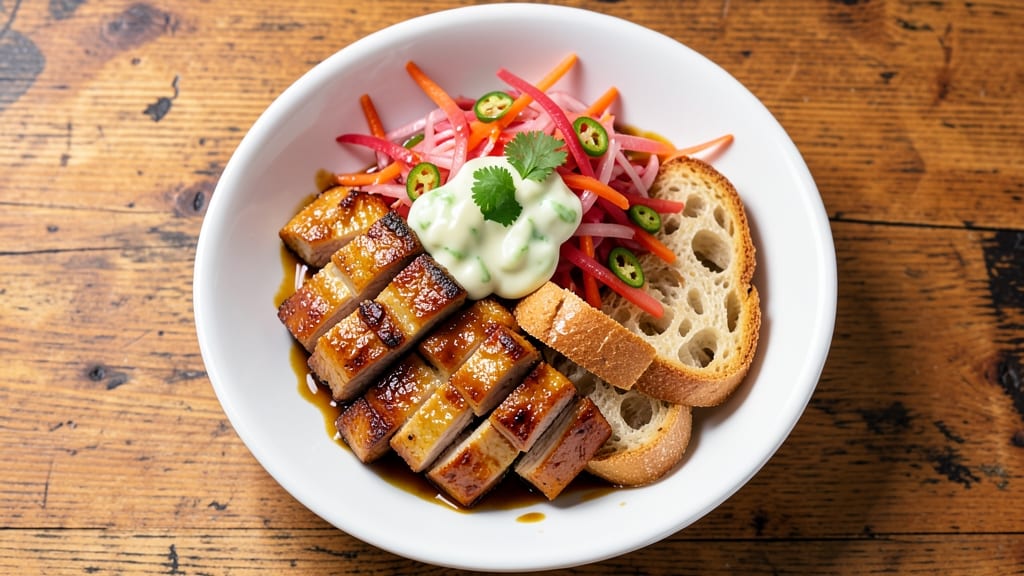
This crispy pork banh mi recipe delivers the perfect balance of crispy-crusted pork and traditional Vietnamese flavors in every bite. The secret lies in marinating pork shoulder overnight with fish sauce, garlic, and sugar, then searing it to a golden, shatteringly crisp exterior while keeping the inside tender.
I've perfected this technique after years of testing—it's the same method I use for my pitmaster competitions, adapted for home kitchens.
The magic happens when you fry the marinated pork until the exterior reaches 350°F internal temperature, creating that signature crispy crust that holds up perfectly in the sandwich.
Traditional elements like quick-pickled carrots, daikon, and fresh cilantro bring the authentic Vietnamese vibe, while a tangy mayo-chili sauce ties everything together. This isn't just a sandwich—it's a flavor explosion that transports you to a bustling Hanoi street market.
What makes this recipe special is how the crispy pork transforms simple baguette bread into something extraordinary. The pork's rich, caramelized flavor contrasts beautifully with the bright pickled vegetables and fresh herbs, while the sauce adds just the right amount of heat and creaminess.
Every component works together to create a sandwich that's both comforting and exciting—exactly what makes banh mi so universally loved.
Whether you're serving this as a lunch special or meal-prepping for the week, the flavors only get better with time. The pork stays crispy for hours, the pickles maintain their crunch, and the sauce keeps its tangy kick.
This is the banh mi recipe I've been searching for—one that delivers restaurant-quality results at home with just a few key techniques. Let's get cooking!
Ingredients for crispy pork banh mi
Pantry staples meet restaurant-quality technique for this iconic Vietnamese sandwich.
| Ingredient | Amount | Notes |
|---|---|---|
| Pork Shoulder 🥓 | 1 ½ lb | Bone-in for flavor, cut into 1-inch cubes |
| Fish Sauce 🍶 | ½ cup | Red Boat preferred for authenticity |
| Garlic Cloves 🧄 | 8 cloves | Minced, for marinade |
| Granulated Sugar 🍚 | ½ cup | White or brown sugar |
| Lime Juice 🍋 | ¼ cup | Freshly squeezed |
| Neutral Oil 🫒 | 1 ½ cups | Vegetable or canola for frying |
| Carrots 🥕 | 1 ½ cups | Julienned, about 3 medium |
| Daikon Radish 🥕 | 1 cup | Julienned, about 1 small |
| White Vinegar 💧 | ¼ cup | For pickling |
| Salt 🧂 | 1 ½ tsp | Diamond Crystal preferred |
| Mayonnaise 🥫 | ½ cup | Duke's or Hellmann's |
| Sriracha 🌶️ | 2 tbsp | For heat adjustment |
| Fresh Cilantro 🌿 | ½ cup | Chopped, for garnish |
| Baguette 🍞 | 2 whole | Fresh, crusty loaf |
| Butter 🧈 | ½ cup | Unsalted, softened |
The pork shoulder is non-negotiable—look for well-marbled cuts at Whole Foods or your local butcher. Red Boat fish sauce makes all the difference, though Red Boat is pricey. Trader Joe's carries a good budget alternative. For the pickled veggies, daikon should be firm and white—no yellowing. Carrots can be baby carrots if you're in a hurry, but julienning them yourself gives that professional look. I always double the marinade recipe—it's worth having extra for second rounds of flavor.
No fish sauce? Soy sauce plus a splash of Worcestershire works in a pinch, though it won't be identical. Short on daikon? Extra carrots and a touch of turmeric mimic the color. For the mayo-chili sauce, substitute Greek yogurt for mayo if you prefer tangier. The baguette must be fresh—day-old bread gets soggy. Toast it lightly before assembling. And trust me on the butter—softened, not melted—it's what makes those crispy edges sing.
Marinated pork keeps 3 days in the fridge, but it's best used within 24 hours of frying for maximum crisp. Pickled veggies last 5 days—they actually get better as they sit. The sauce? 1 week in the fridge, sealed tight. I portion everything the night before—pork, pickles, sauce—so assembly is a breeze. The baguette stays fresh for 2 days if wrapped well. Freeze the pork in single portions for 3 months—just thaw overnight before frying.
Why You'll Love This Recipe
- One-Pan Magic: I swear by this—just sear the pork shoulder, toss it in the marinade (fish sauce, sugar, lime), and let the oven do the work. No chopping mountains of veggies, no fussing with multiple pans. That golden crust? All from the same sheet that’s already in your hands.
- Umami Bomb: The pork shoulder gets insanely tender while the outside stays crisp, and that marinade? Fish sauce and sugar caramelize into something addictive. Honestly, I’ve had people ask if I used five-spice or something—nope, just garlic, lime, and patience.
- Lunchbox Hero: Between us, this is my go-to for packed lunches. The pork stays crispy for days, and I just reheat slices in a toaster. (Yes, even on a Tuesday night.) Throw in pickled carrots and a baguette, and you’ve got a sandwich that’ll make your coworkers jealous.
- Budget Powerhouse: Pork shoulder is cheap, and a single batch feeds four for dinner and leftovers for lunch. I’ll be real: I’ve stretched this into tacos, ramen toppings, and even a quick stir-fry when I ran out of ideas. Versatile enough to save money and time.
Step-by-step instructions for crispy pork banh mi
Here's how to create restaurant-quality banh mi with perfectly crispy pork and tangy pickled vegetables.
Marinate the Pork Shoulder for Maximum Flavor
In a large bowl, combine the 1.5 lb pork shoulder cut into 1-inch cubes with the 0.5 cup fish sauce, 0.5 cup granulated sugar, 8 cloves minced garlic, and 0.25 cup lime juice. Mix thoroughly until the pork is evenly coated. The marinade should look glossy and sticky.
Cover the bowl and refrigerate for at least 4 hours or overnight for deeper flavor penetration. This step is crucial—it tenderizes the meat and infuses it with that signature umami-sweet balance. The longer it marinates, the more flavorful your pork will be, so don't rush this process.
Fry the Pork Until Golden and Crispy
Heat 1.5 cups neutral oil in a deep skillet over medium-high heat until it reaches 350°F on a thermometer. Working in batches to avoid overcrowding, carefully add the marinated pork and fry for 4-5 minutes per batch until golden brown and crispy on all sides.
The pork should release easily from the oil and have a deep golden crust. If it's not crispy enough, fry for an additional 1-2 minutes per side. Drain on paper towels and let cool slightly. This crispy exterior is what makes banh mi so satisfying—don't skip this step or you'll miss out on that perfect texture contrast.
Prepare the Pickled Vegetables
In a small bowl, combine the 1.5 cups julienned carrots, 1 cup julienned daikon radish, 0.25 cup white vinegar, and 1.5 tsp salt. Mix well and let sit for 15 minutes at room temperature. The vegetables will begin to soften and release their juices.
After 15 minutes, drain most of the liquid but reserve 2 tablespoons for the sauce later. The pickled vegetables should be tender but still hold their shape. This tangy crunch is essential to balancing the rich pork—don't skip the pickling process or your sandwich will lack that signature banh mi brightness.
Assemble the Special Sauce and Toast the Baguette
In a small bowl, whisk together the 0.5 cup mayonnaise, 2 tbsp sriracha, and the reserved 2 tablespoons pickling liquid. Adjust the heat level with more sriracha if desired. This sauce should be smooth and slightly spicy—it's what ties all the flavors together in each bite.
While the sauce rests, slice the 2 whole baguettes in half lengthwise. Brush the cut sides generously with the 0.5 cup softened butter. Toast the baguettes in a skillet over medium heat for 1-2 minutes per side until golden brown and crispy. The butter should melt and create a rich, flavorful crust—this is what makes the bread perfect for holding all the fillings.
Build and Serve the Banh Mi
Spread a generous layer of the special sauce on each baguette half. Add the crispy pork, pickled vegetables, and 0.5 cup chopped fresh cilantro. The combination of textures—crispy pork, crunchy pickles, soft bread—should be irresistible.
Press the sandwich together gently and slice into two halves for easy serving. Each bite should deliver perfect harmony of flavors: sweet, tangy, spicy, and umami all in one delicious package. Serve immediately while everything is at its peak texture and temperature—banh mi doesn't wait well once assembled!
Pro Tips For Making Crispy Pork Banh Mi
- CRUSH GARLIC FIRST: I used to just mince garlic cloves and toss them in—big mistake. For banh mi, smash each clove with the flat side of your knife before chopping. This releases more flavor and prevents bitter garlic notes from overpowering the pork. (Yes, it’s extra work, but your marinade will taste like it came from a street cart.)
- REST PORK AFTER SEARING: That crispy crust you worked so hard for? It’ll turn sad and greasy if you slice into the pork too soon. After searing the shoulder, transfer it to a plate and let it rest for at least 10 minutes—covered loosely with foil. This lets the juices redistribute, so every bite stays tender, not rubbery.
- DILUTE FISH SAUCE RIGHT: Fish sauce is salty, and banh mi marinades need balance. Mix it with an equal part water before adding sugar or lime—this prevents the sugar from crystallizing and makes the sauce integrate smoothly. I learned this after my first batch tasted like a chemistry experiment.
- USE LIME ZEST TOO: Most recipes call for lime juice, but the zest is where the magic hides. Grate a little over the marinade (about 1 teaspoon) for a bright, aromatic edge that cuts through the richness of the pork. It’s subtle, but it makes the dish feel more vibrant—like a proper Vietnamese touch.
Common mistakes when making perfect results
Overcrowding the Pan
This is the #1 mistake I see when making crispy pork—dropping too many pieces into the oil at once. When you overcrowd the pan, the temperature of the oil drops, and you end up with soggy, unevenly cooked pork instead of that golden, shatteringly crisp crust we're after.
I fry my pork in 2 batches max for 1.5 cups oil, giving each piece room to develop that perfect crust. 🔥
Skipping the Rest
After frying, many people rush to assemble their banh mi immediately. But the pork needs to rest for 5-10 minutes before slicing—this lets the juices redistribute and keeps it crispy when you cut into it.
I always place the fried pork on a wire rack over a baking sheet to rest; it stays crispy and doesn't steam in its own juices.
Using Cold Pork
Cold pork straight from the fridge will cause the oil to cool down dramatically when added, leading to greasy rather than crispy results. Let your marinated pork sit at room temperature for 30 minutes before frying—this small step makes a world of difference in achieving that perfect golden crust.
I pull my pork from the fridge while I'm preheating the oil.
Wrong Oil Temperature
Too low and your pork will be greasy; too high and it'll burn before it crisps. The sweet spot is 350°F—use a thermometer to check! I've ruined many batches by eyeballing it, so invest in a good infrared thermometer like the ThermoWorks Thermapen.
The oil should be shimmering but not smoking when you add the pork.
Neglecting the Baguette
Using stale bread is a cardinal sin in banh mi making. The baguette needs to be fresh and toasted properly to hold up to all the juicy fillings. I always toast my baguettes with softened butter until they're golden and crispy—this creates the perfect vessel for our crispy pork.
A day-old baguette will turn mushy and ruin the whole experience.
Overpickling the Veggies
Leaving the pickled carrots and daikon in the vinegar too long makes them limp and watery, which defeats the purpose of that bright, crunchy contrast. The 15-minute pickle is perfect—just enough time to soften slightly while keeping their structure.
I drain most of the liquid but save some for the sauce, where it adds that signature tang.
Nutrition facts
Frequently asked questions about crispy pork banh mi
Can I use pork tenderloin instead of pork shoulder?
Pork tenderloin works but won't give you that signature crispy crust or rich flavor. The fat in pork shoulder creates the perfect golden crust while staying tender inside. If you must use tenderloin, slice it 1/4-inch thick and fry for 2-3 minutes per side at 375°F—but expect a different texture experience.
How do I make the pork extra crispy?
Double-fry for maximum crispiness! First fry at 325°F for 3 minutes to render fat, then increase heat to 375°F and fry another 2 minutes. Pat dry thoroughly before frying—any moisture prevents crisping. For extra crunch, toss fried pork in 1 tbsp cornstarch before final fry.
What if I don't have daikon radish?
Use extra carrots or jicama for crunch, but add 1/2 tsp turmeric to mimic daikon's color. For texture, try 1/4 cup thinly sliced cucumber or green onions. The key is maintaining that bright, crunchy contrast—just adjust the vinegar ratio (daikon absorbs more liquid).
Can I prep this ahead of time?
Marinate pork 3 days ahead and fry 1 day before serving—it stays crispy when stored properly. Pickled veggies last 5 days in the fridge, and sauce keeps 1 week. Assemble sandwiches 2 hours before serving (wrap tightly in parchment) to let flavors meld. Toast baguettes fresh when ready to eat.
Why is my pork greasy instead of crispy?
Three likely causes: oil too cool (below 350°F), pork too wet (pat dry!), or overcrowding the pan. Use a thermometer, work in 2 batches max, and let pork sit 30 minutes at room temp before frying. Greasy pork means the crust never formed—this is fixable with proper technique!