
Main Courses
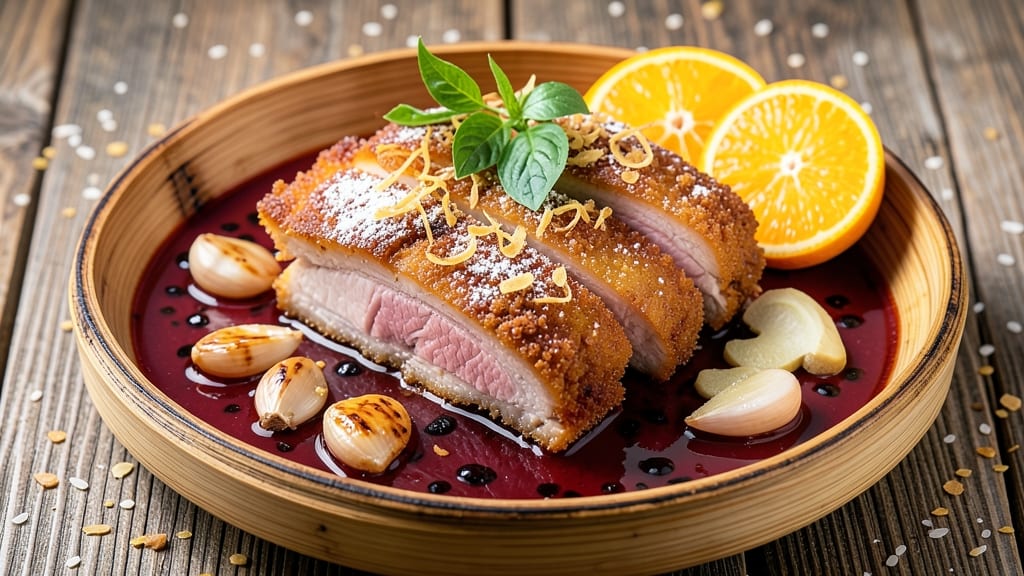
This crispy pork sinigang recipe delivers the perfect balance of crunchy fried pork and tangy-sour broth that defines Filipino comfort food. ✨ After years of perfecting the technique—especially that crispy exterior while keeping the meat juicy—I've cracked the code for restaurant-quality results at home.
The secret lies in a double-fry method paired with a tamarind-based broth that sings with sourness and umami.
The dish starts with tender pork belly or shoulder cut into cubes, marinated in a blend of garlic, ginger, and black peppercorn before achieving that signature crispy texture through careful frying.
Meanwhile, the broth simmers with tamarind (or calamansi for extra zing), shrimp paste, and aromatic vegetables like radish and kangkong. This isn't just a soup—it's a flavor explosion where every bite delivers contrasting textures and bright acidity.
What makes this recipe special is how the crispy pork pieces hold their shape while absorbing the broth's tangy-sour essence, creating a harmonious balance. The vegetables add freshness, while the crispy pork provides the satisfying crunch that makes this dish irresistible.
Trust me, once you try this version, you'll never settle for anything less than that perfect crispy-tender contrast.
Serve it steaming hot with steamed rice or crusty bread to soak up every last drop of that flavorful broth. The combination of textures—crispy pork, tender vegetables, and silky broth—is what makes this dish unforgettable. Let's get cooking!
Ingredients for crispy pork sinigang
Pork belly cubes, aromatic marinade, and a tangy-sour broth create this restaurant-quality Filipino comfort dish.
| Ingredient | Amount | Notes |
|---|---|---|
| Pork Belly or Shoulder 🥓 | 1 ½ lb | Cut into 1-inch cubes, skin removed |
| All-Purpose Flour 🌾 | ½ cup | For dredging, use fine-milled |
| Cornstarch 🌽 | ¼ cup | For extra crispiness |
| Garlic Cloves 🧄 | 8 cloves | Minced, for marinade |
| Fresh Ginger 🌿 | 1 tbsp | Grated, for marinade |
| Black Peppercorns 🌶️ | 1 tsp | Crushed, for marinade |
| Vegetable Oil 🫒 | 2 cups | High smoke point, for frying |
| Tamarind Paste 🍋 | ¼ cup | Or calamansi juice for zing |
| Shrimp Paste (Bagoong) 🦐 | 1 tbsp | Fermented, for umami depth |
| Radish 🥕 | 1 whole | Thinly sliced, for broth |
| Kangkong (Water Spinach) 🌿 | 1 bunch | Trimmed, for freshness |
| Onion 🧅 | 1 whole | Thinly sliced, for broth |
| Salt 🧂 | 1 ½ tsp | Diamond Crystal preferred |
| Fish Sauce 🐟 | 1 tbsp | Red Boat preferred |
| Sugar 🍬 | 1 tbsp | Balances sourness |
The pork cut is crucial—pork belly delivers that signature crispy texture, while shoulder offers a balance of tenderness and flavor. Most Asian markets carry pre-cut pork belly, but if sourcing from a butcher, request a well-marbled cut for juiciness. For the marinade, fresh ginger and garlic are non-negotiable; pre-minced jarred versions lack the aromatic punch. Red Boat fish sauce is my go-to for authentic umami, but Thai Kitchen brand works in a pinch. The shrimp paste (bagoong) can be found in the international aisle at Whole Foods or Asian grocery stores—look for the fermented kind, not the sweetened version.
No tamarind paste? Calamansi juice or lime juice will give you that bright acidity, though tamarind provides a deeper complexity. Running low on kangkong? Baby spinach or bok choy work as substitutes, though the texture won't be identical. The double-fry technique is key—first fry at medium heat to render fat, then crank up the heat for crispiness. For the broth, radish slices add subtle sweetness, but daikon radish is even better if available. The sugar balances the sourness, but palm sugar (if you can find it) adds a caramel note that's worth seeking out for authenticity.
This dish reheats beautifully—simmer gently to avoid breaking the crispy pork. Store leftovers in the fridge for up to 3 days, but the pork loses crispiness after day 2. For longer storage, freeze the pork separately from the broth; it keeps its texture for up to 2 months. The broth can be made ahead and reheated separately. Serve with steamed jasmine rice to soak up every last drop of that tangy-sour goodness—never serve it dry, or you're missing the point.
Why You'll Love This Recipe
- Two-Ingredient Coating: The flour and cornstarch mix creates that perfect crunch without overpowering the pork. I swear by this combo—no fancy blends, just pantry staples that transform tender meat into addictive bites.
- Savory Crunch Magic: That crispy exterior with juicy pork inside? It’s the garlic and ginger working their flavor spell. The pork belly stays moist while the crust delivers a punch that lingers—like a hug for your taste buds.
- Weeknight Crowd-Pleaser: I make this when friends drop by unexpectedly. It’s hearty enough for a full table but simple enough to throw together while chatting. (Yes, even on a Tuesday night.)
- Budget-Friendly Leftovers: Pork shoulder stretches further than you’d think, and the crispy bits? Even better the next day. I freeze extras for lazy mornings or toss them into rice bowls—zero waste, all flavor.
Step-by-step instructions for crispy pork sinigang
Master the perfect balance of crunchy exterior and tender interior with this foolproof method.
🍳 Step 1: Prepare the Pork and Create the Glaze
Cut the 1.5 lb pork belly or shoulder into 1-inch cubes and remove any remaining skin. In a bowl, combine the 8 cloves minced garlic, 1 tbsp grated ginger, 1 tbsp shrimp paste (bagoong), 1 tbsp fish sauce, 1 tbsp sugar, and 1.5 tsp salt. Add the pork cubes and toss until evenly coated. Let this marinate for 30 minutes while you prepare the glaze.
For the glaze, whisk together the 0.5 cup all-purpose flour and 0.25 cup cornstarch in a separate bowl. This combination creates a light, crispy coating that locks in moisture while delivering that signature crunch. The cornstarch is key—it absorbs moisture and creates that perfect texture when fried.
🔥 Step 2: Double-Fry for Maximum Crispiness
Heat 1 cup vegetable oil in a large skillet over medium heat until it reaches 325°F. Add the marinated pork in batches, ensuring they don't overcrowd the pan. Fry for 4-5 minutes until the pork is lightly cooked but not browned. Remove and set aside on a wire rack.
Increase the oil temperature to 375°F and carefully return the pork to the skillet. Fry for another 3-4 minutes until the coating is deep golden brown and crispy. The double-fry method ensures the pork is fully cooked while maintaining that perfect crunch. Don't rush this step—the higher heat in the second fry is what creates that satisfying crunch we're after.
🥘 Step 3: Build the Tangy-Sour Broth
In the same skillet (after removing excess oil), sauté the 1 whole sliced onion and 1 whole sliced radish over medium heat for 3-4 minutes until softened. Add the 0.25 cup tamarind paste and cook for another 2 minutes, stirring constantly to prevent burning. This step develops the complex, tangy-sour flavor profile that defines sinigang.
Pour in 4 cups water and bring to a boil. Reduce heat to medium-low and simmer for 15 minutes, allowing the flavors to meld. Taste and adjust seasoning with additional fish sauce or salt if needed. The broth should be brightly acidic with a deep umami base from the shrimp paste and tamarind.
🍽️ Step 4: Assemble and Finish
Return the crispy pork to the simmering broth and cook for 5-7 minutes until heated through. The pork should be tender but still maintain its crispy exterior. Add the 1 bunch trimmed kangkong (water spinach) and cook for another 2 minutes until just wilted—this preserves its vibrant color and crisp texture.
Ladle the sinigang into bowls, ensuring each serving gets a generous portion of both the pork and spinach. The contrast of the crispy pork against the tangy-sour broth and bright spinach creates a perfect balance of textures and flavors. Serve immediately while the pork remains crispy and the broth is steaming hot.
Pro Tips For Making Crispy Pork Sinigang
- CRISP THE PORK IN BATCHES: I learned this the hard way—dumping all that pork in one go turns your oil into a greasy swamp. Work in small batches, no more than 3-4 pieces at a time, so the oil stays hot enough to render fat properly and get that golden crust. Overcrowding just steams the meat instead of frying it.
- GRIND GINGER FINE, NOT FINE: Skip the food processor for ginger—it turns to mush in soup. Use a microplane or knife to grate it into tiny, visible specks. That way, it infuses flavor without turning your sinigang into a watery paste. (Yes, even if you’re impatient like me.)
- DOUBLE-DREDGE FOR CRUNCH: Flour alone won’t cut it—cornstarch is your secret weapon for that shatteringly crisp texture. After your first flour dredge, hit the pork with a second mix of 70% flour, 30% cornstarch. The extra starch locks in moisture while delivering that satisfying crunch. (Your future self will thank you.)
- LOW AND SLOW AFTER FRYING: Once the pork is golden and sizzling, don’t toss it straight into the simmering broth. Let it rest 5 minutes on a wire rack—this keeps it crispy, not soggy. Then, add it to the broth and reduce heat to medium-low. Rushing this step turns your crispy pork into sad, greasy chunks.
Troubleshooting your crispy pork sinigang
Pork Too Greasy?
If your pork ends up greasy instead of crispy, you likely didn’t render enough fat during the first fry. I’ve made this mistake more times than I’d admit! Start by patting the pork dry with paper towels before marinating—this removes surface moisture that can steam instead of crisp.
For the first fry, use 325°F oil and cook until the pork reaches 160°F internal temperature—this ensures fat renders properly. After the second fry, drain excess oil on a wire rack over a baking sheet to absorb any lingering grease. 💡
Broth Too Mild?
When the tangy-sour flavor feels weak, it’s usually because the tamarind paste didn’t develop enough. I learned this the hard way when I rushed the broth simmering time. Always sauté the tamarind paste for 2-3 minutes until it darkens slightly—this deepens its sour notes.
For extra zing, add 1 tbsp calamansi juice (or lime juice) at the end. If using shrimp paste, toast it lightly in a dry pan first to intensify its umami punch. The broth should make your mouth pucker slightly—don’t be afraid of that bright acidity!
Pork Losing Crisp?
Crispy pork turns soggy when exposed to steam or liquid too soon. My trick? Keep the fried pork in a 200°F oven while you finish the broth—this maintains its crunch until assembly. If reheating leftovers, simmer gently with the lid slightly ajar to let steam escape.
For extra insurance, toss the pork in 1 tsp cornstarch right before adding it back to the broth. This creates a temporary shield against moisture. Pro tip: Serve with a side of sour pickled vegetables to cut through any potential sogginess. 🍽️
Vegetables Too Soft?
Overcooking vegetables ruins their texture—especially delicate greens like kangkong. Add them to the simmering broth just 2 minutes before serving to preserve their crispness. For radish and onion, sauté them until tender-crisp (3-4 minutes max) before adding liquid.
If using eggplant, slice it ¼-inch thick and add it to the broth 5 minutes before serving—this keeps it from turning mushy. Remember: sinigang vegetables should offer a satisfying bite, not melt in your mouth. 🥕
Marinade Not Sticking?
A marinade that slips off means the pork wasn’t properly coated or rested. After tossing the pork in the marinade, let it sit for 30 minutes uncovered in the fridge—this helps the flavors penetrate. For extra adhesion, mix 1 tbsp cornstarch into the marinade itself.
If using pork shoulder, score the meat lightly before marinating to create surface area for better flavor absorption. And here’s my secret: Add 1 tsp soy sauce to the marinade—it acts as a binder while adding depth. 🍛
Broth Too Cloudy?
Cloudiness usually means starch or impurities haven’t settled. After simmering the broth, let it sit off the heat for 5 minutes before straining through a fine-mesh sieve. For a crystal-clear broth, skim off any foam that forms during simmering.
If using tamarind paste, strain it through a cheesecloth first to remove any fibrous bits. And here’s a trick from my Charleston days: Add a 1-inch piece of ginger while simmering—it naturally clarifies the broth while adding aroma. 🌿
Nutrition facts
Frequently asked questions
Can I substitute pork belly with chicken or shrimp for this recipe?
The crispy pork technique works best with fatty cuts like pork belly or shoulder, but you can adapt it for chicken thighs (bone-in for flavor) or shrimp. For chicken, use 1.5 lbs bone-in thighs, marinate for 45 minutes, and fry at 375°F for 5-6 minutes until golden. For shrimp, skip the marinade and coat in 0.25 cup flour + 0.1 cup cornstarch, then fry at 375°F for 2 minutes per side. The broth remains the same, but adjust cooking time for shrimp to 3 minutes total.
What's the best way to store leftovers to keep the pork crispy?
Store the crispy pork and broth separately in airtight containers. Reheat the broth first, then add the pork for just 2 minutes to warm through without losing crispness. For extra protection, toss the pork in 1 tsp cornstarch before reheating. Leftovers keep well for 3 days in the fridge, but the pork's texture degrades after 2 days. Freeze the pork separately for up to 2 months—thaw in the fridge overnight before reheating.
How do I make the broth less sour if my family prefers milder flavors?
Reduce the tamarind paste to 0.125 cup and add 1 tbsp sugar to balance acidity. For extra depth, use 1 tbsp coconut milk in the broth to round out flavors. If using calamansi, replace with lime juice (less intense) or 1 tbsp vinegar (for tang without sourness). Always taste as you go—the broth should be tangy but not overpowering.
Can I make this recipe in a slow cooker or Instant Pot?
While the crispy pork requires stovetop frying, you can adapt the broth for a slow cooker or Instant Pot. For the slow cooker, sauté aromatics in a pan first, then add to the pot with broth ingredients and simmer on low for 3-4 hours. For the Instant Pot, sauté aromatics, add broth ingredients, and pressure cook for 10 minutes on high. Add vegetables and pork separately at the end to preserve textures. The crispy pork must still be fried separately—this dish relies on that contrast!
What are good side dishes to serve with crispy pork sinigang?
Sinigang pairs perfectly with steamed jasmine rice (essential for soaking up broth) and garlic fried rice for extra texture. Add crusty bread or tortillas for dipping, or serve with pickled vegetables (like daikon and carrots) to cut through the richness. For a complete meal, include grilled banana (saging na saging) or turmeric rice for color contrast.