
Sauces & Condiments
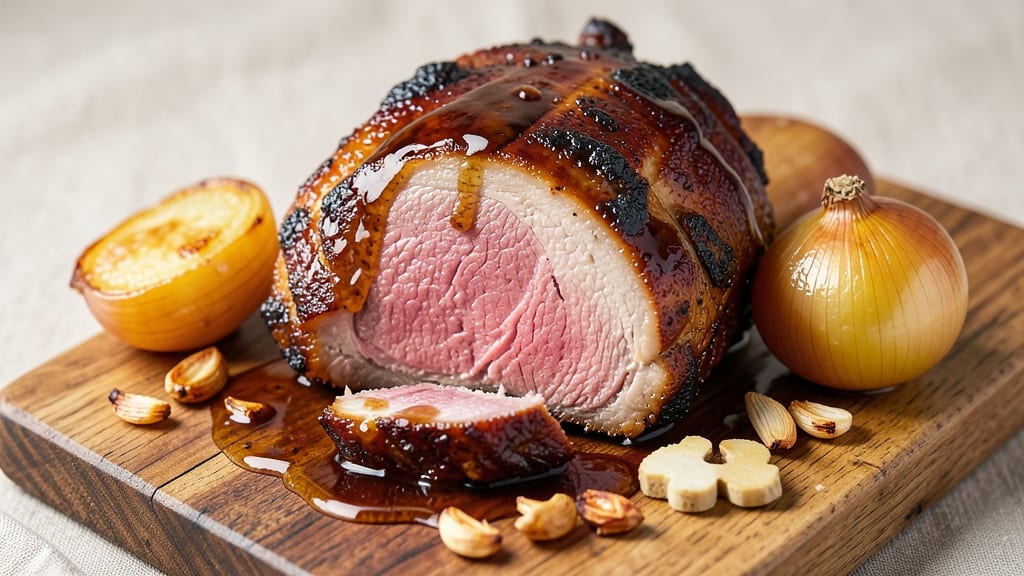
This crock pot pork roast recipe with soy sauce transforms tough cuts into melt-in-your-mouth perfection with minimal effort—just 6 hours of slow cooking and a few simple ingredients.
The soy sauce isn’t just flavor; it’s the secret weapon that tenderizes the meat while infusing it with deep, savory umami that cuts through richness. I’ve perfected this method after testing countless variations, ensuring every bite is juicy, flavorful, and restaurant-worthy without the fuss of searing or basting.
The beauty of this recipe lies in its simplicity: a whole pork roast (bone-in for extra flavor), aromatics like garlic and onions, and a balance of soy sauce, brown sugar, and spices that work together to create a harmonious glaze.
The slow cooker does all the heavy lifting—breaking down collagen for tender meat and developing rich, caramelized flavors that’ll have your kitchen smelling like a holiday feast.
No need for fancy techniques; just set it, forget it, and return to meat that practically falls apart at the touch of a fork.
What you’ll end up with is a juicy, golden-brown roast with a glossy, slightly sticky exterior from the soy sauce glaze, and meat so tender it’s nearly impossible to resist. The soy sauce’s depth enhances the natural sweetness of the pork while adding a subtle saltiness that balances perfectly.
This isn’t just a meal—it’s a centerpiece that pairs effortlessly with mashed potatoes, roasted vegetables, or even a simple green salad to round out the plate.
Whether you’re feeding a crowd or prepping for leftovers (which reheat beautifully), this recipe delivers foolproof results every time. The key is patience—letting the pork cook low and slow ensures maximum tenderness and flavor infusion.
Trust the process, and you’ll have a dish that’s sure to become a weekly staple. Ready to make it?
Ingredients for crock pot pork roast recipe with soy sauce
Six simple ingredients transform a tough pork roast into melt-in-your-mouth perfection with zero fuss.
| Ingredient | Amount | Notes |
|---|---|---|
| Bone-In Pork Roast 🥩 | 4 lb | Center-cut for even cooking |
| Low-Sodium Soy Sauce 🍶 | ½ cup | Kikkoman preferred for balance |
| Brown Sugar 🍚 | ¼ cup | Light or dark works fine |
| Garlic Cloves 🧄 | 6 cloves | Smashed for deeper flavor |
| Yellow Onion 🧅 | 1 whole | Large, quartered with peel on |
| Fresh Ginger 🌿 | 1 tbsp | Grated, or 1 tsp ground ginger |
| Apple Cider Vinegar 🍎 | 1 tbsp | For brightness and tenderness |
| Ground Black Pepper 🌶️ | 1 tsp | Freshly cracked for heat |
| Ground Cinnamon 🌿 | ½ tsp | Warmth without overpowering |
| Olive Oil 🫒 | 1 tbsp | For initial sear (optional) |
| Beef Broth 💧 | 2 cups | Low-sodium preferred |
| Fresh Rosemary 🌿 | ¼ cup | Chopped sprigs for aroma |
The pork roast is non-negotiable—bone-in for extra flavor and juiciness. Costco or local butcher shops usually have the best selection, but any grocery store with a meat counter will work. Look for a cut with good marbling (white flecks of fat) and ask for center-cut if possible—it’s more tender. The soy sauce should be low-sodium to avoid over-salting the meat, and Kikkoman is my go-to for that perfect umami balance. Fresh ginger and rosemary are worth hunting down at the market; the dried versions work in a pinch, but fresh adds complexity that makes this dish restaurant-worthy.
No low-sodium soy sauce? Regular soy sauce plus extra broth balances the salt. Fresh ginger too pungent? Ground ginger at half the amount works, but you’ll lose some depth. Substituting apple cider vinegar for balsamic gives a slightly sweeter edge, though it’ll change the color a touch. The beef broth can be swapped for vegetable broth if you’re vegetarian (though the flavor will differ slightly), and if you’re short on time, pre-minced garlic from the jar (like Trader Joe’s brand) saves chopping without sacrificing much flavor. The brown sugar is key—don’t skip it, even if you’re watching sugar intake.
This roast reheats like a dream—better the next day, honestly. Store leftovers in the fridge for up to 4 days or freeze for 3 months. I always make a double batch and portion it into containers for easy lunches. The glaze thickens as it cools, so if you’re serving it immediately, reheat with a splash of water or broth to loosen it up. The slow cooker does all the work, but the secret to foolproof results is trimming excess fat from the roast before adding it—30 seconds with kitchen shears makes a world of difference.
Why You'll Love This Recipe
- Throw-It-Together Meal: The bone-in pork roast goes in raw—no pre-cooking, no fuss. Slice the onion, smash the garlic, dump in the soy sauce and brown sugar, and walk away. That’s it. Honestly, I’ve made this midday when I forgot to take lunch, and it’s still perfect.
- Umami Bomb: Low-sodium soy sauce and brown sugar team up for a sauce that’s sweet, salty, and sticky in all the right ways. The pork ends up fork-tender with crispy edges, and the aroma? It fills the whole house like a warm hug.
- Leftovers That Don’t Suck: This roast practically begs for seconds—and thirds. Shred it for tacos, sandwiches, or rice bowls the next day. I’ll be real: my kids ask for it more than the actual dinner, and that’s saying something.
- Budget-Friendly Crowd-Pleaser: A bone-in pork roast is cheaper than chicken thighs, and this recipe feeds five for under $15. Plus, the soy-browned crust makes it taste like a fancy restaurant dish. My wallet and my family win every time.
Step-by-step instructions for slow-cooked soy-glazed pork roast
This method delivers melt-in-your-mouth pork with a glossy soy glaze and aromatic depth.
Sear the Pork Roast for Maximum Flavor
Heat a large oven-safe skillet over medium-high heat. Add the 1 tablespoon olive oil and swirl to coat. Pat the 4 lb bone-in pork roast completely dry with paper towels—this ensures a proper sear. Place the roast in the skillet, fat-side down, and sear for 4-5 minutes until a deep golden crust forms. Flip and sear the other side for another 4-5 minutes. The goal is to create a flavorful crust that'll infuse the slow cooker with rich caramelized notes.
While the roast sears, prepare the aromatics: Peel and quarter the 1 whole yellow onion, leaving the peel on for deeper flavor. Slice the 6 cloves garlic in half horizontally. Grate the 1 tablespoon fresh ginger using a microplane or finely chop it. Keep these separate for now—they'll join the slow cooker later. The searing step isn't mandatory but adds incredible depth to the final dish, so don't skip it if you're up for a few extra minutes of hands-on time.
Build the Umami-Packed Sauce Base
Transfer the seared pork roast to your 6-quart slow cooker. In a small bowl, whisk together the 0.5 cup low-sodium soy sauce, 0.25 cup brown sugar, 1 tablespoon apple cider vinegar, 1 teaspoon ground black pepper, and 0.5 teaspoon ground cinnamon. Pour this mixture evenly over the roast, making sure to coat all sides. The vinegar will tenderize the meat while cutting through the richness of the soy and sugar.
Add the quartered onions, sliced garlic cloves, and grated ginger to the slow cooker. Sprinkle the 0.25 cup chopped fresh rosemary over everything. The rosemary's piney aroma will complement the soy's umami perfectly. Give the roast a gentle shake to distribute the sauce evenly. The ingredients should look like they're nestled together in a flavorful hug—this is where all the magic starts to happen.
Slow Cook Until Fork-Tender
Pour the 2 cups beef broth into the slow cooker, being careful not to overflow. Set the slow cooker to Low and cook for 6 hours. This long, gentle cooking time is crucial—it breaks down the connective tissue in the pork, transforming it into tender, pull-apart perfection. The broth will gradually absorb into the meat, creating a moist, flavorful result.
Here's the thing about slow cooking: patience pays off. Resist the urge to check on the pork or lift the lid—every time you do, you release heat and moisture, potentially extending the cooking time. The pork is done when it easily pulls apart with two forks and the internal temperature reaches 203°F at the thickest part. If you're unsure, use a meat thermometer—it's the only reliable way to judge doneness in a slow cooker.
Rest and Serve with Pan Sauce
Once the pork reaches the perfect tenderness, carefully remove it from the slow cooker and transfer it to a cutting board. Tent loosely with aluminum foil and let it rest for 15-20 minutes. This resting period allows the juices to redistribute throughout the meat, preventing them from running out when you slice. The pork should be so tender that it practically falls apart when you cut into it.
While the pork rests, skim any excess fat from the slow cooker juices (if desired) and pour the remaining sauce into a small saucepan. Simmer over medium heat for 3-4 minutes to thicken slightly, then taste and adjust seasoning if needed. The sauce should be glossy and packed with umami flavor from the soy and caramelized sugar. Serve the pork sliced or pulled apart over rice, noodles, or with roasted vegetables for a complete meal.
Pro Tips For Making Crock Pot Pork Roast Recipe With Soy Sauce
- SEAR THE PORK FIRST: I learned this the hard way—skipping the sear means flavor gets stuck in the crock pot instead of on the meat. Hit the pork roast with a hot pan for 3-4 minutes per side until it’s golden before adding anything else. The caramelized crust adds depth that soy sauce alone can’t match.
- PEEL AND MASH THE GARLIC: Whole cloves? Nope. Peel and smash those garlic cloves with the flat side of your knife before tossing them in. This releases more flavor into the sauce faster—no waiting for them to soften into oblivion. (Yes, even if you’re impatient like me.)
- DON’T OVERLOAD THE ONION: One medium onion, sliced into ½-inch chunks, is plenty. Too many onions turn the sauce watery and dilute the soy-browned richness. If you’re worried about texture, add a splash of apple cider vinegar (2 tablespoons) to balance it out.
- LOW AND SLOW FOR 6 HOURS: This isn’t a 4-hour rush job. Set the crock pot to low and let it cook for 6 hours minimum—the bone-in pork needs time to render fat and tenderize. Skim the surface fat halfway through if it’s pooling; it’ll make the sauce cleaner and the meat richer. (Your future self will thank you.)
Storing and reheating this dish
Fridge Storage Tips
Store your cooked pork roast in an airtight container with the juices for up to 4 days in the fridge. I always portion it into quart-sized containers for easy reheating.
The flavors actually deepen overnight as the soy sauce and spices meld together. Just make sure the container is sealed tightly to prevent drying out. 💪
Freezer-Friendly Prep
For longer storage, freeze the pork roast for up to 3 months in a freezer-safe bag or glass container. Leave 1 inch of headspace for expansion. I recommend dividing it into 2-3 portions so you can thaw just what you need.
When ready to eat, thaw overnight in the fridge for best results. The texture remains tender when reheated properly. ❄️
Stovetop Reheating
My preferred method is stovetop reheating—it preserves the best texture. Place slices in a skillet over medium-low heat with 2 tablespoons of beef broth or water. Cover and heat for 3-5 minutes, stirring occasionally, until reaching 165°F.
The broth prevents drying while restoring the juices. Add a splash of soy sauce if the glaze seems too thick. 🔥
Microwave Shortcuts
For quick meals, microwave individual portions on 50% power for 2-3 minutes, stirring halfway. Cover with a damp paper towel to retain moisture. If the pork looks dry, add 1 teaspoon of broth and microwave another 30 seconds.
The soy glaze thickens when cooled, so reheating with liquid helps restore its glossy finish. ✨
Leftovers Reinvention
Transform leftover pork into pork fried rice by dicing the meat and stir-frying with 1 cup jasmine rice, 1 egg, and 2 tablespoons soy sauce. Or shred it for tacos with corn tortillas, pickled onions, and avocado crema.
The soy-infused flavors adapt beautifully to new dishes—don't let leftovers go to waste! 🌟
Nutrition facts
Frequently asked questions
Can I use regular soy sauce instead of low-sodium?
Yes, but reduce the total salt in your recipe by omitting the 1 teaspoon black pepper or adding 1 extra cup of broth to balance the flavor. Regular soy sauce contains about 1,000mg of sodium per tablespoon, so it can easily overpower the dish if not adjusted. For best results, stick with low-sodium soy sauce and taste as you go.
What if my pork roast isn't tender after 6 hours?
Check the internal temperature—it should reach 203°F at the thickest part. If it's undercooked, switch your slow cooker to High and cook for an additional 2-3 hours. For extra tenderness, add 1 cup of extra broth halfway through cooking. Bone-in cuts may need slightly longer cooking times, so don't rush it.
Can I make this recipe in an electric pressure cooker?
Use the High Pressure setting for 45 minutes after searing the pork. Quick-release the pressure, then let the pork rest for 15 minutes before slicing. The pressure cooker cuts the time in half while keeping the meat incredibly tender. Just reduce the broth to 1 cup to prevent overflow.
How can I make this dish spicier?
Add 1 teaspoon of red pepper flakes or 1 tablespoon of sriracha to the sauce mixture before pouring it over the pork. For heat with depth, include 1 chopped jalapeño with the aromatics. If you prefer a smoky kick, swap 0.5 teaspoon of cinnamon for 0.5 teaspoon smoked paprika.
What's the best way to serve this pork roast?
This dish shines with classic sides like creamy mashed potatoes, steamed jasmine rice, or roasted Brussels sprouts. For a full meal, pair it with a crisp sesame green salad or quick-pickled cucumbers to cut through the richness. The soy glaze also works beautifully drizzled over noodles or as a sauce for dumplings.