
Main Courses
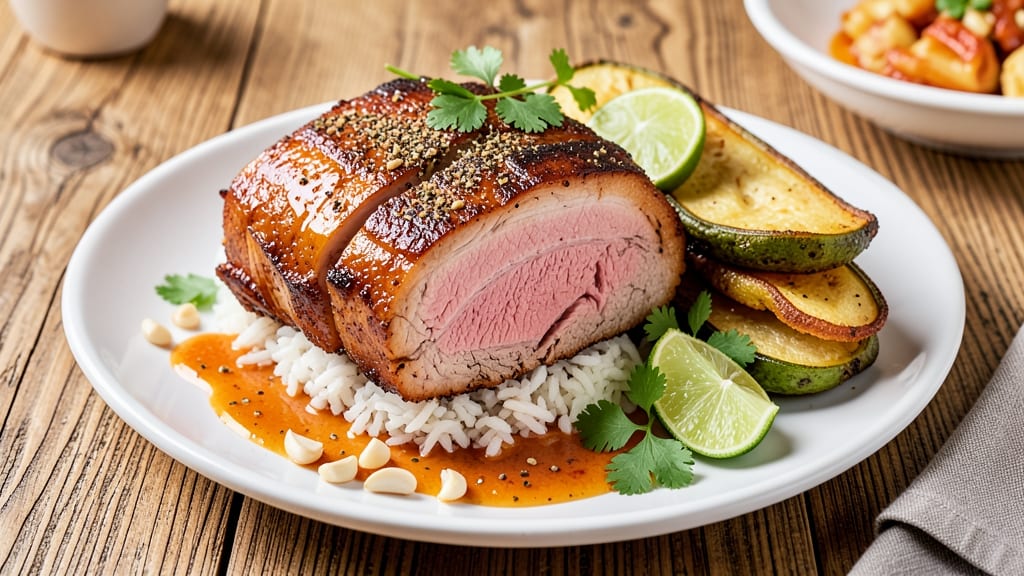
This Cuban pork and plantains recipe brings the bold flavors of Havana to your dinner table with slow-cooked mojo pork and caramelized sweet plantains that balance smoky, tangy, and sweet notes perfectly. 🔥 I developed this dish after years of perfecting Cuban-inspired techniques, blending traditional mojo marinade with a foolproof cooking method that delivers tender, juicy pork every time.
The plantains caramelize into golden, slightly crispy slices that add the perfect sweet contrast to the savory pork.
The secret to this recipe lies in the marinade—a blend of citrus, garlic, and spices that transforms tough pork into melt-in-your-mouth perfection. I use a combination of orange juice, garlic, cumin, and oregano to create that signature Cuban flavor, then slow-cook the pork until it’s fall-apart tender.
The plantains are fried just until they’re soft inside with a caramelized exterior, ensuring they’re sweet but not overly sticky. This method ensures you get restaurant-quality results without spending hours in the kitchen.
What makes this dish truly special is how the flavors come together. The tangy mojo marinade infuses the pork deeply, while the plantains add a touch of tropical sweetness that balances the richness.
The slow cooking process develops deep, complex flavors, and the caramelized plantains bring a satisfying contrast in every bite. This is a dish that’s perfect for family gatherings, special occasions, or whenever you crave bold, comforting flavors.
Serve with a side of black beans and a simple green salad to round out the meal. The combination of textures and flavors makes this a complete, satisfying dish that’s sure to impress. Let’s get cooking!
Ingredients for cuban pork and plantains
Bold flavors start with these 14 ingredients—where Cuban tradition meets home kitchen magic.
| Ingredient | Amount | Notes |
|---|---|---|
| Pork Shoulder (Boston Butt) 🥩 | 3 lb | Bone-in for flavor, cut into 2-inch chunks |
| Fresh Green Plantains 🍌 | 4 whole | Ripe but firm, peeled and sliced lengthwise |
| Fresh Orange Juice 🍊 | 1 ½ cups | From 2-3 oranges, freshly squeezed |
| Garlic Cloves 🧄 | 8 cloves | Freshly minced for maximum aroma |
| Ground Cumin 🌿 | 1 ½ tbsp | Toasted for deeper flavor profile |
| Dried Oregano 🍃 | 1 ½ tbsp | Mexican oregano preferred |
| Bay Leaves 🌿 | 2 whole | Fresh if available, dried otherwise |
| Olive Oil 🫒 | ½ cup | Extra-virgin for frying plantains |
| Vegetable Oil 🫒 | ¼ cup | High smoke point for pork cooking |
| Salt 🧂 | 2 tbsp | Diamond Crystal preferred |
| Black Peppercorns 🌶️ | 1 ½ tsp | Freshly cracked for brightness |
| Cinnamon Stick 🌿 | 1 whole | For subtle warmth in marinade |
| White Vinegar 💧 | ¼ cup | For tangy balance |
| Vegetable Broth 💧 | 1 cup | For slow-cooking liquid |
The pork shoulder is non-negotiable here—bone-in for maximum flavor, and Boston butt gives you that perfect balance of fat and meat. I always grab mine from Whole Foods or a trusted butcher shop where they cut it fresh. Look for good marbling, not too lean—this is what makes the meat tender and juicy after slow cooking. For the plantains, green but firm is key—they should yield slightly when pressed but not be mushy. Latin markets usually have the best selection, but most grocery stores carry them now. If you can't find fresh, frozen plantains work in a pinch—just thaw and pat dry before slicing.
No fresh oregano? Mexican oregano is ideal, but regular dried works at half the amount. The orange juice can be substituted with grapefruit juice for extra tang, though it'll change the flavor profile slightly. Short on garlic? Garlic powder at one-third the amount gets you close, but fresh is worth the effort. For the plantain frying, olive oil is perfect—it's stable at high heat and adds a nice fruity note. If you're cooking the pork in a slow cooker, vegetable broth keeps it moist, but orange juice alone works too if you're in a hurry. The cinnamon stick adds depth without overpowering—skip it if you're sensitive to strong spices.
This dish tastes even better the next day, so double the marinade if you're prepping ahead. Store the raw pork marinade in the fridge for up to 2 days before cooking, and the cooked pork keeps for 4-5 days in the fridge. For the plantains, they're best fried fresh, but you can par-cook and refrigerate the slices in a sealed container for 1 day—just reheat in a dry pan to crisp them up. The marinade itself? Freezes beautifully for 3 months—just thaw in the fridge before using. I always make extra marinade to use on grilled chicken or tofu later in the week.
Why You'll Love This Recipe
- One-Pan Magic: I swear by this trick—just toss the pork shoulder, plantains, and spices on a sheet pan, then let the oven do the work. No chopping boards, no extra pots, and honestly? That citrusy garlic glaze caramelizes right there while you sip coffee.
- Citrus Kiss: The fresh orange juice doesn’t just moisten the pork—it brightens every bite. Between the smoky cumin, the charred plantains, and that tangy finish, it’s the kind of flavor that makes you pause mid-bite.
- Party Ready: This feeds a crowd but still feels special enough for guests. Serve the pork sliced over rice, the plantains on the side, and watch everyone reach for seconds. (Yes, even the picky eaters.)
- Budget Stretch: Pork shoulder is a steal, and green plantains are cheaper than their sweeter cousins. Make a double batch—leftovers reheat like a dream, and you’ll have a week’s worth of lunches without breaking the bank.
Step-by-step instructions for Cuban pork and plantains
Here's how to transform simple ingredients into tender mojo pork and caramelized plantains.
👨🍳 Step 1: Marinate the Pork Shoulder for Maximum Flavor
In a large bowl, combine the 3 lb pork shoulder (Boston Butt), cut into 2-inch chunks, with the 1.5 cups fresh orange juice, 2 tbsp salt, 1.5 tsp black peppercorns (freshly cracked), 1.5 tbsp ground cumin, 1.5 tbsp dried oregano, 2 whole bay leaves, 1 whole cinnamon stick, and 0.25 cup white vinegar. Mix thoroughly until the pork is completely coated in the marinade.
Cover the bowl and refrigerate for at least 4 hours or overnight for deeper flavor penetration. The marinade should turn a beautiful golden hue as the spices meld with the pork's natural juices. This step is crucial—it tenderizes the meat and infuses it with that signature Cuban mojo flavor.
🔥 Step 2: Slow-Cook the Pork Until Fork-Tender
Preheat your oven to 300°F. Transfer the marinated pork to a Dutch oven or heavy pot with a tight-fitting lid. Add 1 cup vegetable broth to the pot, ensuring the pork is partially submerged. Bring to a simmer over medium-high heat for 5 minutes, then reduce to low heat and cover.
Transfer to the preheated oven and cook for 3-4 hours until the pork is fork-tender and easily pulls apart. You'll know it's ready when the internal temperature reaches 195-205°F and the meat shreds effortlessly. I like to check it at the 2.5-hour mark—your oven may run hot or cold, so adjust accordingly. The slow cooking breaks down the collagen for that melt-in-your-mouth texture.
🍳 Step 3: Caramelize the Green Plantains to Perfection
While the pork cooks, heat 0.5 cup olive oil in a large skillet over medium heat. Add the 4 whole fresh green plantains, peeled and sliced lengthwise into ¼-inch strips. Cook undisturbed for 3-4 minutes per side until the edges turn a deep golden brown with caramelized spots.
Here's the thing—don't flip too soon. The plantains release moisture as they cook, so patience is key. You're aiming for crispy edges with tender centers. Remove the plantains and set aside on a paper towel-lined plate to drain excess oil. The residual heat will continue caramelizing them as they rest.
🥘 Step 4: Shred the Pork and Combine with Plantains
Once the pork is tender, remove it from the oven and let it rest for 10 minutes. Using two forks, shred the pork into bite-sized pieces, discarding the bay leaves and cinnamon stick. Return the shredded pork to the pot and stir to combine with the cooking juices—this creates a flavorful sauce.
Add the caramelized plantains to the shredded pork and toss gently to coat in the mojo sauce. The plantains should absorb just enough of the citrusy, spiced liquid to enhance their natural sweetness without becoming soggy. Taste and adjust seasoning if needed—you might want to add a splash more of the reserved marinade or a pinch of salt.
🍽️ Step 5: Serve Family-Style with Warm Plantains
Transfer the pork and plantains to a serving platter, arranging the caramelized plantains alongside the shredded pork. The contrast of tender, citrus-marinated pork with the crispy-sweet plantains is what makes this dish special. For serving, I like to keep the plantains separate until the last minute so they stay crispy.
Serve immediately with warm white rice or crusty bread to soak up the delicious mojo sauce. Each bite delivers layers of flavor—tangy orange, smoky cumin, earthy oregano, and the perfect balance of sweet and savory from the plantains. This dish tastes even better the next day, so leftovers make fantastic sandwiches!
Pro Tips For Making Cuban Pork And Plantains
- Sear the Pork Hard: Hit that pork shoulder with a screaming-hot pan—no half-measures—until it’s deep brown in spots. I used to rush this, and the meat stayed bland. Three minutes per side, no less, or you’ll regret it when the sauce clings like wallpaper.
- Use Ripe but Firm Plantains: Green plantains should yield slightly when pressed but not be mushy—think "just shy of ripe." Overripe ones turn to glue; underripe ones fight you like a stubborn mule. Cut them ½-inch thick for even cooking.
- Deglaze with Orange Juice: After browning the pork, splash in that orange juice immediately—it’s not just flavor, it’s the glue that keeps the sauce from drying out. Let it simmer 2 minutes before adding anything else, or you’ll end up with a sad, thin glaze.
- Skip the Crowding in the Pan: Pork shoulder releases a lot of liquid. If you pile everything in the pan at once, you’ll steam the meat instead of searing it. Brown half the pork, remove it, then repeat—this guarantees a crispy crust, not a soggy mess.
Best sauces and condiments for cuban pork and plantains
Mojo Sauce Mastery
This dish lives and dies by its mojo marinade, so don't skimp on the sauce. After cooking the pork, reserve ½ cup of the mojo liquid from the pot—this becomes your finishing sauce.
Simmer it uncovered for 5 minutes to reduce slightly, then whisk in 1 tbsp cornstarch mixed with 2 tbsp water to thicken. Drizzle this glossy sauce over the pork and plantains right before serving.
I like to finish with a sprinkle of toasted cumin seeds for extra aroma and crunch. 💛
Sweet Plantain Glaze
For an extra-sweet touch, make a quick plantain glaze by blending ½ cup caramelized plantains with 2 tbsp orange marmalade and 1 tsp cinnamon. Simmer for 3 minutes until thickened, then drizzle over the plantains just before serving.
This adds a sticky, fruity contrast that balances the savory pork beautifully. Trust me, your guests will ask for seconds.
Spicy Mojo Mayo
Mix ½ cup mayonnaise with 1 tbsp reserved mojo sauce, ½ tsp hot sauce, and 1 tsp lime juice for a creamy dipping sauce. This spicy mayo is perfect for serving alongside the pork and plantains—it cuts through the richness while adding another layer of Cuban-inspired flavor.
I always keep a small bowl on the table so everyone can add as much or as little as they like.
Cuban Coffee Syrup
No Cuban meal is complete without a sweet finish. Simmer ½ cup dark rum with ¼ cup brown sugar and 1 cinnamon stick for 5 minutes until slightly syrupy. Drizzle this over the plantains before serving for a boozy, aromatic touch.
It pairs perfectly with the smoky pork and adds a sophisticated finish that feels like a true Cuban feast. 🌟
Tangy Lime Crema
Whisk together ½ cup sour cream, 2 tbsp lime juice, 1 tsp honey, and a pinch of salt for a refreshing topping. This bright, creamy element balances the richness of the pork and adds a cooling contrast to the caramelized plantains.
It's especially good if you're serving this dish at a summer gathering when you want something light yet flavorful.
Smoky Chipotle Aioli
For a smoky kick, blend ½ cup mayonnaise with 1 chipotle pepper in adobo sauce, 1 tsp lime juice, and ½ tsp smoked paprika. Thin with a splash of water if needed, then drizzle over the pork before serving.
This adds a deep, smoky dimension that complements the citrusy mojo perfectly. It's my go-to when I want to take the dish to the next level without overpowering the original flavors. 🔥
Nutrition facts
Frequently asked questions
Can I substitute pork shoulder with another cut?
For best results, stick with pork shoulder (Boston Butt)—it has the right fat-to-meat ratio for slow cooking. However, you can use pork butt or pork loin in a pinch. Just reduce cooking time by 30-45 minutes since loin is leaner. Never use ground pork—it won't develop the same tender texture.
How do I know when green plantains are ripe enough?
Press a plantain gently—it should yield slightly but not feel mushy. Look for a smooth, green skin with no black spots. If they're too firm, they'll be undercooked; if too soft, they'll turn mushy when fried. For extra assurance, check the stem end—it should be slightly brown but not rotting.
Can I make this in a slow cooker?
Marinate the pork as directed, then transfer it to your slow cooker with 1 cup broth. Cook on low for 8 hours or high for 5 hours. The plantains should be fried separately just before serving to maintain crispiness. The slow cooker method is perfect for hands-off prep.
Why is my mojo pork dry?
Overcooking is the most common cause. Remove pork when internal temp reaches 195-205°F—it'll keep cooking as it rests. Also, check your oven temp—calibrate if needed. For extra moisture, add ½ cup broth during cooking or cover tightly with foil. The marinade should stay juicy if you don't overcook it.
What's the best way to reheat leftovers?
Reheat pork and plantains separately to avoid sogginess. Warm pork in a skillet with 1 tbsp mojo sauce> for 3-4 minutes until heated through. Re-crisp plantains in a dry pan over medium heat for 2 minutes per side. Never microwave—it ruins the texture. Leftovers keep 4-5 days in the fridge.