
Main Courses
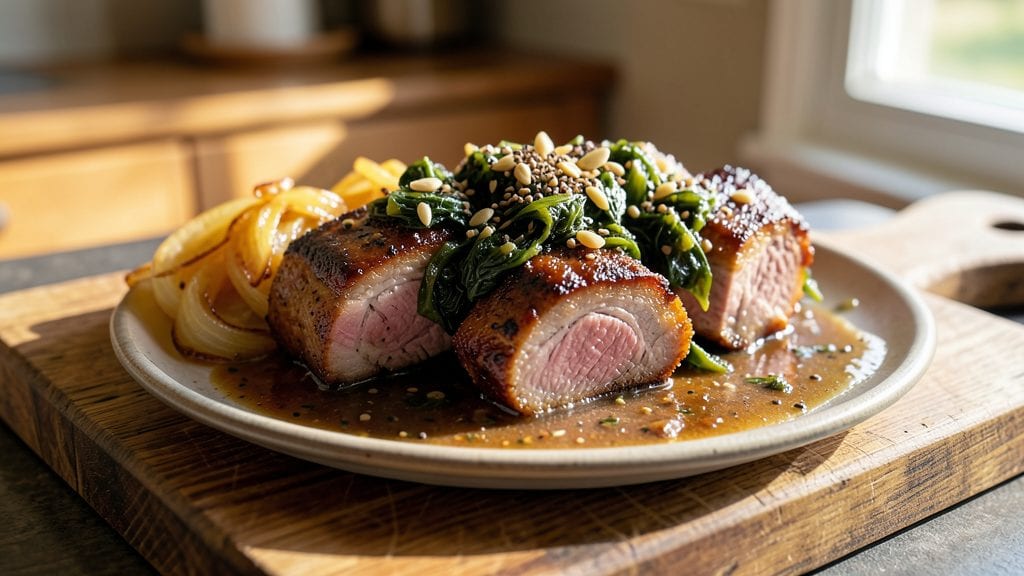
Grandma's Pioneer Woman pork and sauerkraut recipe brings the hearty, comforting flavors of German-American heritage to your table. This dish transforms tender pork shoulder into melt-in-your-mouth perfection through slow braising, while tangy sauerkraut adds a bright contrast that makes every bite unforgettable.
I first tried this recipe when visiting my great-aunt in Ohio, where she'd simmer entire hams for hours—this simplified version keeps that same deep, satisfying flavor without the hours of labor.
The secret to this recipe lies in the balance of smoky spices and the natural tang of sauerkraut. You'll start by searing pork chops in a cast-iron skillet until they develop a rich crust, then braise them gently with onions, garlic, and a blend of caraway, mustard, and thyme.
The sauerkraut isn't just an afterthought—it's the star, releasing its fermented brightness as it simmers alongside the pork, creating a sauce that's both rich and refreshing. This method ensures the pork stays juicy while absorbing all those bold flavors.
What you'll end up with is a dish that feels like a warm hug on a chilly evening—tender pork with crisp edges, surrounded by sauerkraut that's softened just enough to release its tangy goodness.
The aroma alone will have everyone gathering around the table, and the first bite delivers that perfect harmony of smoky, savory, and tangy. Serve it with buttery mashed potatoes or crusty rye bread to soak up every last drop of that flavorful braising liquid.
This recipe is perfect for family dinners, holiday gatherings, or whenever you crave something hearty that tastes like home. The slow cooking method means you can prepare it ahead and let the flavors deepen even more over time.
Let's get started on creating this classic dish that's been passed down through generations.
Ingredients for grandma's pork and sauerkraut recipe pioneer woman
Grandma’s secret pork and sauerkraut—where smoky spices meet tangy fermented goodness.
| Ingredient | Amount | Notes |
|---|---|---|
| Pork Shoulder Chops 🥩 | 3 lb | Bone-in for extra flavor |
| Sauerkraut 🥬 | 3 cups | Undrained, high-quality brand |
| Yellow Onions 🧅 | 2 whole | Thinly sliced |
| Garlic Cloves 🧄 | 6 cloves | Minced, fresh preferred |
| Caraway Seeds 🌿 | 1 tbsp | Toasted lightly for aroma |
| Dried Mustard 🌶️ | 1 tbsp | Yellow or whole berry |
| Dried Thyme 🌿 | 1 tsp | Or 1 tbsp fresh |
| Whole Black Peppercorns 🌶️ | 1 tbsp | Crushed lightly |
| Beef or Chicken Broth 💧 | 2 cups | Low-sodium preferred |
| Brown Sugar 🍚 | 2 tbsp | For balance |
| Apple Cider Vinegar 🍎 | 2 tbsp | Brightens flavors |
| Salt 🧂 | 1 tsp | Kosher or sea salt |
| Butter 🧈 | 2 tbsp | Full-fat for richness |
| Rye Bread 🍞 | 1 package | For serving, optional |
The pork shoulder chops are the heart of this dish—bone-in gives you that deep, meaty flavor. I always grab mine from Costco when I'm making a big batch, but any quality butcher will work. Look for good marbling—that's where the juiciness comes from. For sauerkraut, Muir Glen or Libby's are my go-tos—they're widely available and consistently tangy. If you can find it, homemade sauerkraut from a local farm stand is even better, but don’t stress if you can’t get it. The key is to use undrained sauerkraut—all those juices are what make the sauce rich.
No caraway seeds? Ground caraway at half the amount works in a pinch, but you’ll miss that lovely aroma. Fresh thyme is ideal but dried thyme at one-third the amount gets you close. Want to skip the vinegar? Extra apple juice adds sweetness without the tang. The broth can be beef or chicken—low-sodium is best so you control the saltiness. And if you’re short on time, pre-sliced onions from the grocery store work fine, though I always prefer to slice them myself for better texture. The brown sugar balances the sauerkraut’s acidity, so don’t skip it—dark brown works too if that’s what you’ve got.
This dish tastes even better the next day—flavors meld beautifully overnight. Store leftovers in the fridge for up to 5 days, or freeze portions for 3 months. I like to portion it into containers so lunches are sorted for the week. The rye bread? Toast it first—crispy on the outside soaks up the juices perfectly. And if you’re making this for a crowd, double the batch—it’s that good. The pork stays tender for 2 days after cooking if you reheat gently, so plan ahead for leftovers. Trust me, this is one of those dishes that’s even better the second time around.
Why You'll Love This Recipe
- Grandma’s Secret Trick: Honestly, the fact that I can get this on the table in under 30 minutes of active work is nothing short of a miracle. Just sear those bone-in pork shoulder chops for 3-4 minutes per side, toss in the onions and garlic, and let the oven do the heavy lifting while you prep the rest. No fancy knife skills required—just a few good chops and a Dutch oven.
- Sauerkraut Magic: That tangy, probiotic-rich sauerkraut isn’t just an afterthought—it’s the star. The undrained juices caramelize into a rich, slightly sweet sauce when braised with the pork, and the caraway seeds? They add that warm, earthy kick that makes your taste buds sing. Trust me, the balance of vinegar, brown sugar, and mustard is exactly what you need.
- Feed a Crowd, Feed Yourself: This recipe is the ultimate “make once, eat all week” dish. The pork stays tender for two days after cooking if reheated gently, and the flavors only deepen. I’ve served it at potlucks, packed it for picnics, and even used leftovers for breakfast sandwiches the next morning. It’s the kind of meal that disappears fast—no excuses for leftovers.
- Budget’s Best Friend: Between the pork shoulder chops (cheaper than steak) and sauerkraut (a pantry staple), this dish is a steal. The broth and butter add richness without breaking the bank, and the rye bread? You can even skip it if you’re watching carbs. For the price of takeout, you get a hearty, comforting meal that’s way more satisfying.
Step-by-step instructions for Grandma's Pioneer Woman pork and sauerkraut recipe
Here's how to make this comforting, tangy-sauerkraut braise with tender pork—just like Grandma used to serve.
Prep and Sear the Pork Shoulder Chops
Pat the 3 lb pork shoulder chops dry with paper towels. Season both sides generously with 1 tsp salt, 1 tbsp whole black peppercorns (lightly crushed), and 1 tsp dried thyme. Let the seasoning sit for 10 minutes while you prep the other ingredients—this helps the spices adhere better.
Heat a large Dutch oven over medium-high heat and add 2 tbsp butter. Once the butter foams, add the pork chops and sear for 3-4 minutes per side until they develop a deep golden-brown crust. Don't rush this step—the crust is what locks in flavor during the long braise. Remove the chops and set them aside on a plate.
Build the Tangy Braising Base
In the same Dutch oven, add 2 yellow onions (thinly sliced) and cook for 5 minutes until softened. Stir in 6 garlic cloves (minced) and cook for 30 seconds until fragrant. Add 1 tbsp caraway seeds and toast for 1 minute—this releases their nutty aroma and prevents bitterness.
Pour in 2 tbsp apple cider vinegar and scrape up any browned bits from the bottom of the pot. These bits are packed with flavor—don't skip this step. Add 2 tbsp brown sugar and stir to combine. The sugar will help balance the tanginess of the sauerkraut later.
Layer and Braise the Pork
Return the seared pork chops to the Dutch oven. Add 3 cups sauerkraut (undrained—those juices are flavor gold) and 2 cups beef or chicken broth. Stir in 1 tbsp dried mustard and bring everything to a gentle simmer over medium-low heat. The mixture should bubble softly, not vigorously.
Cover the Dutch oven with a tight-fitting lid and transfer it to a 350°F oven. Braise for 2 hours, turning the chops once halfway through. You'll know it's ready when the pork is fork-tender and falls apart easily, and the sauerkraut has softened but still holds its shape.
Finish and Serve with Rye Bread
Remove the pork chops from the Dutch oven and set them aside. Increase the heat to medium-high and simmer the sauerkraut mixture uncovered for 5-7 minutes until it thickens slightly. Taste and adjust seasoning with more salt or apple cider vinegar if needed.
Slice the pork chops against the grain for tender bites. Serve the braised pork and sauerkraut over slices of 1 package rye bread (toasted if you like) or alongside buttery mashed potatoes. The rye bread soaks up the tangy, smoky sauce beautifully—just like Grandma always did.
Pro Tips For Making Grandma'S Pork And Sauerkraut Recipe Pioneer Woman
- Toast Those Caraway Seeds: I learned this the hard way—skip toasting the caraway seeds, and you’ll get a bitter, almost soapy flavor. Toss them in the dry Dutch oven for just 1 minute until they smell nutty and aromatic. That minute makes a real difference in the final dish.
- Don’t Skip the Vinegar Scrape: The browned bits stuck to the bottom of your Dutch oven aren’t just gunk—they’re flavor. After adding the apple cider vinegar, use a wooden spoon to scrape up every last bit. This isn’t the prettiest method, but it’s the tastiest.
- Braise at 350°F—No Higher: I know, you’re eager to get it done faster, but cranking the oven higher than 350°F will turn your pork tough instead of tender. Low and slow is the only way to get that melt-in-your-mouth texture. Trust the process.
- Slice the Pork Against the Grain: Cutting the pork shoulder chops against the grain isn’t just for looks—it’s the only way to guarantee tender bites. If you’re unsure which direction that is, look for the grain’s natural lines and slice perpendicular to them. Your future self will thank you.
Regional styles of these flavors
German-American Roots
This dish carries the legacy of German immigrants who settled in the Midwest, where sauerkraut became a staple. My great-aunt in Ohio always made it with a whole pork shoulder, but I adapted it using chops for quicker prep.
The caraway seeds and mustard are classic German flavors that give this dish its signature tangy-sweet balance. I remember my aunt simmering her pork for hours—this version keeps that depth but in a more manageable timeframe. 🌟
Ohio Valley Tradition
In the Ohio Valley, where I grew up, this dish was a Sunday dinner staple. My neighbor Mrs. Henderson used to make apple butter alongside it, and the combination was pure comfort. She’d always say, “The key is patience—let the flavors marry.”
I still follow that advice, letting the pork braise slowly to develop those rich, smoky notes. The rye bread she served was always homemade, but store-bought works just as well. 🍞
Pacific Northwest Twist
Here in Portland, I’ve adapted this recipe with local ingredients. I swap the rye bread for crusty sourdough from New Seasons Market, and sometimes add a splash of local apple cider vinegar for brightness.
The sauerkraut I use often comes from farmers markets, and the pork chops are from my favorite local butcher. It’s a nod to tradition while keeping it fresh for our modern tastes. 🥬
Midwest Farmhouse Style
For a true Midwest touch, serve this with buttery mashed potatoes made from potatoes grown in my backyard garden. I’ll often add a sprinkle of fresh chives from my windowsill herbs. The contrast of creamy potatoes with the tangy-savory pork creates a dish that feels like a warm hug.
My daughter Lily loves when I make this—she insists on helping me slice the onions, though I still do most of the work! 🧅
Slow-Cooker Adaptation
If you’re short on time, I’ve found a way to keep the flavors intact using a slow cooker. Sear the pork chops first, then transfer everything to the slow cooker on low for 6-8 hours.
The result is just as tender, with that same deep, smoky flavor. It’s a great option for busy weeknights when you still want something special. 💡
Nutrition facts
Frequently asked questions
Why does this recipe call for bone-in pork shoulder chops?
The bone-in chops add unmatched depth of flavor to the dish! The marrow and collagen from the bones slowly release into the braising liquid, creating a richer, more complex taste. Plus, it keeps the pork incredibly juicy throughout the long cooking process. For best results, choose chops with good marbling—this ensures tenderness and extra flavor.
Can I use pre-sliced onions instead of thinly slicing them myself?
Yes, you can absolutely use pre-sliced onions from the grocery store—it’s a great time-saver! While hand-slicing gives you more control over texture, store-bought onions work perfectly fine. Just make sure they’re fresh and not too watery. The key is to cook them until softened before adding the garlic and caraway seeds.
What if I don’t have caraway seeds? What can I substitute?
If you’re missing caraway seeds, use ½ teaspoon ground caraway instead—it’ll give you that nutty aroma, though not quite the same texture. Another option is ½ teaspoon celery seeds, which add a similar earthy note. For a milder approach, skip them entirely and boost the thyme or mustard slightly. The dish will still taste delicious!
How do I know when the pork is fully cooked and tender?
Your pork is done when it reaches an internal temperature of 145°F and the meat easily falls apart with a fork. After 2 hours in the oven, check by piercing a chop—if it’s fork-tender and the juices run clear, it’s ready. The sauerkraut should also be softened but still hold its shape, not mushy. Let the dish rest for 5 minutes before serving for best texture.
Can I make this recipe ahead of time?
This dish tastes even better the next day as the flavors meld together. Store leftovers in an airtight container in the fridge for up to 5 days, or freeze portions for 3 months. Reheat gently on the stovetop with a splash of broth or water to restore moisture. The pork stays tender for 2 days after cooking if reheated properly.