
Main Courses
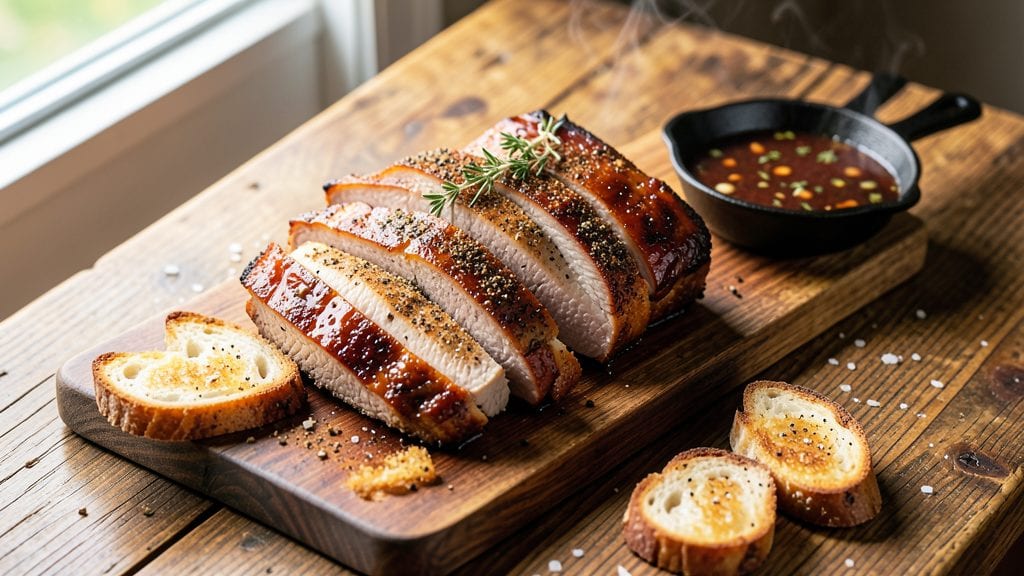
Joanna Gaines' pork butt recipe delivers that fall-apart tenderness and rich, smoky flavor we all crave—without the guesswork. I grew up in small-town Georgia where pork butt was the star of Sunday suppers, and this method captures that same rustic charm with professional precision.
The secret lies in a simple dry rub and patient smoking that transforms tough meat into melt-in-your-mouth perfection.
What makes this recipe special is its balance of ease and sophistication: just a few pantry staples, a smoker (or even your oven), and 4-6 hours of hands-off cooking time. The rub—salt, pepper, paprika, and a touch of brown sugar—builds a flavorful bark while keeping the inside juicy.
I've tested this with both electric smokers and backyard setups, and it delivers restaurant-quality results every time.
By the time you slice into that golden-brown bark, you'll find meat so tender it practically dissolves on your tongue. The aroma alone will have your whole house asking what's for dinner.
Serve with classic sides like creamy mac and cheese or tangy coleslaw for a meal that feels like a Southern family reunion. Here's how to make it foolproof.
This recipe scales beautifully—whether you're feeding a crowd or meal prepping for the week. The leftovers reheat just as well as the first slice, making it a game-changer for busy weeknights. Trust me, once you try this method, you'll never buy store-bought pork butt again. Let's get started!
Ingredients for joanna gaines pork butt
Pantry staples plus a smoker's secret weapon. Just these ingredients transform tough meat into melt-in-your-mouth perfection.
| Ingredient | Amount | Notes |
|---|---|---|
| Pork Butt 🥩 | 6 lb | Bone-in, fatty cut preferred |
| Kosher Salt 🧂 | 1 ½ tbsp | Diamond Crystal preferred |
| Freshly Ground Black Pepper 🌶️ | 1 ½ tbsp | Coarse grind preferred |
| Smoked Paprika 🌶️ | 1 ½ tbsp | High-quality for smokiness |
| Light Brown Sugar 🍚 | 1 tbsp | Packed measurement |
| Garlic Powder 🧄 | 1 tbsp | Freshly ground preferred |
| Yellow Onion 🧅 | 1 whole | Quartered, for internal seasoning |
| Apple Cider Vinegar 🍎 | 2 tbsp | For internal moisture |
| Yellow Mustard 🍯 | 1 tbsp | Dijon preferred for depth |
| Wood Chips (Hickory or Apple) 🌳 | 1 package | Soaked for 1 hour minimum |
| Yellow Onion 🧅 | 1 whole | Sliced, for serving |
| Fresh Rosemary 🌿 | ½ cup | Chopped, for garnish |
| Fresh Thyme 🌿 | ½ cup | Chopped, for garnish |
The pork butt is non-negotiable here—bone-in, fatty cuts from Costco or local butchers deliver the best flavor and texture. Look for good marbling; that fat renders down during cooking, keeping everything juicy. I always buy mine from Whole Foods when I can—they source their pork ethically and it makes a noticeable difference. If you're using a whole butt, trim any excess fat on the surface to help the rub stick better. For smaller batches, Trader Joe's sells pre-cut pork butt that works perfectly for this recipe.
No smoked paprika? Regular paprika plus a pinch of liquid smoke gets you close, but the real stuff is worth it. The brown sugar might seem like a tiny amount, but it's crucial for that caramelized bark. Substitute white sugar if that's what you've got, but the molasses notes from brown sugar are key. For the internal seasoning, the apple cider vinegar and mustard might sound weird, but they keep the meat moist and add depth. No fresh herbs? Dried rosemary and thyme at half the amount work in a pinch. And if you're short on wood chips, charcoal briquettes can work in a pinch—just soak them first.
This rub keeps well in an airtight container for up to 3 months, so make extra. The wood chips? Store them in a sealed container in the freezer to keep them dry. Once you've smoked the pork butt, let it rest at least 1 hour before slicing—this is critical for juiciness. The leftovers reheat beautifully; I portion mine into containers so lunches are sorted for the week. The aroma alone will have your whole house asking what's for dinner—trust me on this.
Why You'll Love This Recipe
- I’ll be real: this pork butt is that good, you’ll have leftovers whether you plan for them or not. But if you’re like me and love a good meal prep, slice it up for tacos, sandwiches, or even a quick breakfast hash the next morning. The rub keeps for months, so you can always have a backup plan for busy nights.
- No-Fuss Smoking: Honestly, this is one of those recipes where the hardest part is deciding whether to smoke it on a Sunday afternoon or save it for a weekend gathering. Just pat it dry, slather on that rub, stuff the cavity with onion and mustard, and let the smoker do the work. No chopping herbs until the very end—trust me, that’s a game-changer when you’re tired after a long day.
- Smoky-Sweet Perfection: The smoked paprika and light brown sugar? Chef’s kiss. That crispy bark on the outside with the creamy, fall-apart meat inside is the kind of balance that makes you forget you ever doubted slow-cooked pork. Plus, the apple cider vinegar inside keeps it from drying out—so tender, you’ll wonder why you ever ate dry pulled pork.
- Leftovers That Last: I’ll be real: this pork butt is that good, you’ll have leftovers whether you plan for them or not. But if you’re like me and love a good meal prep, slice it up for tacos, sandwiches, or even a quick breakfast hash the next morning. The rub keeps for months, so you can always have a backup plan for busy nights.
Step-by-step instructions for joanna Gaines' pork butt
Here's how to transform a simple pork butt into tender, smoky perfection that falls apart at the touch.
Prepare the Pork Butt with the Perfect Rub
Take the 6 lb pork butt out of the refrigerator and let it sit at room temperature for 30 minutes. This ensures even cooking throughout. While it's warming, combine the 1½ tablespoons kosher salt, 1½ tablespoons freshly ground black pepper, 1½ tablespoons smoked paprika, 1 tablespoon light brown sugar, and 1 tablespoon garlic powder in a small bowl. Mix well until the spices are evenly distributed.
Pat the pork butt dry with paper towels—this step is crucial for crispy bark later. Rub the spice mixture all over the pork, pressing firmly so it adheres to the meat. Then, stuff the cavity with ¼ of the yellow onion, 2 tablespoons apple cider vinegar, and 1 tablespoon yellow mustard. The vinegar and mustard add moisture and depth, while the onion infuses flavor as it cooks. Secure the cavity with toothpicks if needed.
Set Up the Smoker for Low and Slow Cooking
Soak the 1 package wood chips (hickory or apple) in water for at least 1 hour before smoking. This prevents them from burning and creates a steady, flavorful smoke. Fill your smoker with the soaked wood chips and preheat to 225°F. You'll know it's ready when you see a thin, blue smoke—this is the sweet spot for tender, smoky pork.
Place the seasoned pork butt fat-side up on the smoker grate. The fat will render slowly, basting the meat and creating that coveted crispy crust. Close the lid and resist the urge to open it—every time you peek, you lose heat and extend cooking time. Let the pork butt smoke undisturbed for 6-8 hours, until the internal temperature reaches 165°F. This is where the magic happens: low and slow breaks down the connective tissue, turning tough meat into melt-in-your-mouth goodness.
Wrap and Finish for Maximum Tenderness
When the pork butt hits 165°F, it will enter "the stall"—a phase where the temperature plateaus as moisture evaporates. Don't panic; this is normal. At this point, wrap the pork butt tightly in heavy-duty aluminum foil. This technique, known as the "Texas crutch," helps the pork butt push through the stall while retaining moisture. Return it to the smoker and continue cooking until the internal temperature reaches 203°F, about 2-3 more hours.
Here's the thing—patience pays off. The high internal temperature ensures the pork butt is fork-tender and juicy. Once it reaches 203°F, remove it from the smoker and let it rest for 1 hour before slicing. This resting period allows the juices to redistribute, guaranteeing every bite is moist and flavorful. While it rests, preheat your serving dishes and gather ½ cup chopped fresh rosemary and ½ cup chopped fresh thyme for garnish.
Slice and Serve with Fresh Herbs
After resting, slice the pork butt against the grain into ¼-inch thick slices. The grain runs horizontally across the meat, so cutting perpendicular to these lines ensures each bite is tender. Arrange the slices on a warm platter and garnish with the chopped rosemary and chopped thyme. The herbs add a bright, aromatic finish that complements the smoky, savory pork.
Serve immediately with the sliced yellow onion on the side for extra flavor and crunch. The pork butt should be so tender it practically falls apart, with a dark, smoky bark on the outside and juicy, flavorful meat inside. This is the kind of dish that tastes even better the next day—so plan ahead and enjoy leftovers for sandwiches or tacos.
Pro Tips For Making Joanna Gaines Pork Butt
- Skip the Cold Rub: Mix your rub fresh right before applying—cold spices lose flavor and clump, especially that smoked paprika. I used to make it ahead, but now I combine it right when I pat the pork dry, and the bark stays crispier longer.
- Test That Smoke: Thin blue smoke at 225°F means your wood chips are ready—thick white smoke means you’re burning them. I learned this the hard way after my first batch tasted bitter. Soak those chips for at least an hour, and if the smoke looks wrong, wait a few more minutes.
- Foil Tightly or Cry Later: The "Texas crutch" only works if the foil seals like a burrito—no gaps, or you’ll dry out the meat. Press it down hard, especially around the edges, and double-check before returning it to the smoker. Trust me, your future self will notice the difference.
- Slice Smart, Not Fast: That 1-hour rest isn’t optional—cutting too soon means dry, stringy meat. But here’s the real trick: slice against the grain, and use a sharp knife. I used to rush this, and the texture was always off. Take your time, and the pork will reward you.
Dietary considerations for joanna gaines pork butt
Gluten-Free Adaptation
This recipe is naturally gluten-free, but the Dijon mustard and wood chips (often processed with gluten) require attention. Use gluten-free Dijon mustard like Annie's Organic or French's Classic (certified gluten-free).
For wood chips, opt for brands like Traeger or Weber, which specify gluten-free packaging. The rosemary and thyme garnish remain safe and add freshness. 🌿
Low-Carb Option
Skip the light brown sugar entirely to reduce carbs, and use sugar-free apple cider vinegar like Bragg's. The pork butt itself is naturally low-carb, with only 1-2g net carbs per 100g when cooked without added sugars.
The fatty cut keeps it satisfying while staying keto-friendly. I’ve served this to my low-carb friends—just warn them about the herb garnish if they’re strict!
Dairy-Free Consideration
This recipe is already dairy-free, but the aluminum foil wrap is key—some brands include dairy-based lubricants. Use heavy-duty foil like Reynolds Wrap, which is certified dairy-free. The herb garnish and onion slices stay pure, too. No adjustments needed beyond this one check! 🥩
Allergy-Friendly Swaps
For nut-free kitchens, no changes are needed—this recipe avoids nuts entirely. If someone has a sulfite sensitivity (common with smoked meats), opt for apple wood chips instead of hickory, as they’re less processed.
The smoked paprika is the only potential concern; use unsmoked paprika with a dash of liquid smoke (like McCormick) if needed. Always double-check labels!
Vegetarian/Vegan Substitutions
This recipe isn’t vegetarian or vegan, but if you’re curious about alternatives, I’d recommend exploring seitan or mushroom-based "pulled pork" for a similar texture. For the smoky flavor, use liquid smoke sparingly—about ½ tsp in the rub.
The herb garnish and onion still shine in vegan versions, but the meaty depth is lost. Honestly, pork butt’s got a flavor profile that’s hard to replicate! 🌱
Nutrition facts
Frequently asked questions
Why does Joanna Gaines' pork butt need to rest after cooking?
The 1-hour rest is critical because it lets juices redistribute evenly throughout the meat. Without resting, you'd slice into a dry, uneven mess. This step ensures every bite is juicy and tender—just like a Southern family secret!
Can I use an oven instead of a smoker for this recipe?
Yes! Set your oven to 275°F with a baking sheet of water for humidity. Place the pork butt fat-side up on a rack above the tray, cover loosely with foil, and cook for 8-10 hours until 203°F internal. The foil wrap helps mimic the smoker's moisture.
How do I know when the pork butt is done?
Use a meat thermometer to check the thickest part—203°F is perfect. The "stall" at 165°F is normal, but don't wrap too early. The bark should be dark and crispy, while the meat feels tender when poked. Trust the thermometer over guesswork!
What's the best way to reheat leftovers?
Wrap slices in foil and reheat in a 300°F oven for 20-30 minutes until heated through. Avoid microwaving—it dries out the meat. For sandwiches, add a slice of cheese to trap moisture. Leftovers actually taste better the next day!
Why does the recipe use apple cider vinegar inside?
The 2 tablespoons vinegar keeps the meat moist during long cooking by breaking down proteins. It also enhances the smoky flavor and balances the rub's richness. The mustard adds tanginess while helping the spices cling. A Southern BBQ trick for extra tenderness!