
Main Courses
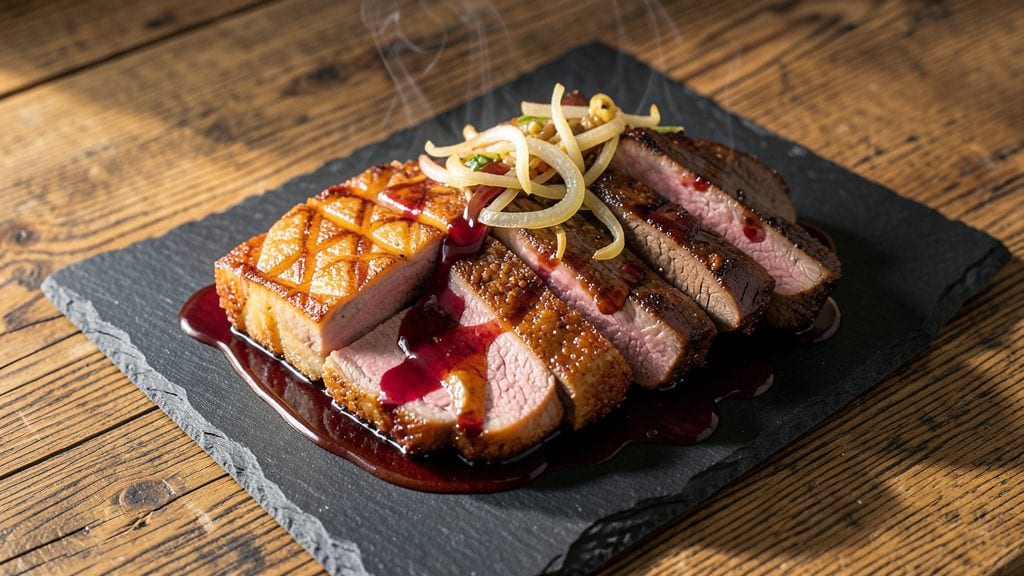
This pork belly and liver recipe transforms two rich cuts into a crispy-rendered masterpiece that balances umami depth and tender texture. Growing up in Georgia, I learned that pork belly’s fat and liver’s intensity create harmony when cooked together—just like my grandmother’s Sunday dinners.
The key lies in rendering the fat slowly while searing the liver to perfection, ensuring every bite delivers crispy edges and velvety centers.
Mastering this dish means starting with high-quality cuts: thick-cut pork belly for crispy crackling and fresh liver for its natural richness. I use a two-stage cooking method—first rendering the pork belly low and slow, then searing the liver separately before combining them in a final braise.
This approach prevents the liver from overcooking while letting the pork belly develop its signature texture. The result? A dish that’s bold, savory, and impossible to resist.
Pair this recipe with pickled vegetables to cut through the richness or serve alongside creamy mashed potatoes for contrast. The umami depth from the pork belly and liver creates a flavor profile that’s both comforting and sophisticated—perfect for a special occasion or a weekend project.
Once you try this method, you’ll never settle for store-bought again.
For those who love regional techniques, this method draws from both Southern pork traditions and French-inspired searing methods. The slow rendering mimics traditional Southern pork roasting, while the liver searing nods to classic French techniques.
Whether you’re feeding a crowd or treating yourself, this dish delivers restaurant-quality results with minimal fuss.
Ingredients for pork belly and liver
High-quality cuts and simple seasonings transform into a dish that’s crispy, rich, and full of Southern-French harmony.
| Ingredient | Amount | Notes |
|---|---|---|
| Pork Belly (thick-cut) 🥓 | 2 lb | Skin-on, with fat cap intact |
| Pork Liver (fresh) 🍖 | 1 lb | Chicken or beef liver substitute |
| Extra-Virgin Olive Oil 🫒 | ¼ cup | High smoke point preferred |
| Unsalted Butter 🧈 | ½ cup | Full-fat for richness |
| Yellow Onion 🧅 | 1 whole | Medium size, diced |
| Garlic Cloves 🧄 | 6 cloves | Fresh, minced |
| Fresh Thyme 🌿 | 2 tbsp | Leaves only, chopped |
| Fresh Rosemary 🌿 | 1 tbsp | Needles only, chopped |
| Dried Bay Leaf 🍃 | 2 whole | For braising |
| Kosher Salt 🧂 | 1 ½ tsp | Diamond Crystal preferred |
| Ground Black Pepper 🌶️ | 1 tsp | Freshly cracked |
| Apple Cider Vinegar 🍎 | 1 tbsp | For balance |
| Honey 🍯 | 1 tbsp | Wildflower preferred |
| Fresh Parsley 🌿 | ¼ cup | Chopped, for garnish |
The pork belly is non-negotiable here—thick-cut with intact fat cap is key for that signature crackling. Most butchers will cut it for you if you ask, but Costco or Whole Foods carry pre-portioned slabs. Look for vibrant color and good marbling, not pale or watery cuts. The liver? Fresh is non-negotiable—beef or chicken liver both work, but pork liver delivers that authentic depth. I always grab mine from local farmers markets or the seafood counter at Whole Foods—they keep it fresher than the meat section. Trust me on this: the fresher the liver, the more velvety the texture after cooking.
No fresh thyme? Dried at one-third the amount works in a pinch, but you’ll miss that bright herbal note. The rosemary can be swapped for fresh sage if you’re feeling fancy. Short on apple cider vinegar? White wine vinegar or lemon juice both work—just reduce the amount slightly since they’re more acidic. The honey? Maple syrup or agave can stand in, but honey’s floral notes really elevate the dish. For the olive oil, avoid light or refined oils—you want something with character. If you’re using beef or chicken liver, reduce the cooking time by about 20% since they’re leaner.
Rendered pork belly fat keeps for 3 months in the fridge if stored properly—just pour it into a jar and refrigerate. The cooked liver? Use it within 2 days or freeze it in portions. I like to portion the final dish into containers so I can reheat just what I need. The crispy crackling reheats beautifully if you keep it warm in a 200°F oven while serving. For leftovers, store the pork belly and liver separately—the fat will keep the liver from getting soggy. And if you’ve got extra rendered fat? Save it for frying or basting—it’s liquid gold.
Why You'll Love This Recipe
- No Panic, Just Crisp: I love that this dish lets me set it and forget it for most of the cooking time—just score that pork belly, pop it in the oven for 2 hours, and you’ve got crispy, golden skin without standing over the stove. The diamond pattern scoring? Game-changer for even fat rendering and maximum crunch.
- Umami Bomb: The combo of fresh thyme, rosemary, and that deep sear on the liver with a splash of honey and vinegar? It’s like a flavor explosion. The pork belly fat caramelizes into something almost buttery, while the liver soaks up all those aromatic herbs—trust me, it’s addictive.
- Leftovers? More Like Leftovers Gold: That rendered pork belly fat doesn’t just disappear—it keeps for three months in the fridge. I drizzle it over everything from pasta to roasted potatoes, and it turns even the simplest meals into something special. No waste, just pure practicality.
- Weeknight Hero: Between the oven-braised pork belly and the quick sear for the liver, this dish comes together in under 3 hours (with most of that hands-off). It’s the kind of thing I pull out when company’s coming, but honestly? My kids fight over seconds just as often.
Step-by-step instructions for crispy-rendered pork belly and liver
Here's how to transform rich pork belly and liver into a showstopping dish with irresistible textures.
Render the Pork Belly Fat for Maximum Crisp
Preheat your oven to 325°F. Place the 2 lb pork belly (thick-cut) skin-side down in a roasting pan and score the fat in a diamond pattern with a sharp knife. This creates crispy fat pockets while allowing the meat to render evenly. The skin should touch the pan completely—no gaps.
Transfer the pan to the preheated oven and cook for 2 hours, flipping once after 1 hour. You'll know it's ready when the fat renders out and the skin turns a deep golden brown, almost mahogany. The meat should pull away from the fat easily when gently prodded. If the skin isn't crisp enough, return it to the oven for another 15-20 minutes—this is where the magic happens.
Remove the pork belly and let it rest on a wire rack for 10 minutes. This resting period is crucial—it allows the juices to redistribute and the skin to set properly. While it rests, use a slotted spoon to remove any rendered fat from the pan and reserve it for later use.
Sear the Pork Liver with Aromatics
In the same roasting pan (no need to clean it—the browned bits add flavor), heat ¼ cup extra-virgin olive oil and ½ cup unsalted butter over medium heat. Add the 1 yellow onion (diced) and cook for 5 minutes until softened and translucent. Add the 6 garlic cloves (minced), 2 tbsp fresh thyme (chopped), 1 tbsp fresh rosemary (chopped), and 2 dried bay leaf, cooking for another 2 minutes until fragrant.
Pat the 1 lb pork liver (fresh) dry with paper towels—this step is critical for achieving a perfect sear. Season both sides generously with 1½ tsp kosher salt and 1 tsp ground black pepper. Add the liver to the pan and cook for 3-4 minutes per side until the exterior is deeply browned and the internal temperature reaches 145°F on an instant-read thermometer. Overcooking liver turns it tough, so don't walk away—watch for that perfect medium-rare finish.
Remove the liver from the pan and let it rest on a cutting board for 5 minutes. While it rests, deglaze the pan with 1 tbsp apple cider vinegar and 1 tbsp honey, scraping up all the browned bits. Simmer for 1 minute until slightly reduced—this creates a glossy, umami-rich sauce that ties everything together.
Assemble and Finish with Herbs
Slice the rested pork belly into ½-inch thick pieces and arrange them on a serving platter. Top with the sliced pork liver and spoon the reduced vinegar-honey sauce evenly over the top. The contrast between the crispy pork belly and tender liver creates an unforgettable texture experience.
Garnish generously with ¼ cup fresh parsley (chopped) and drizzle with any remaining rendered fat from the pork belly. The parsley adds a bright, fresh finish that cuts through the richness. Serve immediately with crusty bread or roasted vegetables to soak up every last bit of that irresistible sauce.
This dish delivers on its promise of crispy perfection—crispy pork belly skin, tender liver, and a sauce that balances sweet, tangy, and umami flavors. The key is patience: letting the fat render slowly and searing the liver just until it reaches medium-rare. Trust the process, and you'll have a restaurant-worthy result that's sure to impress.
Pro Tips For Making Pork Belly And Liver
- Score That Fat: DESCRIPTION: That diamond pattern on the pork belly isn’t just for looks—I learned the hard way that skipping it means uneven crisping and soggy pockets. Use a sharp knife and cut through the fat all the way to the meat, then rotate the pan to keep the skin flat against the surface.
- Salt the Liver Twice: DESCRIPTION: Pork liver soaks up salt like a sponge, but if you only season it once, you’ll end up with bland slices. Salt it generously before searing, then hit it again right after—this guarantees a seasoned crust without overpowering the delicate interior.
- Watch the Liver Clock: DESCRIPTION: That 145°F reading isn’t a suggestion—it’s the line between perfect and rubbery. I used to pull mine out at 140°F, thinking I was being safe, but the second it hits 145°F, start resting it immediately. Overcook it by even 5 seconds, and you’ll regret it.
- Save the Rendered Fat: DESCRIPTION: That golden pool of fat in your roasting pan after the pork belly is liquid gold—don’t pour it down the drain. Strain it into a jar, refrigerate, and use it within 3 months to baste future roasts or finish dishes. (Yes, even if you’re lazy like me, it’s worth it.)
Essential equipment for perfect results
Cast Iron Pan
My go-to tool for this recipe is a heavy-duty cast iron pan—specifically, my Lodge 12-inch skillet, which I’ve used since my apprenticeship days. Cast iron retains heat beautifully and develops a natural nonstick patina over time, making it perfect for searing liver without sticking.
I recommend investing in a quality cast iron pan if you don’t already own one—it’s a game-changer for any protein-heavy dish. 🔥
Instant-Read Thermometer
A digital instant-read thermometer like the Thermoworks MX is non-negotiable for liver. It ensures you hit that perfect 145°F internal temperature without overcooking. I’ve burned through enough liver to know that guesswork leads to disappointment—this tool gives you precision. Pro tip: Calibrate it yearly to maintain accuracy.
Wire Rack
After rendering the pork belly, I transfer it to a wire cooling rack to rest. This step is critical—it prevents soggy meat by keeping it elevated off the pan. I use a stainless steel cooling rack that fits inside my roasting pan.
It’s a small investment that makes a big difference in texture. I’ve tried resting pork belly on paper towels, and trust me, the results are nowhere near as crispy.
Sharp Chef’s Knife
Scoring the pork belly fat requires a sharp 8-inch chef’s knife like the Wüsthof Classic. A dull knife will tear the fat instead of creating clean cuts for crispy pockets.
I keep mine razor-sharp using a Wüsthof sharpening steel—it’s a ritual I do weekly. The diamond pattern you create with the knife is what gives that signature crackling texture.
Slotted Spoon
For removing rendered pork belly fat from the pan, a stainless steel slotted spoon is essential. It lets you drain the fat while keeping the meat in the pan. I prefer the OXO Good Grips model because it’s ergonomic and won’t slip in hot oil.
This tool saves you from having to clean the pan between steps, which adds flavor and efficiency to your cooking process.
Nutrition facts
Frequently asked questions
Why does the pork belly need to rest after rendering?
The 10-minute rest on a wire rack is essential—it lets juices redistribute evenly, preventing sogginess when sliced. This step also lets the crispy skin set properly, ensuring that perfect crackle you crave. Skipping it means losing that restaurant-quality texture.
Can I substitute beef or chicken liver for pork liver?
Yes, but adjust cooking time! Beef or chicken liver cooks faster—reduce searing time to 2-3 minutes per side and check for 145°F immediately. Pork liver handles the full 3-4 minutes better due to its fat content. The texture will differ slightly, but flavor remains rich.
What’s the best way to reuse the rendered pork belly fat?
Store it in a jar for up to 3 months in the fridge—perfect for frying eggs, basting meats, or even drizzling over finished dishes. For longer storage, freeze in portions. This liquid gold adds unmatched flavor to any recipe!
Why does the vinegar-honey sauce need to reduce?
Simmering the 1 tbsp apple cider vinegar and 1 tbsp honey for 1 minute intensifies the umami depth by concentrating flavors. This creates a glossy, balanced sauce that ties the crispy pork belly and tender liver together—no watery aftertaste here!