
Sauces & Condiments
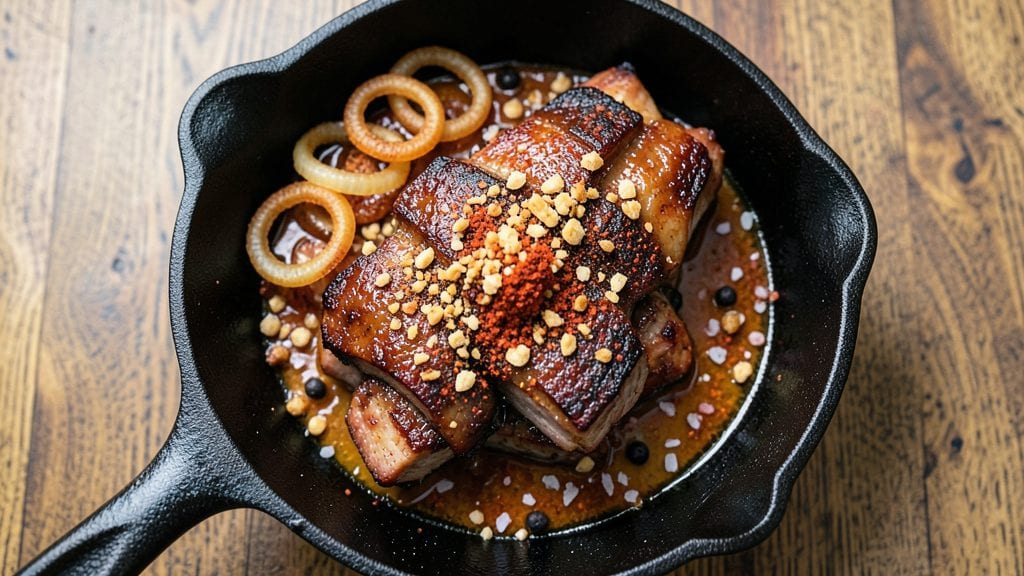
Mastering pork belly burnt ends starts with this deep-smoky dry rub—the secret to that perfect crust that cracks open to reveal melt-in-your-mouth tenderness.
Growing up in small-town Georgia, I learned that great BBQ begins with the right seasoning blend, and this one delivers restaurant-quality results with just a handful of pantry staples. The balance of brown sugar, smoked paprika, and black pepper creates a caramelized bark while keeping the interior juicy and rich.
This professional-grade rub uses six simple ingredients measured precisely for consistent flavor every time. Brown sugar forms the base for that signature caramelized crust, while smoked paprika and cayenne add layers of smoky heat.
A touch of garlic powder and onion powder builds depth, and coarse black pepper ensures a textured finish that clings perfectly to the pork belly. Store it in an airtight jar for up to three months—ready to elevate any pork dish.
The magic happens when you apply this rub generously to chilled pork belly, letting it develop a crust while the meat remains tender inside. Whether you're smoking, grilling, or slow-cooking, this blend transforms ordinary pork into something extraordinary.
The result? A fall-apart texture with a crispy, aromatic exterior that'll have everyone asking for seconds.
For variations, swap out the cayenne for chipotle powder for extra smokiness or add a teaspoon of mustard powder for tangy depth. Keep the core ratio intact—this is the foundation that works every time. Let's get seasoning!
Ingredients for pork belly burnt ends dry rub
Six pantry staples. One jar. The perfect crust for your pork belly.
| Ingredient | Amount | Notes |
|---|---|---|
| Brown Sugar 🍚 | ½ cup | Packed, for caramelization |
| Smoked Paprika 🌶️ | 2 tbsp | Smoky depth preferred |
| Cayenne Pepper 🔥 | 1 tsp | Adjust for heat |
| Garlic Powder 🧄 | 1 tsp | Not garlic salt |
| Onion Powder 🧅 | 1 tsp | Fresh ground preferred |
| Coarse Black Pepper 🌶️ | 1 tbsp | Freshly ground ideal |
Brown sugar is your secret weapon—packed tightly for maximum caramelization. I always grab the organic variety from Whole Foods or the bulk section at Trader Joe's, but honestly any dark brown sugar works fine. The smoked paprika? Look for Penzeys or McCormick—they've got that deep, wood-fired flavor that makes all the difference. For the cayenne, a tiny pinch goes a long way, so don't overdo it unless you're feeling adventurous. The garlic and onion powders are non-negotiable—they're what ties everything together, giving that classic BBQ depth.
No cayenne? Chipotle powder at half the amount adds smokiness without the heat. Want extra tang? Add 1 tsp of mustard powder—trust me, it brightens up the rub. Freshly ground black pepper is ideal, but pre-ground coarse pepper works too. If you're in a pinch, swap the onion powder for 1 tsp of onion flakes, though it won't be as potent. The brown sugar can be light or dark—both work, but dark adds a deeper molasses flavor that pairs beautifully with the smokiness.
Store in an airtight jar in a cool, dark place for up to 6 months. I like to portion it into small containers so I've got fresh rub ready whenever I'm craving those burnt ends. The flavors actually get better over time, so don't toss out old rub—just give it a sniff first. This rub works just as well on chicken wings or even roasted potatoes, so you'll find yourself reaching for it more often than you think.
Why You'll Love This Recipe
- No-Fuss Mixing: Honestly, this rub takes less than five minutes to toss together—just whisk, fold, and press. No fancy tools, no measuring madness. I keep a small bowl and fork by my spice rack, and in under a minute, I’ve got that perfect blend of coarse black pepper and onion powder working its magic. The rest is just adding the other ingredients and breaking up clumps with my fingers. Seriously, this is the kind of recipe that lets you cook without stressing.
- Campfire in a Rub: That smoked paprika? Game changer. It’s like wrapping your pork belly in a campfire’s embrace—deep, smoky, and impossible to resist. The brown sugar caramelizes into a glossy crust that’s sweet but not cloying, while the cayenne pepper adds just enough heat to make every bite sing. Between us, the garlic and onion powders keep it from tasting like just "spicy sugar"—it’s a complex, savory-sweet-smoky trifecta that’ll have your taste buds doing backflips.
- Leftovers? Yes, Please: This isn’t just for Sunday dinners—it’s my secret weapon for meal prep. I make a big batch of the rub (it keeps for six months, by the way) and keep it on hand to throw on pork belly for weeknight suppers, game day snacks, or even to sprinkle over roasted potatoes. My kids don’t even know they’re eating "burnt ends"—they just know it’s their favorite. And honestly? The rub works just as well on chicken thighs or even potatoes if you’re feeling adventurous.
- Budget-Friendly Bang: Let’s talk practicality. This rub costs me about $3 to make, and a ½ cup of brown sugar and a handful of spices stretch over dozens of meals. I’ve used the same jar for years, and it’s still going strong. No expensive cuts of meat required—pork belly is affordable, and this rub turns it into something special without breaking the bank. It’s the kind of recipe that makes me feel like a fancy chef without the fancy price tag. Plus, if you’re feeding a crowd, it’s a no-brainer.
Step-by-step instructions for pork belly burnt ends dry rub
Here's how to create a bold, smoky crust that transforms tough pork belly into melt-in-your-mouth bites.
Combine the Base Dry Ingredients
In a medium bowl, whisk together the 1 tablespoon coarse black pepper and 1 teaspoon onion powder until evenly distributed. This foundational blend creates the perfect balance of heat and depth. I like to use a fork for this step—it helps break up any peppercorn clusters and ensures even distribution.
The coarse black pepper adds a sharp, aromatic kick that cuts through the richness of the pork belly, while the onion powder provides a subtle sweetness that rounds out the flavor profile. Don't skip whisking these first—they're the backbone of the rub and need to be fully integrated before adding the remaining ingredients.
Add Smoked Paprika and Garlic Powder
Next, add the 2 tablespoons smoked paprika and 1 teaspoon garlic powder to the bowl. Mix thoroughly until the spices are completely blended with the black pepper and onion powder. The smoked paprika should coat every particle of the other spices, creating a uniform color and flavor distribution.
This is where the magic happens—the smoked paprika brings that deep, campfire-like flavor that burnt ends are famous for. The garlic powder adds a savory depth that complements the smokiness without overpowering it. I like to press the spices through my fingers to break up any clumps, ensuring they'll stick perfectly to the pork belly later.
Incorporate the Brown Sugar for Caramelization
Finally, add the ½ cup packed brown sugar to the dry spice mixture. Using a rubber spatula, gently fold the brown sugar into the spices until fully combined. The brown sugar should look like it's being coated in a fine dust of spices—this ensures an even distribution when you apply it to the pork.
Here's the thing—this brown sugar isn't just for sweetness. When it caramelizes during cooking, it creates that beautiful, glossy crust that's both sweet and smoky. The packed measurement is crucial; don't scoop it directly from the bag or you won't get enough volume. Press it firmly into the measuring cup to achieve the correct packed density.
Test the Rub Consistency
Transfer the completed dry rub to a small mixing bowl or plate. Use your fingers to gently press and spread the mixture, checking for even texture. The rub should be coarse enough to stick to the pork belly but fine enough to create a smooth, even coating when applied.
If you notice any large clumps, press them through a fine-mesh sieve or rub them between your palms to break them down. This step is all about ensuring every bite of your burnt ends gets that perfect balance of smoky, spicy, and sweet flavors. Once satisfied, transfer the rub to an airtight container for storage until ready to use.
Apply the Rub to Pork Belly (Critical for Tenderness)
Pat the pork belly completely dry with paper towels—this is non-negotiable for crispy bark. Generously apply the dry rub all over the pork belly, pressing it firmly into the surface so it adheres well. Don't be shy with the amount; you want a thick, even coating that will caramelize beautifully during cooking.
Here's the moment that matters: Let the rubbed pork belly rest at room temperature for 30 minutes before cooking. This allows the rub to penetrate slightly and ensures even cooking. The pork should be at room temperature when it hits the heat—this prevents uneven cooking and helps create that perfect crispy crust.
Pro Tips For Making Pork Belly Burnt Ends Dry Rub
- Pack the Brown Sugar: Scoop it straight from the bag and you’ll end up with a dry, crumbly mess—this rub needs the brown sugar packed tight. Press it into the measuring cup with a spoon until it refuses to compress further, or you’ll miss out on that deep caramelization that makes the crust stick.
- Finger-Fold the Rub: After mixing, don’t just stir the brown sugar in—use your fingers to break up any stubborn clumps and work it into the spices until every grain is coated. This isn’t just about even flavor; it’s about making sure the rub clings to the pork like glue when you apply it.
- Rest the Meat: Skipping the 30-minute room-temperature rest is how you end up with uneven cooking and a sad, limp crust. Let that pork belly sit uncovered while you finish prepping—it’s the difference between burnt ends that fall apart and ones that hold their shape.
- Sieve the Clumps: If your rub looks like gravel, press it through a fine-mesh sieve before applying. A few stray chunks won’t ruin the dish, but they’ll leave patches of pork tasting bland while the rest gets overpowered by spice—no one wants that.
Serving suggestions for this dish
Plating Like a Pro
When serving your burnt ends, I like to arrange them on a wooden board or slate platter for that rustic BBQ aesthetic. The natural grain of the wood enhances the earthy flavors of the pork.
For extra presentation, scatter crushed red pepper flakes around the edges to add a pop of color and a subtle kick. It’s a small touch that makes your dish look as good as it tastes. 🍖
Sauce Pairings
A drizzle of smoky BBQ sauce (like Stuart’s Original) cuts through the richness of the burnt ends perfectly. I recommend using a 1:1 ratio of sauce to pork—just enough to glaze without overpowering.
For a tangy twist, try a spicy vinegar-based sauce like Sweet Baby Ray’s with an extra ½ tsp of cayenne mixed in. Both elevate the dish without competing with the rub’s flavors.
Side Dish Harmony
Serve your burnt ends with creamy coleslaw to balance the smoky sweetness. I make mine with sharp cheddar, apple cider vinegar, and a touch of celery seed for depth.
Alternatively, a cornbread muffin with honey butter soaks up every last bit of flavor. The contrast of textures and temperatures makes every bite memorable.
Drink Pairings
For a classic pairing, reach for an ice-cold Southern sweet tea—the tartness cleanses the palate between bites. If you prefer beer, a light lager like Miller Lite keeps things crisp and refreshing. Wine lovers should opt for a dry Riesling; its acidity complements the smoky sweetness without clashing.
I always keep a pitcher of tea on hand at my farm—it’s non-negotiable for burnt ends night. 🍹
Garnish Elevation
Finish each plate with a sprinkle of fresh parsley or cilantro for a bright, herby contrast. A drizzle of honey over the top adds a glossy sheen and subtle sweetness.
For a luxurious touch, place a thin slice of apple beside each serving—its acidity cuts through the fat beautifully. These small details turn a great dish into a showstopper.
Nutrition facts
Frequently asked questions
Why does the brown sugar need to be packed?
Packing the brown sugar ensures you get the full ½ cup measurement needed for that perfect caramelized crust. When you scoop it loosely, you miss out on the dense, moist granules that create the right texture for sticking to the pork belly and forming that signature glossy bark. Trust me—this small step makes a huge difference in flavor and appearance!
Can I make this dry rub without cayenne pepper?
If you prefer less heat, simply omit the 1 teaspoon cayenne pepper or reduce it to ½ teaspoon. For extra smokiness without the heat, swap it for ½ teaspoon chipotle powder. The core flavors will still shine—this rub is designed to be flexible for your taste preferences.
How do I store the dry rub for best results?
Store your dry rub in an airtight jar in a cool, dark place for up to 6 months—flavors actually deepen over time! I like to keep mine in small portions so I always have fresh rub ready. Just give it a sniff before using—if it smells strong and spicy, it's still perfect. No need to refrigerate unless you live in a very humid climate.
Can I use this rub on other meats besides pork belly?
This rub works beautifully on chicken wings, ribs, or even roasted potatoes! The balance of sweet, smoky, and spicy flavors makes it versatile. For chicken, you might want to reduce the brown sugar slightly to avoid overpowering the lighter meat. The key is to apply it generously and let it develop that crispy crust during cooking.