
Main Courses
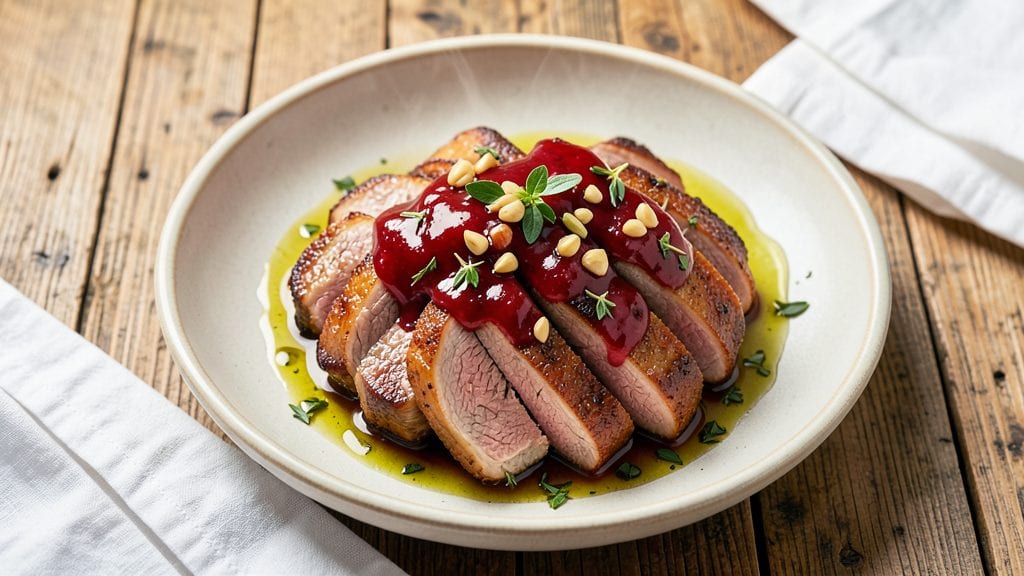
Transforming tough pork hearts into tender, juicy cuts with deep umami flavor is simpler than you think—this recipe delivers restaurant-quality results at home.
I first discovered pork hearts while exploring Sicilian markets with my grandmother, who taught me how to prepare them with just the right balance of acid and heat to break down their natural toughness.
The key lies in proper preparation and cooking technique, ensuring every bite is succulent rather than chewy.
This method focuses on pan-searing for maximum flavor development, followed by a slow braise that renders fat and infuses the meat with rich, savory notes. Unlike other cuts, pork hearts benefit from a marinade that tenderizes while adding layers of complexity—think garlic, vinegar, and aromatic herbs.
With just 30 minutes of active prep and 2 hours of hands-off cooking, you'll have a dish that's impressive yet approachable, perfect for family dinners or special occasions.
The result is fork-tender pork hearts with a caramelized exterior and a moist, flavorful interior, ready to be served with roasted potatoes or a bright tomato sauce. My grandmother always paired them with sautéed greens and crusty bread to soak up every last bit of the juices.
This recipe honors those traditions while adapting them for modern kitchens—no special equipment required, just patience and attention to detail.
Whether you're introducing pork hearts to your table for the first time or perfecting a family recipe, this method ensures consistent results every time. The secret? Don't rush the cooking process—let the meat work with you, and you'll be rewarded with a dish that's as satisfying as it is flavorful.
Let's get started!
Ingredients for pork hearts
Pantry staples and Sicilian-inspired ingredients come together for restaurant-quality pork hearts.
| Ingredient | Amount | Notes |
|---|---|---|
| Pork Hearts 🐷 | 2 lb | Trimmed of excess fat, cut into 1-inch cubes |
| Extra-Virgin Olive Oil 🫒 | ½ cup | High-quality for searing |
| Garlic Cloves 🧄 | 8 cloves | Minced, fresh preferred |
| Red Wine Vinegar 🍷 | ¼ cup | For tenderizing |
| Dry White Wine 🍷 | 1 cup | Decanted for marinade |
| Dried Oregano 🌿 | 1 tbsp | Mexican oregano if available |
| Ground Black Pepper 🌶️ | 1 ½ tbsp | Freshly ground preferred |
| Diamond Crystal Kosher Salt 🧂 | 1 ½ tbsp | For seasoning balance |
| Fresh Rosemary 🌿 | ½ oz | Stems removed, finely chopped |
| Chicken Broth 🍲 | 2 cups | Low-sodium for control |
| Tomato Paste 🍅 | ¼ cup | For depth of flavor |
| Brown Sugar 🍚 | 1 tbsp | For caramelization |
| Fresh Parsley 🌿 | ¼ cup | Chopped, for garnish |
| Red Bell Pepper 🌶️ | 1 whole | Diced, for color and texture |
| Onion 🧅 | 1 whole | Yellow, finely diced |
The pork hearts are the star here—look for fresh, bright red cuts at specialty butchers or Italian markets. I always buy them whole and trim the excess fat myself, which helps control the cooking process. Costco's meat section sometimes carries them pre-cut, but if you're buying whole, ask for 1-inch cubes—this ensures even cooking. The key to tenderness is proper trimming; don't skip this step, even if it takes 10 minutes. Trust me, the difference is night and day.
No white wine on hand? Substitute equal parts beef broth and apple cider vinegar—it mimics the acidity and sweetness balance. Dried oregano is ideal, but if you've got Italian seasoning, use half the amount of oregano and double the thyme. For the tomato paste, San Marzano crushed tomatoes work in a pinch if you're in a rush, but they won't give the same depth. The red bell pepper adds sweetness and color—any mild bell pepper will do, but red keeps the presentation vibrant.
This dish tastes even better the next day, so make it ahead if you can. Store the cooked pork hearts in their braising liquid in the fridge for up to 5 days. For long-term storage, portion into freezer-safe containers and freeze for 3 months. The marinade can be prepped a day ahead—just keep it refrigerated. When reheating, add a splash of water to prevent drying, and simmer gently for 10 minutes to revive the flavors.
Why You'll Love This Recipe
- Marinade Magic: The red wine vinegar and dry white wine do the heavy lifting—soaking those tough pork hearts overnight turns them from chewy to melt-in-your-mouth. I swear by that 4-hour (or overnight) marinade; it’s the difference between "meh" and "wow."
- One-Pan, One-Skillet: No fancy equipment, just one heavy skillet. Sear the hearts, toss in the onion and bell pepper, braise, and done. The brown sugar and tomato paste caramelize into a glossy sauce that sticks to everything—no extra dishes, just flavor.
- Budget-Friendly Protein: Pork hearts are one of the most affordable cuts, but they taste like a splurge thanks to the garlic, rosemary, and herbs. I feed my family four with leftovers that last five days—perfect for busy weeks when you want hearty meals without the cost.
- Weeknight Hero: Honestly, this is my secret weapon for nights when I’m exhausted but still want something special. The marinade can prep ahead, and the braising happens while I do dishes or zone out on Netflix. Crispy edges, creamy centers—it’s the kind of dish that makes you forget you’re eating "offal."
Step-by-step instructions for pork hearts with rich umami flavor
Here's how to transform tough pork hearts into melt-in-your-mouth tender bites with deep, savory depth.
Prepare the Pork Hearts for Maximum Tenderness
Begin by placing the 2 lb pork hearts in a large bowl. Pour over the ¼ cup red wine vinegar and let them soak for 30 minutes at room temperature. This acidic marinade works magic by breaking down connective tissues, ensuring fork-tender results. After soaking, drain and rinse the hearts thoroughly under cold water to remove any vinegar residue.
While the hearts drain, create your marinade base by combining the 1 cup dry white wine, 1 tbsp dried oregano, 1½ tbsp ground black pepper, and 1½ tbsp diamond crystal kosher salt in a separate bowl. Whisk until the salt and pepper dissolve completely. Add the drained pork hearts to this marinade and refrigerate for at least 4 hours, or preferably overnight. The longer they marinate, the more tender they'll become.
Sear and Build Flavor Layers
Remove the pork hearts from the marinade and pat them completely dry with paper towels—this step is crucial for achieving a perfect sear. Heat ½ cup extra-virgin olive oil in a large, heavy skillet over medium-high heat until it shimmers. Working in batches if needed, add the hearts and sear for 3-4 minutes per side until they develop a deep golden-brown crust. Don't overcrowd the pan or they'll steam instead of sear.
Once seared, remove the hearts and set them aside. In the same skillet, add the 1 finely diced onion and 1 diced red bell pepper. Cook for 5 minutes until softened, then add the 8 minced garlic cloves and ½ oz finely chopped fresh rosemary. Stir for 30 seconds until fragrant—this aromatic base will infuse your final dish with complex flavor.
Braise for Unmatched Tenderness
Return the seared pork hearts to the skillet with the vegetables. Pour in the 2 cups chicken broth and bring to a gentle simmer. Add the ¼ cup tomato paste and 1 tbsp brown sugar, stirring to combine. The tomato paste adds depth while the brown sugar promotes caramelization for a glossy finish. Cover the skillet and reduce heat to low, then braise for 1½ to 2 hours until the pork hearts are fork-tender and easily pull apart.
During the braising process, you'll notice the pork hearts release their juices into the sauce. This is exactly what you want—the flavors meld together to create a rich, umami-packed sauce. If the liquid reduces too much before the hearts are tender, add water to maintain moisture. The dish is ready when the hearts reach an internal temperature of 195°F and the sauce has thickened slightly.
Finish with Fresh Herbs and Garnish
Once the pork hearts are perfectly tender, remove them from the skillet and transfer to a serving platter. Skim any excess fat from the sauce if desired, then stir in the ¼ cup chopped fresh parsley to brighten the dish with freshness. The parsley not only adds visual appeal but also balances the rich, savory flavors with its bright notes.
Serve the pork hearts immediately, spooning the flavorful braising liquid over the top. Each bite should deliver tender, juicy meat with a perfect balance of umami from the marinade, sweetness from the caramelized sauce, and fresh herbal notes. This dish pairs beautifully with crusty bread to soak up every last drop of that delicious sauce.
Pro Tips For Making Pork Hearts
- Sear in Batches: I learned this the hard way—trying to sear all 2 lbs of pork hearts at once just makes them steam instead of brown. Work in batches, even if it takes twice as long, and keep the oil hot enough to shimmer. That golden crust is what locks in flavor, not a sad, pale surface.
- Don’t Skip the Vinegar Rinse: After soaking the hearts in red wine vinegar, I used to skip the cold water rinse—big mistake. The residual acidity can make the marinade taste harsh and turn the final dish sour. A thorough rinse removes the bite without washing away the tenderizing magic.
- Stir the Tomato Paste: Sounds weird, but it works: whisk the tomato paste into the chicken broth before adding it to the skillet. I used to just toss it in dry, and it’d clump like glue. A smooth paste ensures even caramelization and a glossy sauce—no one wants lumpy bits in their braise.
- Check Internal Temp: The recipe says 195°F, and I know it’s tempting to eyeball it, but resist. Pork hearts can look tender before they’re truly done—inserting a thermometer guarantees they’ll pull apart like butter. No one wants to serve chewy, undercooked meat, even if it looks perfect.
Pro cooking tips for this dish
Master the Sear
Getting that perfect golden-brown crust on pork hearts is all about medium-high heat and patience. I use a cast-iron skillet because it retains heat so well, but a heavy stainless steel pan works too. Don’t rush—searing for 3-4 minutes per side ensures a flavorful crust without drying out the meat.
If your pan isn’t hot enough, the hearts will steam instead of sear, and you’ll lose that delicious Maillard reaction. 🔥
Don’t Skip the Vinegar Soak
The 30-minute vinegar soak is non-negotiable for tenderness. It breaks down the tough connective tissues, but you must rinse the hearts afterward to remove excess acidity. I’ve made this mistake before—trust me, the vinegar flavor can overpower if not rinsed properly.
This step is what separates restaurant-quality pork hearts from tough, chewy bites.
Braise Low and Slow
After searing, braising at low heat for 1½ to 2 hours is where the magic happens. The chicken broth and tomato paste create a rich, umami-packed sauce that infuses the meat.
If your sauce reduces too quickly, add ¼ cup water to keep everything moist. I always check the internal temperature—195°F is perfect for fork-tender results. 🌡️
Use the Right Tools
A good meat thermometer is a game-changer for pork hearts. I swear by the Thermoworks Smoke because it’s durable and accurate. Without one, you’re guessing, and pork hearts can easily dry out if overcooked.
I also recommend a wooden spoon for stirring the braising liquid—it’s gentle on the pan and helps distribute flavors evenly.
Avoid Overcrowding the Pan
Working in batches is key when searing pork hearts. Overcrowding the pan lowers the temperature and turns your sear into a steam. I pat the hearts thoroughly dry before searing—this ensures a proper crust.
If you’re short on time, use a deeper skillet to accommodate more hearts at once, but don’t sacrifice heat or space.
Finish with Fresh Herbs
Stirring in fresh parsley at the end brightens up the dish and cuts through the richness. I also like to sprinkle a pinch of flaky sea salt on top before serving—it adds a final pop of flavor.
Garnishing with a few rosemary sprigs makes the dish look even more inviting and ties back to the aromatic base you built earlier. ✨
Nutrition facts
Frequently asked questions
Why does the recipe use vinegar for pork hearts?
The 30-minute vinegar soak is essential because it tenderizes the tough connective tissues in pork hearts. The acidity breaks down proteins, ensuring fork-tender results. Always rinse thoroughly afterward to avoid overpowering flavors—this step transforms tough cuts into melt-in-your-mouth bites.
Can I substitute ingredients if I don’t have dry white wine?
Mix equal parts beef broth and apple cider vinegar to replicate the acidity and depth. The vinegar tenderizes while the broth adds savory richness. This swap works perfectly for the marinade without altering the final dish’s character.
What if my pork hearts aren’t fork-tender after braising?
Check the internal temperature—it should reach 195°F. If they’re still firm, return them to the skillet with ¼ cup water and braise another 30 minutes. Overcrowding the pan or removing them too early can cause this. Patience is key for perfect tenderness!
How do I store leftover pork hearts?
Store the cooked hearts in their braising liquid in an airtight container in the fridge for up to 5 days. For freezing, portion into containers and freeze for 3 months. Reheat gently with a splash of water to restore moisture. This preserves flavor and texture beautifully.