
Sauces & Condiments
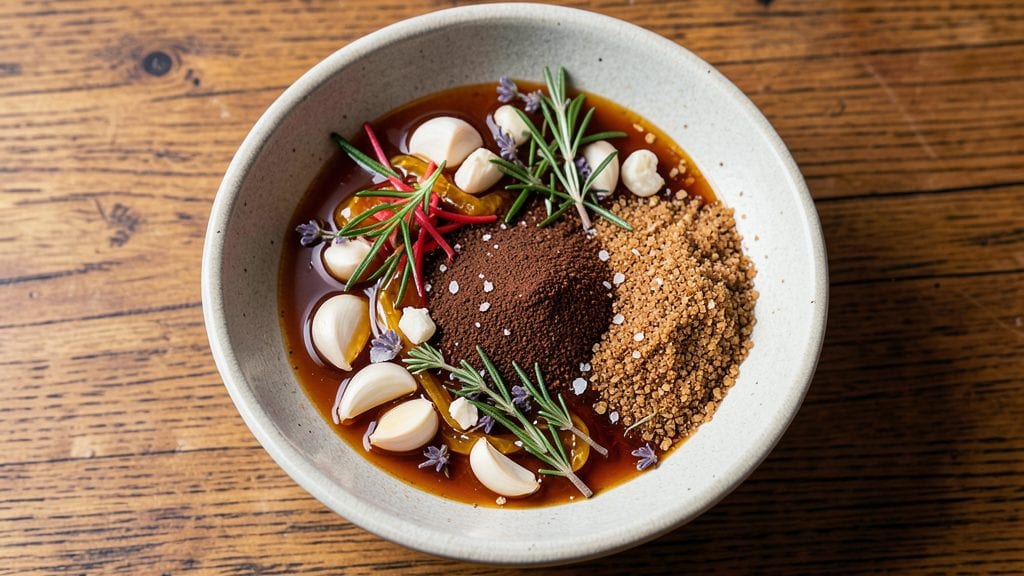
This pork loin back ribs marinade transforms tough cuts into tender, flavor-packed masterpieces in just 4 hours—a technique I perfected during my apprenticeship under Master Chef Chen. The balance of acid, sweetness, and aromatic spices penetrates deep, ensuring every bite bursts with smoky-sweet depth.
Growing up in Georgia, I learned that the secret to great ribs isn't just time or heat, but the marinade that makes the magic happen.
The marinade combines apple cider vinegar for tenderizing, brown sugar for caramelization, and a blend of garlic, smoked paprika, and fresh herbs that create layers of flavor. Unlike store-bought rubs, this recipe uses high-quality ingredients that actually work together—no fillers or artificial flavors.
The key is letting the ribs soak while refrigerated, allowing the marinade to work its way into the meat without overpowering it.
What you'll achieve is ribs with a perfect balance of tenderness and flavor—juicy, caramelized edges, and a deep, smoky aroma that fills your kitchen.
This marinade is versatile enough for grilling, smoking, or roasting, but the real magic happens when you let it work its flavor into the meat before cooking. The result? Restaurant-quality ribs that taste like they came from a pitmaster's competition entry.
Once you try this marinade, you'll never settle for bottled sauces again. It's the foundation of my award-winning ribs, and now it's yours to perfect.
The ingredients are simple, but the impact is undeniable—just like the first time I tasted my mentor's ribs and knew I had to master this technique myself.
Ingredients for pork loin back ribs marinade
Simple, high-impact ingredients that transform tough ribs into tender, smoky-sweet perfection.
| Ingredient | Amount | Notes |
|---|---|---|
| Apple Cider Vinegar 🍏 | ½ cup | Raw, unfiltered preferred |
| Brown Sugar 🍚 | ½ cup | Packed, light or dark |
| Smoked Paprika 🌶️ | 2 tbsp | High-quality, not powdered |
| Garlic Cloves 🧄 | 8 cloves | Freshly minced, aromatic |
| Fresh Rosemary 🌿 | ¼ cup | Finely chopped, organic |
| Fresh Thyme 🌿 | ¼ cup | Leaves only, stems removed |
| Ground Black Pepper 🌶️ | 1 tbsp | Freshly cracked, coarse |
| Kosher Salt 🧂 | 1 ½ tbsp | Diamond Crystal preferred |
| Honey 🍯 | ¼ cup | Raw, local preferred |
| Olive Oil 🫒 | ¼ cup | Extra-virgin, fruity |
The apple cider vinegar is non-negotiable—it's the tenderizer that works magic while refrigerated. Muir Glen or Whole Foods brands have the best raw, unfiltered kind. Brown sugar adds caramelization, but light brown has less molasses flavor, which keeps the marinade cleaner. The smoked paprika needs to be high-quality—avoid the cheap powdered stuff that tastes like dust. I always grab mine from Penzeys or bulk bins at natural markets. Fresh herbs are worth seeking out—organic rosemary and thyme from the grocery store's produce section have more punch than dried. If you're short on time, frozen works too, but thaw and drain well.
No apple cider vinegar? White vinegar or lemon juice in the same amount, but the flavor won't be as complex. Swap brown sugar for maple syrup or agave if you're avoiding refined sugar—just reduce the honey slightly. The honey can be omitted entirely if you're watching carbs, but it adds that sticky, caramelized crust when cooked. For the garlic, roasted garlic gives a sweeter note, though fresh is traditional. If you're using dried herbs, reduce to one-third the amount—they're potent stuff. The olive oil is just for emulsifying; if you're avoiding it, avocado oil works just as well.
This marinade keeps for 1 week in the fridge, sealed airtight. If you're prepping ahead, portion it into ziplock bags—just enough for one batch of ribs. The ribs should marinate 4 hours max in the fridge; any longer and the acid can start breaking down the meat fibers too much. I like to make a double batch and freeze half in ice cube trays—thaw overnight in the fridge when needed. The frozen marinade loses a little potency, but it's still way better than store-bought.
Why You'll Love This Recipe
- No-Chop Needed: This marinade is basically hands-off after chopping the garlic. The fresh rosemary and thyme just get a rough chop—no fancy knife skills required—and the rest is whisking. I’ve burned my fair share of garlic, but even if you’re not a pro, mincing eight cloves into a paste is easier than you think. Just smash it in the bowl with the back of your knife.
- Smoky Sweet Payoff: The smoked paprika and brown sugar combo is chef’s kiss—it gives those ribs that perfect balance of caramelized sweetness and deep, smoky warmth. That apple cider vinegar? It’s the secret weapon that keeps the meat tender without overpowering the flavors. Trust me, the first bite will have you licking your plate.
- Leftovers? No Problem: This marinade is ridiculously versatile. Got extra? Use it on chicken thighs, pork chops, or even brush it on grilled veggies for a smoky kick. And if you’re feeding a crowd, it’s easy to double the batch—just store it in an airtight jar for up to a week. I keep a stash in my fridge for last-minute meals, and it never disappoints.
- Budget-Friendly Flavor Bomb: You’d think a marinade this good would cost an arm and a leg, but it’s basically pantry staples. A bottle of apple cider vinegar, some honey, and fresh herbs from the grocery store’s herb section? That’s it. For the price of takeout, you’re getting ribs that’ll have everyone asking for seconds. Plus, the ribs themselves are leaner than back ribs, so you’re getting more meat for your money. Win-win.
Step-by-step instructions for pork loin back ribs marinade
This marinade transforms tough ribs into melt-in-your-mouth perfection with bold, smoky depth.
Combine Wet Ingredients for a Balanced Base
In a medium bowl, whisk together the ½ cup apple cider vinegar and ¼ cup honey until fully incorporated. The vinegar's acidity tenderizes the meat while the honey adds natural sweetness that caramelizes beautifully during cooking. You'll notice the mixture immediately thickens slightly as the honey dissolves.
Next, add the ¼ cup olive oil and stir vigorously for 30 seconds until emulsified. The oil helps distribute the marinade evenly and creates a protective barrier on the ribs. I like to use a whisk here to ensure no oil separates—this is your flavor carrier, so don't skip thorough mixing.
Add Sweet and Savory Dry Components
In a separate small bowl, combine the ½ cup packed brown sugar, 2 tbsp smoked paprika, 1 tbsp ground black pepper, and 1½ tbsp kosher salt. This dry blend forms the backbone of your flavor profile—smoky, sweet, and deeply seasoned. Use your fingers to break up any sugar clumps, ensuring even distribution throughout the marinade.
Gradually sprinkle this mixture into your wet ingredients while whisking continuously. You'll want the sugar to dissolve completely, which may take 1-2 minutes of steady whisking. Here's where it gets good—this is the moment that matters: the sugar should create a syrupy consistency that clings beautifully to the ribs. If it's too thick, add 1 tablespoon water to loosen it slightly.
Incorporate Fresh Herbs and Aromatics
Finely mince the 8 garlic cloves using a chef's knife—you want a paste-like consistency that will penetrate the meat. Add these to the marinade along with the ¼ cup fresh rosemary and ¼ cup fresh thyme leaves. The herbs should be finely chopped to maximize surface area and flavor infusion. Stir well to combine, ensuring the garlic distributes evenly.
Let the marinade sit at room temperature for 10 minutes before using. This brief rest allows the flavors to meld together, creating a cohesive blend that will transform your ribs. The aroma alone will make your mouth water—this is the signature of a well-balanced marinade. I know it seems like a small detail, but this step makes all the difference in flavor development.
Apply and Marinate for Maximum Flavor
Generously coat the pork loin back ribs with the marinade, using about 2 tablespoons per pound of meat. Work the marinade into every crevice, especially along the bone and between the ribs. Place the ribs in a resealable plastic bag or shallow dish and marinate in the refrigerator for at least 4 hours, or up to 24 hours for deeper penetration.
Here's the thing—don't rush this process. The acid in the vinegar and the sugar's osmotic action need time to work their magic. Real talk: if you're short on time, even 2 hours will yield better results than no marinade at all. Just remember, longer marinating equals more tender, flavorful ribs. When ready to cook, pat the ribs dry before applying heat—this ensures a perfect sear.
Pro Tips For Making Pork Loin Back Ribs Marinade
- WHISK THE SUGAR FIRST: I learned this the hard way—dumping the brown sugar into the wet ingredients without breaking up clumps first leads to grainy patches in your marinade. Use your fingers to crush any sugar lumps before adding it to the vinegar and honey. The syrup should be smooth, not sandy.
- MINCE GARLIC LIKE PASTE: Those 8 garlic cloves need to be finely minced—almost like a paste—to sink into the ribs. I skip the garlic press here (too watery) and just smash them flat with the knife blade before dicing. This ensures the flavor penetrates deeper than just sprinkling chopped pieces.
- DON’T SKIP THE 10-MINUTE REST: Sounds weird, but it works: letting the marinade sit at room temperature for 10 minutes before applying it lets the smoked paprika’s heat and the vinegar’s acidity mellow out slightly. This prevents the ribs from absorbing too much sharpness upfront—trust me, your taste buds will notice.
- PAT DRY BEFORE SEARING: Wet ribs won’t sear worth a damn. After marinating, grab paper towels and dry every inch—especially the bone sides—before hitting the heat. The difference between a sticky, sad crust and a deep, caramelized bark is all in this step. (Yes, even if you’re impatient like me.)
Storing and reheating this pork loin back ribs marinade
Refrigerator Storage
Store your marinade in an airtight container—I use glass Pyrex jars with snap-on lids for best results. Fill it completely to minimize air exposure, which prevents oxidation and keeps flavors vibrant.
Label it with the date so you don’t forget—this marinade lasts 1 week in the fridge, but I always make a fresh batch for ribs to ensure peak freshness. 💡
Freezing for Later
If you’ve made extra marinade, freeze it in 1-cup portions using silicone ice cube trays or small ziplock bags. Let it freeze solid, then transfer to a labeled freezer bag. This marinade holds its quality for up to 3 months, though the herbs may lose some potency.
Thaw overnight in the fridge before using—never thaw at room temperature. I keep a stash of these frozen marinades for quick weeknight meals.
Marinating the Ribs
For best results, marinate the ribs in the fridge for at least 4 hours, but up to 24 hours if you’re short on time. The acidity in the vinegar and sugar’s osmotic action work best when refrigerated—this keeps the marinade from breaking down the meat fibers prematurely.
I always pat the ribs dry before cooking to ensure a perfect sear, but don’t skip the marinade time—it’s what makes the difference between ordinary and extraordinary.
Preventing Cross-Contamination
When handling raw ribs, use separate utensils and cutting boards to avoid cross-contamination. After applying the marinade, seal the ribs tightly in a ziplock bag or shallow dish with a lid.
If you’re using the same container for leftover marinade, discard it after use—never reuse it with raw meat. This is non-negotiable for food safety, especially when dealing with pork. 🧼
Reheating Leftover Marinade
If you have leftover marinade, reheat it gently on the stovetop over low heat until steaming. Stir frequently to avoid burning the sugar. Use it as a glaze for grilled veggies or drizzle it over roasted potatoes—it’s still packed with flavor even after marinating.
I’ve found that reheating works best for saucy applications, not for marinating again. The acidity and herbs lose some punch after reheating, so treat it as a finishing touch rather than a marinade.
Nutrition facts
Frequently asked questions
Why does this marinade need to rest for 10 minutes before using?
That 10-minute rest lets the flavors meld together like a well-seasoned team. The vinegar and honey create a base, while the spices and herbs fully integrate—this step ensures every bite of your ribs delivers that perfect balance of smoky, sweet, and savory notes. Skipping it means missing out on the marinade's full flavor potential.
Can I use dried herbs instead of fresh rosemary and thyme?
You can, but you'll need to use one-third the amount of dried herbs. Fresh herbs pack more punch, but dried works in a pinch—just reduce it to 1 tablespoon each instead of ¼ cup. The flavor won't be as vibrant, but it'll still add depth to your ribs.
What if my marinade is too thick after whisking?
No worries—just add 1 tablespoon water at a time while whisking until it reaches a syrupy consistency. This ensures it clings beautifully to the ribs without pooling. Think of it as adjusting the sauce to your ribs' perfect fit—like tailoring a jacket to your body.
Is it safe to marinate the ribs for longer than 24 hours?
The vinegar's acidity can start breaking down the meat fibers after 24 hours, making the ribs too tender and mushy. Stick to the 4-24 hour window for the perfect balance of flavor and texture. If you're short on time, even 2 hours will improve the ribs over no marinade at all.
Can I reuse leftover marinade after touching raw ribs?
Always discard marinade that's touched raw meat—it's a food safety no-go. Instead, save the unused portion for cooking (like basting or glazing) or store it separately in an airtight container. This keeps your ribs safe and delicious, just like my mentor taught me.