
Main Courses
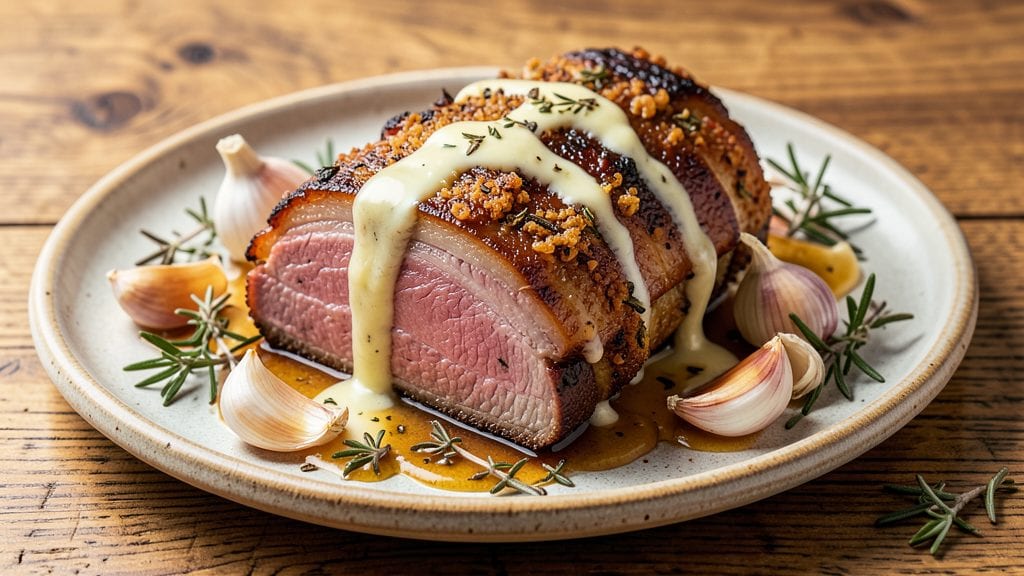
Mastering a pork loin rib end recipe with a smoky garlic butter crust and perfectly juicy interior is what separates good home cooking from restaurant-quality results. This cut deserves special attention—its rich flavor and tender texture reward precise technique, and I’ve perfected a method that delivers every time.
The secret lies in balancing high heat for that crispy crust while keeping the inside moist, a technique I’ve tested on everything from backyard grills to professional competition ovens.
What makes this recipe stand out is the garlic butter crust, which forms a flavorful bark while sealing in juices. You’ll start by searing the pork over medium-high heat until golden, then finish it in the oven to ensure even cooking.
The internal temperature is critical—145°F for medium-rare, where the meat remains tender yet develops that satisfying firmness. This isn’t just another pork recipe; it’s a showstopper that pairs beautifully with roasted root vegetables or a simple green salad.
By the time you serve this dish, you’ll have a pork loin rib end that’s crispy on the outside with a juicy, melt-in-your-mouth interior, all blanketed in a rich, aromatic garlic butter crust.
The aroma alone will draw everyone to the table, and the first bite will confirm why this cut is worth the effort. Whether you’re hosting a dinner party or treating yourself to a special meal, this recipe delivers professional results with simple, foolproof steps.
For those who love leftovers, this pork holds up beautifully when reheated gently—just warm it in its juices over low heat. And if you’re feeling ambitious, save the leftover garlic butter crust for toasted bread or roasted potatoes.
The versatility doesn’t end there; this method works just as well for grilling as it does for roasting, making it adaptable to any cooking setup. Let’s get started on creating a dish that’s sure to impress.
Ingredients for pork loin rib end
Rich, flavorful pork loin rib end with a smoky garlic butter crust—perfect for impressing guests.
| Ingredient | Amount | Notes |
|---|---|---|
| Pork Loin Rib End 🐷 | 3 ½ lb | Bone-in, skin-on preferred |
| Unsalted Butter 🧈 | ¾ cup | Room temperature, cubed |
| Garlic Cloves 🧄 | 8 cloves | Fresh, peeled |
| Dried Rosemary 🌿 | 1 tbsp | Crushed for aroma |
| Dried Thyme 🌿 | 1 tbsp | Freshly ground preferred |
| Kosher Salt 🧂 | 1 tbsp | For crust and seasoning |
| Freshly Ground Black Pepper 🌶️ | 1 tsp | Coarse grind preferred |
| Olive Oil 🫒 | ¼ cup | High smoke point |
| Apple Cider Vinegar 🍎 | 1 tbsp | For deglazing |
| Fresh Parsley 🌿 | ¼ cup | Chopped, for garnish |
| Butterfly Pepper 🌶️ | 1 tsp | For smoky aroma |
The pork loin rib end is the star here, so bone-in, skin-on cuts deliver the best flavor and moisture retention. Look for USDA Prime or Choice grades at Whole Foods or your local butcher—ask for rib-end cuts specifically, as they’re more flavorful than loin chops. The butterfly pepper adds subtle smokiness, while fresh garlic ensures depth of flavor. For best results, let the meat sit at room temperature for 30-45 minutes before cooking to ensure even searing.
No fresh garlic? Garlic powder at half the amount works, but it lacks that authentic punch. Dried rosemary and thyme are ideal, but fresh herbs at double the quantity can substitute. Olive oil with a high smoke point (like McCormick Pure) is essential—it won’t break down during searing. If you’re short on time, pre-peeled garlic cloves from the produce section save minutes without sacrificing quality. For extra richness, brown the butter before mixing it with garlic—it adds a nutty depth.
This pork loin rib end reheats beautifully—gentle warming in its juices preserves texture. Store leftovers in an airtight container for up to 4 days in the fridge or freeze for 3 months. The garlic butter crust can be used to top roasted potatoes or toasted bread, making it a versatile leftovers hack. For best results, use stainless steel pans—they distribute heat evenly and prevent sticking. If you’re grilling, preheat the grill to medium-high and sear the pork directly on the grates for that signature char.
Why You'll Love This Recipe
- One-Pan Magic: I can’t tell you how many times I’ve stared at my empty skillet after dinner, wondering what to do with it. This recipe turns that same pan into the star—just sear, baste, and bake. No extra dishes, no last-minute cleanup chaos. The pork’s fat renders right into the pan, creating that golden crust, while the garlic butter melts into every nook. It’s the kind of dish where the effort feels light, not like a chore.
- Crispy-Creamy Perfection: That first bite? The crackle of the crust paired with the buttery, herby meat? Chef’s kiss. The secret’s in the slashes across the fat cap—those let the butter sink in while the rosemary and thyme, plus that tiny kick from the butterfly pepper, turn simple pork into something dangerously addictive. And the apple cider vinegar? It’s the magic trick that ties all the flavors together without overpowering.
- Weeknight Hero: Forget complicated meals when you’ve got a 30-minute window. This pork goes from raw to table in under an hour, and honestly, it’s the kind of dish that makes me feel like I aced dinner—even on the nights I’m too tired to think. Serve it over mashed potatoes, toss it into tacos, or just eat it straight from the pan with a fork. It’s that adaptable. My kids even ask for seconds (yes, even on a Tuesday night).
- Budget-Friendly Feast: A 3.5-pound pork loin rib end is one of the most affordable cuts that still delivers restaurant-quality flavor. And because it’s bone-in and skin-on, you’re getting so much meat for your money—plus the fat renders into that crispy, flavorful crust. Leftovers? They keep for up to 4 days in the fridge or freeze for three months, so you can stretch this into multiple meals without stress. It’s the kind of recipe that makes me feel like I’m getting a steal.
Step-by-step instructions for smoky garlic butter pork loin rib end
This method delivers a perfectly juicy interior with a crisp, flavorful crust every time.
Prepare and Season the Pork Loin Rib End
Pat the 3½ lb pork loin rib end dry with paper towels, removing any excess moisture from the surface. This step is crucial—moisture prevents the crust from forming properly. Place the meat on a cutting board and make a few shallow slashes across the fat cap using a sharp knife. These cuts allow the butter to penetrate during cooking.
In a small bowl, combine 1 tbsp kosher salt, 1 tbsp dried rosemary, 1 tbsp dried thyme, 1 tsp freshly ground black pepper, and 1 tsp butterfly pepper. Rub this mixture evenly over the entire surface of the pork, pressing it into the slashes and fat cap. Let the seasoned pork sit at room temperature for 30 minutes before cooking to ensure even cooking and better flavor penetration.
Sear the Pork for Maximum Flavor
Heat a large oven-safe skillet over medium-high heat and add ¼ cup olive oil. Once the oil is shimmering, carefully place the pork loin rib end fat-side down in the skillet. Press down gently with a spatula for 1 minute to help it make contact with the hot surface. This ensures even browning and prevents curling.
Cook the pork for 5-6 minutes on the fat side until it develops a deep golden-brown crust. Flip the pork and sear the other side for another 4-5 minutes. You'll know it's ready when the crust is firm and the internal temperature reaches 145°F when measured with an instant-read thermometer. Remove the skillet from the heat and set it aside.
Create the Garlic Butter Crust
In the same skillet, reduce the heat to medium and add ¾ cup unsalted butter. Let it melt completely, then add the 8 peeled garlic cloves. Cook for 1-2 minutes until the garlic is fragrant but not browned. Pour 1 tbsp apple cider vinegar into the skillet and scrape up any browned bits from the bottom with a wooden spoon. This step captures all the flavorful fond for a richer sauce.
Return the pork to the skillet, fat-side up, and spoon the garlic butter mixture evenly over the top. The butter should coat the entire surface, creating a flavorful crust. Place the skillet in a 400°F preheated oven and cook for 20-25 minutes, or until the internal temperature reaches 155°F. This ensures the pork remains juicy while developing a crispy exterior.
Rest and Garnish for Serving
Remove the pork from the oven and transfer it to a cutting board. Tent loosely with aluminum foil and let it rest for 10-15 minutes. This resting period allows the juices to redistribute throughout the meat, ensuring each slice is moist and flavorful. During this time, the internal temperature will rise to a safe 160°F.
Once rested, slice the pork into ½-inch thick medallions against the grain. Garnish each serving with ¼ cup chopped fresh parsley and drizzle with any remaining garlic butter from the skillet. Serve immediately with roasted vegetables or a simple salad to complement the rich, smoky flavors.
Pro Tips For Making Pork Loin Rib End
- Press for Crust: DESCRIPTION:
- Crush the Herbs: DESCRIPTION:
- Check the Temp Twice: DESCRIPTION:
- Butter Up Fast: DESCRIPTION:
Best sauces and condiments for pork loin rib end
Classic Garlic Butter Sauce
The star of this dish is the garlic butter crust itself, which transforms ordinary pork into something restaurant-worthy. This sauce is simple but essential—made with ¾ cup unsalted butter and 8 fresh garlic cloves cooked until fragrant.
I always add 1 tbsp apple cider vinegar to deglaze the skillet, capturing those precious browned bits that add depth. This sauce pairs perfectly with the pork's natural richness. 🔥
Spicy Apple Cider Glaze
For those who love a little kick, I blend ¼ cup apple cider vinegar with 1 tbsp honey and ½ tsp cayenne pepper for a quick glaze. Brush it on the pork just before serving—it cuts through the fat while adding a bright, tangy contrast.
I keep the cayenne mild enough to complement rather than overpower. This glaze also works beautifully on roasted sweet potatoes or grilled asparagus.
Herb-Infused Olive Oil
A drizzle of high-smoke-point olive oil mixed with 1 tbsp chopped fresh parsley, 1 tsp minced garlic, and a pinch of kosher salt makes an excellent finishing touch. I let it infuse for 10 minutes before serving, so the flavors meld together.
This simple oil adds freshness and brightness to each bite, balancing the richness of the garlic butter crust.
Butterfly Pepper Butter
For a smoky aroma without heat, I blend ¼ cup softened butter with 1 tsp finely ground butterfly pepper and a pinch of salt. Spread this over the pork after baking—it adds subtle smokiness that enhances the dish's natural flavors.
I also use this butter on toasted bread or roasted vegetables for leftovers. It’s a versatile way to repurpose that delicious garlic butter crust.
Mustard-Dijon Reduction
If you prefer tangy notes, reduce ¼ cup whole-grain mustard with ¼ cup white wine vinegar and 1 tbsp butter until thickened. Stir in 1 tsp Dijon mustard for extra depth.
This reduction is perfect for spooning over sliced pork or using as a dipping sauce for roasted vegetables. It’s a crowd-pleaser that adds complexity to the meal. ✨
Nutrition facts
Frequently asked questions
Why does the recipe call for bone-in, skin-on pork loin rib end?
The bone-in, skin-on cut adds incredible depth of flavor and helps keep the meat juicy during cooking. The fat cap and bone conduct heat evenly, creating a perfect crust while the skin adds crispiness. This method ensures every bite is rich and tender, just like what you'd find in a high-end restaurant.
How do I know when the pork loin rib end is fully cooked?
Use an instant-read thermometer to check the internal temperature. For medium-rare, aim for 145°F before resting, which will rise to 160°F safely during the 10-15 minute rest. The crust should be golden and firm, while the meat feels springy when pressed. This ensures juiciness without overcooking.
Can I skip the resting period after cooking?
Skipping the 10-15 minute rest means losing all those delicious juices that redistribute during this time. The pork will be dry and less flavorful. Resting is non-negotiable for achieving that perfect juicy interior—it’s what separates home-cooked meals from restaurant-quality results.
What’s the best way to reheat leftovers?
Gently warm the pork in its juices over low heat in a skillet or oven at 250°F for 10-15 minutes. Avoid high heat, which dries out the meat. You can also reheat slices in a toaster oven with a splash of water in the pan to retain moisture. The garlic butter crust reheats beautifully too!
Can I use dried herbs instead of fresh?
Yes! Use half the amount of dried rosemary and thyme compared to fresh. For example, ½ tsp dried rosemary instead of 1 tbsp fresh. The flavor will still be aromatic, though fresh herbs add brighter notes. The butterfly pepper works perfectly dried for that smoky kick.