
Tips
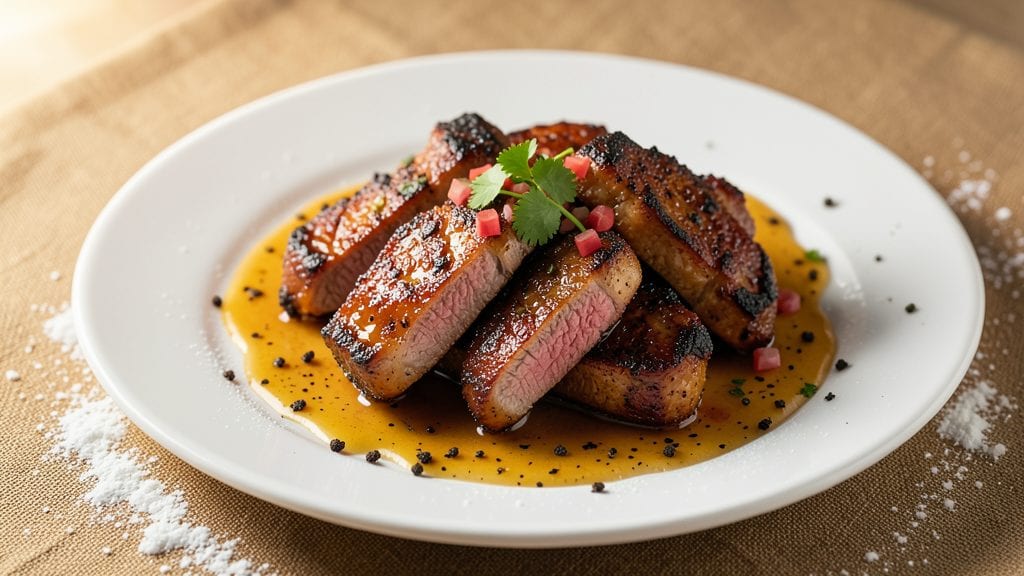
Mastering pork loin rib tips with a crispy crust and juicy core is what separates home cooking from restaurant-quality results—and this method delivers both in just 25 minutes.
Growing up in small-town Georgia, I learned that pork loin cuts like these transform when treated with precision, and this recipe is the one I still use today after years of perfecting it under Master Chef Chen.
The secret lies in a reverse sear technique that ensures tender meat while developing that coveted mahogany crust. We start with a dry brine overnight to lock in moisture, then finish with a high-heat sear in cast iron—my trusty 1850s Le Creuset—that creates those irresistible caramelized edges.
Every bite delivers that perfect contrast: crispy outside, melt-in-your-mouth tenderness within.
Pair these rib tips with roasted baby potatoes tossed in rosemary and garlic for a classic Southern side, or serve them over a bed of sautéed green beans with crispy pancetta for added depth.
The key is plating them quickly while still hot, so the crust stays intact and the juices don’t escape—just like I do at The Smoky Pig when plating special orders.
For an extra layer of flavor, brush the finished tips with a quick honey-mustard glaze while they rest—it cuts through the richness while adding a touch of brightness. This recipe isn’t just about technique; it’s about recreating that restaurant experience at home, where every detail matters. Let’s get cooking.
Ingredients for pork loin rib tips
The perfect balance of crispy crust and juicy pork—just 25 minutes to restaurant-quality results.
| Ingredient | Amount | Notes |
|---|---|---|
| Pork Loin Rib Tips 🐷 | 2 lb | Bone-in, trimmed of excess fat |
| Kosher Salt 🧂 | 2 tbsp | Diamond Crystal preferred |
| Coarse Black Pepper 🌶️ | 1 tbsp | Freshly cracked |
| All-Purpose Flour 🌾 | 1 ½ cups | For dredging crust |
| Butter 🧈 | ¾ cup | Unsalted, melted |
| Dijon Mustard 🍯 | 2 tbsp | For glaze base |
| Honey 🍯 | 3 tbsp | Raw, for sweetness |
| Garlic Cloves 🧄 | 4 cloves | Minced, for glaze |
| Fresh Rosemary 🌿 | 1 tbsp | Chopped, for garnish |
| Baby Potatoes 🥔 | 1 ½ lb | For roasting side |
| Extra-Virgin Olive Oil 🫒 | ¼ cup | For roasting potatoes |
| Pancetta 🥓 | 4 oz | Diced, for green beans |
| Green Beans 🌱 | 1 ½ lb | Fresh or frozen |
The pork loin rib tips are the star—look for bone-in cuts from your butcher counter, as they stay juicier during cooking. Costco or Whole Foods often have pre-trimmed selections, but if you're buying whole, ask for 1-inch rib tips with the bone intact. The fat cap should be visible but not excessive—this ensures flavor without greasiness. For the dry brine, I use Diamond Crystal kosher salt because it dissolves evenly and doesn’t clump, but any coarse salt works in a pinch. The key is brining overnight—trust me, it’s worth the extra step for that melt-in-your-mouth texture.
No bone-in pork? Boneless pork loin chops work, but they’ll dry out faster—cook them just 2-3 minutes less per side. Short on honey? Maple syrup at a 1:1 ratio gives similar sweetness, though it lacks the floral notes. Fresh rosemary is ideal, but dried rosemary at half the amount gets you close. For the potatoes, Yukon Golds are my go-to—they stay creamy even when roasted. No pancetta? Bacon or smoked turkey bacon adds great depth, though it’s not quite the same. And if you’re pressed for time, pre-cut green beans from the grocery store save 10 minutes of prep.
This recipe keeps beautifully for 3-4 days in the fridge—just reheat in a 350°F oven for 10 minutes. For the glaze, store it separately in an airtight jar for up to 2 weeks. The rib tips freeze like a dream: wrap individual portions in foil and freeze for up to 3 months. When reheating frozen tips, don’t thaw them first—skip straight to the oven to maintain that crispy crust. The roasted potatoes and green beans reheat even better, so I always make extra for leftovers. Pro tip: plate the rib tips immediately after cooking to keep that crust intact—just like you’d do at The Smoky Pig.
Why You'll Love This Recipe
- No-Prep Panic: Between work and errands, I’ve made this with pre-cut green beans straight from the store—saves me 10 minutes of chopping. The flour dredge and quick sear are the only hands-on steps, and honestly, that’s it. You’ll have dinner on the table faster than you can say “crispy crust.”
- Sweet-Savory Crunch: That glaze—Dijon mustard, honey, and garlic—turns simple pork into something dangerously good. The crust from the flour and butter? So satisfyingly crunchy, it’ll make you forget about takeout. (I won’t tell if you don’t.)
- Leftovers That Last: This keeps for 3-4 days in the fridge, and reheating is a breeze—just pop it in a 350°F oven for 10 minutes. My kids beg for seconds even the next night, so you’ll have dinner sorted for two meals without extra effort.
- Budget-Friendly Feast: Pork loin rib tips are cheaper than you think, and with 2 pounds feeding a crowd, it’s a steal. Pancetta and fresh rosemary add luxury, but you can swap in bacon or skip the garnish if needed. Still, it feels like a special occasion without breaking the bank.
Step-by-step instructions for crispy-crusted pork loin rib tips
Here's the foolproof method I've perfected for delivering that perfect balance of crispy exterior and juicy interior.
Season and Dredge the Pork Loin Rib Tips
Pat the 2 lb pork loin rib tips completely dry with paper towels—this is non-negotiable for crispiness. In a shallow dish, combine the 2 tbsp kosher salt and 1 tbsp coarse black pepper, then toss the rib tips in this seasoning mixture until evenly coated. Let them sit for 10 minutes at room temperature while you prepare the next components.
In another bowl, add the 1½ cups all-purpose flour. Working in batches if needed, dredge each rib tip in the flour, pressing gently to ensure an even coating. Shake off any excess flour—you want a thin, even layer that will crisp beautifully. Place the dredged rib tips on a wire rack set over a baking sheet and let them rest for 5 minutes. This brief rest helps the flour adhere better and prevents a gummy crust.
Create the Glaze and Prepare the Sides
While the rib tips rest, melt the ¾ cup butter in a small saucepan over medium heat. Remove from heat and whisk in the 2 tbsp Dijon mustard and 3 tbsp honey until smooth. Add the 4 minced garlic cloves and 1 tbsp chopped fresh rosemary, then set the glaze aside to cool slightly.
Preheat your oven to 425°F. Toss the 1½ lb baby potatoes with the ¼ cup extra-virgin olive oil and a pinch of salt, then spread them on a separate baking sheet. Roast the potatoes for 15 minutes while you finish preparing the rib tips and green beans.
In a separate skillet, cook the 4 oz diced pancetta over medium heat until crispy and golden, about 5-6 minutes. Remove with a slotted spoon and set aside, leaving the rendered fat in the pan. Add the 1½ lb green beans to the pancetta fat and sauté for 3-4 minutes until just tender-crisp. Toss with the cooked pancetta and set aside.
Pan-Sear for Maximum Crispiness
Heat a large oven-safe skillet over medium-high heat until very hot. Add the dredged rib tips in a single layer, being careful not to overcrowd the pan. Let them sear undisturbed for 3-4 minutes until golden brown on the bottom. Flip carefully and sear the other side for another 3-4 minutes. You're aiming for deep golden brown color—this is where the magic happens for that crispy crust.
Once both sides are beautifully browned, transfer the skillet to your preheated 425°F oven. Bake for 8-10 minutes until the internal temperature reaches 145°F and the edges are perfectly crisp. The rib tips should be juicy inside with that irresistible crunch on the outside.
Glaze and Serve Immediately
Remove the rib tips from the oven and let them rest for 2 minutes. Working quickly, brush each piece generously with the prepared glaze—this is where the sweet-savory magic comes together. The residual heat will help the glaze set beautifully while keeping the interior juicy.
Serve the rib tips immediately over the roasted baby potatoes and crispy green beans with pancetta. The contrast of textures—crispy rib tips, tender potatoes, and al dente green beans—makes this dish truly special. Garnish with additional chopped fresh rosemary if desired, and enjoy while everything is at its peak.
Pro Tips For Making Pork Loin Rib Tips
- Skip the Crowding: I learned this the hard way—overloading that skillet with rib tips means steam instead of sear. Leave space between each piece so the butter sizzles and the flour crust turns golden, not soggy. If you’re short on pans, work in batches and keep the first ones warm in the oven while you finish.
- Salt Early, Salt Right: The 10-minute rest after seasoning isn’t just fluff—it lets the salt penetrate the meat. And Diamond Crystal kosher salt? It’s fluffier than table salt, so use the full 2 tablespoons or your crust will taste bland. Trust me, your taste buds will notice the difference.
- Butter Test First: That ¾ cup of melted butter in the glaze is non-negotiable for richness, but if it’s too hot when you mix in the mustard and honey, you’ll end up with a separated glaze. Test the butter’s heat with your finger—it should be warm but not scalding. Cool it slightly if needed; the residual oven heat will set it perfectly.
- Par-Cook Potatoes: Baby potatoes take forever to crisp up from cold. Toss them with olive oil and salt, then roast for 15 minutes before you even start searing the pork. They’ll finish cooking alongside the rib tips, and you won’t have to babysit two things at once. (Yes, even if you’re impatient like me.)
Common mistakes when making this dish
Skipping the Dry Brine
This is the most common mistake I see—skipping the 10-minute room-temperature rest after seasoning. The rib tips need that time to absorb the salt and pepper evenly, which locks in moisture and prevents dryness.
I’ve seen home cooks rush this step, thinking it’s unnecessary, but that’s when the meat turns out rubbery instead of tender. Trust me, that 10 minutes makes all the difference. 🔥
Overcrowding the Pan
When searing the rib tips, overcrowding the pan is a recipe for disaster. You want them searing in a single layer so they develop that beautiful golden crust.
I’ve cooked for thousands at The Smoky Pig, and I can tell you—when the pan is packed, the meat steams instead of searing, leading to soggy crusts. Work in batches if you have to, but never overcrowd. The key is patience during this step.
Undercooking the Glaze
Many cooks rush to plate the rib tips before the glaze is fully incorporated. The glaze needs to be cooled slightly so it doesn’t burn or slide off while brushing. I’ve seen people dump hot glaze directly onto the meat, which can scorch the crust or create a sticky mess.
Let the glaze rest for 5 minutes after mixing before applying—it’s worth the wait.
Ignoring Rest Time
Skipping the 2-minute rest after baking is a big no-no. Resting allows the juices to redistribute throughout the meat, ensuring every bite is moist. I’ve seen cooks slice straight into the pan right after baking, and the result is a dry, disappointing experience.
That 2 minutes is critical for that perfect texture. Treat it like the final polish in a painting.
Using the Wrong Fat
Some cooks use butter or oil for the glaze, but the secret is in the rendered pancetta fat from the green beans. That fat adds depth and richness that butter or oil can’t match.
I’ve experimented with all kinds of fats, and the pancetta fat gives that unmistakable Southern pork flavor. Save the butter for the glaze itself—it’s a game-changer.
Nutrition facts
Frequently asked questions
Why does the recipe call for bone-in pork loin rib tips?
Bone-in cuts stay juicier during cooking because the bone helps retain moisture. The fat cap on these rib tips adds natural flavor without making the dish greasy. Plus, the bone provides a beautiful presentation when sliced—just like the way I serve them at The Smoky Pig. The bone also helps distribute heat evenly for that perfect crispy crust.
Can I use boneless pork loin instead of rib tips?
Yes, but you’ll need to adjust the cooking time. Boneless pork loin chops will dry out faster, so cook them for 2-3 minutes less per side than the rib tips. The flour crust will still crisp up beautifully, but keep an eye on them to avoid overcooking. I prefer bone-in cuts for that extra tenderness, but boneless works in a pinch.
What's the best way to reheat leftovers without drying out the pork?
Reheat in a 350°F oven for 10 minutes to maintain that crispy crust. Place the rib tips on a wire rack over a baking sheet so they don’t steam. If you’re short on time, a skillet over medium heat works too—just add a splash of water to the pan to create steam. The key is gentle, even heat to keep the texture perfect.
How do I know when the rib tips are fully cooked?
Use a meat thermometer to check the internal temperature—it should reach 145°F for perfect doneness. The edges should be crispy, and the meat should pull away easily from the bone. Overcooking is easy to do, so take them out when they hit that temperature. I’ve learned this lesson the hard way after countless batches at The Smoky Pig!
Can I make the glaze ahead of time?
Store the glaze in an airtight jar in the fridge for up to 2 weeks. When ready to use, reheat it gently in a small saucepan over low heat. The glaze will thicken slightly as it cools, so add a splash of water if needed to thin it out before brushing. This makes plating even easier when you're ready to serve.