
Main Courses
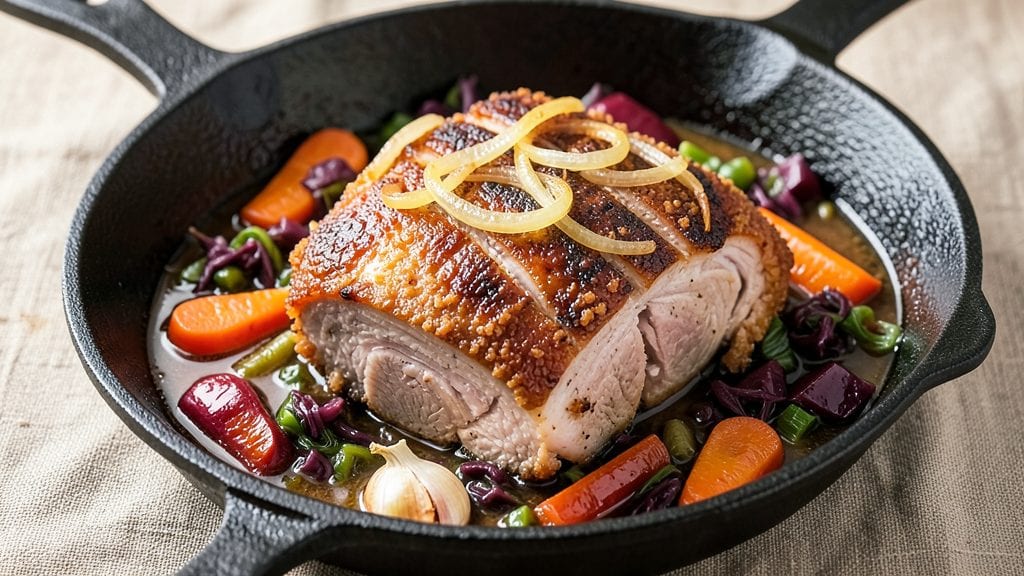
This pork shoulder and sauerkraut recipe delivers the kind of slow-braised comfort that turns weeknight dinners into something special. Growing up in small-town Georgia, I learned that pork shoulder braised with tangy sauerkraut transforms tough meat into melt-in-your-mouth perfection—just like my grandmother used to make.
The key lies in the balance of rich, savory pork and the crisp, fermented crunch of sauerkraut, creating a dish that’s both hearty and refreshing.
The process starts with searing the pork shoulder to lock in flavors, then slow-braising it with sauerkraut, aromatics, and a touch of beer or broth.
At 300°F for 3-4 hours, the meat becomes so tender it nearly falls apart, while the sauerkraut softens just enough to absorb all the deep, caramelized flavors. This isn’t just a recipe—it’s a method that rewards patience with restaurant-quality results every time.
By the time you’re done, you’ll have a dish that’s rich, tangy, and impossible to resist—pork that’s fork-tender with crisp edges, all bathed in a sauce thickened by the sauerkraut’s natural juices.
Serve it with dumplings or roasted potatoes to soak up every last bit of that flavorful braising liquid. The aroma alone will have everyone at the table asking for seconds.
Here’s where it gets interesting—the real magic happens when you let the pork rest. This step ensures every bite stays juicy and cohesive, proving that even the simplest techniques can elevate a dish from good to unforgettable. Let’s get cooking—your taste buds will thank you.
Ingredients for pork shoulder and sauerkraut
Rich pork shoulder meets tangy sauerkraut for a slow-braised masterpiece that feels like home.
| Ingredient | Amount | Notes |
|---|---|---|
| Pork Shoulder 🐷 | 3 lb | Bone-in for extra flavor |
| Sauerkraut 🥬 | 2 cups | High-quality, drained well |
| Carrots 🥕 | 1 cup | Diced, for sweetness and texture |
| Yellow Onions 🧅 | 1 whole | Diced, for depth of flavor |
| Garlic Cloves 🧄 | 6 cloves | Minced, aromatic foundation |
| Beef Broth 🍲 | 2 cups | Low-sodium preferred |
| Dark Beer 🍺 | 1 cup | Stout or porter works best |
| Bay Leaves 🌿 | 2 whole | Essential for depth |
| Black Peppercorns 🌶️ | 1 tbsp | Whole, for fresh grind |
| Dried Thyme 🍃 | 1 tsp | For earthy aroma |
| Salt 🧂 | 1 tsp | Kosher or sea salt |
| Olive Oil 🫒 | 2 tbsp | For searing pork |
| Potatoes 🥔 | 2 lb | For serving, roasted |
The pork shoulder is your star—bone-in cuts add layers of flavor that boneless just can't match. Look for well-marbled meat from your local butcher or grocery store's meat department. I always grab mine from Costco when I'm prepping for a crowd, but even the regular supermarket stuff works if you let it braise long enough. The sauerkraut should be high-quality, not watery—the kind you'd find in the refrigerated section, not the shelf-stable jars. Drain it well before using to avoid a watery braise. The carrots and onions add sweetness and body, but don't skip the garlic—it's the secret to that perfect aroma.
No sauerkraut? Fermented cabbage or kimchi works in a pinch, though the flavor profile changes. Short on beer? Beef broth with a splash of apple cider vinegar mimics the tang. Want more depth? Add 1/2 cup of red wine to the braising liquid. The potatoes can be baby potatoes or Yukon Gold—just make sure they're evenly sized for even roasting. If you're watching sodium, use low-sodium broth and add salt at the end. The thyme and bay leaves are non-negotiable—they're what ties everything together, but you can use fresh thyme at half the amount if you're feeling fancy.
This dish tastes even better the next day as flavors meld. Store leftovers in an airtight container for up to 5 days in the fridge. For longer storage, freeze portions for up to 3 months. I always make extra because it reheats beautifully—just add a splash of water or broth to the pan to deglaze and revive. The aroma alone is worth the effort, so don't skip the resting step. Let the pork sit for 15-20 minutes before serving to keep it juicy. Serve with the roasted potatoes and a simple green salad for a complete meal.
Why You'll Love This Recipe
- One-Pot Magic: This recipe turns a single Dutch oven into your kitchen’s MVP. No last-minute scrubbing pans—just sear the pork, toss in veggies, and let the oven do the work while you relax. The dark beer and beef broth create a sauce that coats everything, so cleanup is basically a 5-minute wipe-down.
- Crispy Outside, Creamy Inside: That golden-brown pork shoulder? It’s chef’s kiss when you slice into it—crispy edges, fall-apart tender meat, and the sauerkraut adds a tangy crunch that’s weirdly addictive. The garlic and thyme? They make every bite taste like a cozy German kitchen, but you’re the one who made it.
- Feeds a Crowd (or Your Week): This is the kind of dish that disappears fast—whether you’re hosting a casual dinner or packing lunches for the week. The pork and sauerkraut reheat like a dream, and those roasted potatoes? They’re even better cold the next day. My kids fight over leftovers, and honestly, that’s the ultimate compliment.
- Budget-Friendly Powerhouse: A whole pork shoulder and a cup of sauerkraut? That’s a fraction of the cost of takeout, but the flavor? Next level. The dark beer and beef broth add richness without breaking the bank, and if you freeze portions, you’ve got a freezer full of meals that’ll save you from last-minute stress.
Step-by-step instructions for slow-braised pork shoulder and sauerkraut
This method delivers melt-in-your-mouth pork with tender sauerkraut and hearty sides every time.
Sear the Pork Shoulder for Deep Flavor
Pat the 3 lb pork shoulder dry with paper towels—this ensures maximum crispiness. Heat a heavy Dutch oven over medium-high heat and add the 2 tablespoons olive oil. Once shimmering, place the pork shoulder fat-side down and sear undisturbed for 8-10 minutes until the fat renders and the skin turns deep golden brown.
Flip the pork and sear the other side for another 5-7 minutes. Here's the thing—don't rush this step. The caramelized crust locks in juices during the long braise. Once browned, remove the pork and set aside on a plate. You'll notice the fat in the pot has turned golden—this is your flavor foundation.
Build the Braising Liquor with Aromatics
In the same Dutch oven, add the diced 1 yellow onion and diced 1 cup carrots. Cook for 5 minutes until softened. Add the minced 6 garlic cloves and cook for another 30 seconds until fragrant. Here's where it gets good—add the 2 cups beef broth, 1 cup dark beer, 2 bay leaves, 1 tbsp black peppercorns, 1 tsp dried thyme, and 1 tsp salt.
Bring to a gentle simmer, scraping up any browned bits from the bottom. These bits contain concentrated flavor that will infuse the pork. Return the pork shoulder to the pot, fat-side up, and cover tightly with a lid. This is the moment that matters: you're setting up the perfect environment for tender, fall-apart meat.
Slow-Braise Until Fork-Tender
Transfer the Dutch oven to a preheated 300°F oven. Braise for 3-4 hours until the pork is fork-tender. I know it seems like forever, but patience pays off here. The meat should pull apart easily with two forks, and the internal temperature should reach 203°F. Real talk: if you peek too early, you'll dry out the meat—resist the urge to lift that lid.
About 1 hour before serving, add the 2 cups sauerkraut to the pot. The tangy, crunchy sauerkraut will absorb the rich braising liquid and develop a perfect balance of flavors. The potatoes should be roasted separately during this time—toss the 2 lb potatoes in olive oil, salt, and pepper, then roast at 400°F for 45-50 minutes until golden and crispy.
Rest and Serve with Perfect Sides
Remove the pork from the pot and let it rest on a cutting board for 15-20 minutes. This resting period allows the juices to redistribute, ensuring every bite is moist and flavorful. Skim any excess fat from the braising liquid, then ladle the sauce over sliced pork. The potatoes should be hot and crispy—serve them alongside the pork and sauerkraut.
Slice the pork against the grain into ¼-inch thick slices. Each bite should deliver tender, juicy pork with a crispy exterior, complemented by the tangy crunch of sauerkraut and the earthy sweetness of the carrots and onions. This is comfort food at its finest—simple, hearty, and deeply satisfying.
Pro Tips For Making Pork Shoulder And Sauerkraut
- Don’t Rush the Sear: That 8-10 minute fat-side sear isn’t optional—it’s where the magic happens. I used to flip too soon and ended up with pale, flavorless pork. Let the fat render until it’s deep golden and the skin cracks on its own. The extra few minutes pay off when you slice into melt-in-your-mouth meat later.
- Drain That Sauerkraut: Skimping here ruins the balance. The 2 cups of sauerkraut need to be drained well—no one wants a watery, diluted sauce. Press it in a colander for 5 minutes, then pat it dry with a towel. Trust me, the tang will shine without turning your dish into a soup.
- Scrape the Pot Like Your Life Depends on It: Those browned bits clinging to the Dutch oven? That’s pure flavor, and they’re too good to waste. After searing the pork, don’t just dump in the veggies—scrape every last bit with a wooden spoon. I learned this after tasting bland braising liquid and realizing I’d missed half the good stuff.
- Add Sauerkraut Late: Tossing the sauerkraut in at the start turns it mushy and sad. Wait until the last hour—when the pork’s already falling apart—so it soaks up the rich sauce while staying crisp. This is the one move that keeps the texture perfect, not soggy.
Pro cooking tips for pork shoulder and sauerkraut
Mastering the Sear
That first sear is where the magic begins—don't skip it! Use a heavy Dutch oven and let the 3 lb pork shoulder develop a deep golden crust. I swear by my vintage Lodge cast iron for this step; it retains heat like nothing else.
Pat the meat dry first—this isn't optional. The 8-10 minutes on each side creates the perfect Maillard reaction that'll make your kitchen smell like a Southern BBQ joint. 🔥
Liquid Balance Secrets
The beer-to-broth ratio is critical—1 cup dark beer to 2 cups beef broth gives that perfect tangy depth without overpowering. I always use a stout or porter because the roasted malt notes complement the pork beautifully.
If you're short on time, you can substitute with extra beef broth plus 1 tbsp apple cider vinegar, but nothing beats the real thing.
Temperature Control
Your oven's temperature consistency matters more than anything else. I use an oven thermometer because most home ovens run hot—aim for 300°F but adjust if needed. The pork should reach 203°F internal temperature for that perfect fall-apart texture.
Pro tip: If your oven has hot spots, rotate the Dutch oven halfway through the 3-4 hours of braising for even cooking.
Sauerkraut Timing
Adding the 2 cups sauerkraut an hour before serving is key—it gives the tangy cabbage time to soften just enough to absorb the braising liquid without becoming mushy. I like to gently stir it in and let it cook so the flavors meld.
This step transforms the dish from good to exceptional by balancing the richness of the pork with the sauerkraut's acidity.
Resting is Non-Negotiable
After removing the pork, let it rest for 15-20 minutes on a cutting board—this is where the real magic happens. The juices redistribute, ensuring every bite is moist and flavorful. I've seen too many home cooks skip this step and end up with dry meat.
Trust me, it's worth the wait. The sauerkraut and potatoes can stay warm in the oven with the lid on while you prep the final presentation.
Nutrition facts
Frequently asked questions
Why does this pork shoulder recipe call for bone-in meat?
The bone-in pork shoulder adds layers of natural flavor that boneless cuts can't match. During braising, the bones release collagen and marrow that infuse the meat and sauce with rich, savory depth. This traditional method creates a more complex, restaurant-quality dish that feels like a true comfort meal.
Can I substitute regular cabbage for sauerkraut in this recipe?
While you could use regular cabbage, it won't provide the same tangy crunch and fermented flavor that makes this dish special. Sauerkraut's natural acidity balances the richness of the pork perfectly. If you're truly in a pinch, try fermented cabbage or kimchi as a closer alternative, though the flavor profile will change noticeably.
What should I do if my pork isn't tender after 3 hours?
Check your oven temperature with a thermometer—many home ovens run hot. Return the Dutch oven to the oven at 300°F and continue braising for another 1-2 hours, checking the internal temperature with a meat thermometer. The pork should reach 203°F for perfect tenderness. If it's still firm, add ½ cup water to the pot and cover tightly to steam gently.
How do I prevent the sauerkraut from becoming too watery?
Always drain the sauerkraut thoroughly before adding it to the pot—this removes excess liquid. When you add it 1 hour before serving, stir it gently to distribute the braising liquid evenly. The natural fermentation process in sauerkraut will help thicken the sauce as it cooks, creating that perfect tangy consistency.
Can I make this dish ahead of time?
This dish actually tastes better the next day as flavors meld. After cooking, let it cool completely, then store in an airtight container for up to 5 days in the fridge. Reheat gently in the oven at 350°F until warmed through, adding a splash of water or broth to the pan to revive the sauce. For longer storage, freeze portions for up to 3 months.