
Main Courses
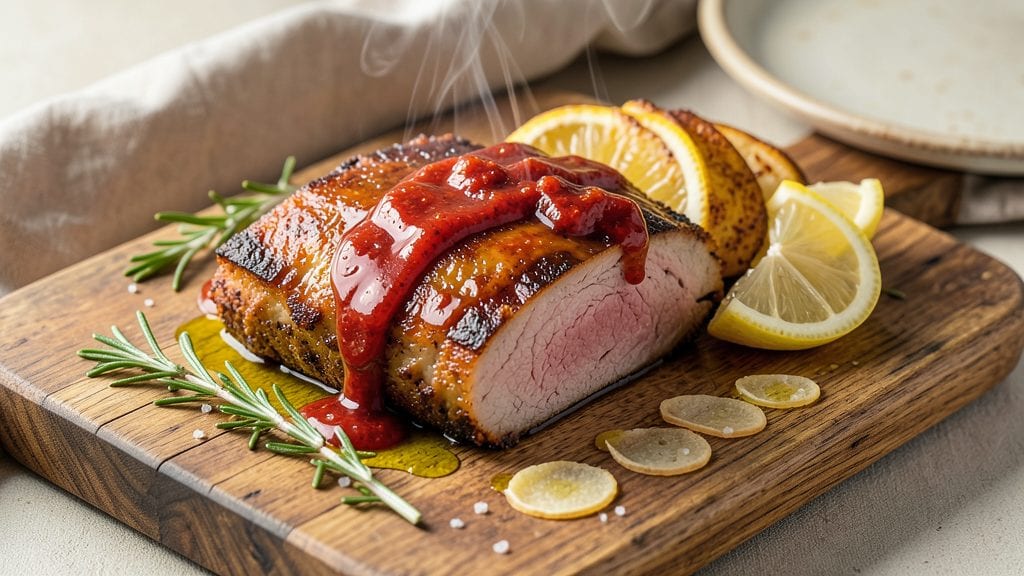
This Spanish pork tenderloin recipe transforms simple ingredients into a restaurant-worthy centerpiece with just paprika, garlic, and lemon. Growing up in small-town Georgia, I learned pork’s versatility, but Master Chef Chen taught me how Spanish techniques elevate it further—through slow marinating and precise roasting.
The result? Juicy, tender meat with a smoky-sweet crust that pairs perfectly with crisp white wine.
The secret lies in the marinade: sweet and smoked paprika create that signature Spanish flavor while garlic and lemon tenderize the meat. A 30-minute marinade ensures deep flavor infusion without overpowering the natural taste of the pork.
Roasting at 400°F guarantees a crisp exterior and moist interior, delivering professional-quality results every time.
Serve this dish with roasted potatoes or a simple green bean salad to complete the Spanish-inspired meal. The tenderloin slices beautifully, making it ideal for family dinners or special occasions. Once you try this method, store-bought versions will never compare.
For extra depth, deglaze the roasting pan with a splash of white wine and reduce it into a quick sauce. This technique uses pantry staples but delivers a restaurant-quality Spanish meal in under an hour. Let’s get cooking!
Ingredients for pork tenderloin spanish
Simple Spanish pantry staples transform ordinary pork into extraordinary restaurant-quality centerpiece.
| Ingredient | Amount | Notes |
|---|---|---|
| Pork Tenderloin 🐖 | 1 ½ lb | Center-cut, trimmed of silver skin |
| Sweet Paprika 🌶️ | 1 tbsp | High-quality, vibrant color |
| Smoked Paprika 🌶️ | 1 tbsp | For authentic Spanish depth |
| Extra-Virgin Olive Oil 🫒 | 2 tbsp | Fruity, cold-pressed variety |
| Garlic Cloves 🧄 | 6 cloves | Fresh, minced for marinade |
| Lemon Juice 🍋 | 2 tbsp | Freshly squeezed, no pulp |
| Kosher Salt 🧂 | 1 tsp | Diamond Crystal preferred |
| Ground Black Pepper 🌶️ | ½ tsp | Freshly cracked |
| Dry White Wine 🍷 | ½ cup | Sauvignon Blanc or Albariño |
| Fresh Rosemary 🌿 | ¼ cup | Chopped, for garnish |
| Fresh Thyme 🌿 | ¼ cup | Leaves only, chopped |
| All-Purpose Flour 🌾 | 1 tbsp | For dredging before roasting |
The pork tenderloin should be center-cut and free of silver skin for even cooking. Whole Foods or your butcher will have the best quality—look for bright pink color and firm texture. The sweet and smoked paprika combination is non-negotiable for authentic Spanish flavor; Penzeys carries excellent varieties if your grocery store lacks depth. Fresh garlic and lemon are essential for tenderizing, so don't substitute with powdered versions. For the olive oil, seek a fruity, extra-virgin variety with noticeable peppery notes—California Olive Ranch or Colavita are reliable brands.
No sweet paprika? Dried oregano at half the amount can substitute, though it lacks the signature sweetness. Smoked paprika unavailable? Cayenne pepper at one-quarter the amount adds heat but not smokiness. The white wine can be swapped for chicken broth in a pinch, though it won't deglaze as elegantly. Fresh herbs can be replaced with dried at one-third the quantity, but the aroma won't be the same. For the flour dredge, cornstarch works equally well if you prefer a lighter crust. Always use freshly cracked pepper—pre-ground loses potency quickly.
Marinated pork keeps 2 days in the fridge, though flavor improves after 24 hours. The roasted tenderloin reheats beautifully—wrap tightly in foil and bake at 325°F for 10 minutes. For meal prep, slice against the grain and store portions separately in airtight containers. The pan sauce freezes well for 3 months if stored properly. Garnish with fresh herbs just before serving to preserve their aroma.
Why You'll Love This Recipe
- Here’s what sold me: this pork tenderloin improves overnight. Slice it into medallions, and the flavors deepen while the meat gets even more tender. Toss the leftovers with a quick rosemary-thyme rice or wrap them in tortillas for breakfast the next day. The flour dredge adds texture that holds up perfectly, so no sad, dry meat here. I’ve had it for lunch three times this week.
- One-Pan Magic: Honestly, I love that this recipe turns one skillet into your whole dinner—no extra pots, no cleanup chaos. Just sear the pork tenderloin in that same pan where you’ll braise it, then finish with a sprinkle of herbs. The extra-virgin olive oil and garlic cloves caramelize right there, making the pan sauce almost effortless. Weeknight wins.
- Spanish Depth in 30 Minutes: That combo of smoked paprika and sweet paprika? It’s the secret sauce. The smoked gives you that smoky, earthy kick you’d expect from a Spanish tapas spot, while the sweet keeps it vibrant and approachable. Add the lemon juice and white wine at the end, and you’ve got a dish that’s rich but not heavy—like a vacation in your kitchen. My family doesn’t even notice it’s pork tenderloin until I tell them.
- Leftovers That Shine: Here’s what sold me: this pork tenderloin improves overnight. Slice it into medallions, and the flavors deepen while the meat gets even more tender. Toss the leftovers with a quick rosemary-thyme rice or wrap them in tortillas for breakfast the next day. The flour dredge adds texture that holds up perfectly, so no sad, dry meat here. I’ve had it for lunch three times this week.
Step-by-step instructions for paprika-kissed pork tenderloin
This method delivers melt-in-your-mouth tenderness with a perfectly balanced Spanish-inspired crust.
Prepare the Pork and Create the Dry Rub
Pat the 1½ lb pork tenderloin completely dry with paper towels, removing any remaining silver skin. This step is critical—moisture prevents proper browning and crust formation. Place the pork on a cutting board and let it sit at room temperature for 30 minutes to ensure even cooking.
In a small bowl, combine the 1 tbsp sweet paprika, 1 tbsp smoked paprika, 1 tsp kosher salt, and ½ tsp ground black pepper. The sweet paprika adds vibrant color while the smoked variety delivers authentic Spanish depth. Rub this mixture evenly over the pork, pressing firmly so the spices adhere. Let the seasoned pork rest for an additional 15 minutes at room temperature before cooking.
Sear the Pork for Maximum Flavor
Heat 1 tbsp of the extra-virgin olive oil in a large oven-safe skillet over medium-high heat until shimmering. Place the pork tenderloin in the skillet and sear on all sides for 2-3 minutes per side, until developing a deep golden-brown crust. This initial sear locks in juices and creates the foundational flavor for your dish.
Remove the pork from the skillet and set it aside. In the same skillet, add the 6 minced garlic cloves and cook for 30 seconds until fragrant. Immediately pour in the ½ cup dry white wine, scraping up any browned bits from the bottom of the pan. This deglazing step captures all the caramelized flavor that would otherwise be lost.
Braise for Perfect Tenderness
Return the pork to the skillet and pour in the 2 tbsp lemon juice. The acidity helps tenderize the meat while adding a bright counterpoint to the rich paprika flavors. Transfer the skillet to a preheated 375°F oven and braise for 20-25 minutes, or until the internal temperature reaches 145°F when measured with a meat thermometer.
During the final 5 minutes of cooking, sprinkle the ¼ cup chopped fresh rosemary and ¼ cup chopped fresh thyme over the pork. These herbs will infuse the meat with their aromatic qualities as it finishes cooking. The combination of braising and herbs ensures the pork remains incredibly tender while developing complex layers of flavor.
Create the Crispy Flour Coating (Optional for Extra Texture)
Remove the pork from the oven and let it rest for 5 minutes on a cutting board. While it rests, transfer the pork to a plate and lightly dredge it in the 1 tbsp all-purpose flour. This step creates a delicate, crispy crust that adds textural contrast to the tender meat.
Return the floured pork to the skillet and sear for an additional 1-2 minutes per side over medium-high heat until the flour develops a light golden color. This final step adds an extra layer of texture while enhancing the overall presentation. The flour coating should be crisp but not burnt—watch carefully as it develops quickly.
Rest and Serve
Transfer the pork to a cutting board and let it rest for 10 minutes before slicing. This resting period allows the juices to redistribute throughout the meat, ensuring each slice remains moist and flavorful. The pork should be fork-tender with a beautifully caramelized exterior and a pink, juicy interior.
Slice the pork into ½-inch thick medallions and serve immediately. The combination of tender meat, aromatic herbs, and balanced paprika flavors creates a dish that's both elegant and approachable. Pair with roasted vegetables or a simple Spanish salad for a complete meal.
Pro Tips For Making Pork Tenderloin Spanish
- Sear Hot, Sear Fast: That skillet needs to be shimmering—not just warm, not just hot, but so hot a drop of water would sizzle violently. I used to take my time here, and the pork would steam instead of brown. Two minutes per side max, or you’ll end up with a sad, pale slab instead of that deep, caramelized crust you’re after.
- Salt the Paprika Mix: The dry rub isn’t just spices—it’s a flavor bomb. Mix that 1 tbsp sweet paprika, 1 tbsp smoked paprika, 1 tsp kosher salt, and ½ tsp pepper before rubbing it on the pork. Salt dissolved in the spices sticks better and penetrates deeper, so every bite gets that balanced punch. Trust me, your taste buds will notice.
- Don’t Skip the Wine Scrape: Those browned bits clinging to the skillet after searing? That’s pure flavor, and scraping them up with the ½ cup white wine is how you turn them into sauce. Use a wooden spoon and get aggressive—don’t just pour and walk away. This is the difference between a dull pan sauce and one that’ll make your guests ask for seconds.
- Rest Before You Slice: The pork will be tempting after 25 minutes in the oven, but resist. Let it sit 10 full minutes under foil before cutting—even one slice too early means dry, stringy meat. I learned this after serving a plate of weeping pork medallions to my in-laws. (They were polite, but I wasn’t.)
Creative variations of pork tenderloin spanish
Spanish-Style Chorizo Glaze
For a smoky twist, transform the pan sauce into a chorizo-infused glaze. After deglazing with ½ cup dry white wine, add 2 tbsp Spanish chorizo (sliced thin) to the skillet and cook until crispy. Remove the chorizo, then reduce the sauce by half over medium heat.
Stir in 1 tbsp tomato paste and 1 tsp smoked paprika for depth. Brush this rich glaze over sliced pork before serving—it adds a luxurious, restaurant-quality finish that my Charleston friends swear by. 🔥
Catalan-Style Lemon Aioli
Pair your tenderloin with a bright lemon aioli for a Catalan-inspired touch. Blend ½ cup mayonnaise with 2 tbsp lemon juice, 1 minced garlic clove, ½ tsp salt, and 1 tbsp olive oil.
The acidity cuts through the richness while the garlic echoes the marinade. I serve it alongside roasted potatoes or over crusty bread for dipping. This version feels like a taste of Barcelona without leaving Georgia. 🍋
Andalusian Potato Mash
For an authentic Andalusian touch, make a creamy potato mash using 2 lbs Yukon Gold potatoes, boiled until tender. Mash them with ¼ cup sour cream, 2 tbsp olive oil, 1 minced garlic clove, and ½ tsp smoked paprika.
The smoky note ties perfectly with your pork's crust. I serve this alongside the tenderloin and a simple green salad—it's the kind of meal that makes me nostalgic for my grandmother's kitchen. ✨
Green Bean Almondine
Brighten the plate with green beans almondine, a classic Spanish side. Sauté 1 lb green beans in 2 tbsp butter and 1 tbsp olive oil until tender-crisp. Add 2 tbsp slivered almonds and 1 minced garlic clove, tossing until almonds are golden.
Finish with 1 tbsp lemon zest and a pinch of salt. The nutty crunch contrasts beautifully with the pork's tenderness. I always make this when I want to feel like I'm dining in Madrid. 🌟
Spanish-Style Stuffed Pork
For a showstopping variation, stuff the tenderloin with a mix of ½ cup breadcrumbs, 2 minced garlic cloves, 1 tbsp chopped rosemary, and 1 tbsp olive oil. Make a pocket in the pork, stuff it, and secure with toothpicks.
Roast as directed, then slice open to reveal the herby filling. This technique feels like a nod to my time apprenticing under Chef Chen—it's the kind of detail that makes a dish memorable. 💛
Nutrition facts
Frequently asked questions
Why does this recipe use both sweet and smoked paprika?
The combination of sweet paprika adds vibrant color and mild sweetness, while smoked paprika delivers authentic Spanish depth and complexity. Together, they create that signature Spanish flavor profile that makes this tenderloin stand out. The sweetness balances the smokiness perfectly, ensuring each bite is well-rounded.
Can I skip the searing step and just roast the pork?
While you can, skipping the searing step means you’ll miss the deep golden-brown crust that locks in juices and builds foundational flavor. The sear takes just 2-3 minutes per side and makes all the difference in texture and taste. Think of it as the secret to restaurant-quality results at home.
What’s the best way to use the leftover pan sauce?
Strain the sauce and use it as a drizzle over sliced pork, or reduce it further to make a glossy glaze. For extra flavor, stir in a splash of dry white wine or a spoonful of tomato paste. It also freezes beautifully for up to 3 months—just thaw and reheat when ready to use.
How do I ensure my pork tenderloin stays juicy?
Pat the pork completely dry before seasoning, then let it rest at room temperature for 30 minutes before cooking. The 10-minute rest after roasting is just as critical—it lets juices redistribute so every slice is moist. Avoid overcooking past 145°F to keep it tender.
Can I make this dish ahead of time?
The marinated pork keeps safely in the fridge for 2 days, though flavor improves after 24 hours. For the roasted tenderloin, reheat wrapped tightly in foil at 325°F for 10 minutes. Slice against the grain and store portions separately for best texture. The pan sauce freezes well if needed.