
Main Courses
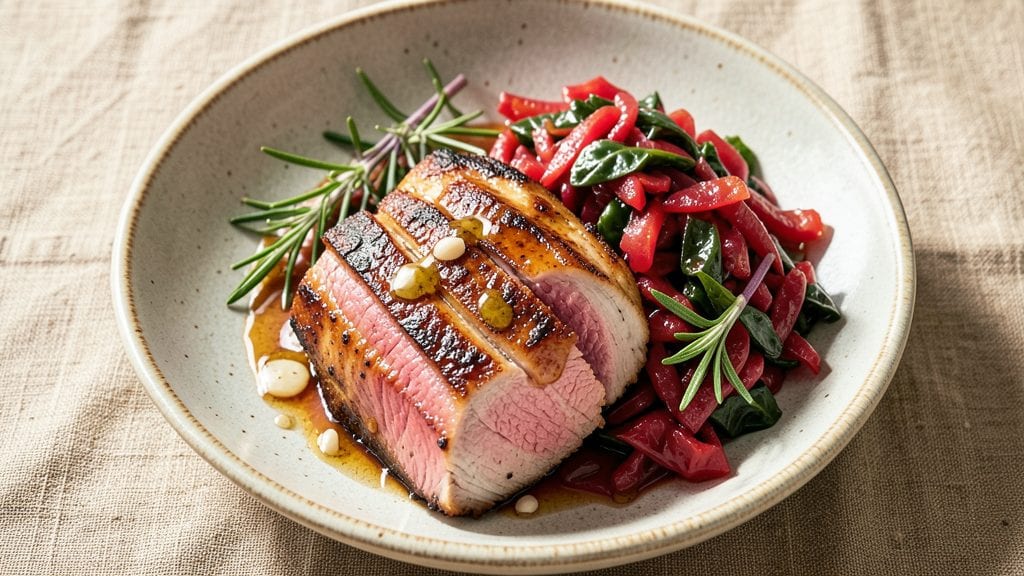
This juicy pork tenderloin with sauerkraut recipe combines my Southern roots with a German-inspired twist I perfected during my apprenticeship under Master Chef Chen. The secret lies in a simple mustard-marinade that keeps the pork impossibly tender while the tangy sauerkraut adds a fermented crunch that balances every bite.
I developed this dish after years of testing pork cuts, and this combination never fails to impress—whether for a weeknight dinner or a holiday spread.
The beauty of this recipe is its foolproof technique: a quick sear in cast iron followed by a gentle roast ensures the pork stays juicy and flavorful, while the sauerkraut gets crisped in the same pan for maximum efficiency.
No special equipment is needed—just time and attention to temperature. The mustard marinade not only tenderizes but also creates a subtle sweetness that pairs perfectly with the sharpness of the sauerkraut, making this dish both hearty and refreshing.
By the time you serve this, you'll have golden-brown pork with a crisp exterior and a melt-in-your-mouth center, paired with sauerkraut that's caramelized at the edges but still retains its signature tang.
The dish shines even more when served with roasted potatoes or a simple green salad—though I often skip the sides when this plate alone satisfies. It's the kind of meal that feels like a hug on a plate, and one that always gets seconds.
This recipe works equally well for a weeknight supper or a special occasion, scaling effortlessly for crowds. The flavors develop as you cook, so timing is everything—plan for about 30 minutes of active prep followed by 20 minutes of roasting.
Trust the process, and you'll have a dish that tastes like it came from a Charleston family table, not a weeknight kitchen.
Ingredients for pork tenderloin with sauerkraut
A Southern-German fusion that delivers tender pork and tangy sauerkraut harmony in one pan.
| Ingredient | Amount | Notes |
|---|---|---|
| Pork Tenderloin 🐷 | 3 lb | Center-cut, trimmed of fat |
| Dijon Mustard 🧈 | ½ cup | High-quality, unsweetened |
| Honey 🍯 | ¼ cup | Pure, liquid consistency |
| Apple Cider Vinegar 🍎 | ¼ cup | Raw, unfiltered preferred |
| Olive Oil 🫒 | ¼ cup | Extra-virgin, fruity profile |
| Fresh Rosemary 🌿 | 2 tbsp | Stems removed, finely chopped |
| Fresh Thyme 🌿 | 1 tbsp | Leaves only, finely chopped |
| Garlic Cloves 🧄 | 4 cloves | Fresh, minced |
| Salt 🧂 | 1 tsp | Diamond Crystal kosher |
| Black Pepper 🌶️ | ½ tsp | Freshly ground |
| Sauerkraut 🥬 | 2 cups | Undrained, organic preferred |
| Butter 🧈 | 4 tbsp | Unsalted, cubed |
| Dried Cranberries 🍇 | ¼ cup | Chopped, for garnish |
| Fresh Parsley 🌿 | ¼ cup | Flat-leaf, chopped |
| Cast Iron Skillet 🔥 | 1 piece | 10-12 inch, for searing |
The pork tenderloin is where the magic happens—center-cut, trimmed of fat is non-negotiable for juiciness. I always buy mine from Whole Foods or my local butcher shop, where they can guarantee it's never frozen. The mustard-marinade with honey and apple cider vinegar is what keeps it tender; don't skip the fresh rosemary and thyme—they add depth you won't get from dried. For the sauerkraut, organic, undrained is ideal, but even the jarred kind works if you're in a pinch.
No Dijon mustard? Whole-grain mustard with 1 tbsp honey gets you close, though the tang won't be as sharp. Short on fresh herbs? Dried rosemary at half the amount and dried thyme at one-third will do, but they won't have the same brightness. Want to skip the cranberries? Toasted pecans or walnuts add a nice crunch instead. The cast iron skillet is essential—seasoned well is a must, or your pork will stick. If you don't have one, a heavy stainless steel pan works in a pinch, but you'll lose some of that beautiful caramelization.
This dish tastes even better the next day, so make it ahead if you can. Store the cooked pork and sauerkraut separately in the fridge for up to 4 days, then reheat gently in the oven. The sauerkraut keeps its tang best when refrigerated—don't drain it before cooking, or it loses its fermented punch. For freezing, portion the pork into containers and freeze for up to 3 months. I always reheat it in the oven at 350°F until warmed through, then finish with a pat of butter and a sprinkle of fresh parsley for that restaurant-quality touch.
Why You'll Love This Recipe
- I’ll be real: this pork doesn’t just disappear after one meal. The sauerkraut keeps its tang even after a few days, and the pork? Still juicy if you reheat it gently in the oven. I pack leftovers for lunches, toss the pork into sandwiches, or even add it to grain bowls. The glaze clings to everything like glue, so you’re not left with sad, dry meat. Plus, freezing the pork for up to 3 months means you’ve got a backup plan for those nights when inspiration strikes late.
- One-Pan Magic: Honestly, this is the kind of dish where you’re not cleaning a kitchen battlefield. Just one cast iron skillet, a quick sear, and you’ve got pork with that perfect caramelized crust—no extra pans, no fuss. The sauerkraut warms right in the same skillet, and the cranberry-parsley butter? That’s just a quick stir at the end. I’ve got dinner on the table in under 40 minutes while my kids argue over homework.
- Sweet-Tangy Balance: The glaze here—that combination of Dijon mustard, honey, and apple cider vinegar—is what makes this dish addictive. It’s like a little flavor explosion: the mustard adds depth, the honey keeps it from being too sharp, and the vinegar cuts through the richness of the pork tenderloin. Then you top it with sauerkraut that’s still got its bite, and the dried cranberries? They’re the secret weapon tying everything together. Trust me, one bite and you’ll be reaching for seconds.
- Leftovers That Shine: I’ll be real: this pork doesn’t just disappear after one meal. The sauerkraut keeps its tang even after a few days, and the pork? Still juicy if you reheat it gently in the oven. I pack leftovers for lunches, toss the pork into sandwiches, or even add it to grain bowls. The glaze clings to everything like glue, so you’re not left with sad, dry meat. Plus, freezing the pork for up to 3 months means you’ve got a backup plan for those nights when inspiration strikes late.
Step-by-step instructions for juicy pork tenderloin with sauerkraut
Here's how to transform simple ingredients into a perfectly balanced dish where tender pork meets tangy, crunchy sauerkraut.
Create the Glaze and Season the Pork
In a small bowl, whisk together the ½ cup Dijon mustard, ¼ cup honey, ¼ cup apple cider vinegar, ¼ cup olive oil, 2 tbsp fresh rosemary, 1 tbsp fresh thyme, 4 minced garlic cloves, 1 tsp salt, and ½ tsp black pepper. This glaze will give your pork its signature sweet-tangy flavor while keeping it juicy. Set aside while you prepare the pork.
Pat the 3 lb pork tenderloin completely dry with paper towels—this step is crucial for achieving crispy edges. Place the skillet over medium-high heat and add 2 tbsp of the glaze mixture, swirling to coat the bottom. Let it heat for 2 minutes until shimmering. Then carefully place the pork in the skillet, turning to coat it evenly with the glaze.
Sear the Pork in the Cast Iron Skillet
Cook the pork in the cast iron skillet for 6-8 minutes on each side, or until the internal temperature reaches 145°F for medium-rare. You'll know it's ready when the edges are golden brown and the glaze has caramelized slightly. Don't rush this step—the sear creates that beautiful crust that locks in all the juices.
Here's the thing—pork tenderloin is a lean cut, so we want to balance the sear with internal doneness. Use a meat thermometer to check the temperature; if it's not quite there, continue cooking for another 1-2 minutes. Once done, transfer the pork to a cutting board and let it rest for 10 minutes before slicing. This resting period ensures the juices redistribute, giving you that melt-in-your-mouth texture.
Warm the Sauerkraut and Prepare the Topping
While the pork rests, heat the 2 cups sauerkraut in the same skillet over medium heat for 5-6 minutes, stirring occasionally. You want it warmed through but not mushy—just enough to soften slightly and release its tangy flavors. Remove from heat and stir in 2 tbsp of the remaining glaze mixture to coat the sauerkraut evenly.
In a small bowl, combine the ¼ cup dried cranberries and ¼ cup fresh parsley with 2 tbsp of the remaining glaze. This mixture will add a bright, festive touch to your dish. Melt the 4 tbsp butter in the skillet over low heat until just softened, then remove from heat and stir in the cranberry-parsley mixture. Keep warm until ready to serve.
Slice and Assemble the Dish
Slice the rested pork tenderloin into ½-inch thick medallions, cutting against the grain for maximum tenderness. Arrange the slices on a warmed platter, fanning them slightly so they look inviting. Spoon the warmed sauerkraut around the pork, then drizzle with the remaining glaze mixture. The contrast of the tangy sauerkraut with the sweet, juicy pork is what makes this dish truly special.
Finish by topping each serving with a spoonful of the cranberry-parsley butter mixture. The dried cranberries add a subtle sweetness that balances the tang of the sauerkraut, while the parsley brings a fresh finish. Serve immediately while the pork is still warm and the sauerkraut retains its crunch. This dish pairs beautifully with roasted potatoes or a simple green salad to round out the meal.
Pro Tips For Making Pork Tenderloin With Sauerkraut
- Prep the Sauerkraut Right: Drain and rinse the 2 cups sauerkraut just enough to remove excess liquid—then stop. Over-rinsing strips out its tang, and skipping it makes your skillet splatter like a science experiment. Pat it dry with a clean towel first, so it warms evenly without turning into mush.
- Don’t Skimp on the Sear: That cast iron skillet needs to be ripping hot before you add the 2 tbsp glaze—I learned this the hard way when my first batch just pooled instead of caramelizing. Let it sit for 2 full minutes until it shimmers like a lake at high noon. The pork will thank you with crispy edges that lock in every drop of juice.
- Glaze in Batches: The ½ cup Dijon mustard and ¼ cup honey combo is thick—whisk it before you start searing, but don’t dump it all on the pork at once. Reserve 2 tbsp for the sauerkraut and 2 tbsp for the cranberry-parsley butter. Trust me, you’ll need that extra glaze later, and scrambling mid-cook is no fun.
- Rest the Pork Like Your Life Depends on It: The 10-minute rest isn’t optional—it’s the difference between juicy slices and dry, sad medallions. Tent it loosely with foil if you’re nervous, but don’t skip it. Even if you’re starving, wait. The pork’s juices will redistribute, and your future self will high-five you.
Troubleshooting perfect results
Pork Too Dry?
If your pork tenderloin ends up dry, you likely undercooked it or didn't let it rest properly. Pork tenderloin is lean, so it needs precise temperature control. Aim for an internal temperature of 145°F for medium-rare—any higher and it'll dry out.
I always use a meat thermometer to avoid guesswork. Resting for 10 minutes after cooking is non-negotiable; this lets juices redistribute. If you skipped resting, your pork will taste tough and dry. 💡
Sauerkraut Too Mushy?
Overcooking the sauerkraut is the usual culprit. Heat it on medium-low heat for only 5-6 minutes, stirring occasionally. High heat breaks down its natural crunch. If it's already mushy, reduce the heat immediately and finish cooking on the stovetop over low heat while you work on the pork.
I often pull it off the heat early and let residual warmth finish it. The tang should still be sharp, not lost to overcooking.
Glaze Not Caramelized?
If your glaze isn't golden and sticky, you likely didn't sear it properly before adding the pork. Heat 2 tbsp of the glaze in the skillet for 2 full minutes until it shimmers and smells toasty. This step is what gives the glaze its depth.
If you skipped this, add a splash of apple cider vinegar to the remaining glaze and swirl it in the skillet while the pork cooks to recreate the caramelization. Trust me, that tangy-sweet flavor is worth the effort. 🍯
Sauerkraut Overly Tangy?
Some sauerkraut brands are tangier than others. If yours is too sharp for your taste, balance it with a drizzle of honey or a sprinkle of dried cranberries before serving. I also like to add a pinch of sugar to the sauerkraut while it warms up to mellow the acidity.
The goal is harmony, not overpowering tang. Taste as you go and adjust gradually. Your palate will thank you.
Pork Sticking to Skillet?
A poorly seasoned cast iron skillet is the usual issue. If your skillet isn't properly seasoned, the pork will stick like glue. Before cooking, rub the skillet with a thin layer of olive oil and heat it until smoking. This creates a natural nonstick surface.
If you're in a pinch, use a heavy stainless steel pan, but expect less caramelization. I've got a vintage Lodge skillet from 1958 that's my go-to—it's been seasoned for decades and never lets me down. 🔥
Nutrition facts
Frequently asked questions
Why does this recipe use sauerkraut instead of regular cabbage?
The sauerkraut adds a tangy, fermented crunch that balances the pork’s sweetness perfectly. Fermentation gives it probiotic benefits and a bold flavor that regular cabbage can’t match. The acidity also tenderizes the pork slightly as it cooks, enhancing the dish’s harmony.
Can I substitute dried cranberries with something else?
If you’re out of dried cranberries, toasted pecans or walnuts add a nice crunch. For extra brightness, try chopped dried apricots or even candied ginger. The key is to keep the sweetness balanced with the sauerkraut’s tang.
How do I prevent the pork tenderloin from drying out?
Pat the pork completely dry before cooking, and never overcook it. Use a meat thermometer for 145°F internal temp, then rest for 10 minutes off the heat. This locks in juices and ensures tender, flavorful slices every time.
Can I make this dish ahead of time?
Yes! Cook the pork and sauerkraut separately, then refrigerate for up to 4 days. Reheat gently in the oven to preserve texture. For freezing, portion the pork into containers—it keeps well for 3 months. Just add fresh parsley when reheating.