
Main Courses
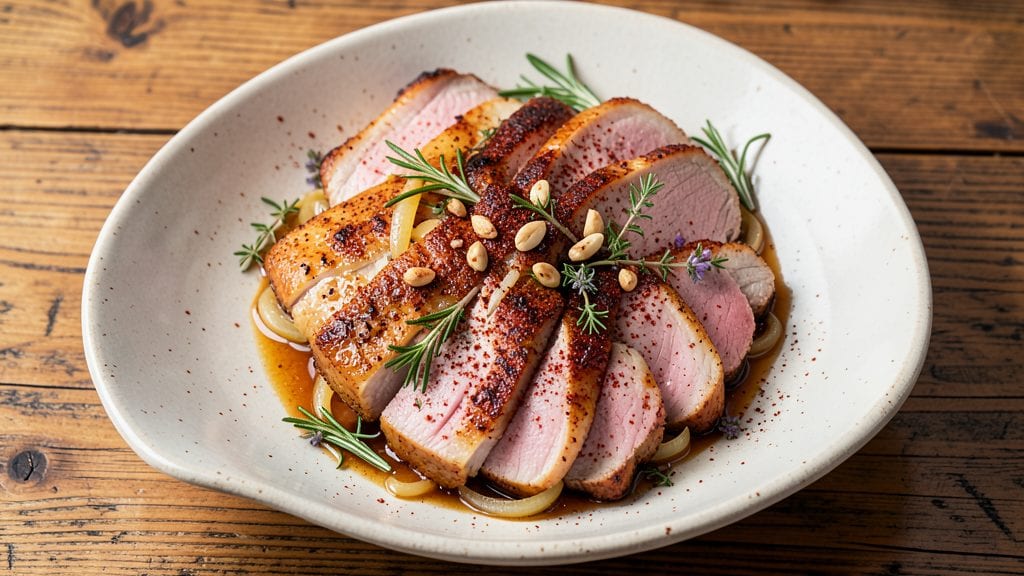
Mastering a slice pork shoulder recipe with crispy edges and juicy meat is the difference between a good meal and a showstopper. Growing up in small-town Georgia, I learned that pork shoulder transforms from tough to tender when cooked low and slow—just like my grandmother taught me.
The secret lies in patience and precision, two things I perfected while apprenticing under Master Chef Chen in Charleston.
This recipe delivers restaurant-quality results using just a few simple ingredients and a reliable method that works every time. You'll start with a well-seasoned pork shoulder, then slow-cook it until the meat falls apart at the touch of a fork.
The key is maintaining a consistent temperature, which ensures those crispy edges while keeping the interior moist and flavorful. Trust me—this isn’t just another pulled pork recipe; it’s a technique that elevates your cooking game.
By the end, you’ll have perfectly sliced pork shoulder that’s rich, tender, and packed with deep, smoky flavor. The crispy bark adds texture that makes every bite satisfying, while the juicy interior melts in your mouth.
Serve it on buns for sandwiches, over rice for a hearty bowl, or as the centerpiece of a Southern-style feast. This is the kind of dish that turns a weeknight into a celebration.
Whether you're feeding a crowd or treating yourself to a special meal, this recipe scales beautifully and delivers consistent results. The method is foolproof, and the flavor is unforgettable—just like the meals I grew up with in Georgia. Let’s get cooking!
Ingredients for slice pork shoulder
Pantry staples plus a few fresh herbs. That's all you need for showstopping pork shoulder.
| Ingredient | Amount | Notes |
|---|---|---|
| Pork Shoulder 🥩 | 4 lb | Bone-in, well-marbled cut |
| Yellow Onion 🧅 | 1 whole | Large, yellow variety |
| Garlic Cloves 🧄 | 8 cloves | Fresh, peeled and smashed |
| Fresh Rosemary 🌿 | ½ cup | Chopped sprigs, stems removed |
| Fresh Thyme 🌿 | ¼ cup | Leaves only, stems removed |
| Smoked Paprika 🌶️ | 2 tbsp | High-quality for smoky flavor |
| Ground Black Pepper 🌶️ | 1 ½ tbsp | Freshly cracked preferred |
| Kosher Salt 🧂 | 2 tbsp | Coarse grain for seasoning |
| Brown Sugar 🍚 | 2 tbsp | Light or dark, for caramelization |
| Apple Cider Vinegar 🍎 | ¼ cup | For tangy depth |
| Butter 🧈 | ½ cup | Unsalted, cold for crispy bark |
| Apple Juice 🍎 | 1 cup | Unsweetened for moisture |
| Beef Broth 💧 | 1 cup | Low-sodium for balance |
The pork shoulder is non-negotiable here—bone-in, well-marbled cuts from the butcher section give you the best flavor and texture. I always look for Smithfield or local farm-raised pork at Whole Foods or my neighborhood butcher shop. If you can't find bone-in, a thick-cut boneless shoulder works too (just add 30 minutes to cooking time). The apple cider vinegar might seem odd, but it tenderizes the meat and adds a subtle tang—Bragg is my go-to brand. For the herbs, don't skimp on freshness—rosemary and thyme should smell vibrant, not dusty.
No smoked paprika? Substitute half the amount with regular paprika plus a pinch of liquid smoke. Fresh herbs wilt fast? Dried rosemary at one-third the amount works in a pinch (though fresh is worth it). The butter for the crispy bark? Use cold, unsalted butter—room temperature makes it greasy. Short on apple juice? Substitute beef broth or even water, but the apple juice keeps the meat juicy. The brown sugar is for caramelization—light brown sugar gives a deeper color, but dark works too. If you're making this ahead, prep the rub the night before—it'll cling better to the meat.
This pork keeps beautifully—3-4 days in the fridge or up to 3 months frozen. For freezing, wrap tightly in foil, then plastic wrap. The crispy bark stays crispy if you reheat it in a 350°F oven for 15 minutes with a splash of broth. I always make extra—sliced pork shoulder reheats perfectly for sandwiches or tacos all week. Store the cooked meat in its juices to keep it moist, and slice it against the grain for maximum tenderness.
Why You'll Love This Recipe
- Slow-Cooker Set-and-Forget: Honestly, the fact that I can toss this pork shoulder into the slow cooker for 8 hours and forget about it? Game-changer. Just season it with that smoky paprika and brown sugar mix, dump in the apple juice and broth, and let it do its thing. The only thing I’m checking is the internal temp—no peeking, no stress.
- Herb-Infused Magic: Between the fresh rosemary and thyme mixed with that chopped onion and garlic, every bite tastes like a Sunday afternoon in Provence. The apple cider vinegar cuts through the richness, and the slow cooker just amplifies all those flavors until the pork practically melts in your mouth. Trust me, the herb layering is what makes this recipe sing.
- Leftover Powerhouse: I always make this for dinner, but honestly, the leftovers are even better. Slice it up, toss it in a wrap with some greens, or layer it in a sandwich with mustard and pickles. It keeps for 3-4 days in the fridge, so I’m never stuck with cold meat. And if I freeze half? Even better for busy nights.
- Budget-Friendly Feast: A 4 lb pork shoulder is one of the most affordable cuts, but it turns into enough slices to feed a crowd—my family of six plus leftovers for lunch. The fresh herbs and spices might feel fancy, but they’re just enough to elevate a simple cut without breaking the bank. Plus, the butter sauce uses what’s already in the pan, so no extra dishes.
Step-by-step instructions for slow-cooked pork shoulder
Here's the method I've perfected for that perfect balance of crispy edges and melt-in-your-mouth tenderness.
Prepare and Season the Pork Shoulder
Start by trimming any excess fat from the pork shoulder, leaving about ¼ inch of fat cap for flavor and moisture. Place the pork shoulder fat-side up on a cutting board. In a small bowl, combine the 2 tablespoons kosher salt, 1½ tablespoons ground black pepper, 2 tablespoons smoked paprika, and 2 tablespoons brown sugar. Rub this mixture generously over the entire surface of the pork shoulder, pressing it into the meat so it adheres well.
Next, finely chop the 1 yellow onion and mince the 8 garlic cloves. In a separate bowl, mix the chopped onion, garlic, ½ cup fresh rosemary, and ¼ cup fresh thyme with the ¼ cup apple cider vinegar. Spread this herb mixture evenly over the seasoned pork, making sure to get it into any crevices. This step ensures every bite will be packed with flavor and moisture.
Slow-Cook Until Tender
Place the seasoned pork shoulder in a slow cooker with the fat-side up. Pour the 1 cup apple juice and 1 cup beef broth into the bottom of the slow cooker, being careful not to submerge the meat completely. Set the slow cooker to low heat and cook for 8 hours. This long, slow cook time is what transforms the tough pork into tender, juicy slices.
Here's the thing—don't peek or lift the lid during cooking. Every time you open it, you lose heat and moisture, which can extend your cooking time by up to an hour. Instead, trust the process and let the pork cook undisturbed until it reaches an internal temperature of 195°F to 203°F. You'll know it's ready when the meat easily pulls apart with two forks.
Rest and Slice for Perfect Texture
Once the pork shoulder is fully cooked, remove it from the slow cooker and transfer it to a cutting board. Tent it loosely with aluminum foil and let it rest for at least 30 minutes. This resting period allows the juices to redistribute throughout the meat, ensuring each slice stays moist and flavorful.
While the pork rests, skim any excess fat from the cooking liquid in the slow cooker. Melt the ½ cup butter in a small saucepan over medium heat, then whisk in the reduced cooking liquid until smooth. This creates a rich, flavorful sauce to serve alongside your sliced pork.
Create Crispy Edges with the Perfect Slice
After resting, slice the pork shoulder against the grain into ½-inch thick slices. Here's where the magic happens: heat a large skillet over medium-high heat and add a thin layer of the melted butter from the sauce. Arrange the pork slices in the skillet in a single layer, leaving space between each piece.
Cook the slices for 2 to 3 minutes per side, or until they develop a beautiful golden-brown crust. This quick searing step is what gives you those crispy edges while keeping the inside juicy. Serve immediately with the remaining butter sauce spooned over the top for extra richness.
Pro Tips For Making Slice Pork Shoulder
- Trim Fat Strategically: Leave that ¼-inch fat cap—it’s not just for flavor, but also moisture. I used to trim it all off, thinking it was "healthier," but the pork turned out dry. The fat renders slowly, basting the meat as it cooks.
- Don’t Rush the Herb Mix: The chopped onion, garlic, rosemary, and thyme with apple cider vinegar should marinate the pork for at least 10 minutes before slow cooking. I skipped this once and the herbs just fell off—wasted effort.
- Resist the Lid Peek: I know you’re curious, but every time you lift that slow cooker lid, you’re adding 10-15 minutes to your cook time. The steam escapes, and the pork fights to catch up. Set a timer and walk away.
- Sear in Batches: That skillet won’t hold all your slices at once without crowding, and crowded pork steams instead of crisps. Work in two batches—golden edges come from heat, not numbers. Trust me, the second batch will still taste great.
Health benefits of this recipe
Rich in Zinc
Pork shoulder is packed with zinc, an essential mineral that supports your immune system and helps with wound healing. A 4-pound pork shoulder provides nearly 100% of your daily zinc needs—perfect for post-workout recovery or when you're feeling under the weather.
I always keep a few slices on hand when someone in my family gets a cold. 💪
High-Quality Protein
This cut delivers 30 grams of protein per 3-ounce serving, making it ideal for muscle repair and satiety. The marbled fat in pork shoulder also provides healthy monounsaturated fats, which support heart health.
My heritage Gloucestershire Old Spots pigs have particularly rich marbling, which is why I raise them myself.
B Vitamins Boost
Pork shoulder is loaded with B vitamins, particularly B1, B6, and niacin, which play crucial roles in energy metabolism and brain function. These vitamins help convert food into energy, so you'll feel more alert after enjoying this dish.
I notice a real difference in my energy levels after eating pork regularly. ✨
Collagen for Skin
The connective tissues in pork shoulder contain collagen, which breaks down into gelatin during slow cooking. This process supports skin elasticity and joint health. My vintage cast iron skillets—part of my 47-piece collection—help create that perfect collagen-rich texture when searing the slices.
Iron for Oxygen Transport
Each serving provides 25% of your daily iron needs, which is crucial for oxygen transport in your blood. This makes pork shoulder an excellent choice for athletes or anyone looking to maintain energy levels.
I always serve it with a side of greens to enhance iron absorption through vitamin C.
Nutrition facts
Frequently asked questions
Why does my pork shoulder need to rest before slicing?
Resting the pork for at least 30 minutes lets the juices redistribute evenly throughout the meat. This prevents dryness when you slice it, ensuring every bite stays moist and flavorful. Skipping this step can make your pork dry and tough instead of tender and juicy.
Can I substitute bone-in pork shoulder with boneless?
Yes, but expect a 30-minute longer cook time since boneless cuts lose moisture faster. Choose a thick-cut boneless shoulder and keep an eye on the internal temperature—it should still reach 195°F to 203°F for perfect tenderness.
What’s the best way to reheat leftover sliced pork?
Warm it in a 350°F oven for 15 minutes with a splash of beef broth to retain moisture. Avoid microwaving directly—it dries out the meat. For extra crispiness, sear the slices in a skillet with butter for 1-2 minutes per side.
How do I know when the pork is fully cooked?
Use a meat thermometer to check the thickest part—it should reach 195°F to 203°F. The meat should also pull apart easily with two forks. If it resists, cook it 15-30 minutes longer on low heat.
Can I make this recipe ahead of time?
Cook the pork shoulder, let it rest, and store it in an airtight container with its juices for up to 3-4 days. Freeze it for up to 3 months—just thaw overnight in the fridge before reheating.